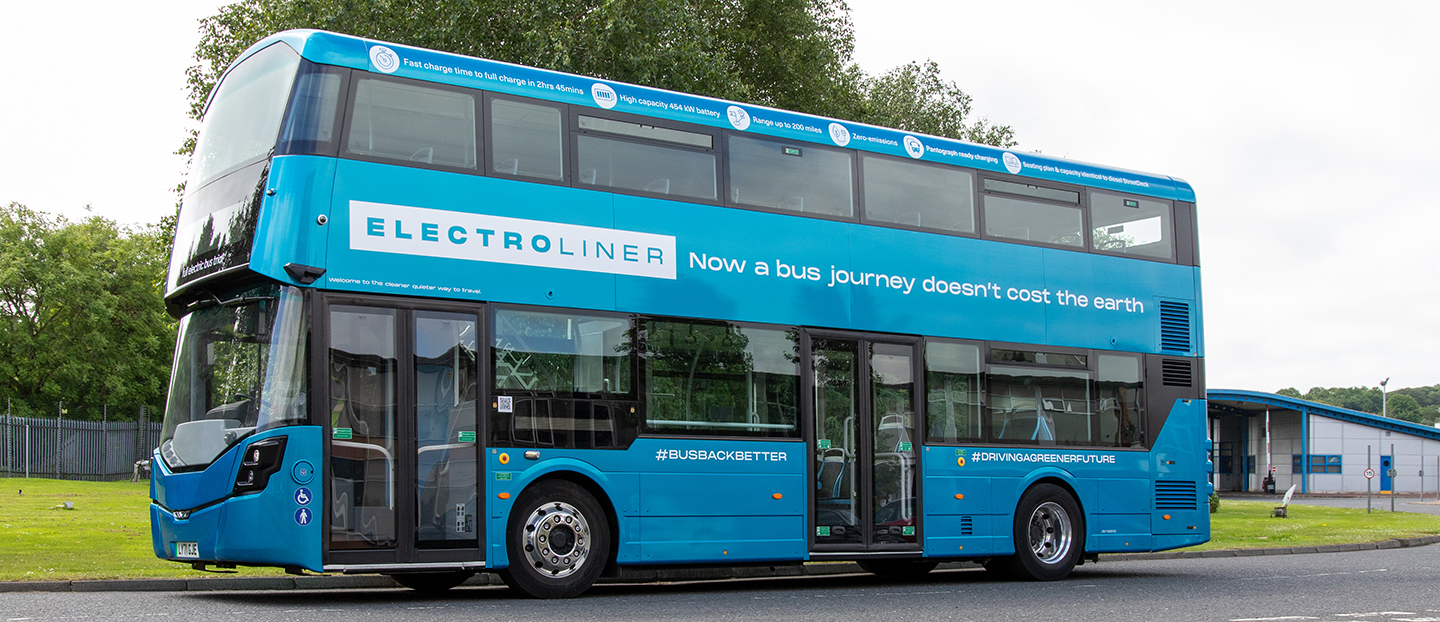
In the ever-evolving landscape of urban transportation, two innovative solutions are taking center stage: electric buses (e-buses) and hybrid vehicles. As cities strive to reduce pollution, cut emissions, and create more sustainable transportation systems, these technologies are emerging as game-changers. In this blog, we'll explore the roles of e-buses and hybrid vehicles in shaping the future of urban mobility.
E-Buses: Driving Towards a Greener Tomorrow
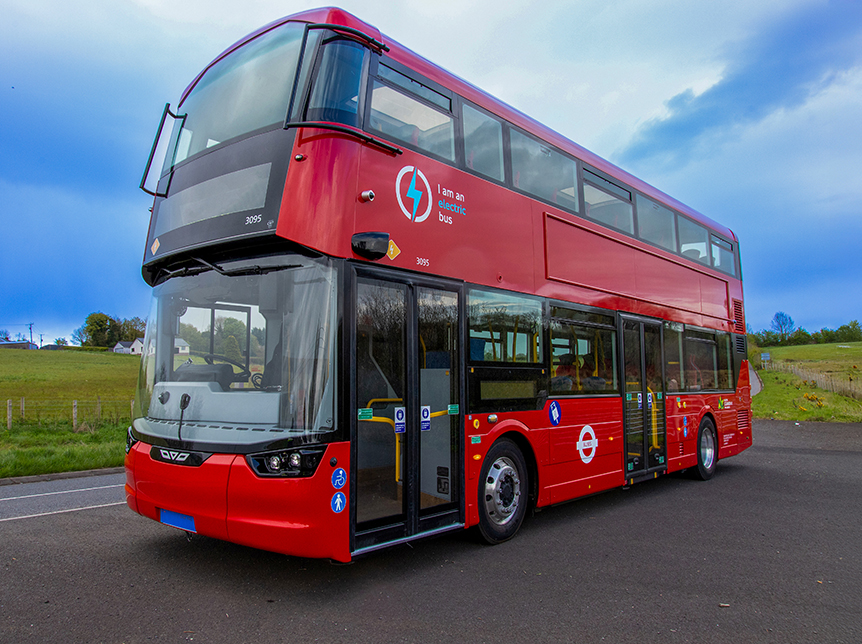
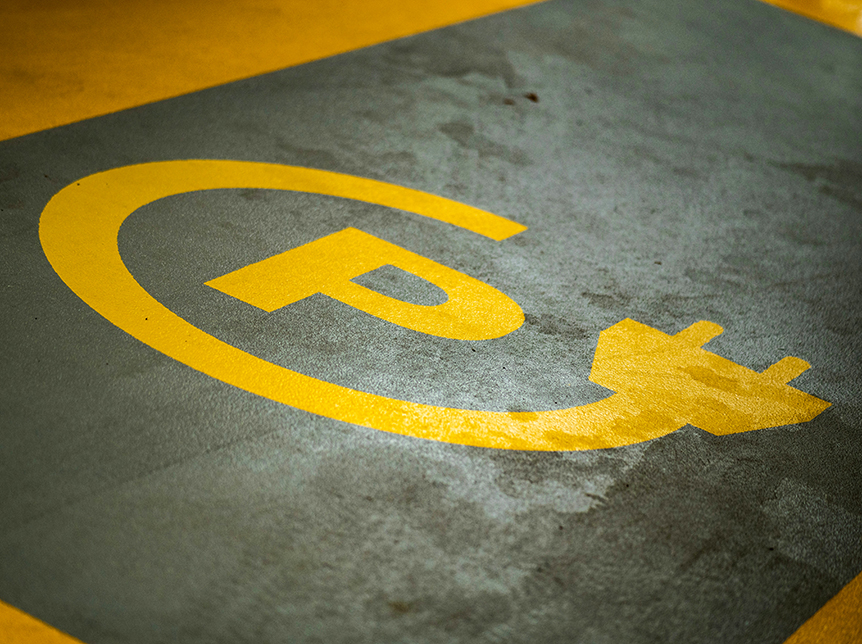
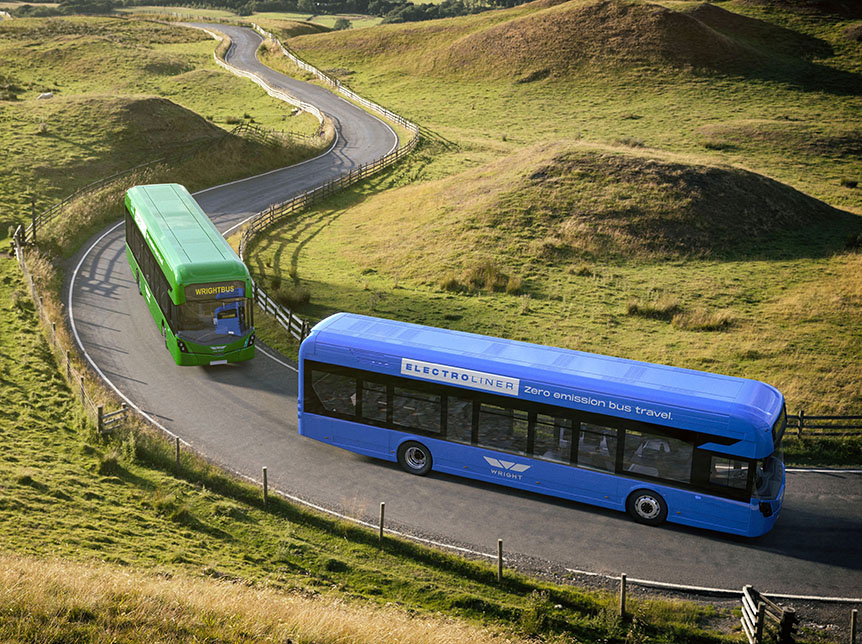
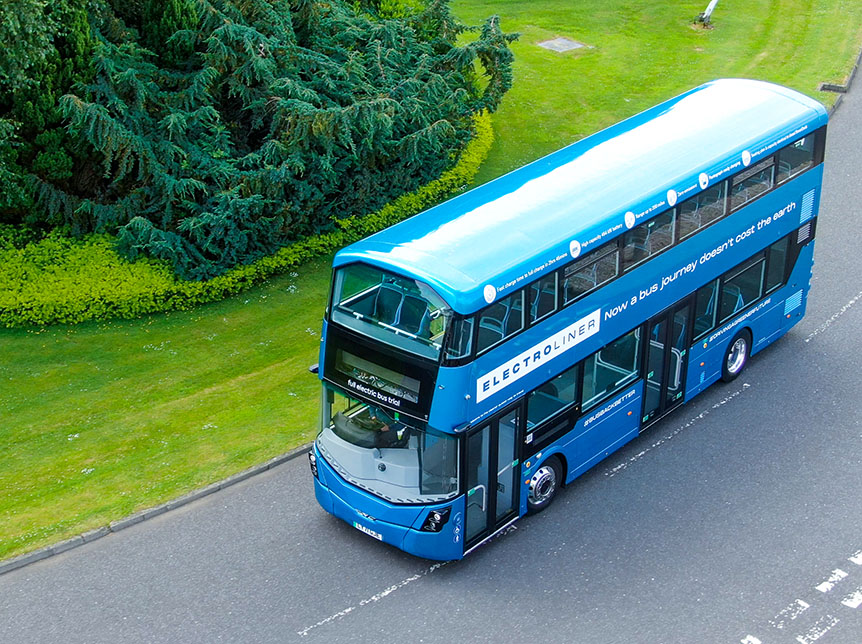
Electric buses, or e-buses, are leading the charge in the quest for cleaner urban transportation. Powered entirely by electricity, these buses offer a host of benefits that extend beyond just reducing emissions.
Zero Emissions and Cleaner Air
E-buses produce zero tailpipe emissions, reducing local air pollution and contributing to improved air quality in congested urban areas. This makes them a crucial tool in combating respiratory diseases and creating healthier environments for both passengers and pedestrians.
Reduced Noise Pollution
E-buses are notably quieter than their conventional counterparts, which run on diesel or gasoline engines. This reduction in noise pollution leads to quieter streets, enhancing the overall quality of life in urban areas.
Cost Savings and Sustainability
While the upfront cost of e-buses can be higher than traditional buses, the operational and maintenance costs are significantly lower. Electric motors have fewer moving parts, requiring less maintenance and resulting in long-term savings for public transportation agencies. Additionally, as renewable energy sources continue to grow, e-buses become even more sustainable, as their energy supply becomes cleaner.
Hybrid Vehicles: The Bridge to Tomorrow's Transit
Hybrid vehicles combine the benefits of traditional internal combustion engines with electric propulsion systems, creating a bridge between fossil fuel-powered vehicles and fully electric ones.
Efficiency and Reduced Emissions
Hybrid vehicles optimize fuel consumption by utilizing both gasoline (or diesel) engines and electric motors. This leads to improved fuel efficiency and reduced emissions compared to conventional vehicles, making them a greener option for urban commuting.
Regenerative Braking and Energy Recovery
One of the standout features of hybrid vehicles is regenerative braking, which captures and stores energy during braking and deceleration. This stored energy is then used to power the vehicle's electric motor, reducing the need for the gasoline (or diesel) engine to work as hard.
Flexibility and Transition
Hybrid vehicles offer a smooth transition for drivers and passengers accustomed to traditional vehicles, as they combine familiar driving experiences with the benefits of electric technology. This adaptability makes them an attractive choice for cities looking to transition their fleets to more eco-friendly options.
Paving the Way for Urban Mobility Transformation
E-buses and hybrid vehicles are integral to reimagining urban mobility in a more sustainable and efficient manner. As cities around the world embrace these technologies, they send a clear message that cleaner transportation options are both viable and essential for a healthier and more environmentally conscious future.
Conclusion: Uniting for a Cleaner Tomorrow
As urban populations continue to grow and environmental concerns intensify, the adoption of e-buses and hybrid vehicles is no longer a luxury but a necessity. By combining the advantages of zero-emission travel and improved fuel efficiency, these technologies have the power to reshape our cities, making them greener, quieter, and more livable for everyone. The road ahead may be challenging, but with e-buses and hybrid vehicles leading the way, a brighter and cleaner urban future is well within our reach.
Read more
Zero-Emission Vehicles and Double-Deck Coaches: The Future of Travel
Read on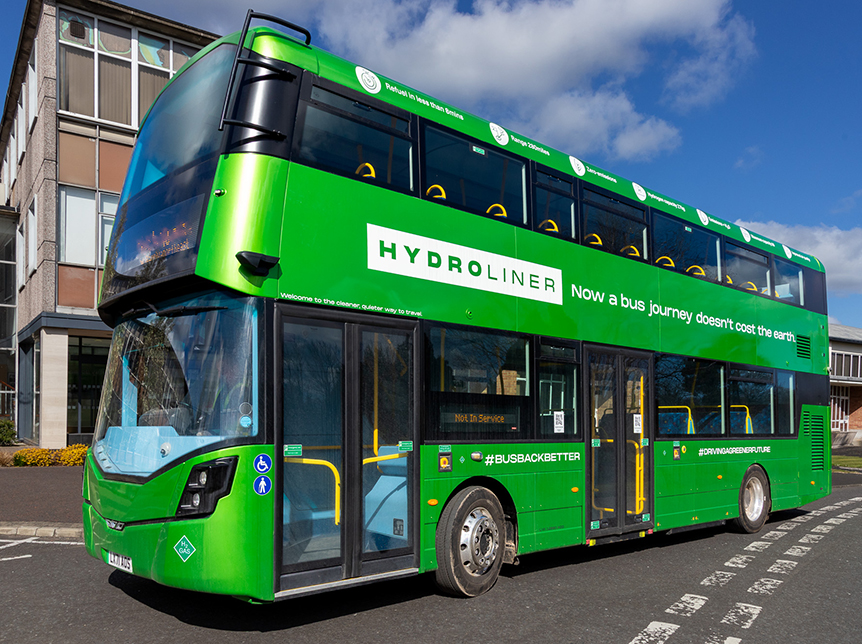
Hydrogen-Powered Vehicles and Double-Deck Articulated Bus Technology
Read on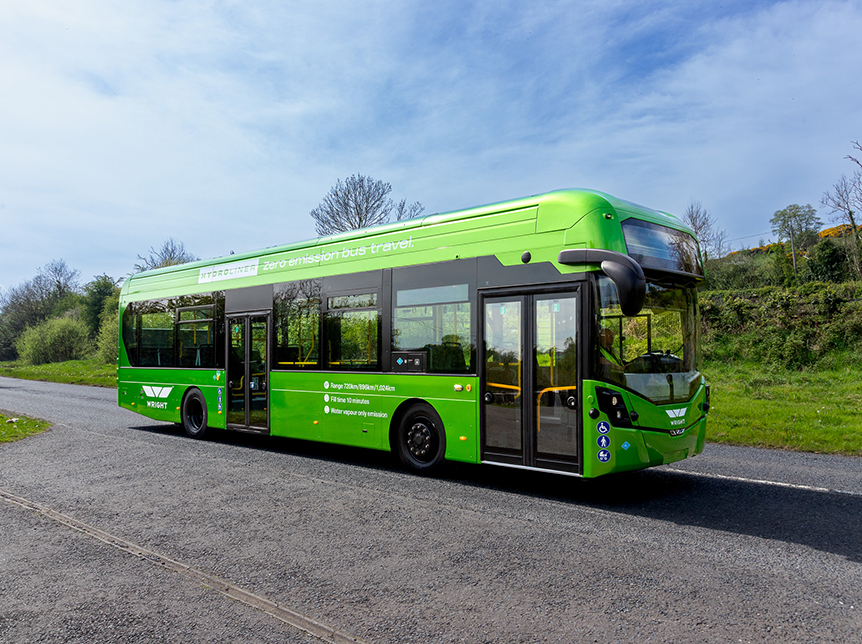
Hydrogen Fuel Cell Vehicles vs Hybrid Vehicles: Pros and Cons Explained
Read on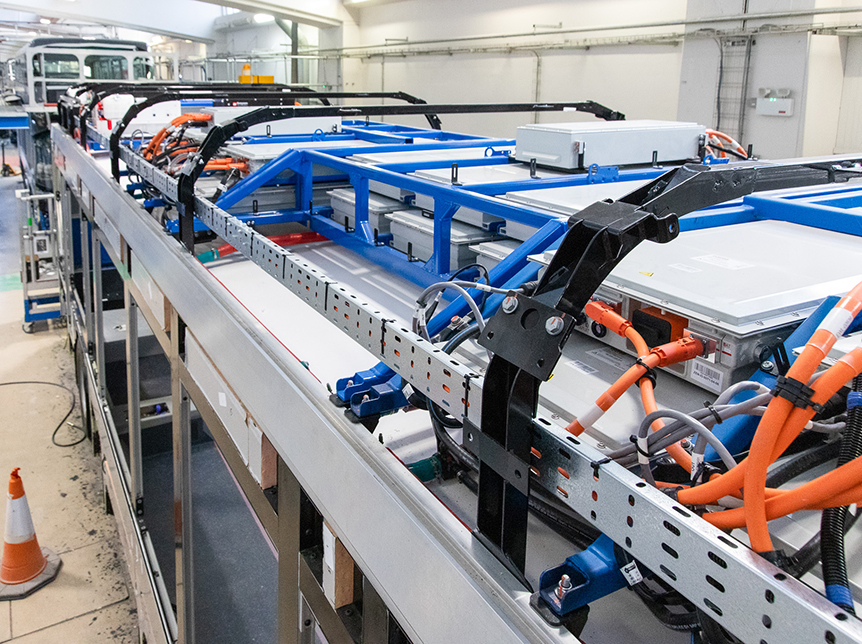
Bus Companies in the UK and the Growth of Electric Bus Manufacturing
Read on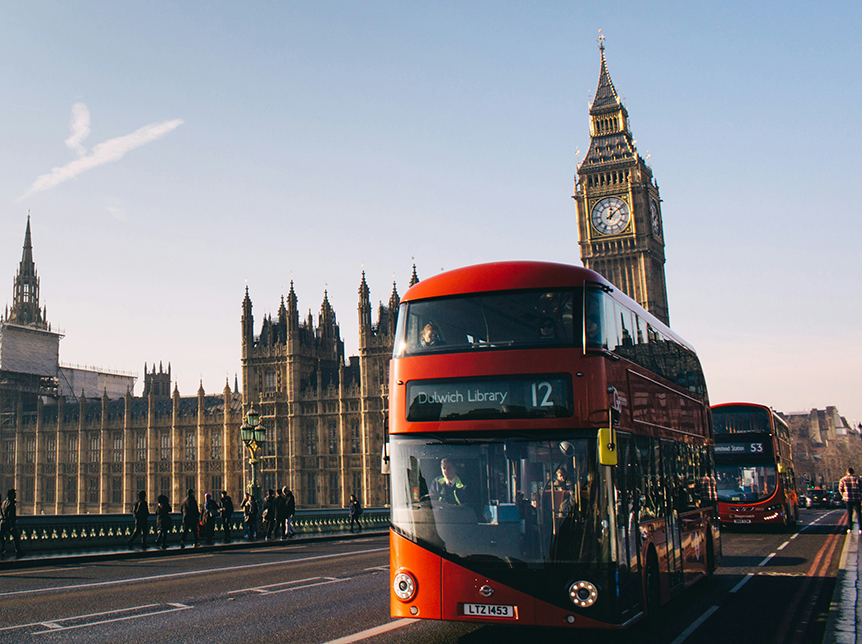
London Electric Buses and the Rise of UK Zero-Emission Bus Manufacturing
Read on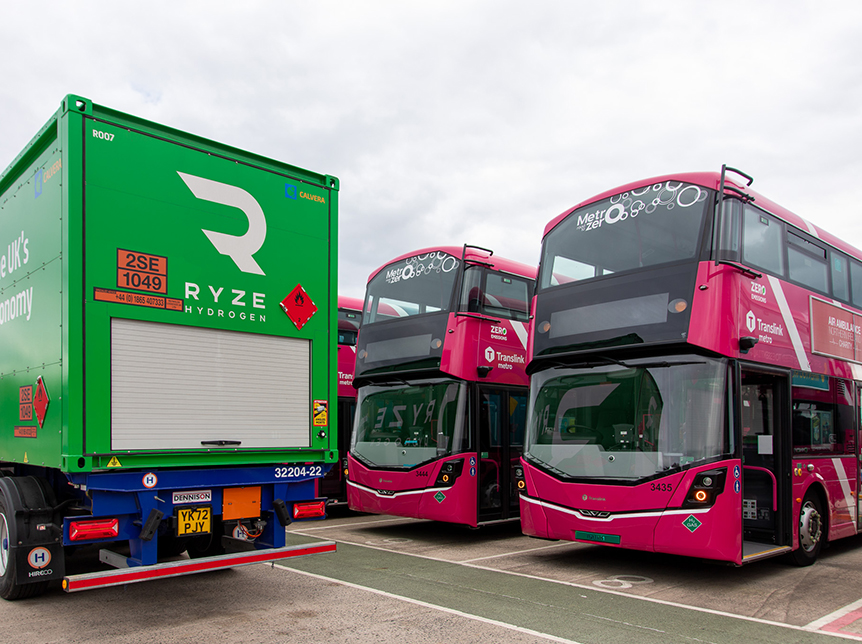
Hydrogen Fuel Cell Vehicles and the Future of Clean Transport in the UK
Read on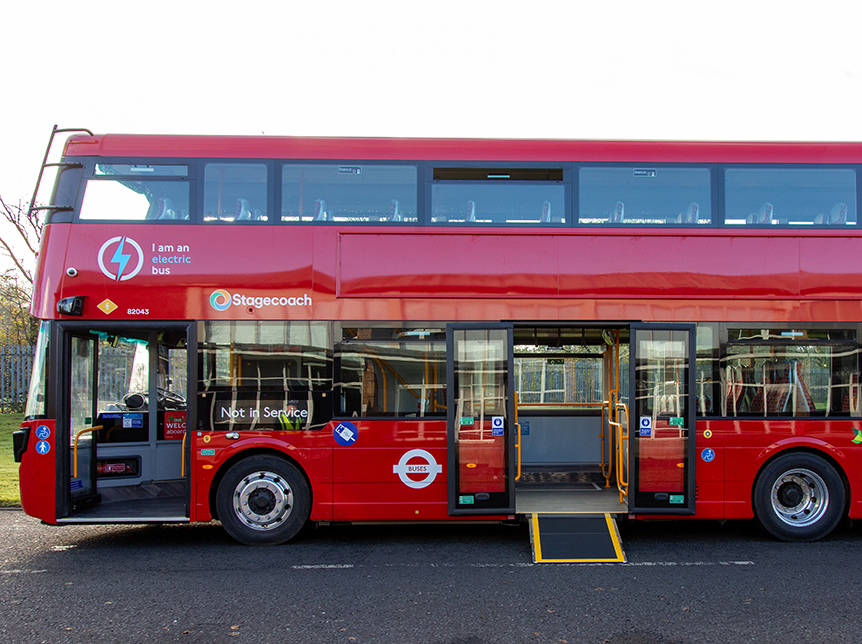
Electric Buses UK: Electric Double-Decker Bus & Bus Dimensions Guide
Read on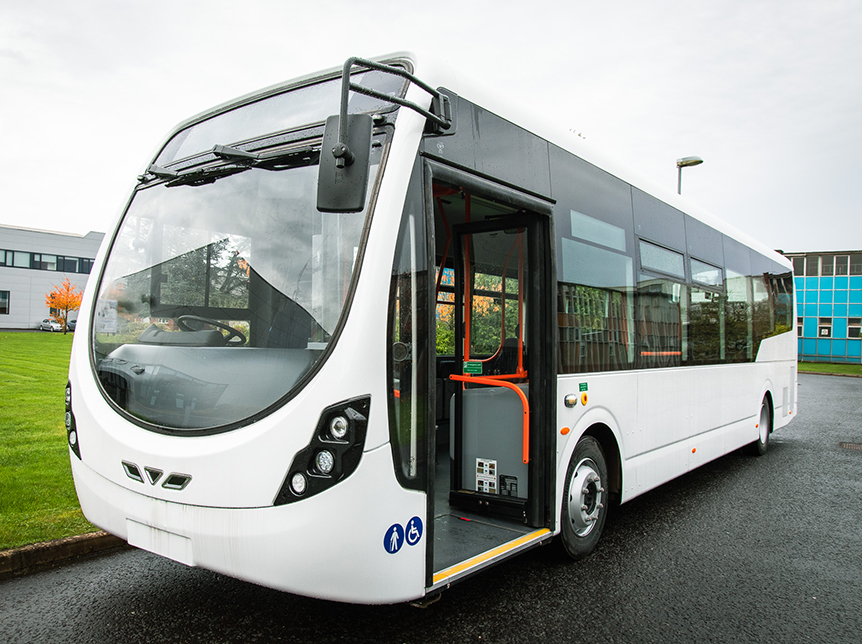
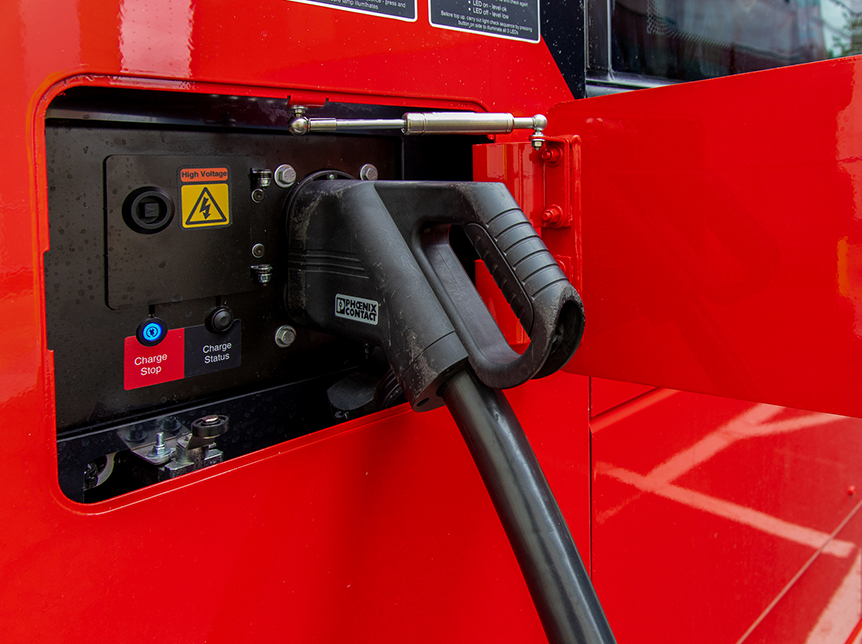
The Double Decker Electric Buses: Revolutionizing Urban Transportation
Read on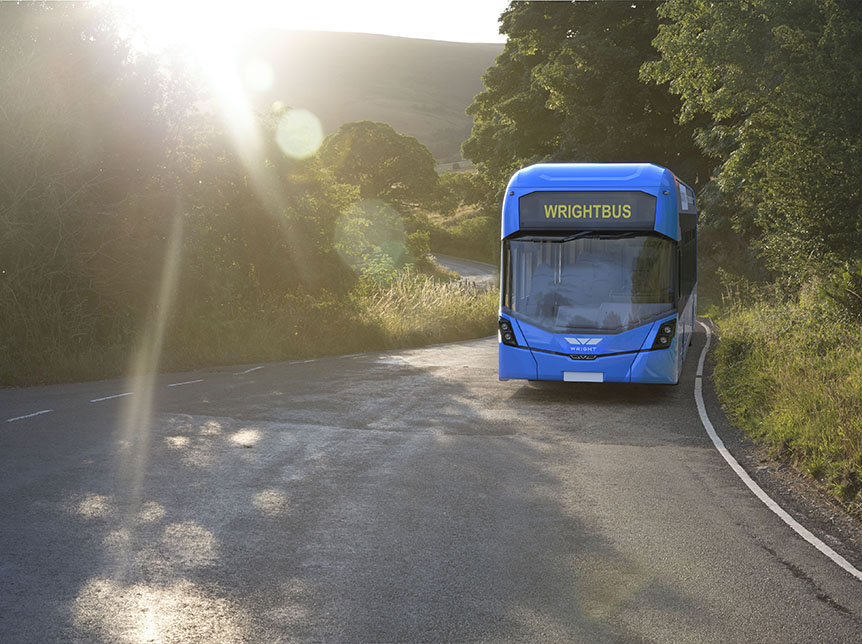
Single Decker Electric Buses: Paving the Way for Sustainable Public Transport
Read on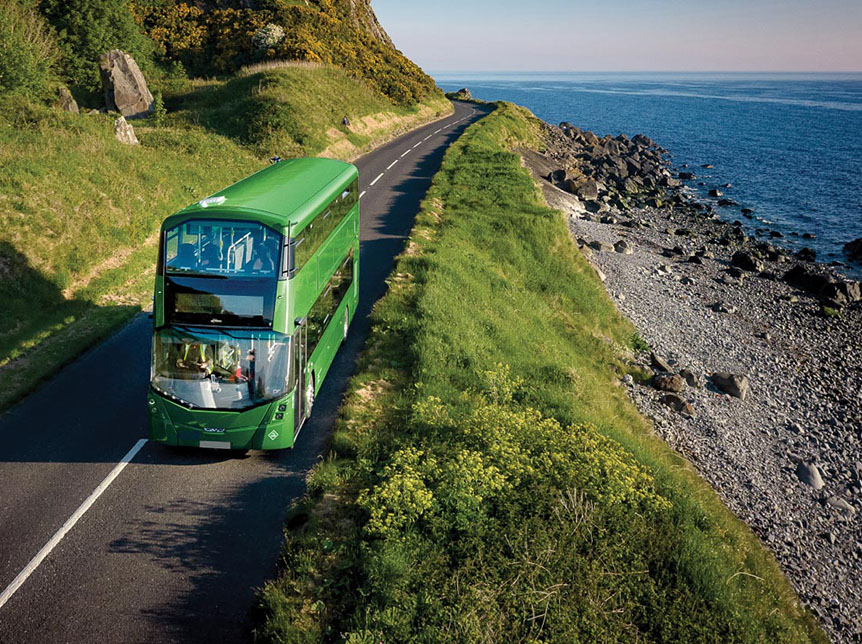
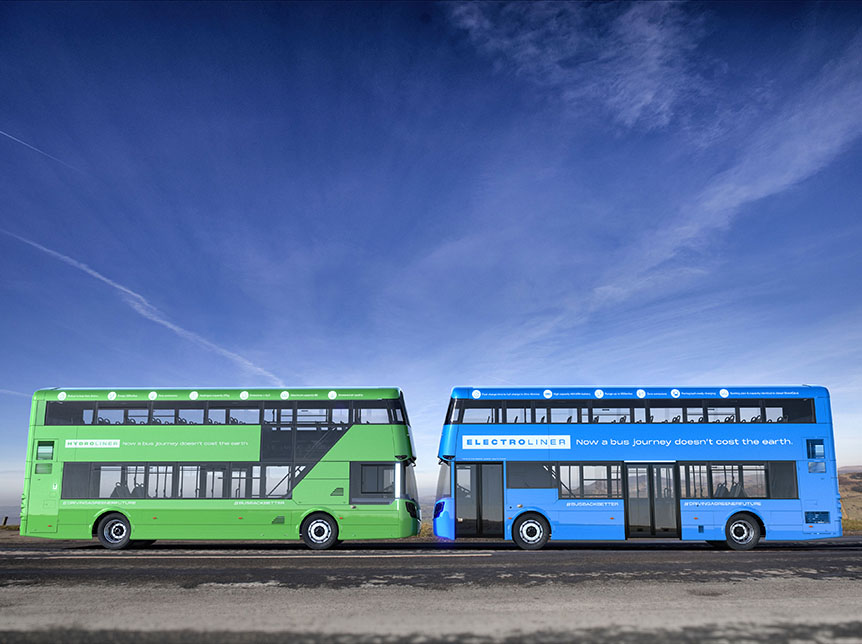
Electric Buses and Hydrogen Vehicles: Driving the Future of Sustainable Transportation
Read on
Hybrid Buses: The Future of Sustainable Double Decker Transportation
Read on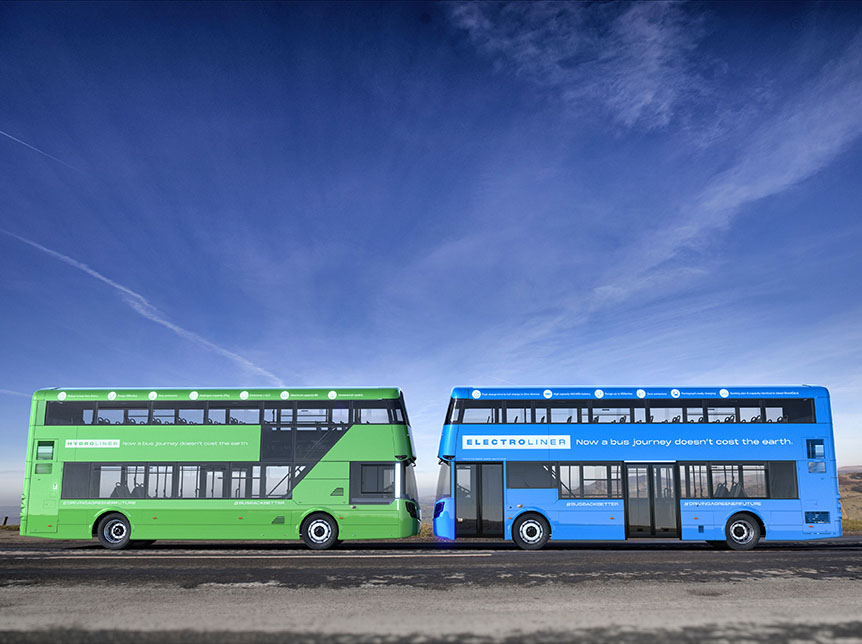
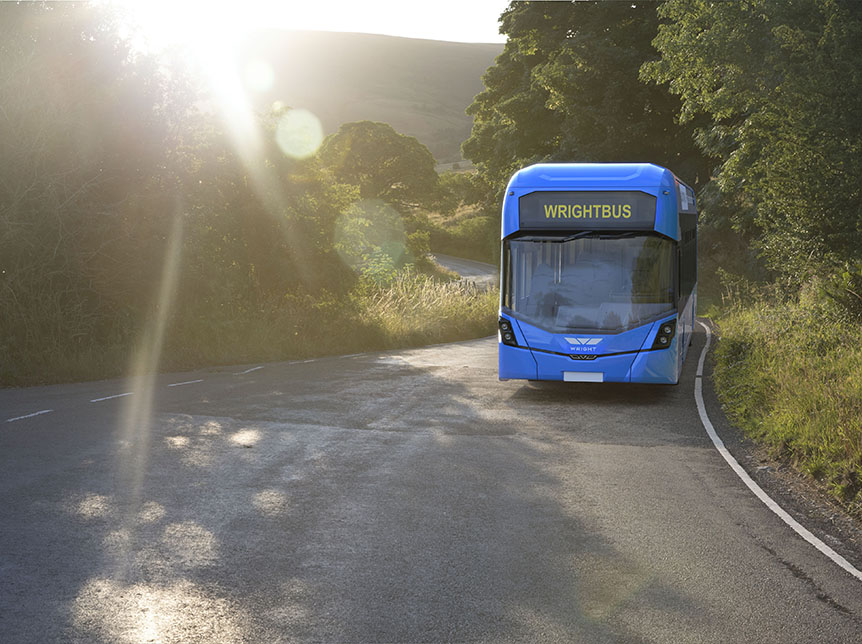
The Future of Public Transit: Single Decker Buses and Hydrogen Fuel Cell Vehicles
Read on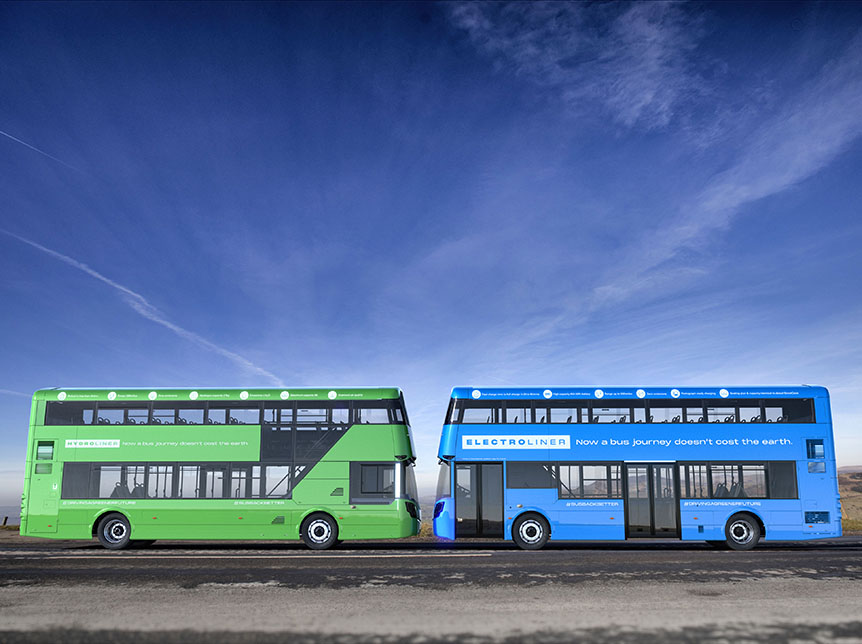
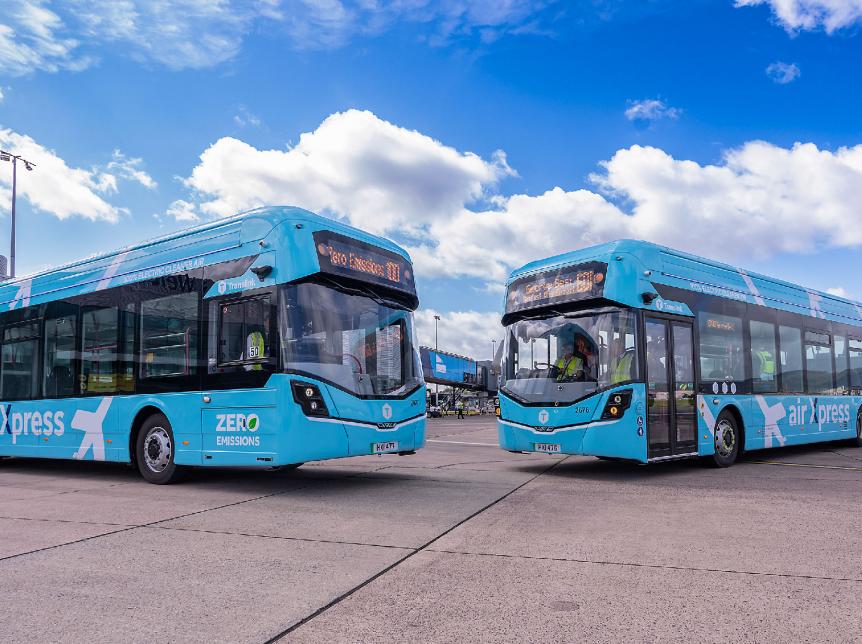
Exploring the Future of Transportation: Battery Electric Vehicles and Double Decker Buses
Read on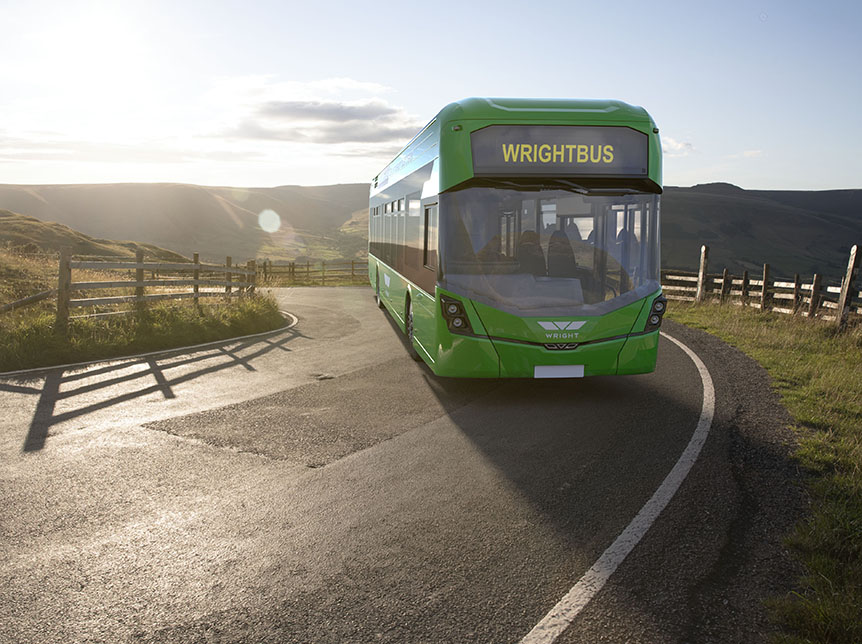
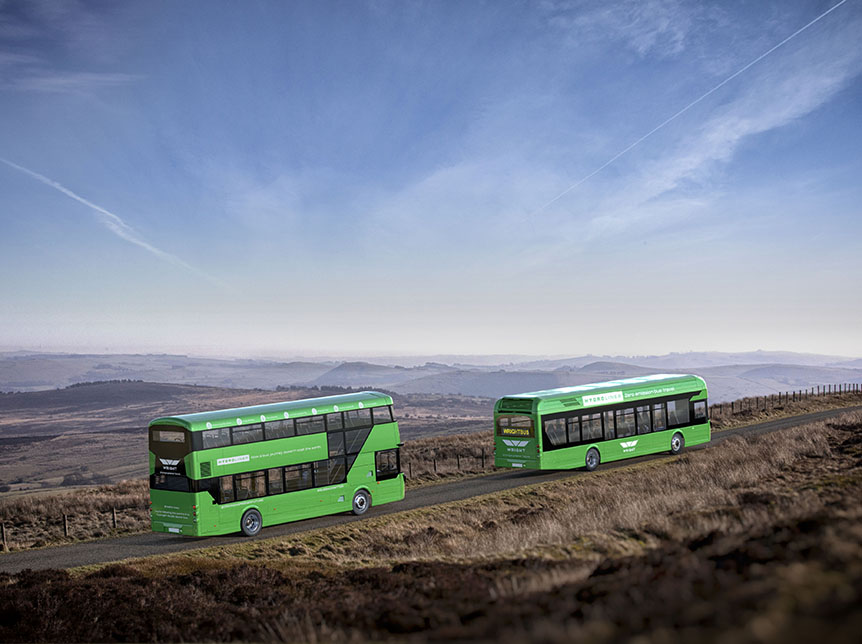
Navigating Urban Landscapes: The Versatility of Single Deck Buses and Double Deck Buses
Read on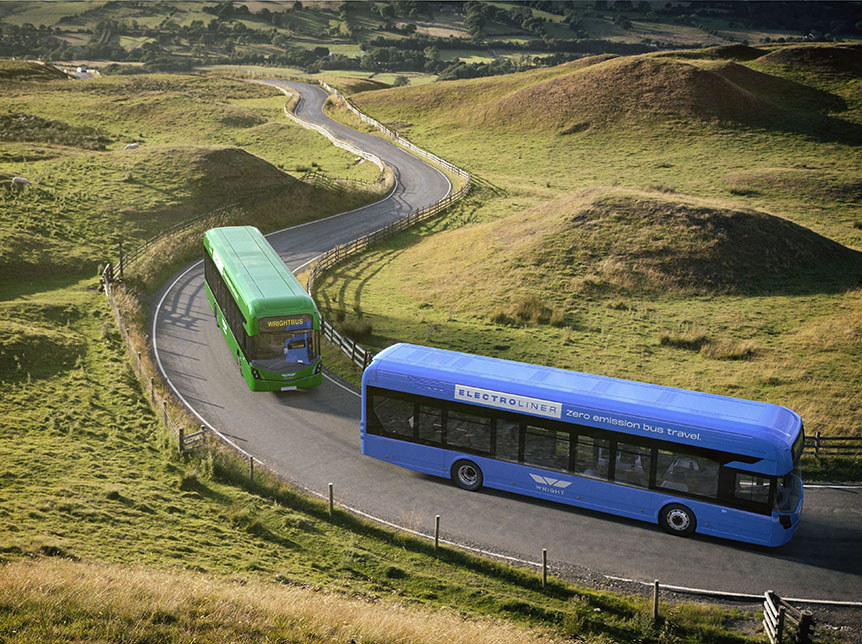

Get in touch
Wrightbus has been at the forefront of transport innovation since 1946, relentlessly pushing the boundaries with its commitment to quality, style and safety.