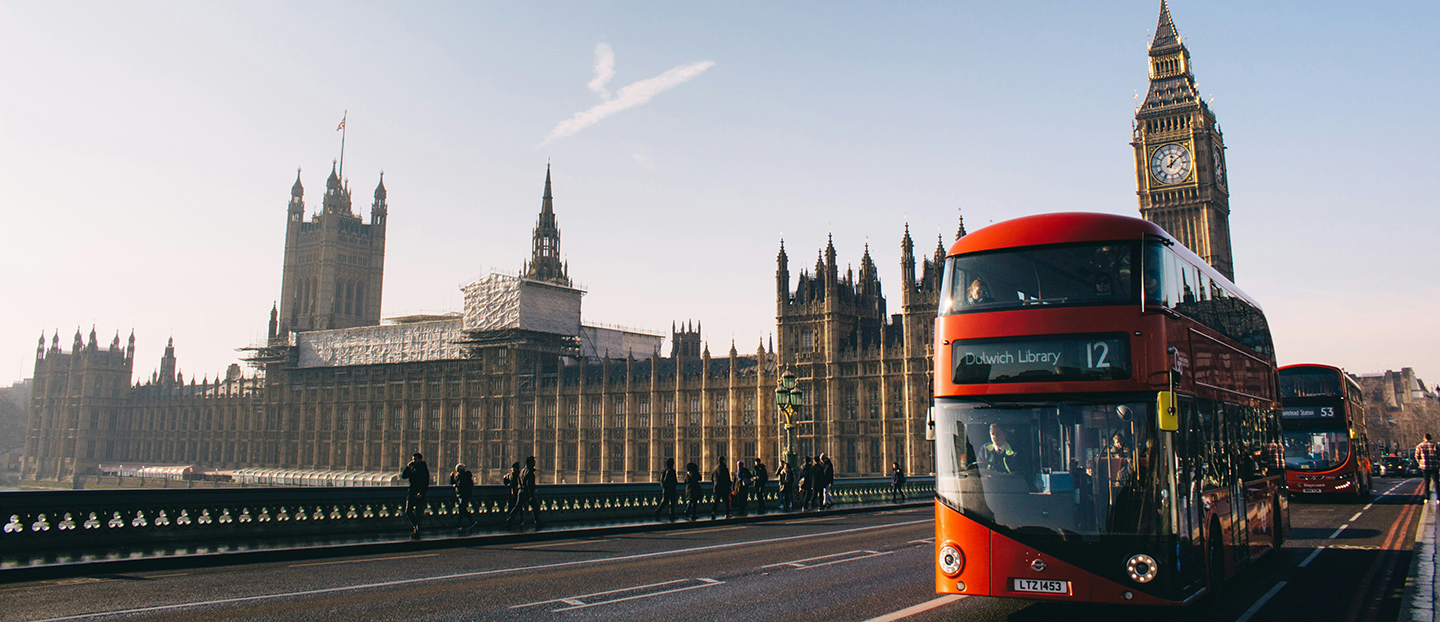
The transport sector in the UK is undergoing a major transformation, with London electric buses and advanced electric bus manufacturers playing a central role in building cleaner and more sustainable cities. London is one of the leading cities for zero-emission bus deployment, replacing older diesel fleets with modern battery-electric and hydrogen fuel cell alternatives.
Growth of London Electric Buses
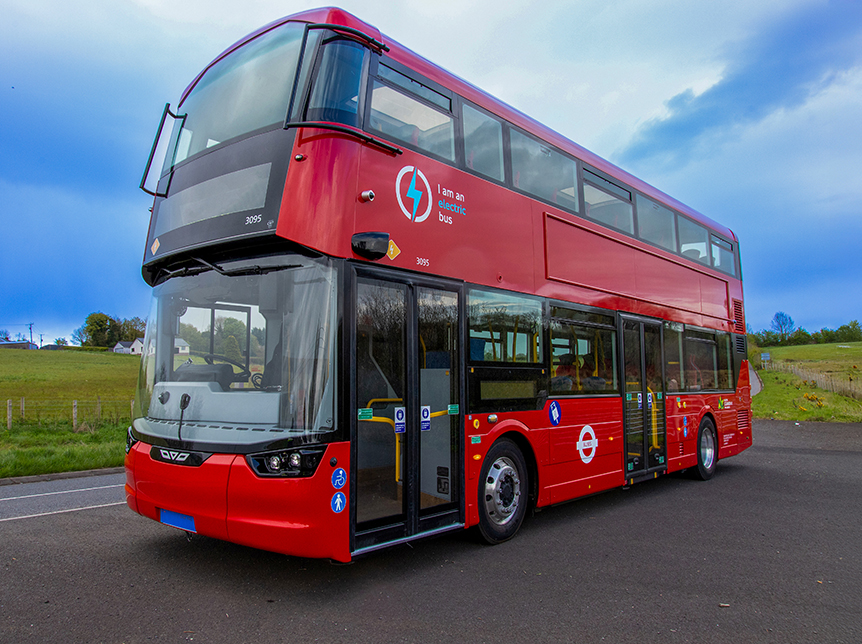
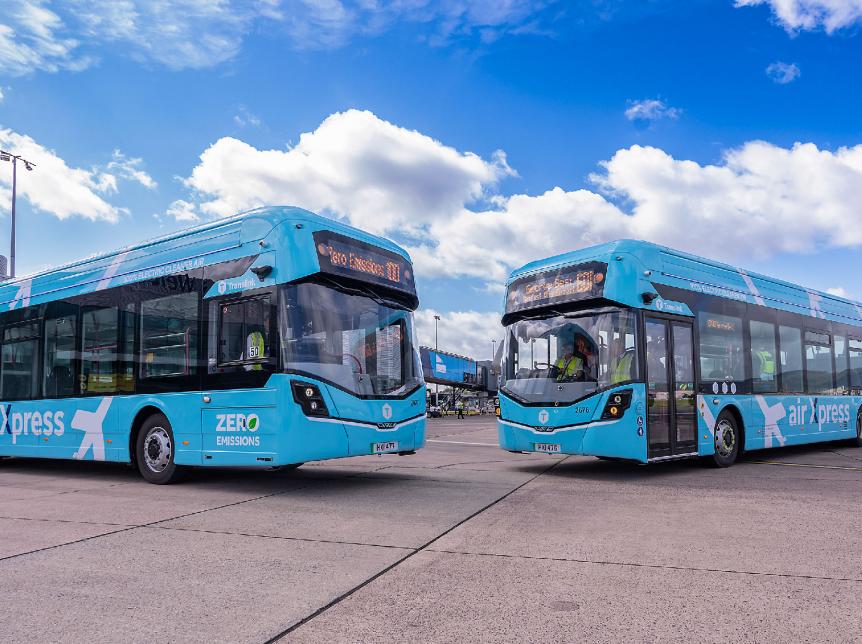
The expansion of London electric buses is one of the most visible signs of the UK’s commitment to reducing carbon emissions. London has steadily introduced battery-electric buses across multiple routes, especially in central and high-traffic urban zones.
These buses operate using large lithium-ion battery systems that power electric motors. Unlike diesel buses, they produce no tailpipe emissions, making them highly effective in reducing air pollution in densely populated areas.
Key benefits of electric buses in London include:
- Zero tailpipe emissions
- Reduced noise pollution
- Lower operating and maintenance costs
- Improved passenger comfort
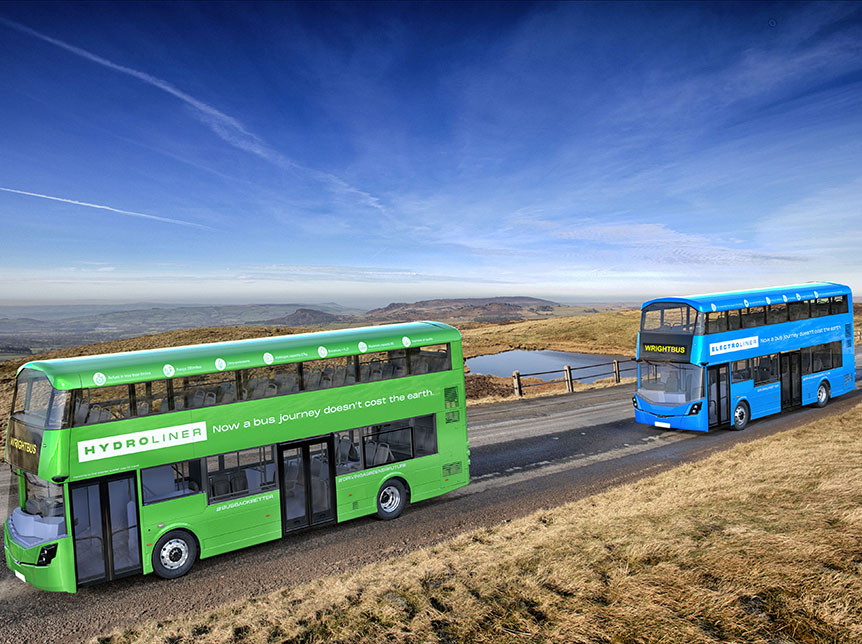
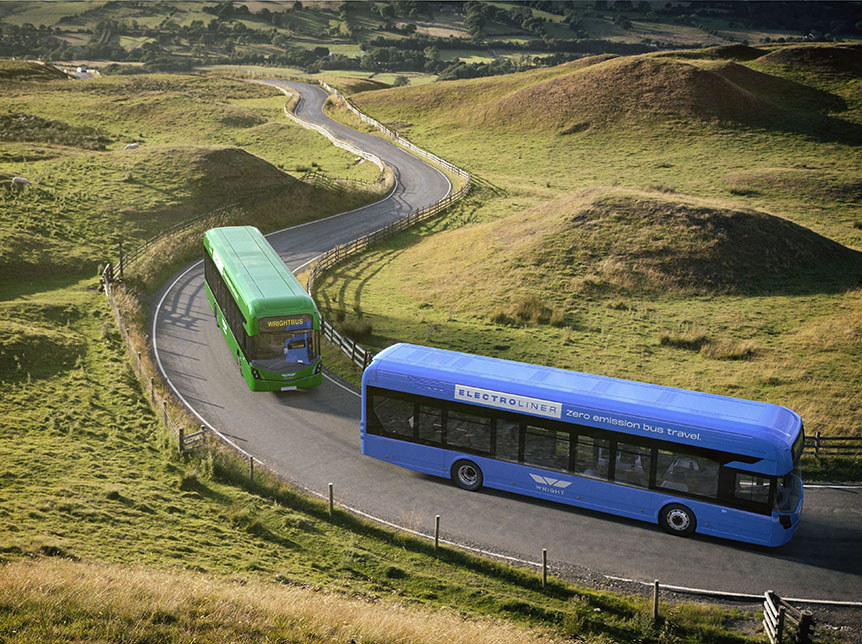
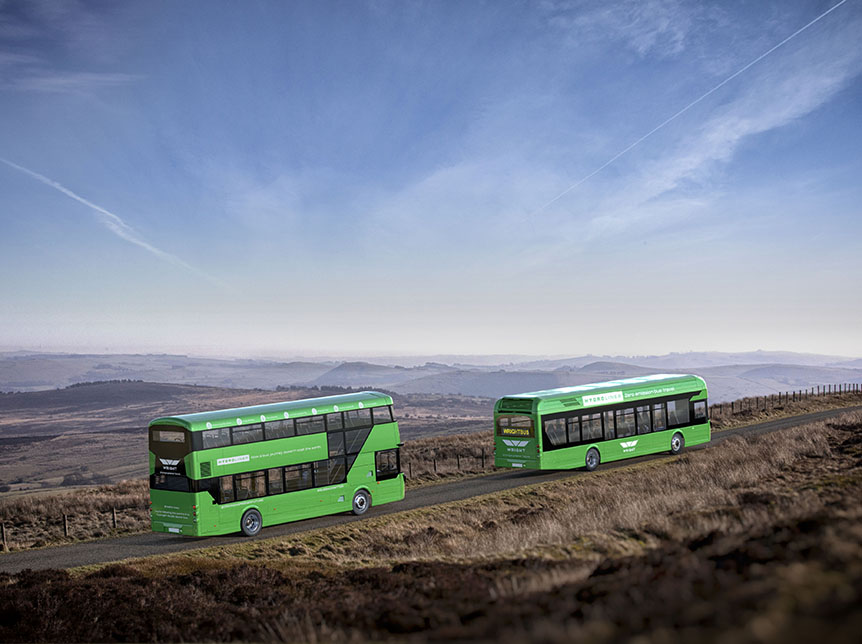
Electric buses are increasingly being deployed on both single-decker and double-decker routes, supporting high-capacity commuter demand.
London Buses Electric Transition Strategy
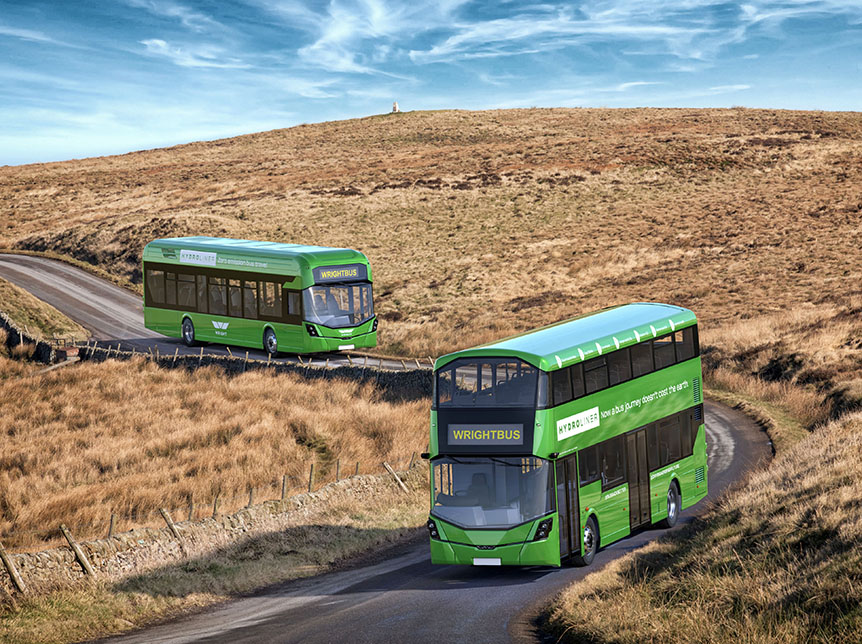
The shift towards London electric buses is part of a broader transport decarbonisation plan. London’s transport authority is actively working to phase out diesel buses and replace them with zero-emission alternatives, including battery-electric and hydrogen fuel cell buses.
Major elements of this transition include:
- Electrification of bus depots across the city
- Introduction of long-range battery buses for full-day operations
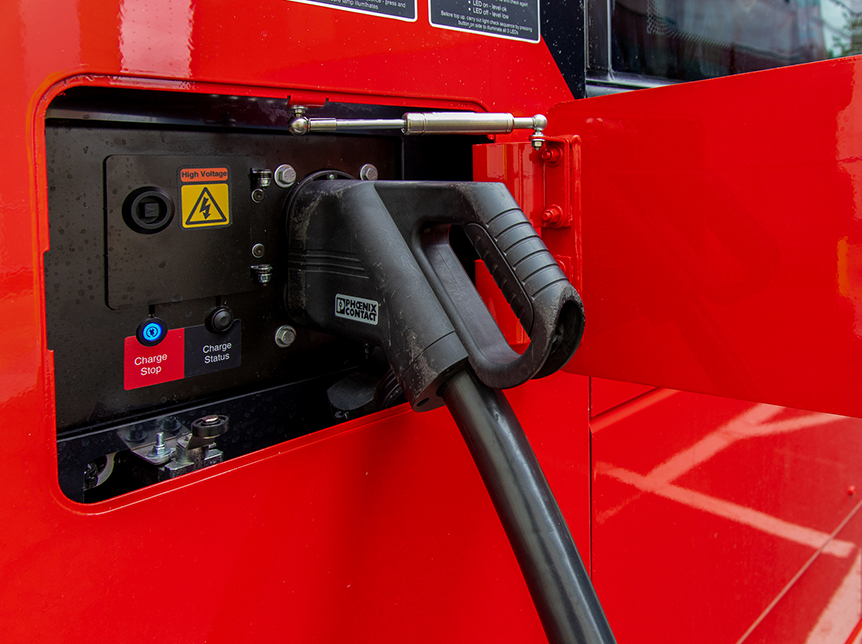
- Expansion of charging infrastructure
- Gradual replacement of older diesel fleets
The focus is not only on environmental sustainability but also on improving operational efficiency and passenger experience.
UK Bus Manufacturer Industry
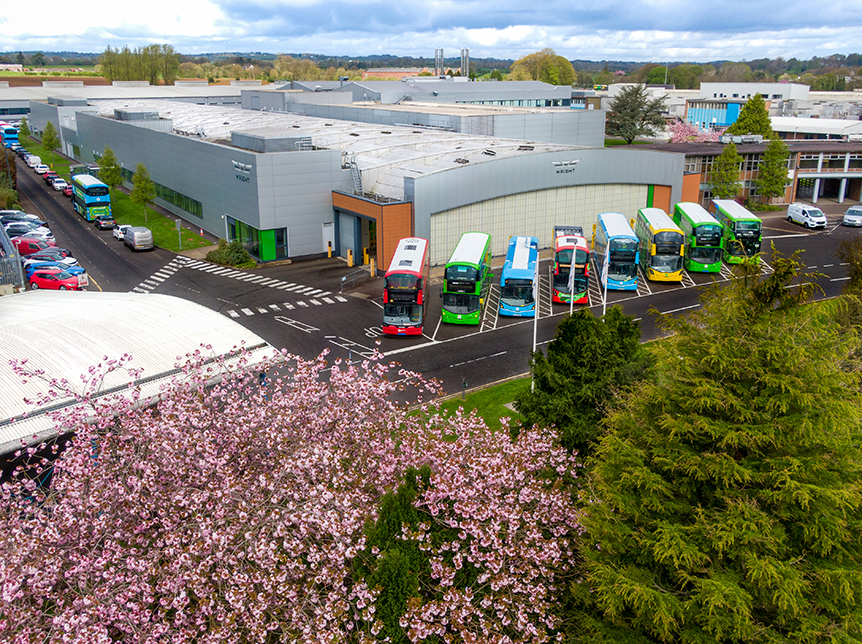
The UK bus manufacturer sector plays a crucial role in supporting this transition. UK manufacturers are developing advanced electric and hydrogen buses designed specifically for urban transport needs.
One of the key strengths of the UK industry is its combination of design, engineering, and integration capabilities. Many buses are designed and assembled in the UK, even when using global electric drivetrains or battery systems.
Leading UK bus manufacturing capabilities include:
- Electric bus design and assembly
- Hydrogen fuel cell integration
- Lightweight chassis engineering
- Double-decker bus innovation
These capabilities have helped the UK remain a strong competitor in the global clean transport market.
Electric Bus Manufacturers Driving Innovation
The rise of electric bus manufacturers has accelerated the global shift towards zero-tailpipe-emission mobility. These manufacturers are focused on producing high-performance electric buses that meet the demands of modern public transport systems.
Key areas of innovation include:
- High-capacity battery systems for longer routes
- Fast and overnight depot charging solutions
- Lightweight materials for better energy efficiency
- Regenerative braking systems
Many UK cities, including London, rely on both domestic and international manufacturers to meet fleet electrification targets.
London’s Role in Global Electric Bus Adoption
London has become a model city for electric bus deployment. Its large-scale adoption of electric buses has influenced other cities across Europe and beyond.
The city’s strategy includes:
- Scaling up fully electric bus routes
- Integrating renewable energy for charging infrastructure
- Supporting research in zero-emission vehicle technology
As a result, London is not just adopting electric buses—it is shaping global standards for sustainable urban transport.
Future of Electric Bus Manufacturing in the UK
The future of electric bus manufacturers in the UK looks promising, with increasing demand for zero-emission fleets. Manufacturers are investing in next-generation technologies such as improved lithium-ion batteries, battery-management systems, lightweight structures and hydrogen fuel cell systems.
The UK is also expected to expand exports of electric buses to international markets, strengthening its position in the global clean transport industry.
Conclusion
The growth of London electric buses reflects a major shift towards sustainable urban mobility. Supported by a strong UK bus manufacturing industry and innovative electric bus manufacturers, London continues to build a cleaner, quieter and more efficient public transport system.
- What are London electric buses?
London electric buses are battery-powered public transport vehicles that operate without diesel engines, producing zero tailpipe emissions. - Why is London switching to electric buses?
London is switching to electric buses to reduce air pollution, cut carbon emissions, and improve air quality for residents. - What is the role of UK bus manufacturer companies?
UK bus manufacturers design, engineer, and assemble electric and hydrogen buses to support the country’s clean transport goals. - Who are the major electric bus manufacturers?
Electric bus manufacturers include UK-based and global companies that produce battery-electric and hydrogen buses for public transport systems. - Are electric buses widely used in London?
Yes, London has one of the largest electric bus fleets in Europe and continues to expand its zero-emission bus network. - How long do electric buses run on a single charge?
Most electric buses can operate for a full day on a single charge depending on route length, traffic, and weather conditions. - What are the benefits of electric buses?
They offer lower tailpipe emissions, reduced noise, potentially lower running costs, and improved passenger comfort compared to diesel buses.
Read more
Zero-Emission Vehicles and Double-Deck Coaches: The Future of Travel
Read on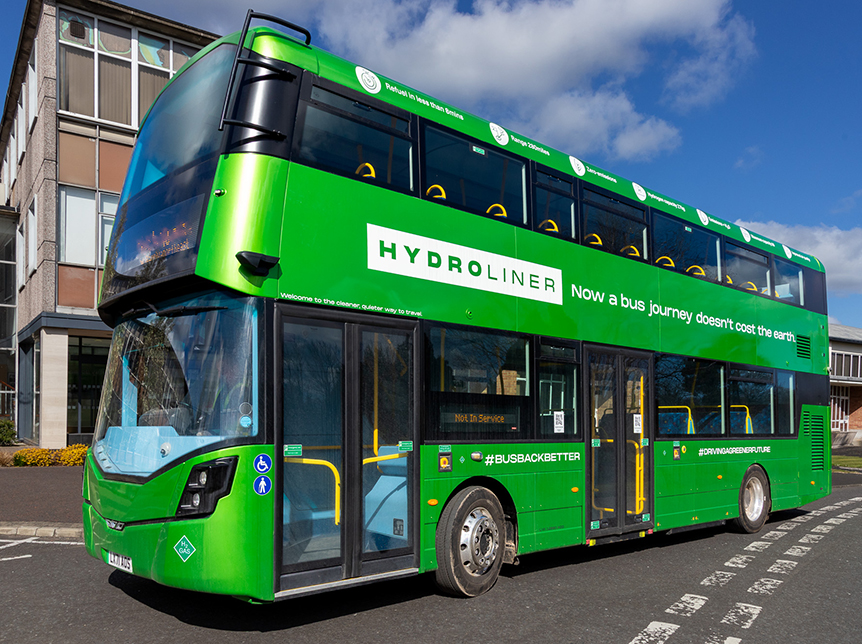
Hydrogen-Powered Vehicles and Double-Deck Articulated Bus Technology
Read on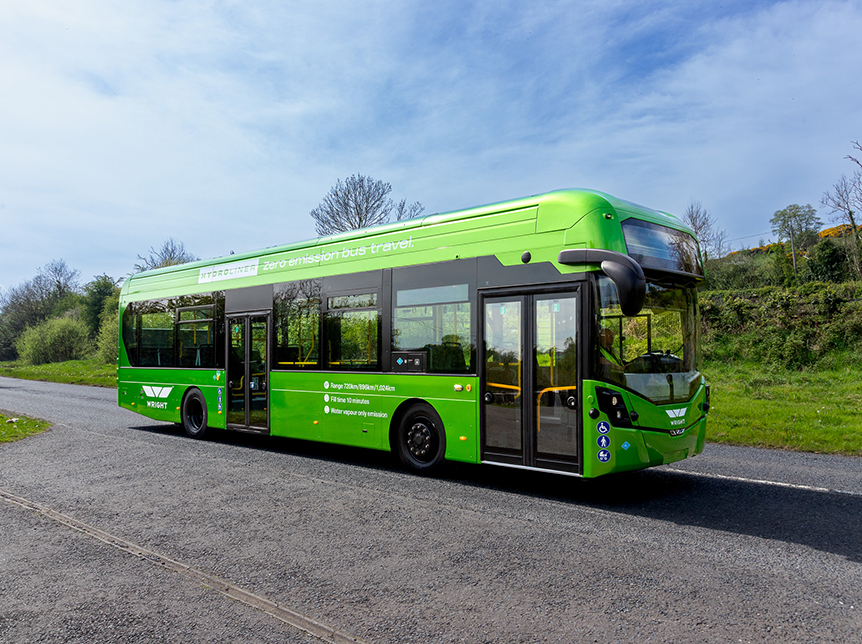
Hydrogen Fuel Cell Vehicles vs Hybrid Vehicles: Pros and Cons Explained
Read on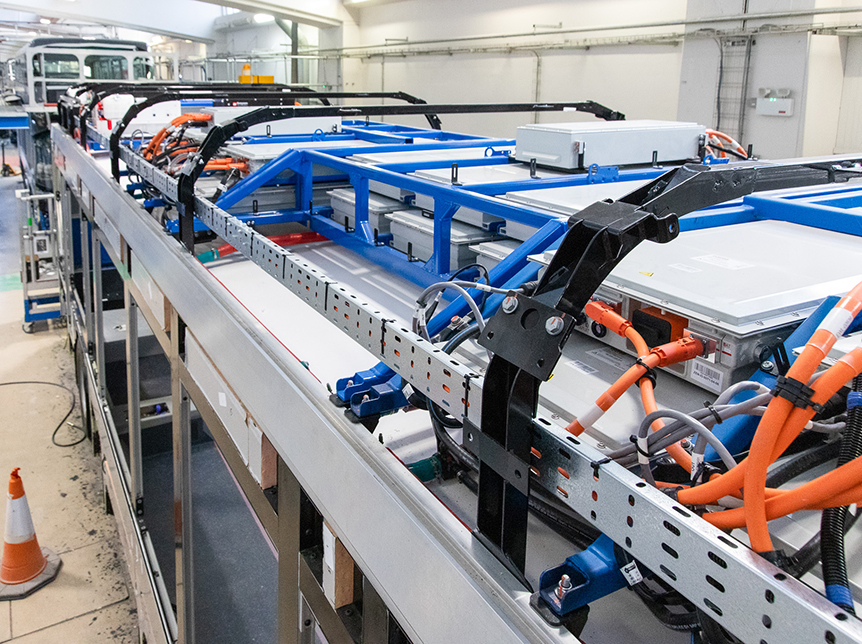
Bus Companies in the UK and the Growth of Electric Bus Manufacturing
Read on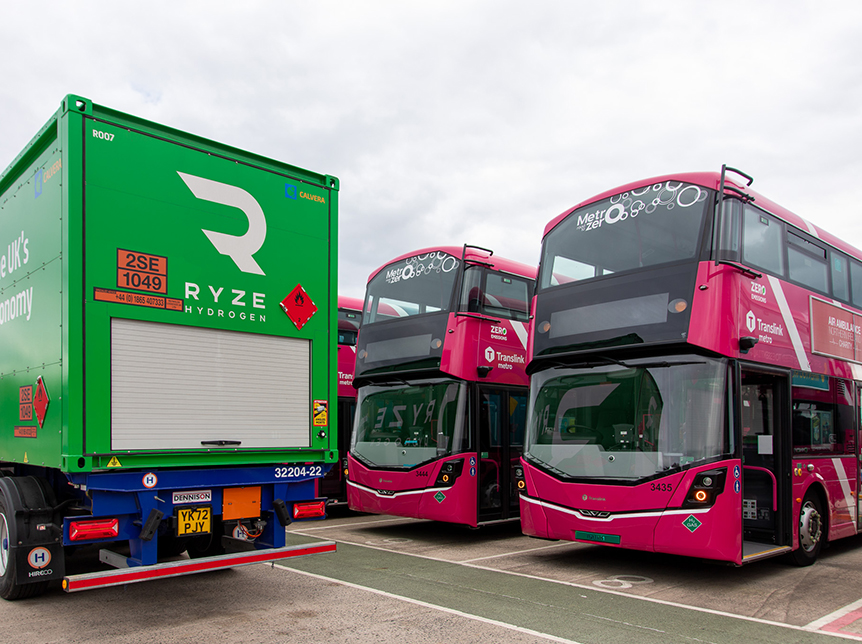
Hydrogen Fuel Cell Vehicles and the Future of Clean Transport in the UK
Read on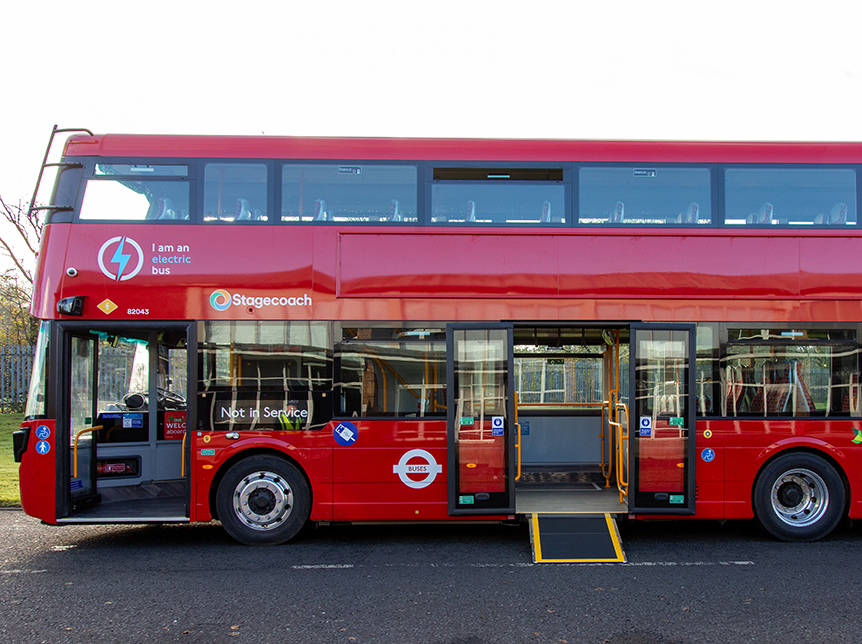
Electric Buses UK: Electric Double-Decker Bus & Bus Dimensions Guide
Read on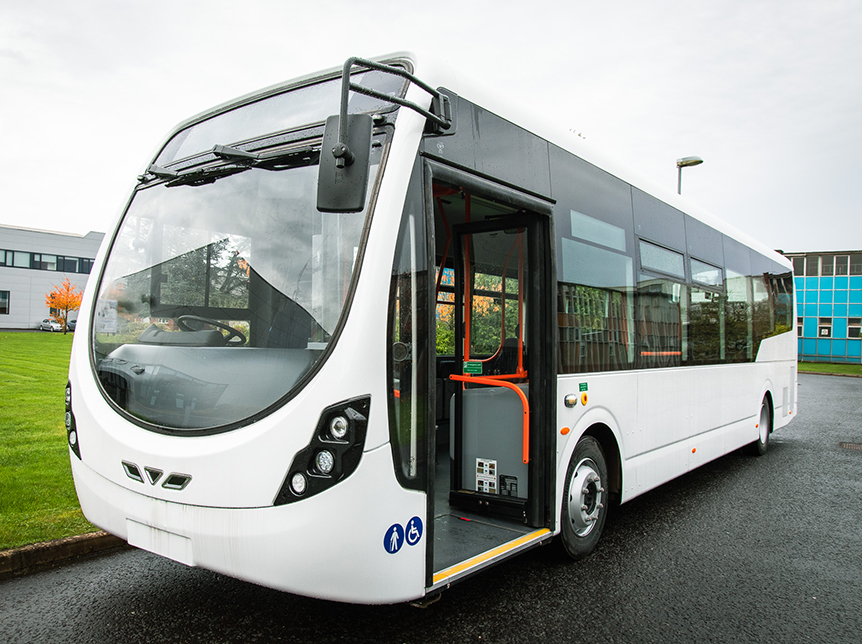
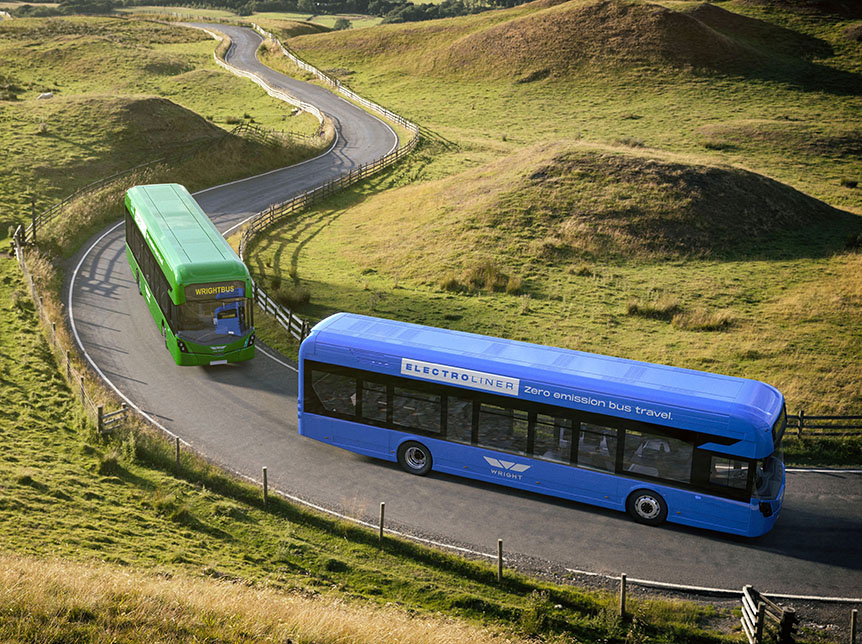
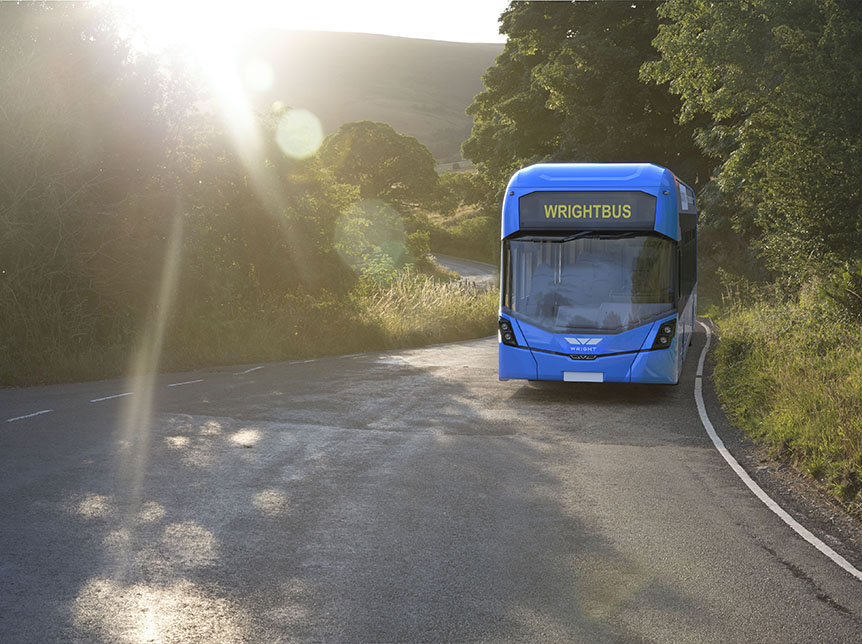
Single Decker Electric Buses: Paving the Way for Sustainable Public Transport
Read on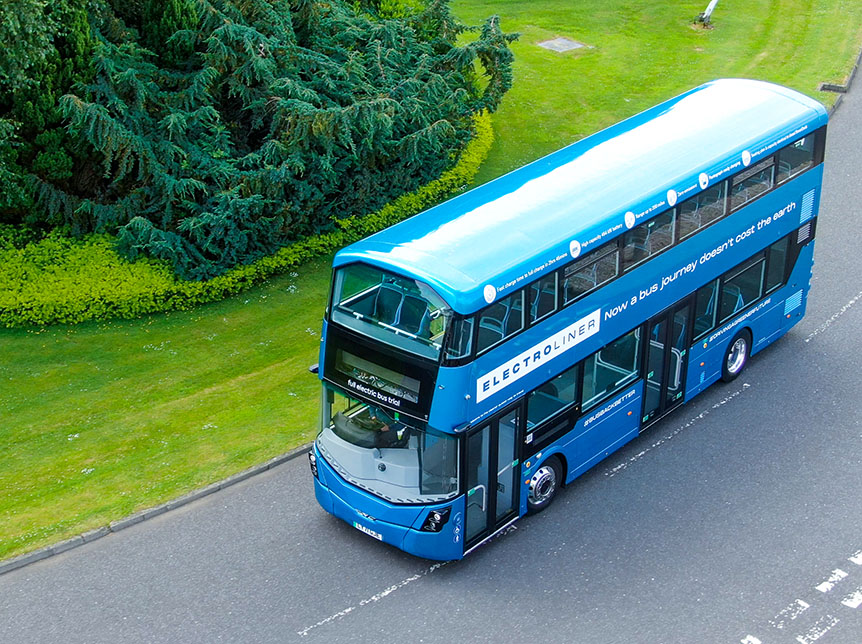
The Double Decker Electric Buses: Revolutionizing Urban Transportation
Read on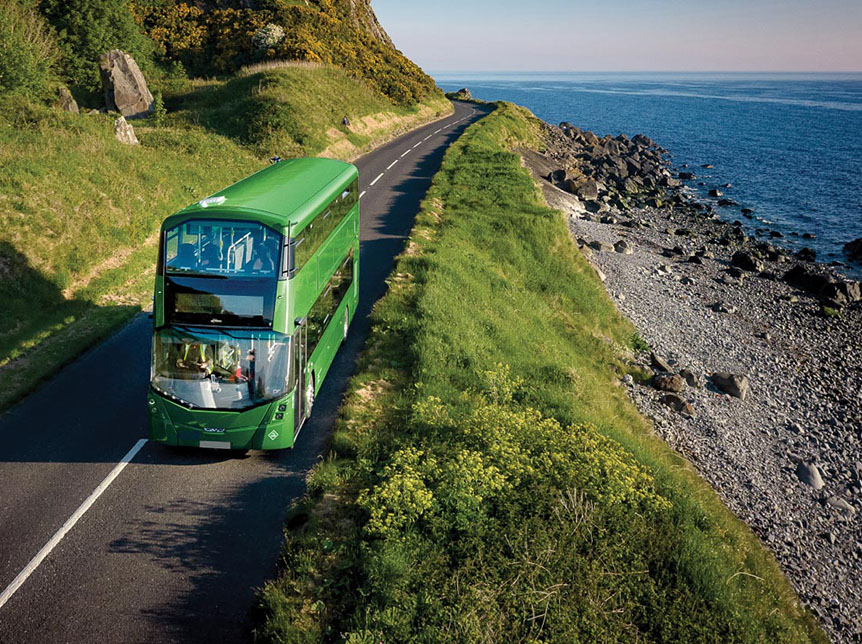
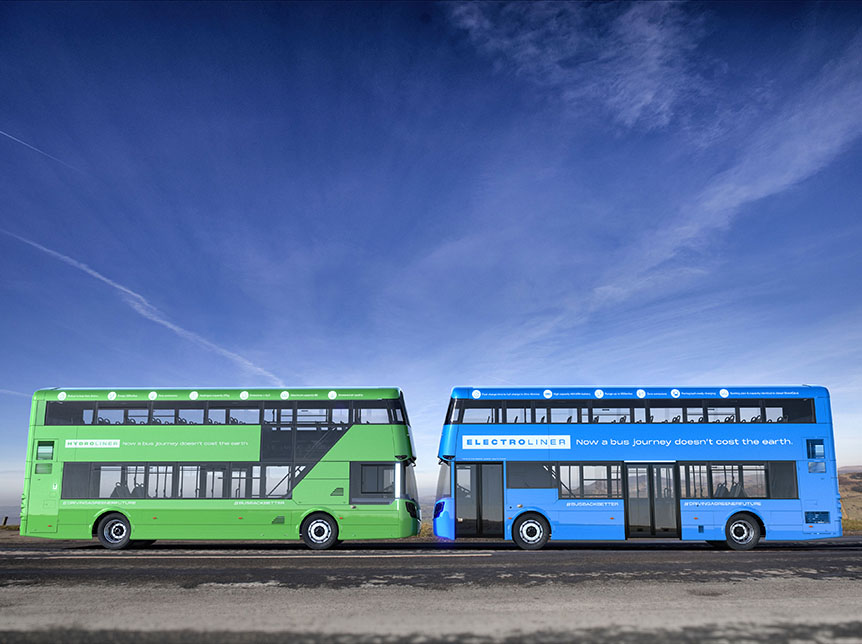
Electric Buses and Hydrogen Vehicles: Driving the Future of Sustainable Transportation
Read on
Hybrid Buses: The Future of Sustainable Double Decker Transportation
Read on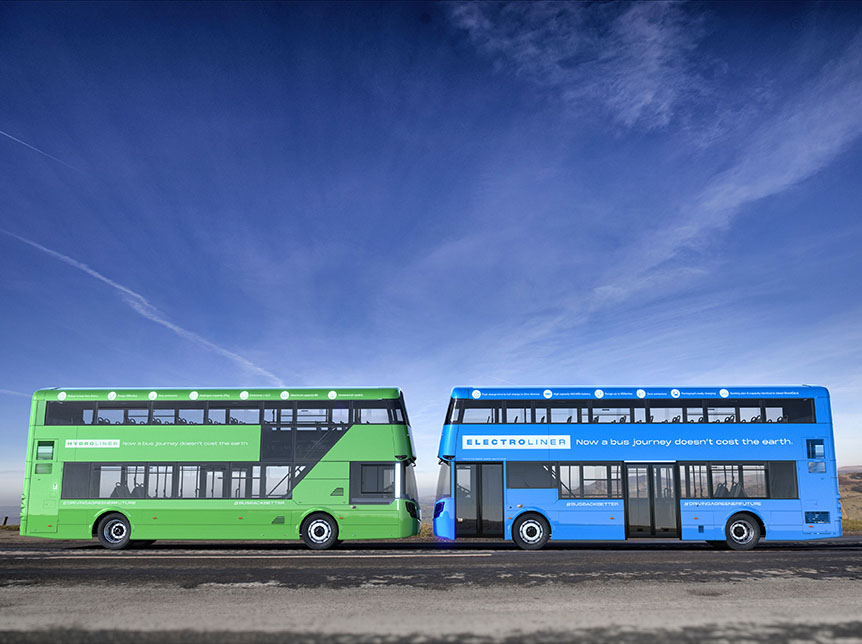
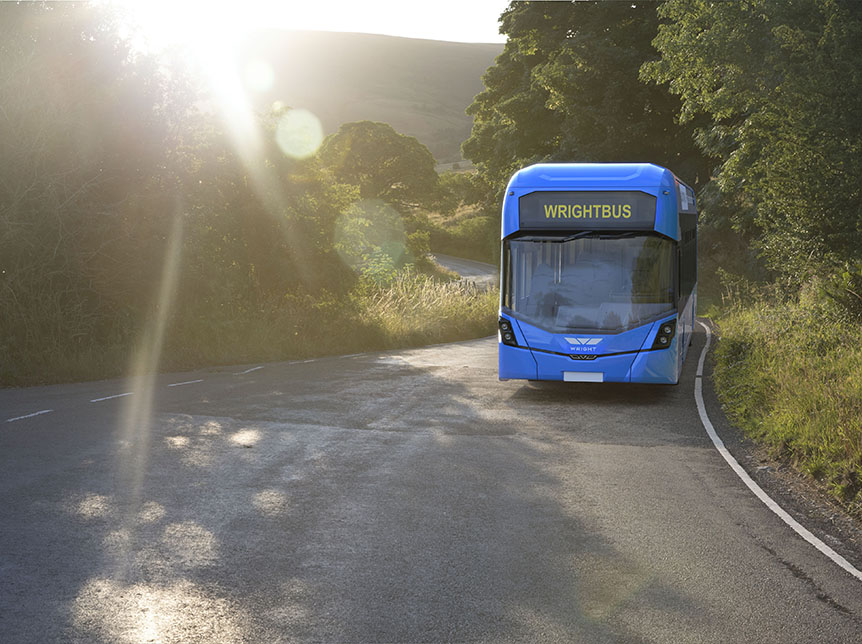
The Future of Public Transit: Single Decker Buses and Hydrogen Fuel Cell Vehicles
Read on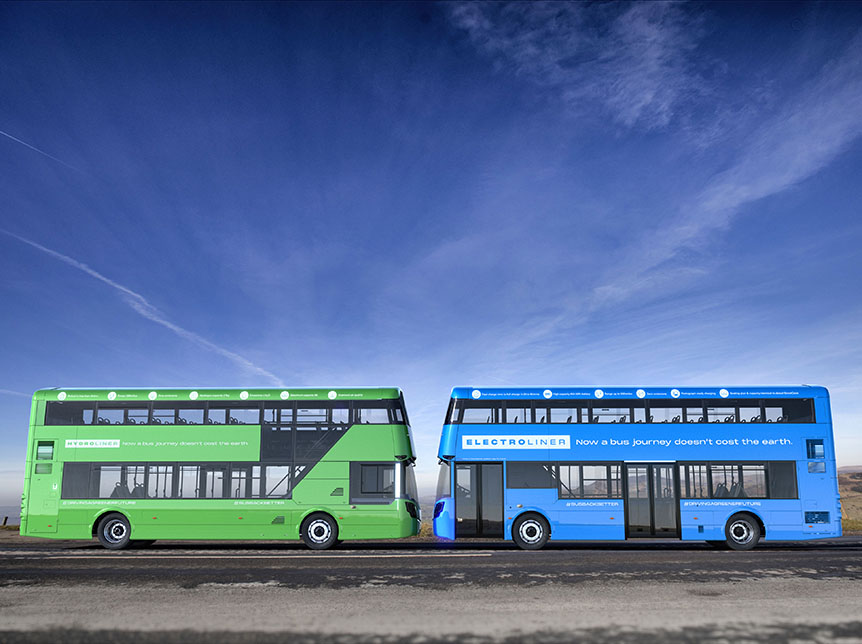
Exploring the Future of Transportation: Battery Electric Vehicles and Double Decker Buses
Read on
Navigating Urban Landscapes: The Versatility of Single Deck Buses and Double Deck Buses
Read on
Get in touch
Wrightbus has been at the forefront of transport innovation since 1946, relentlessly pushing the boundaries with its commitment to quality, style and safety.