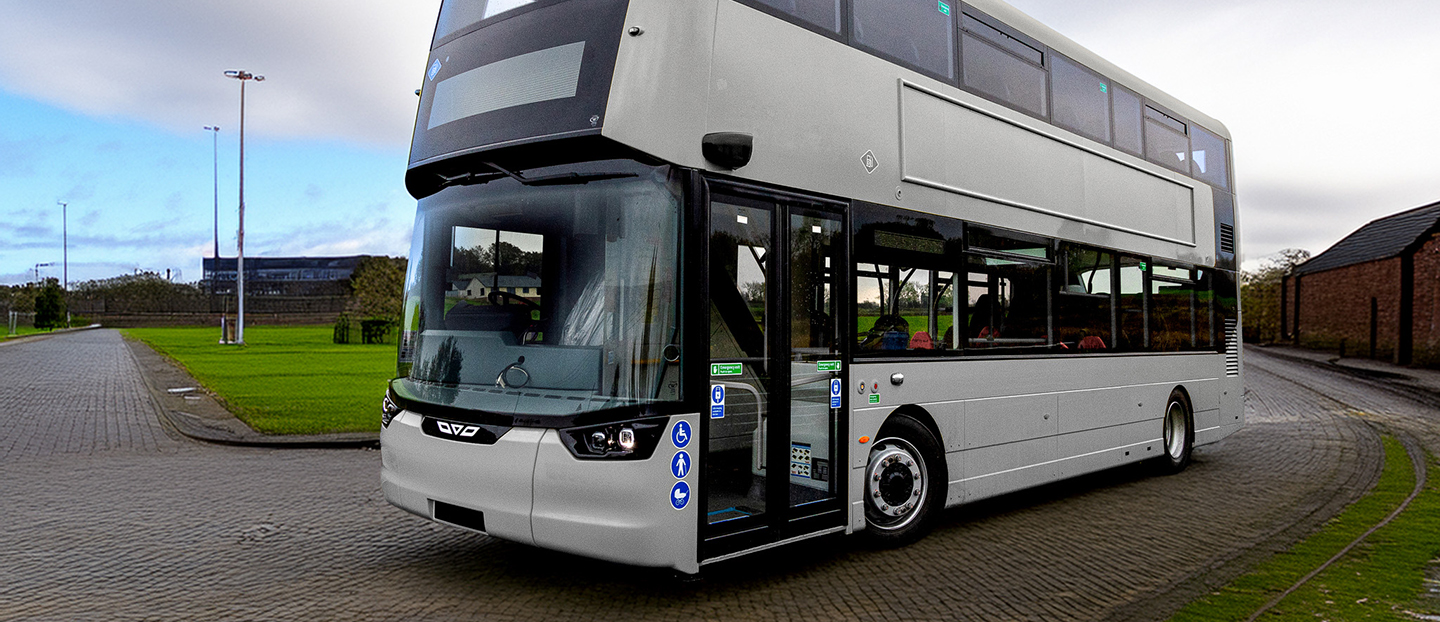
The UK transport sector is moving towards cleaner mobility as operators and authorities work to reduce air pollution and greenhouse-gas emissions. For bus companies in the UK, the transition requires vehicle technology, infrastructure and operating strategy to be considered together.
What Is a Low Emission Vehicle?
A low-emission vehicle produces lower emissions than an appropriate conventional baseline under the relevant assessment method. Battery-electric and fuel cell electric buses are normally classed as zero-emission at the tailpipe, while hybrids remain combustion-engine vehicles with reduced emissions potential rather than zero-emission vehicles.
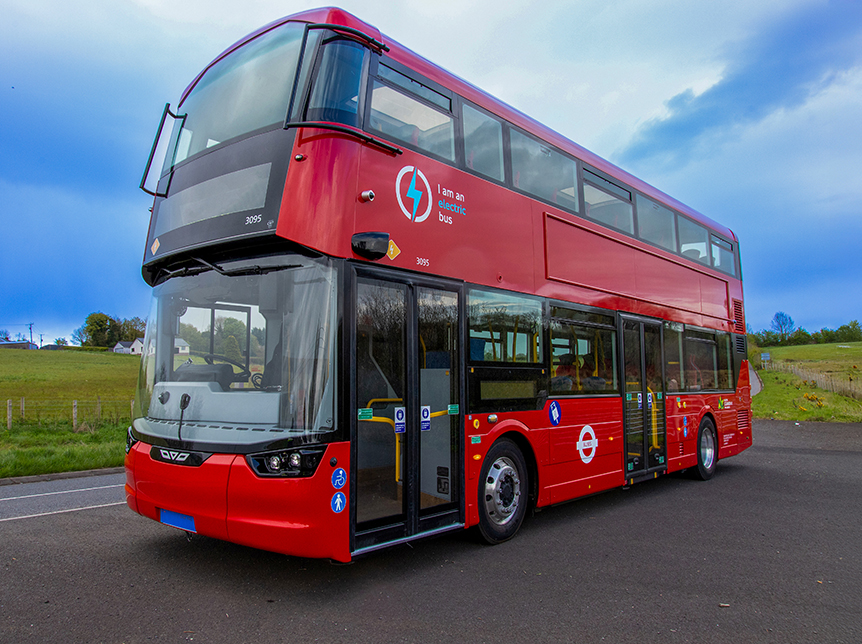
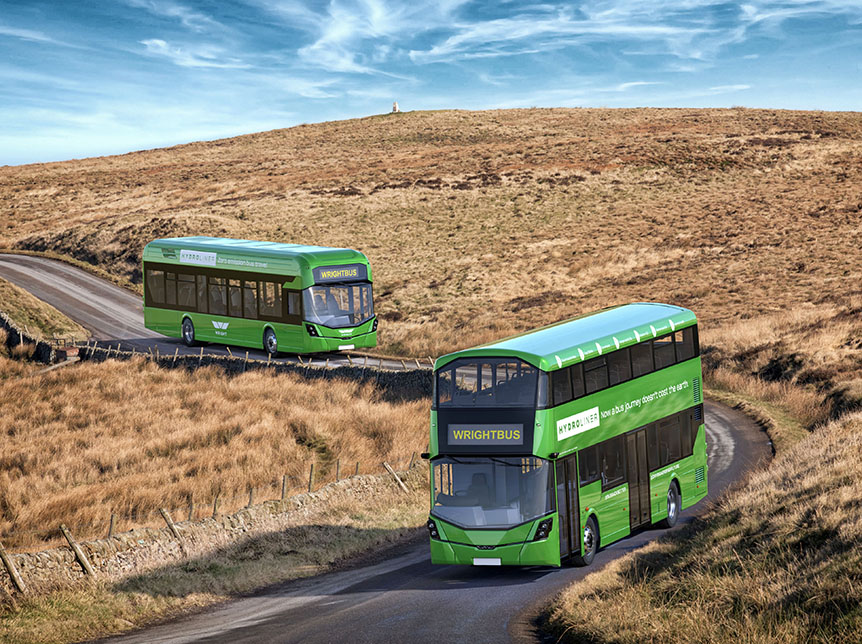
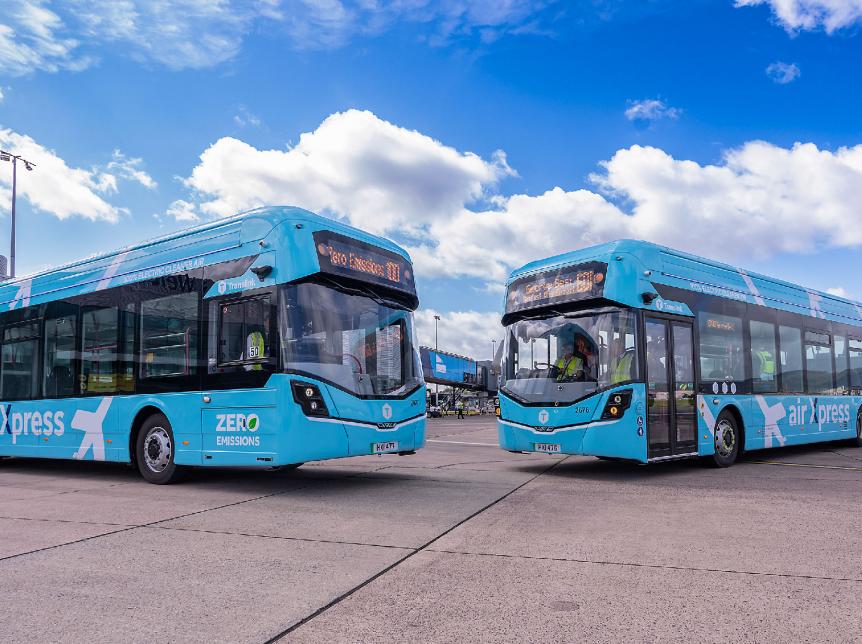
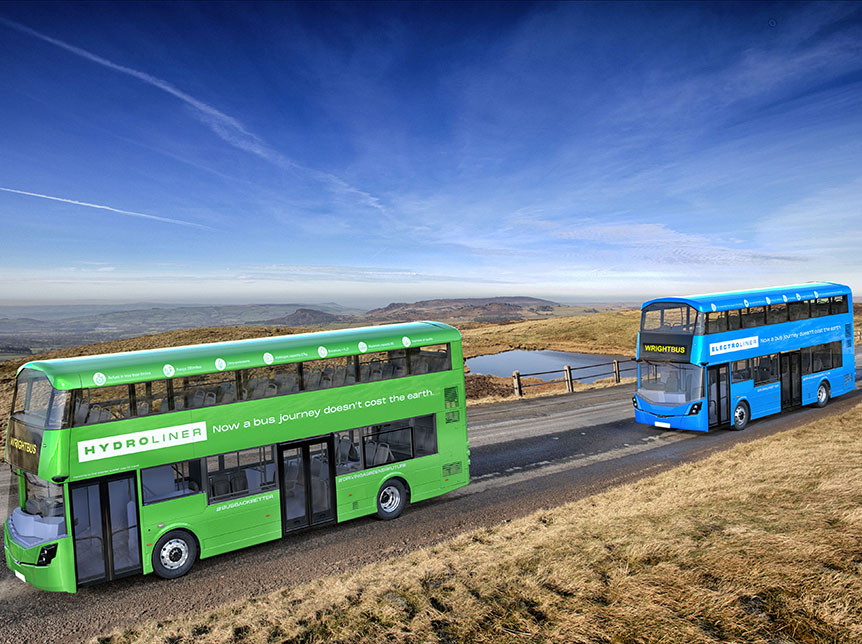
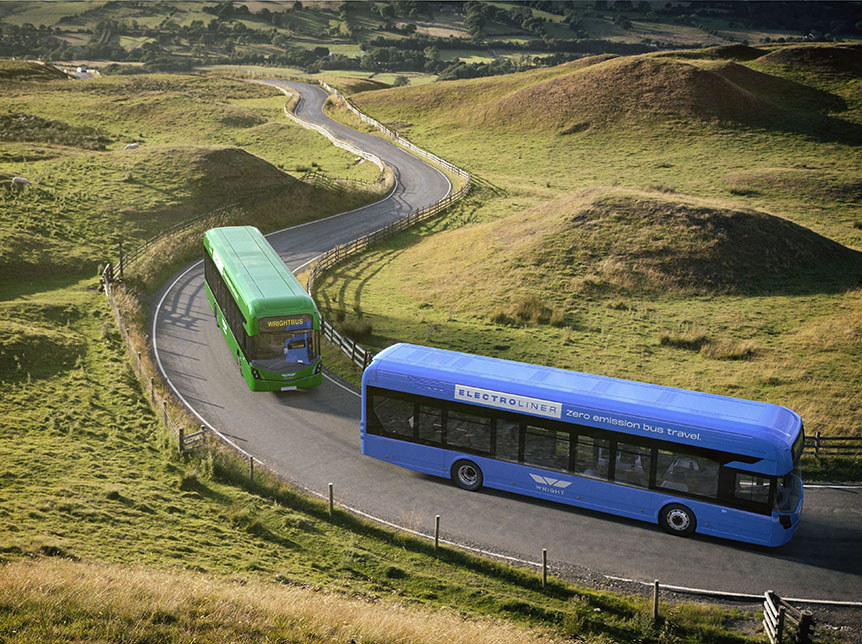
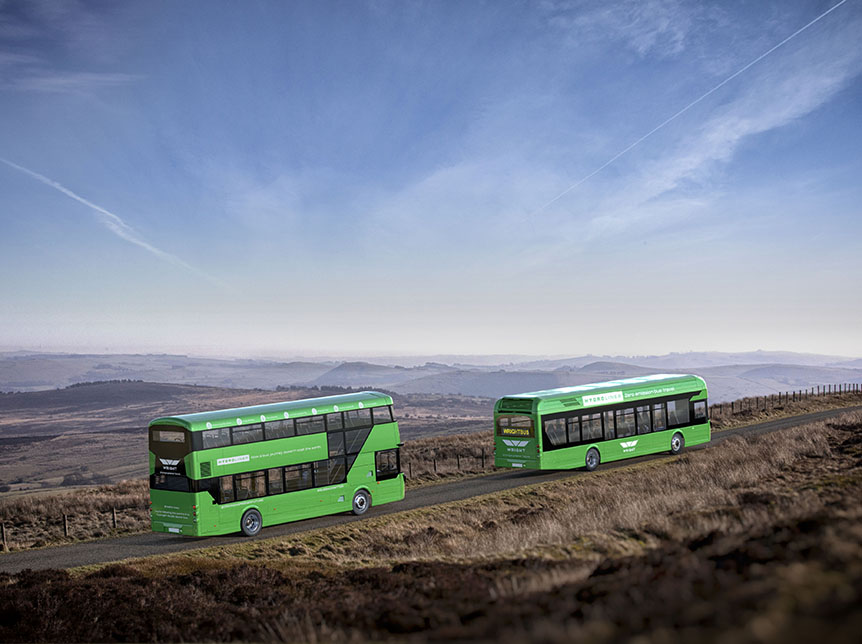
Battery-electric buses use traction batteries and electric motors and produce no tailpipe emissions during operation. Hydrogen fuel cell buses generate electricity on board and likewise produce no carbon dioxide from the fuel cell powertrain at the tailpipe. Hybrid buses combine an internal combustion engine with electric propulsion and can reduce fuel consumption and emissions depending on the duty cycle.
The most suitable technology depends on factors such as route length, passenger demand, operating schedules, charging or refuelling availability, and total ownership costs.
Why Low Emission Buses Matter
Buses can support lower-emission urban mobility because a single vehicle carries many passengers. Replacing higher-emitting buses with appropriately specified zero- or low-emission alternatives can reduce route-level tailpipe emissions, particularly on intensive urban services.
Battery-electric buses also reduce propulsion noise, particularly at low speeds, although total vehicle noise still includes tyres, road interaction, HVAC equipment and other auxiliaries.
Electric drivetrains have fewer mechanical components than conventional engine-and-transmission powertrains, but high-voltage batteries, power electronics, thermal systems and charging equipment require specialist maintenance and diagnostics. Regenerative braking can recover part of the vehicle's kinetic energy during deceleration.
Challenges for Bus Companies in the UK
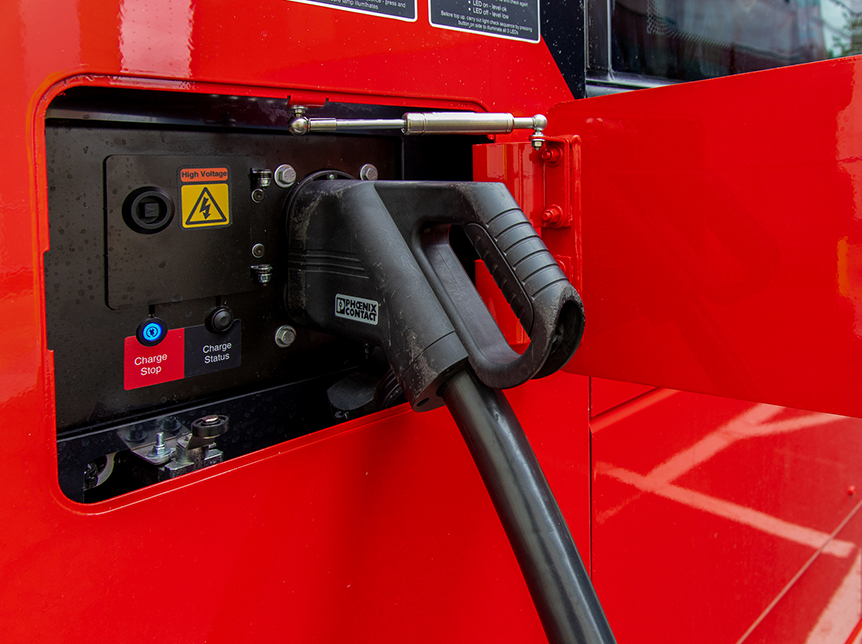
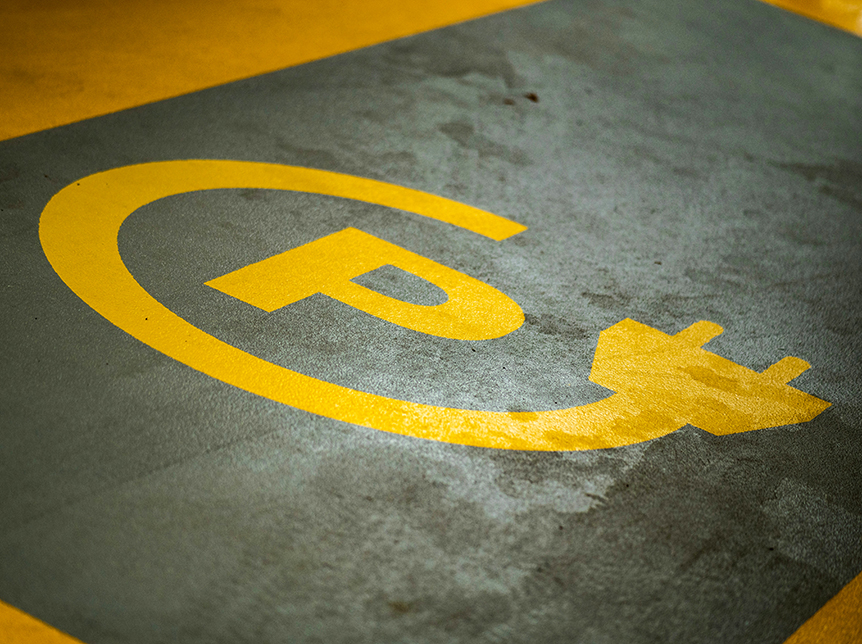
Fleet transition requires careful infrastructure planning. Battery-electric fleets need adequate grid connection and charging capacity, while hydrogen fuel cell fleets require a reliable hydrogen supply, appropriately designed refuelling facilities and robust safety systems.
Operators also need to assess vehicle range and daily operating schedules. Routes with long distances or limited opportunities for charging may require different solutions from shorter urban routes.
Vehicle acquisition cost can be higher than for a conventional diesel bus, and infrastructure investment can be substantial. Operators should therefore assess total cost of ownership, including energy, maintenance, infrastructure, financing, residual value, vehicle availability and expected service life.
Building Cleaner Bus Fleets
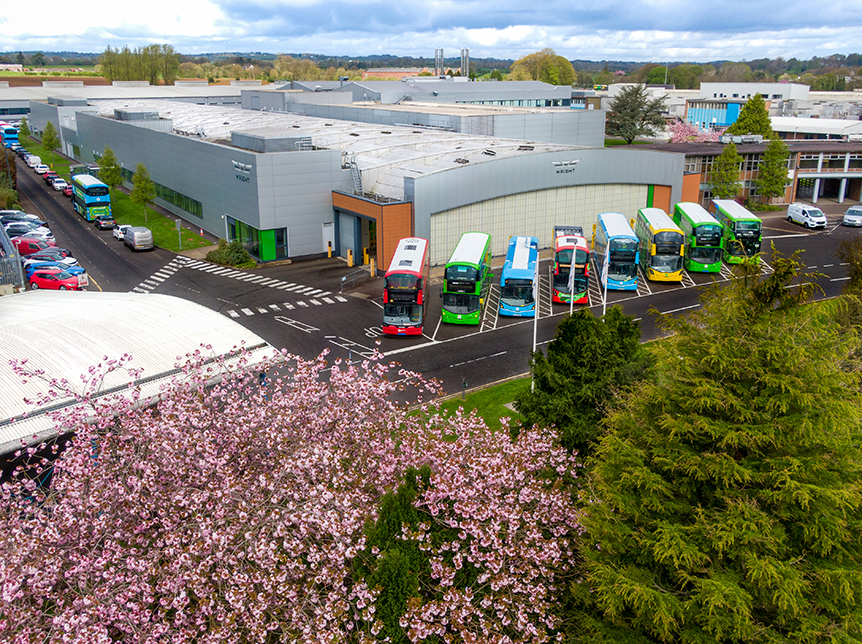
For bus companies in the UK, transition planning should start with route and depot analysis: daily distance, speed profile, gradients, passenger load, HVAC demand, layover time, energy requirement, charging or refuelling opportunities and operational resilience all influence technology choice.
As technology and infrastructure develop, zero- and low-emission buses will play an increasingly important role in public transport. Selecting the correct solution requires evidence-based duty-cycle analysis and close integration between vehicle manufacturer, operator, infrastructure provider and energy supplier.
Read more
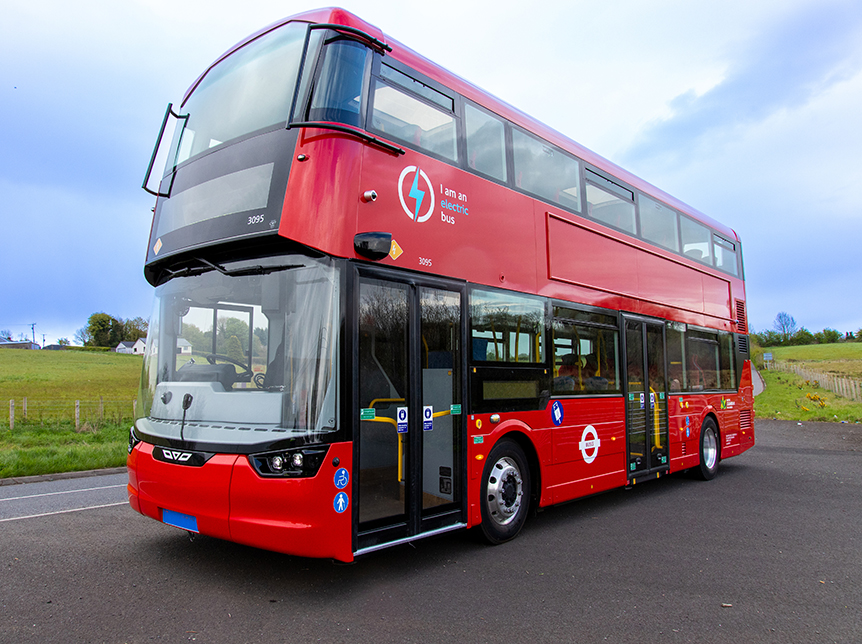
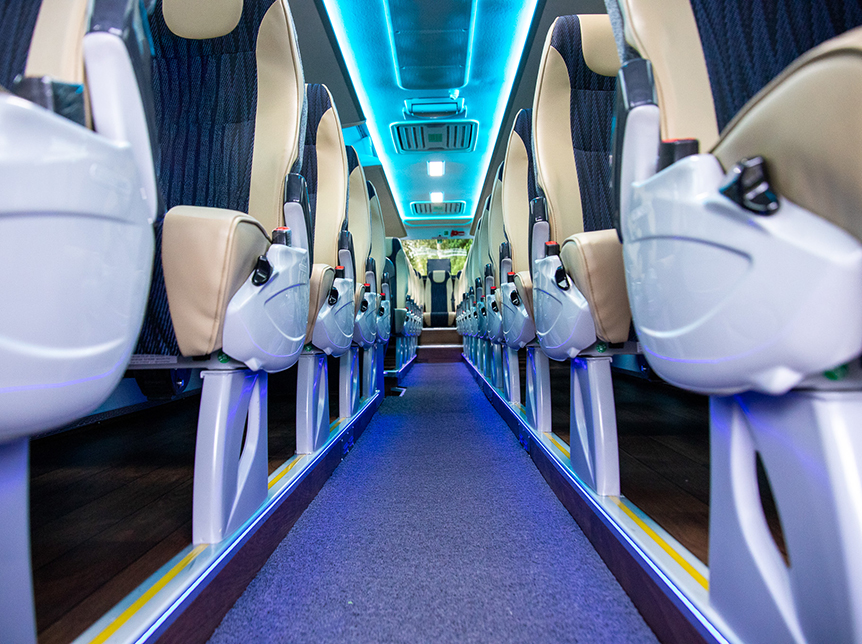
Zero-Emission Vehicles and Double-Deck Coaches: The Future of Travel
Read on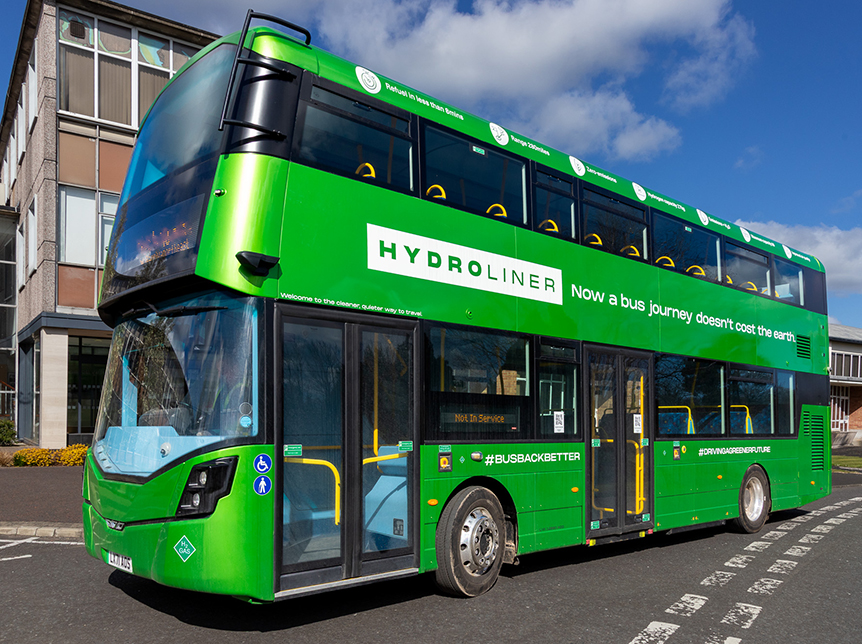
Hydrogen-Powered Vehicles and Double-Deck Articulated Bus Technology
Read on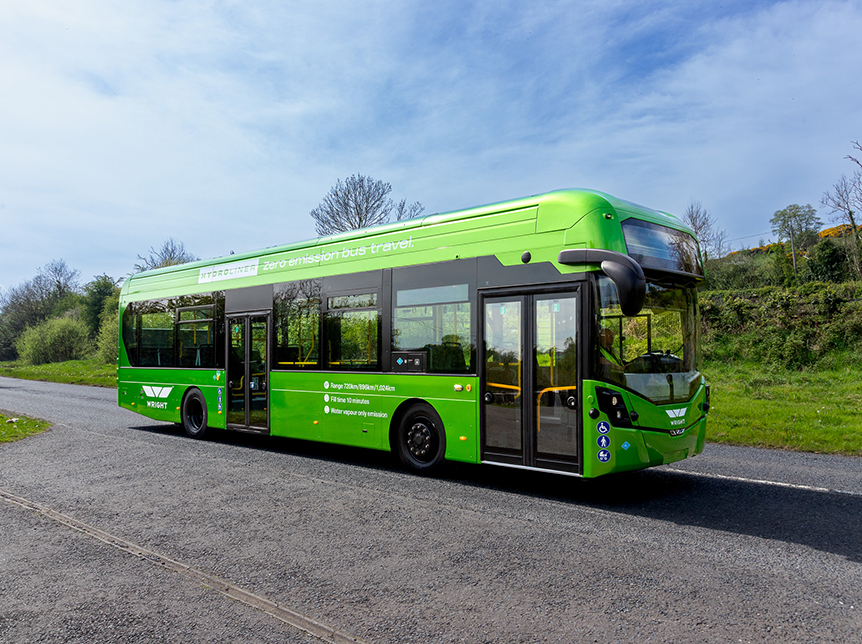
Hydrogen Fuel Cell Vehicles vs Hybrid Vehicles: Pros and Cons Explained
Read on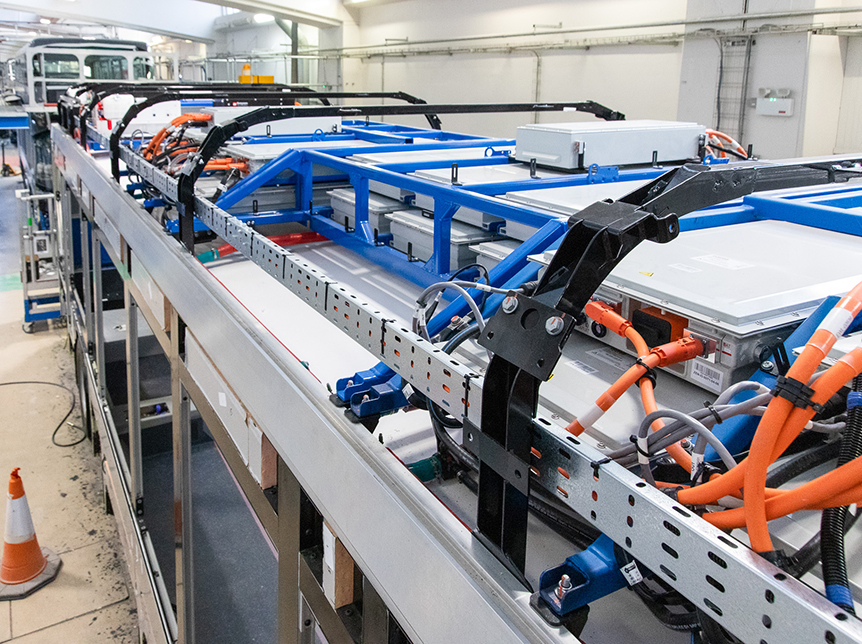
Bus Companies in the UK and the Growth of Electric Bus Manufacturing
Read on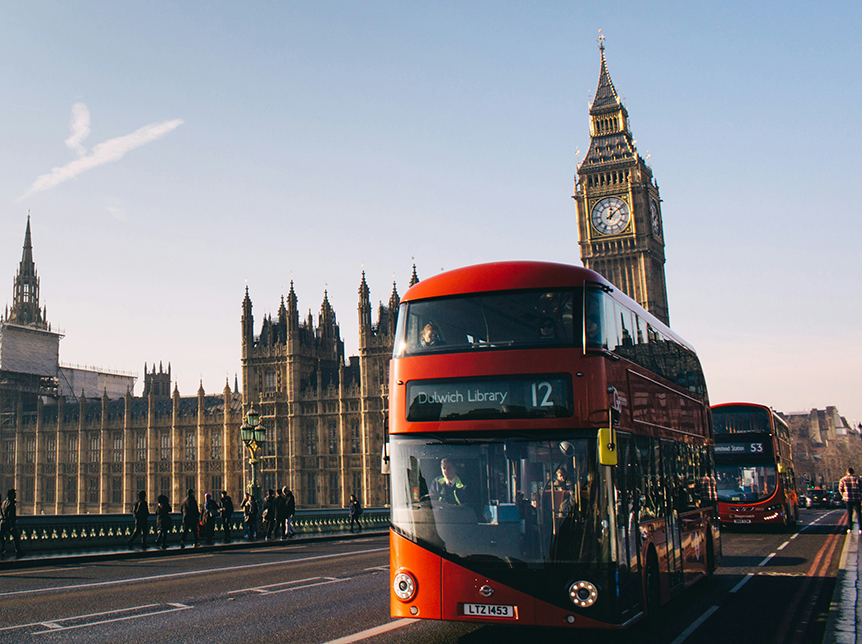
London Electric Buses and the Rise of UK Zero-Emission Bus Manufacturing
Read on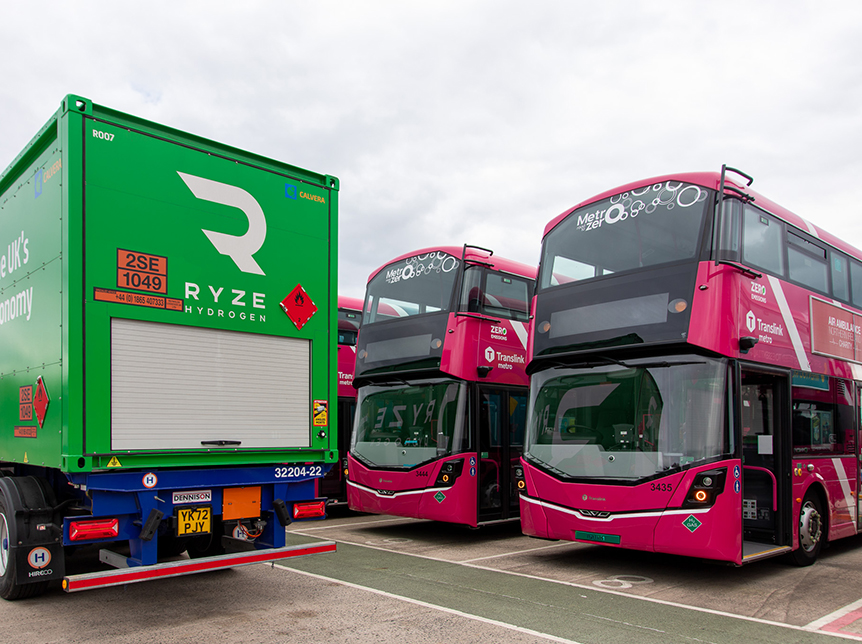
Hydrogen Fuel Cell Vehicles and the Future of Clean Transport in the UK
Read on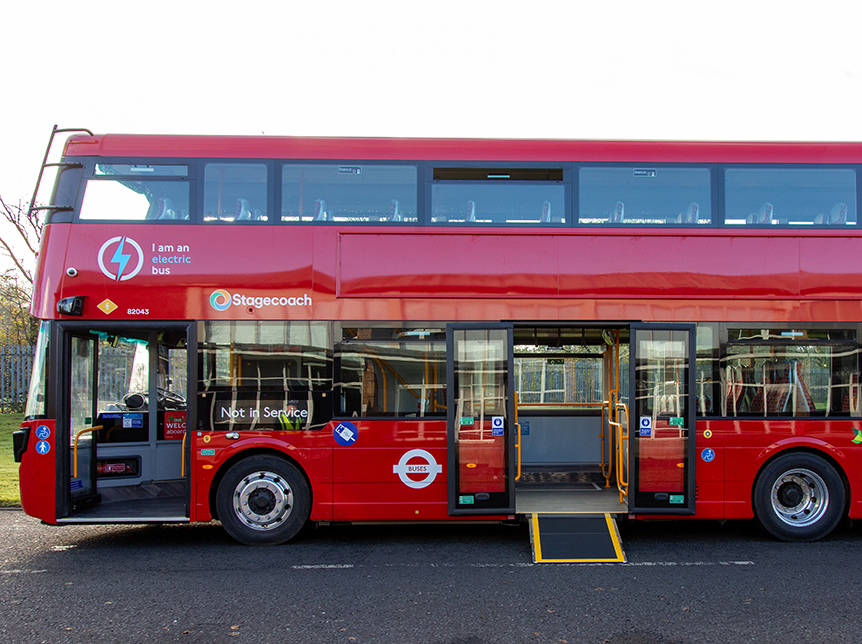
Electric Buses UK: Electric Double-Decker Bus & Bus Dimensions Guide
Read on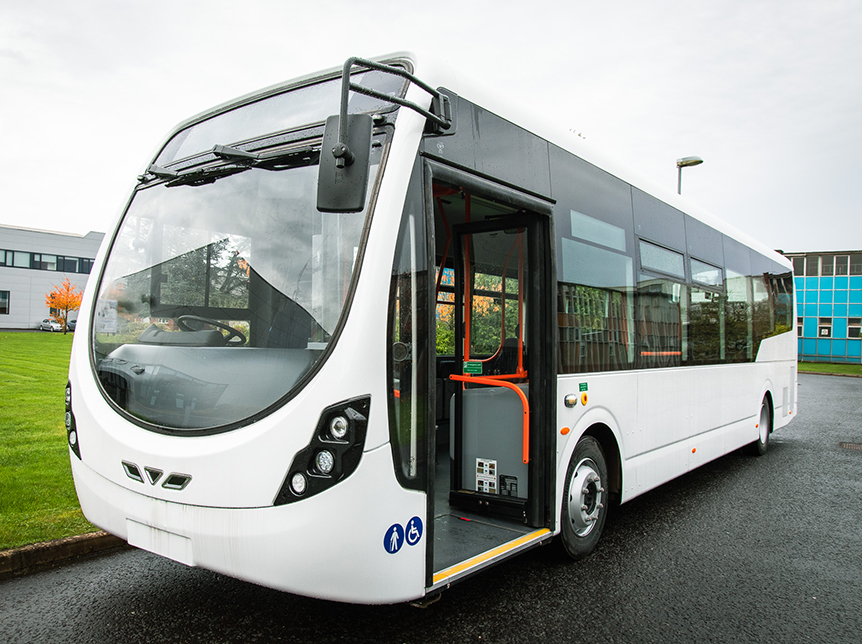
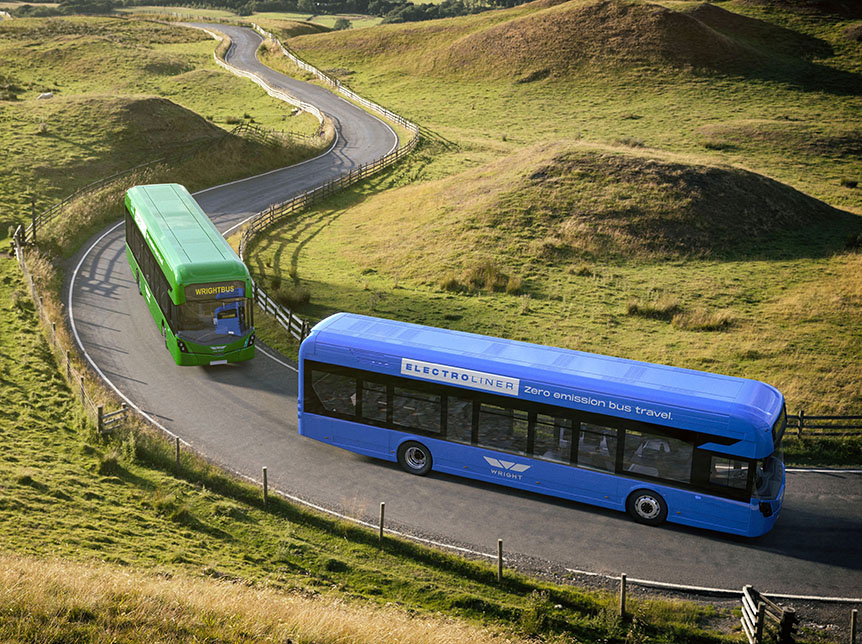
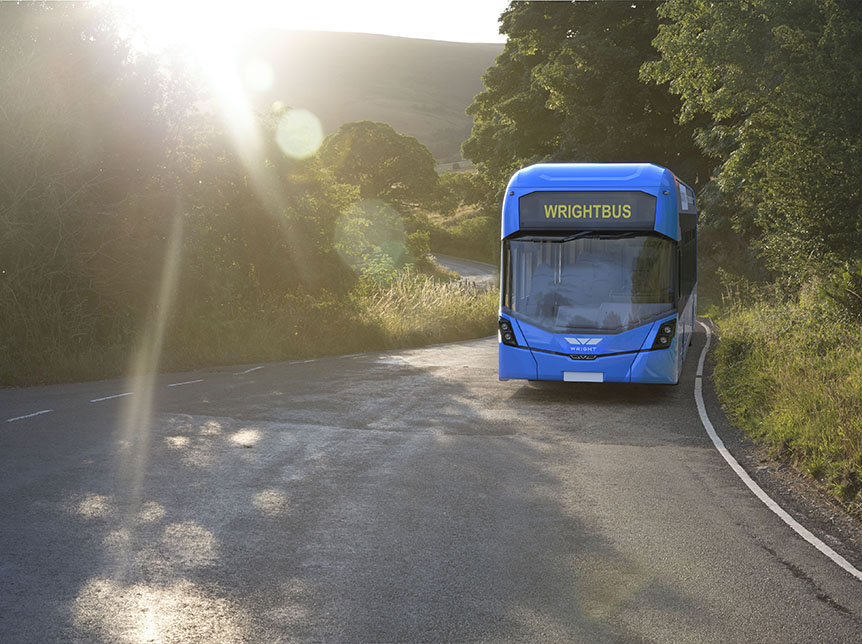
Single Decker Electric Buses: Paving the Way for Sustainable Public Transport
Read on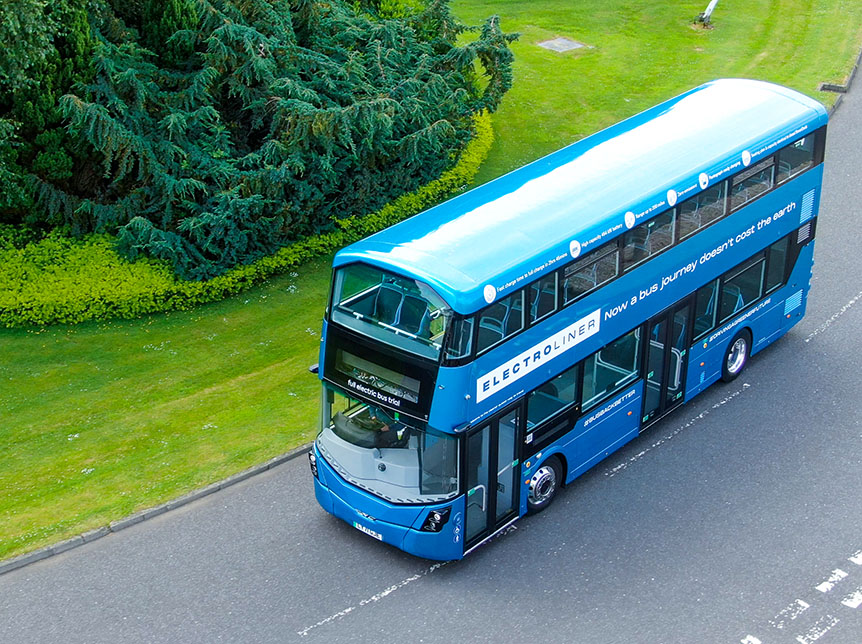
The Double Decker Electric Buses: Revolutionizing Urban Transportation
Read on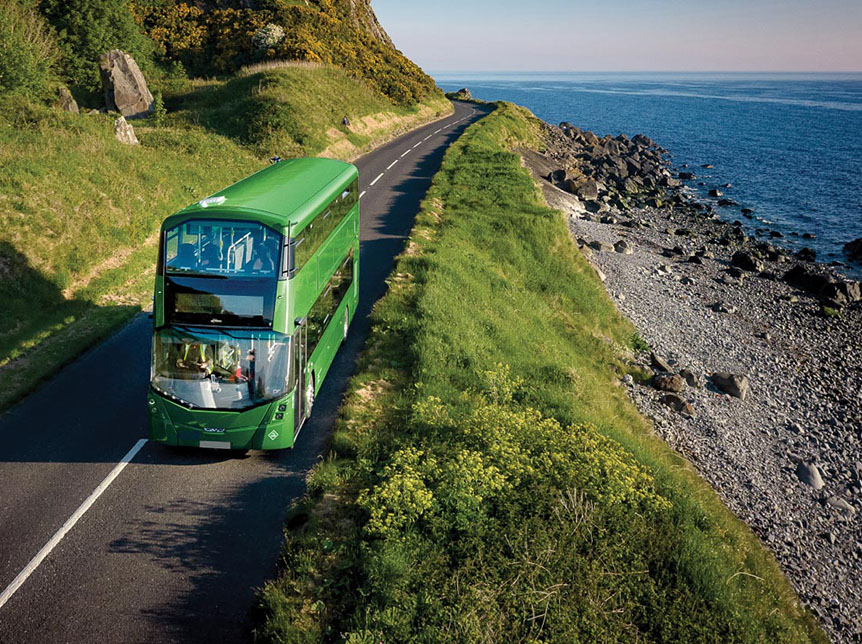
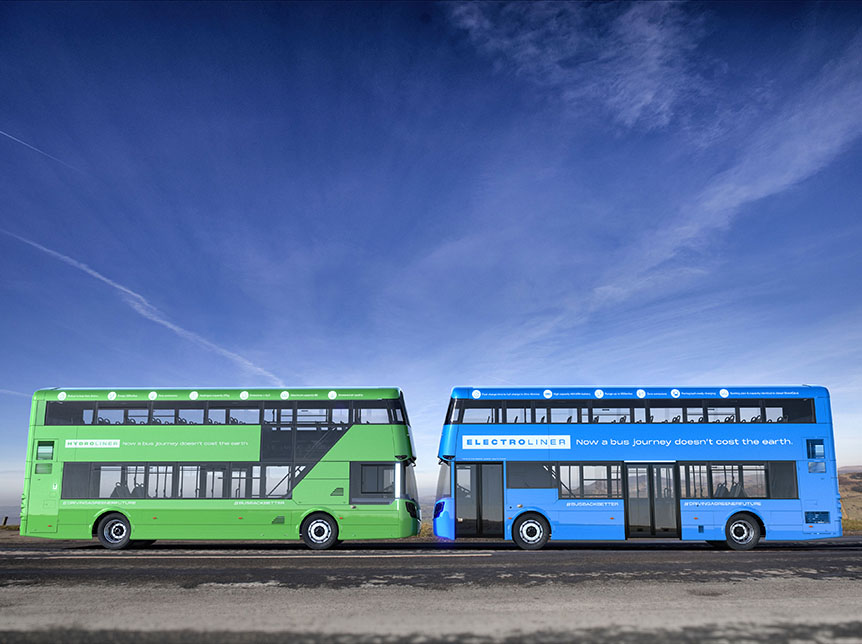
Electric Buses and Hydrogen Vehicles: Driving the Future of Sustainable Transportation
Read on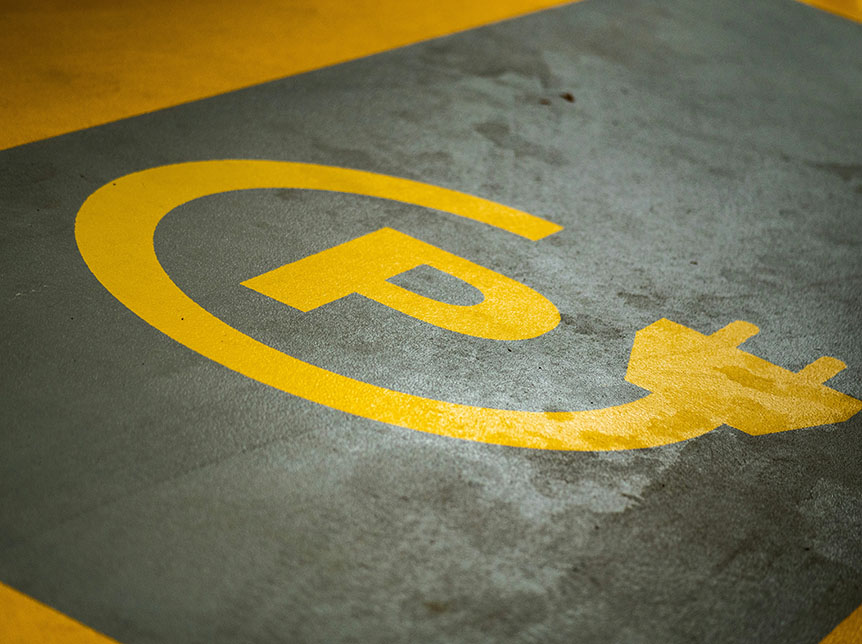
Hybrid Buses: The Future of Sustainable Double Decker Transportation
Read on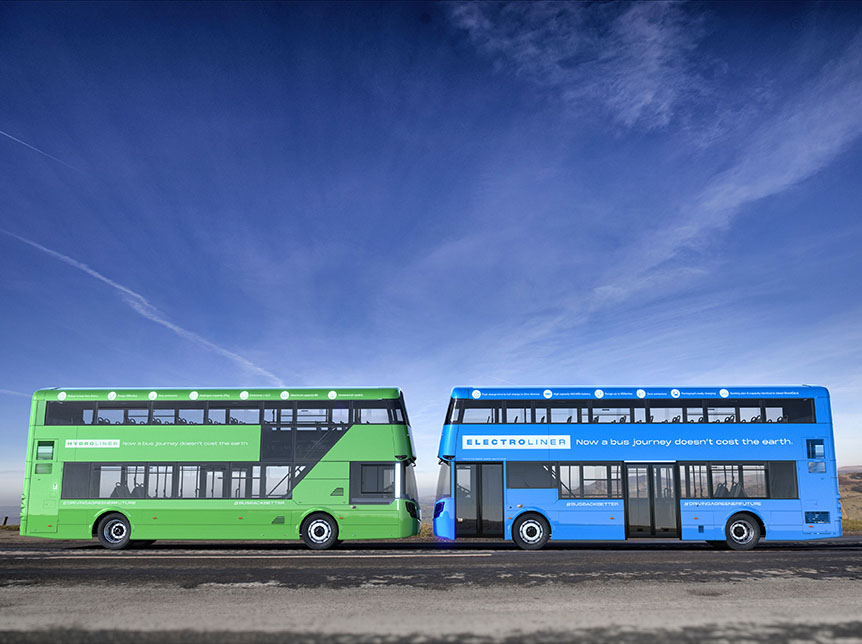
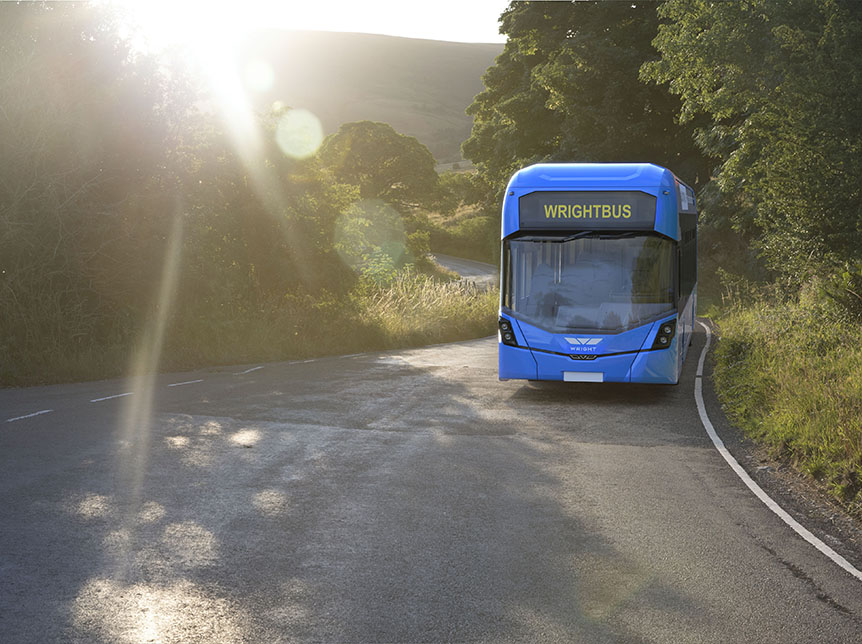
The Future of Public Transit: Single Decker Buses and Hydrogen Fuel Cell Vehicles
Read on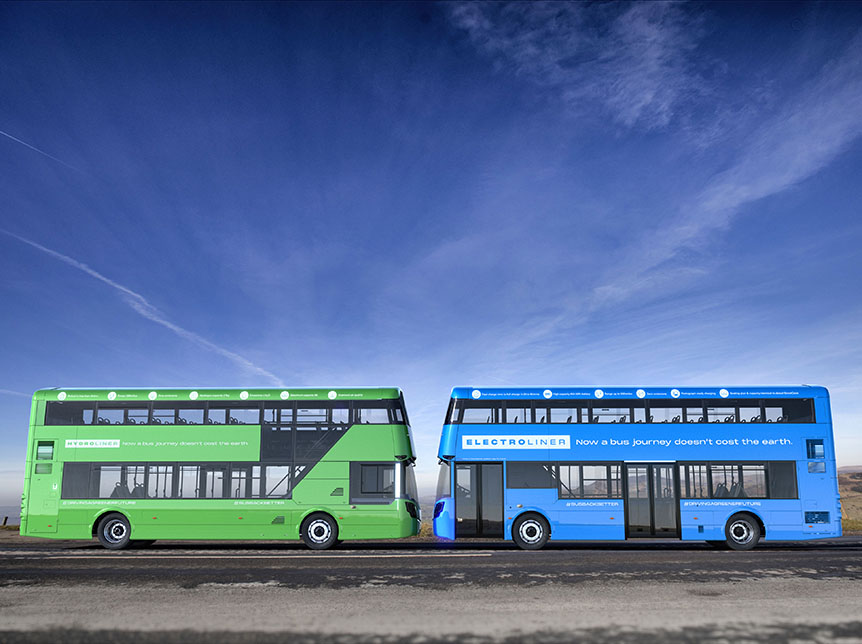
Exploring the Future of Transportation: Battery Electric Vehicles and Double Decker Buses
Read on
Navigating Urban Landscapes: The Versatility of Single Deck Buses and Double Deck Buses
Read on
Get in touch
Wrightbus has been at the forefront of transport innovation since 1946, relentlessly pushing the boundaries with its commitment to quality, style and safety.