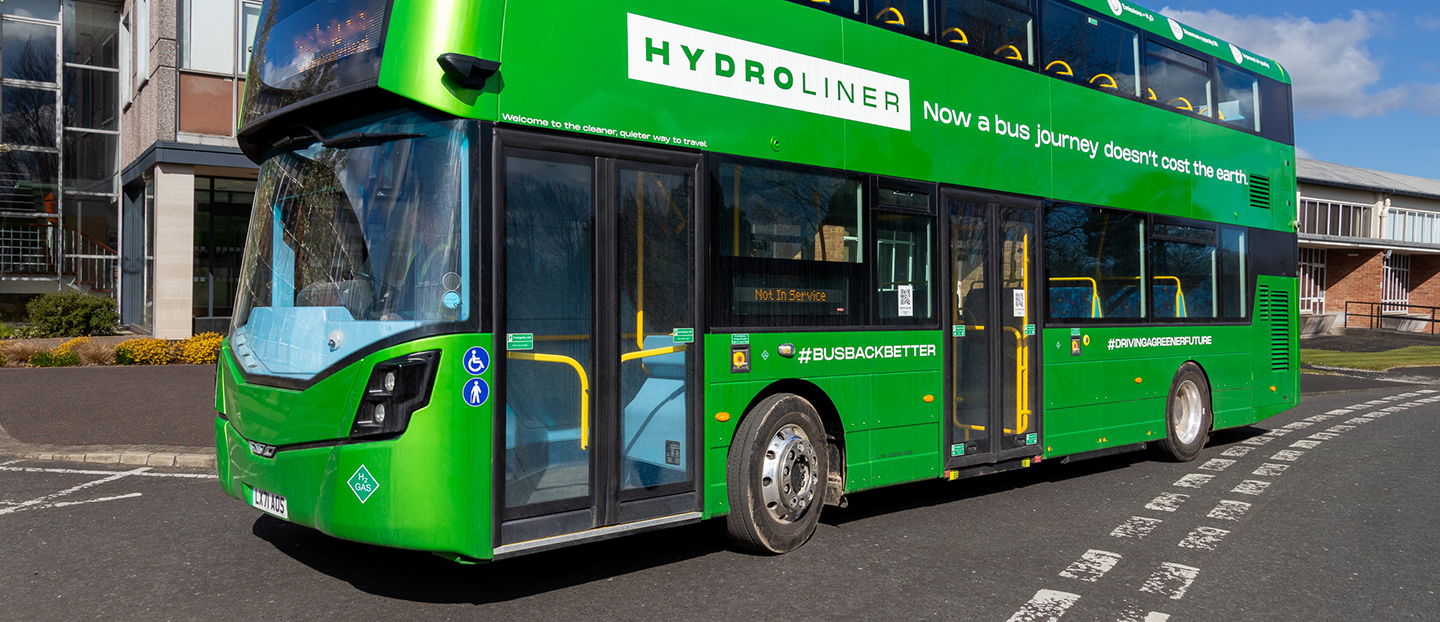
The transport industry is developing cleaner propulsion systems and high-capacity vehicle concepts to meet different operational needs. Hydrogen fuel cell vehicles are one such propulsion option. Double-deck articulated buses, by contrast, are a rare vehicle configuration rather than a mainstream bus type, and their practical use depends heavily on regulation, route geometry and vehicle dynamics.
What Are Hydrogen-Powered Vehicles?
Hydrogen-powered vehicles use hydrogen as an energy carrier. In a fuel cell electric vehicle, hydrogen reacts electrochemically with oxygen in a fuel cell stack to produce electricity for an electric drivetrain. A traction battery is normally used alongside the fuel cell for transient power support and regenerative braking.
Fuel cell electric vehicles produce no carbon dioxide from the fuel cell reaction at the tailpipe, irrespective of how the hydrogen is produced. However, the overall greenhouse-gas footprint depends strongly on hydrogen production, compression, transport and dispensing. Relatively rapid refuelling can be an operational advantage compared with some battery-electric applications.
Fuel cell technology can be relevant to selected high-utilisation or high-energy-demand duties, including some bus and heavy-duty applications. Its suitability depends on the route, required range, vehicle packaging, hydrogen storage, refuelling availability, cost and fleet operating strategy.
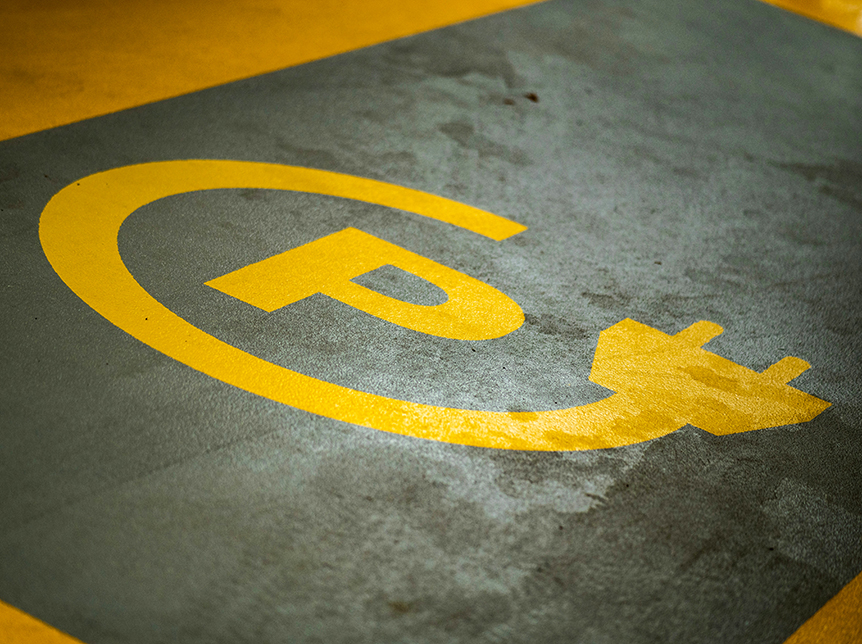
However, challenges remain. Hydrogen refuelling infrastructure is not yet as widely available as conventional fuel stations or electric charging points in many markets. Hydrogen production, storage, transport, and distribution can also require substantial investment. The overall environmental impact depends significantly on how the hydrogen itself is produced.
What Is a Double-Deck Articulated Bus?
A double-deck articulated bus combines two passenger decks with an articulated joint between vehicle sections. Such vehicles have existed, but the configuration is uncommon. It introduces significant engineering considerations including overall dimensions, mass and axle loads, structural dynamics, stability, swept path, accessibility and compliance with local vehicle regulations.
Double-deck buses provide high passenger capacity within a relatively compact road footprint, while articulated buses increase capacity through vehicle length. Combining both concepts can increase theoretical capacity, but it also increases complexity and is not automatically more manoeuvrable or operationally efficient than established single-deck articulated or rigid double-deck designs.
Whether a very high-capacity configuration is beneficial depends on passenger demand, dwell times, road geometry, depot facilities, regulatory limits and total operating cost. Capacity alone is not sufficient to determine the most efficient bus design.
Combining Capacity with Cleaner Technology
High-capacity buses and lower-emission powertrains can both support public transport, but they should be treated as separate engineering choices. Hydrogen fuel cell propulsion may suit certain high-utilisation routes, while the most appropriate vehicle layout depends on passenger demand, route constraints and local regulations.
However, successful deployment requires more than vehicle technology alone. Operators need suitable refuelling infrastructure, maintenance capabilities, route planning, driver training, and appropriate depot facilities. Road layouts and passenger demand must also be evaluated before introducing larger buses.
The Future of Sustainable Public Transport
Hydrogen fuel cell vehicles and high-capacity bus designs illustrate different approaches to modern public transport. Successful deployment requires the propulsion system, vehicle architecture, infrastructure and duty cycle to be engineered as an integrated system.
As cities continue investing in sustainable mobility, the combination of alternative fuels, efficient vehicle designs, and improved public transport infrastructure could play an important role in creating cleaner and more efficient urban transport networks.
Read more
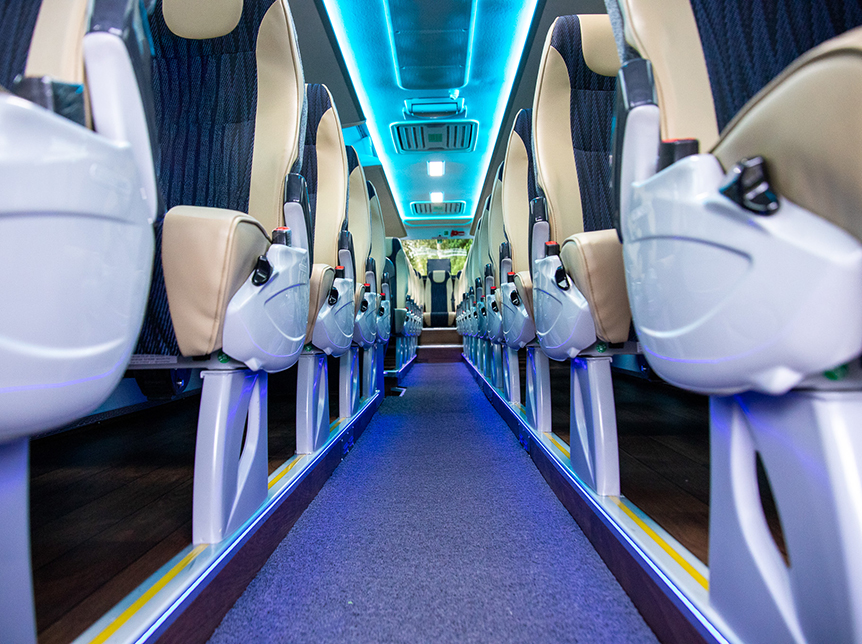
Zero-Emission Vehicles and Double-Deck Coaches: The Future of Travel
Read on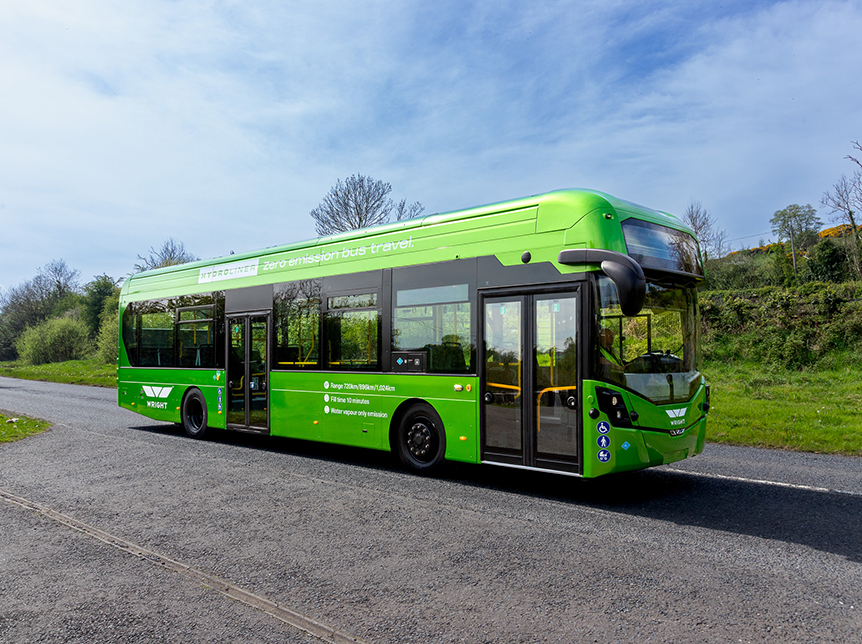
Hydrogen Fuel Cell Vehicles vs Hybrid Vehicles: Pros and Cons Explained
Read on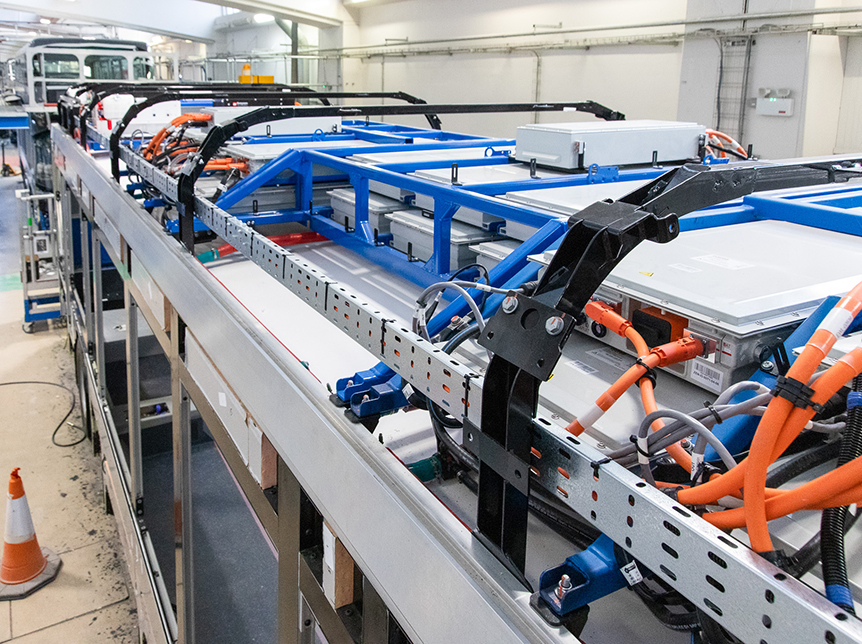
Bus Companies in the UK and the Growth of Electric Bus Manufacturing
Read on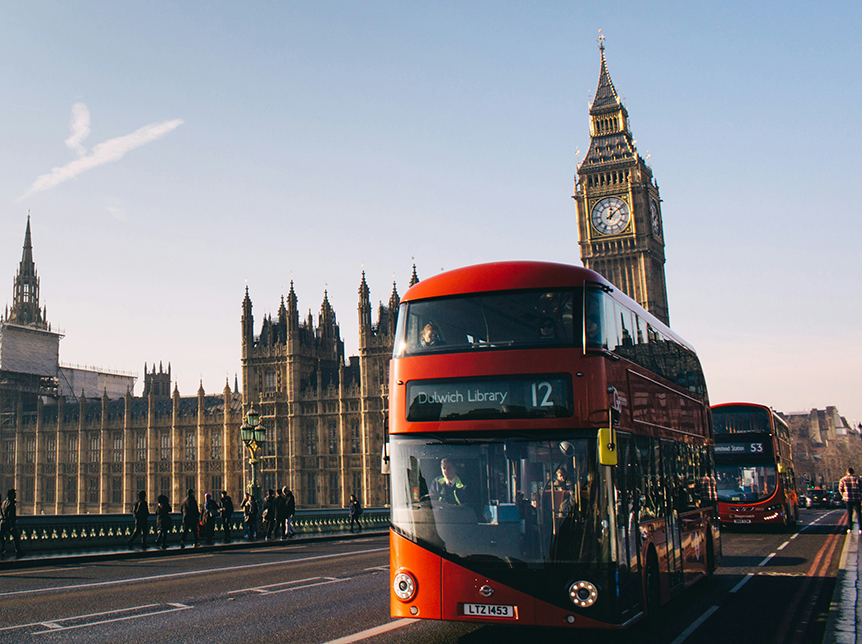
London Electric Buses and the Rise of UK Zero-Emission Bus Manufacturing
Read on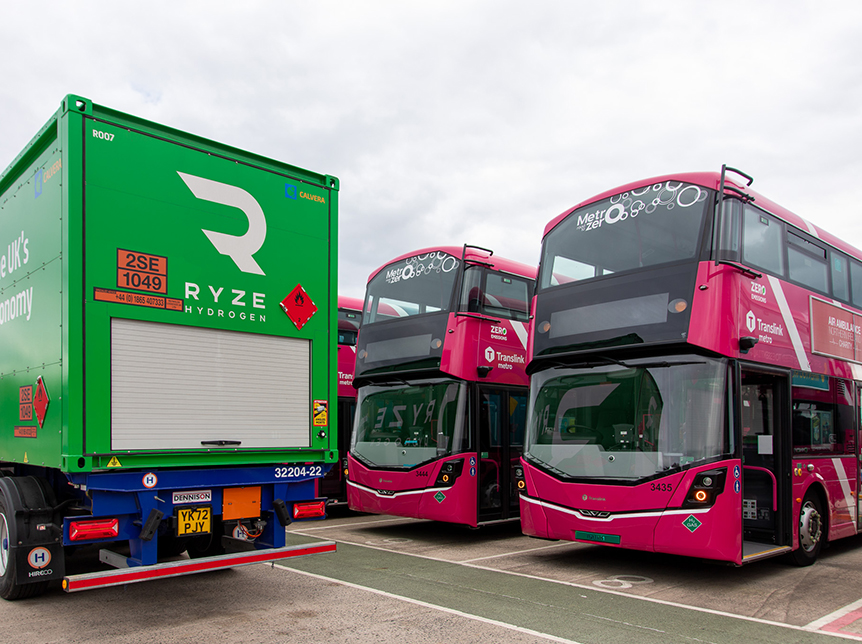
Hydrogen Fuel Cell Vehicles and the Future of Clean Transport in the UK
Read on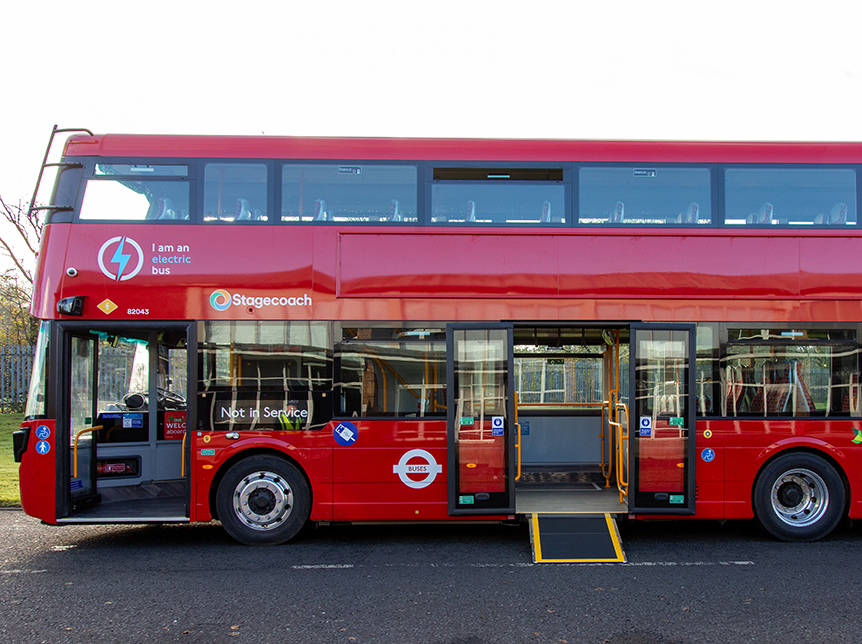
Electric Buses UK: Electric Double-Decker Bus & Bus Dimensions Guide
Read on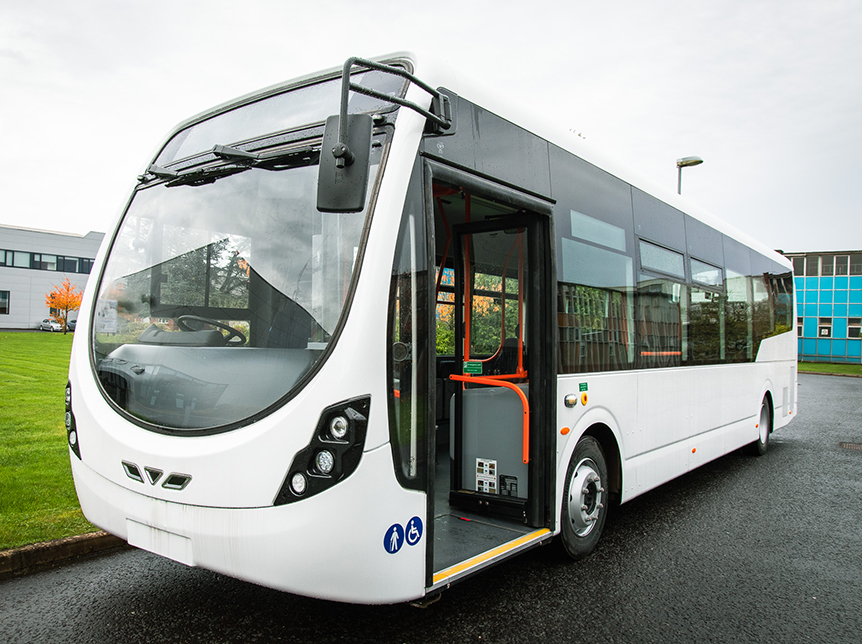
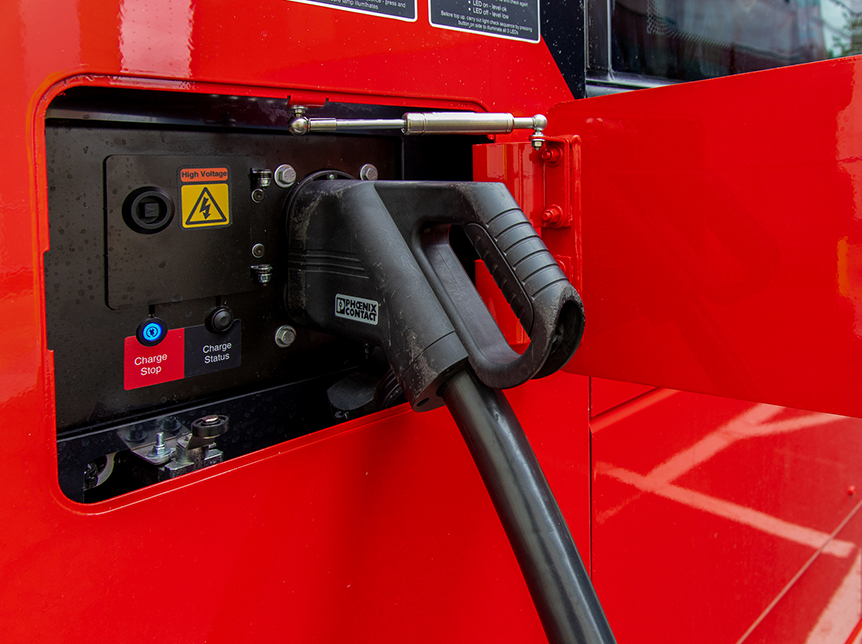
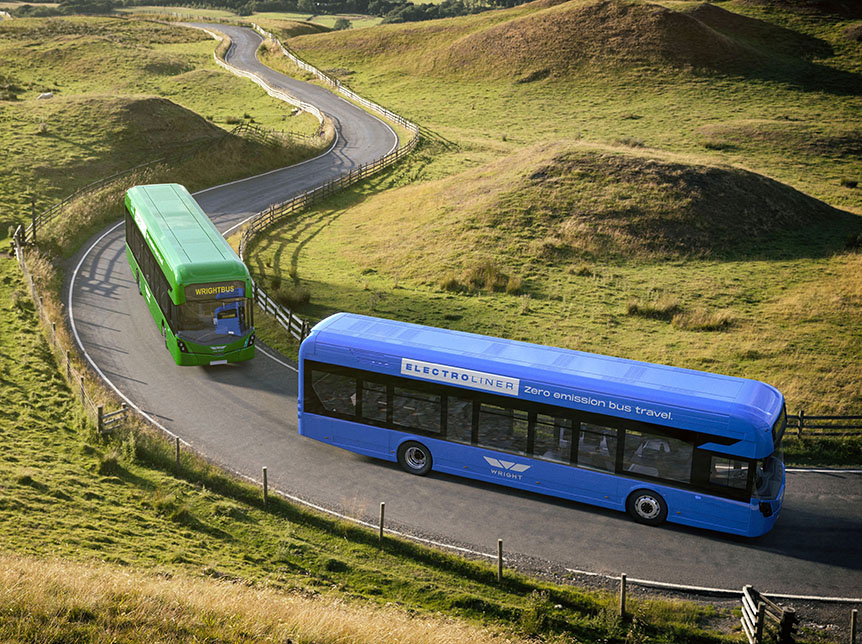
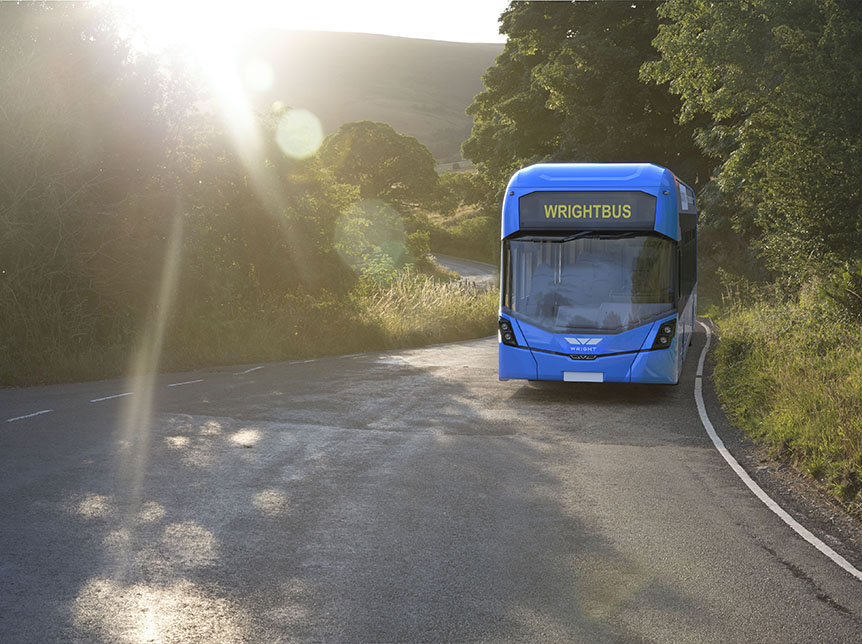
Single Decker Electric Buses: Paving the Way for Sustainable Public Transport
Read on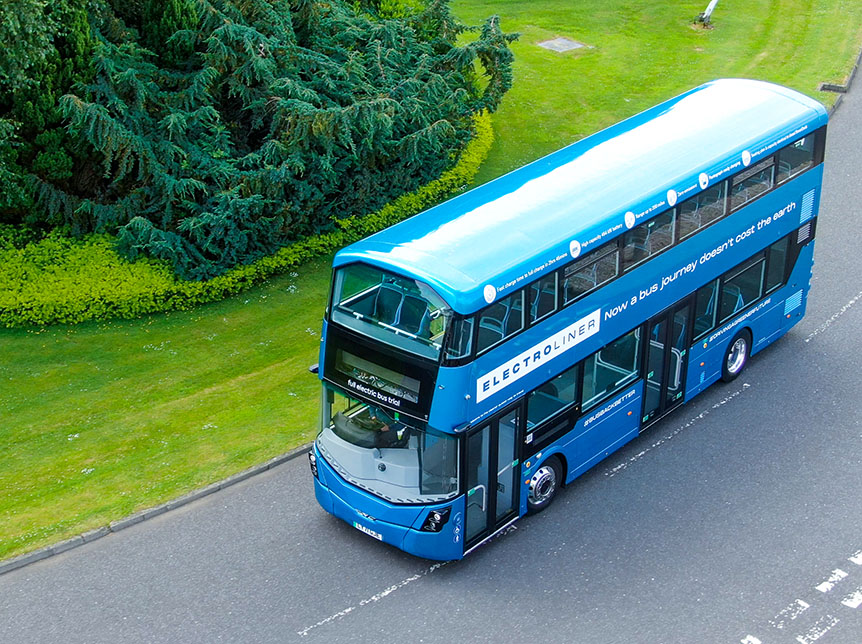
The Double Decker Electric Buses: Revolutionizing Urban Transportation
Read on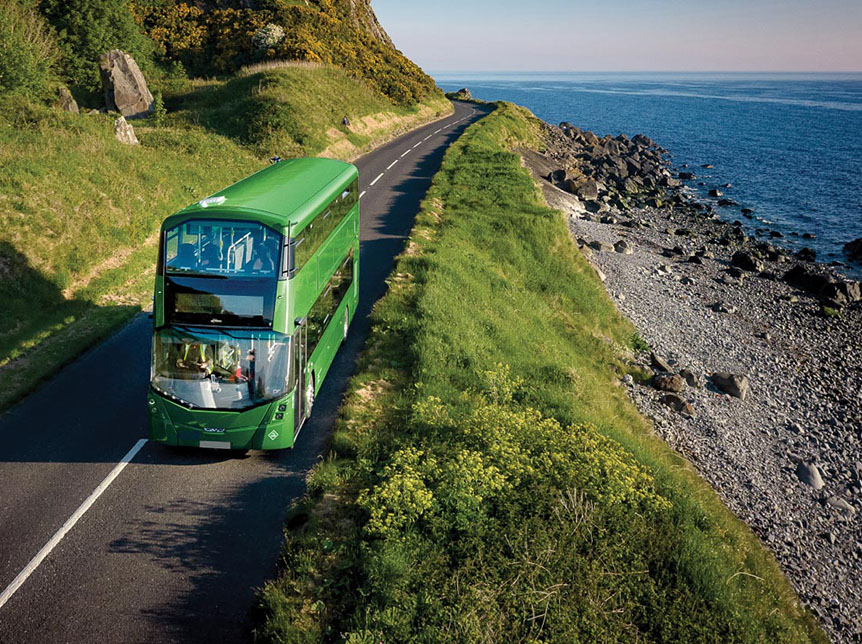
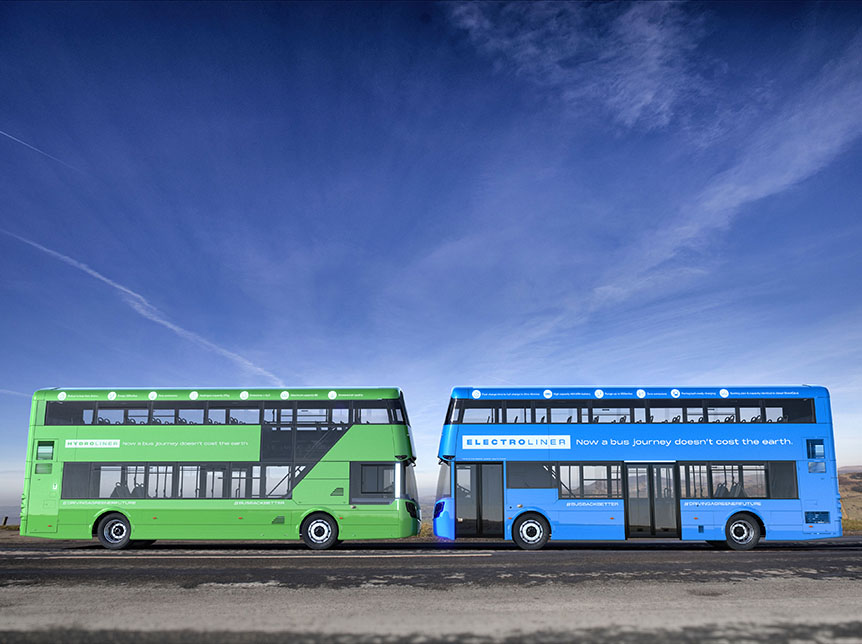
Electric Buses and Hydrogen Vehicles: Driving the Future of Sustainable Transportation
Read on
Hybrid Buses: The Future of Sustainable Double Decker Transportation
Read on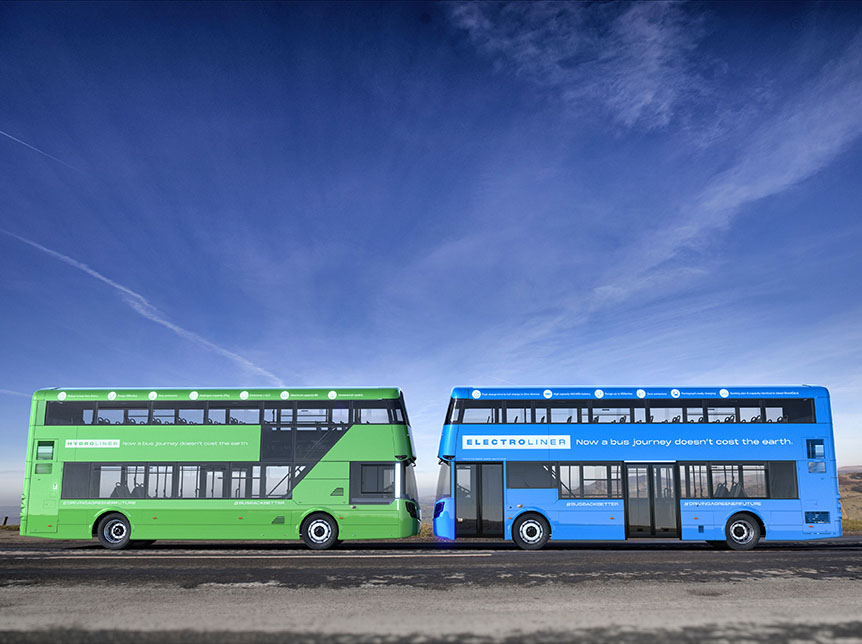
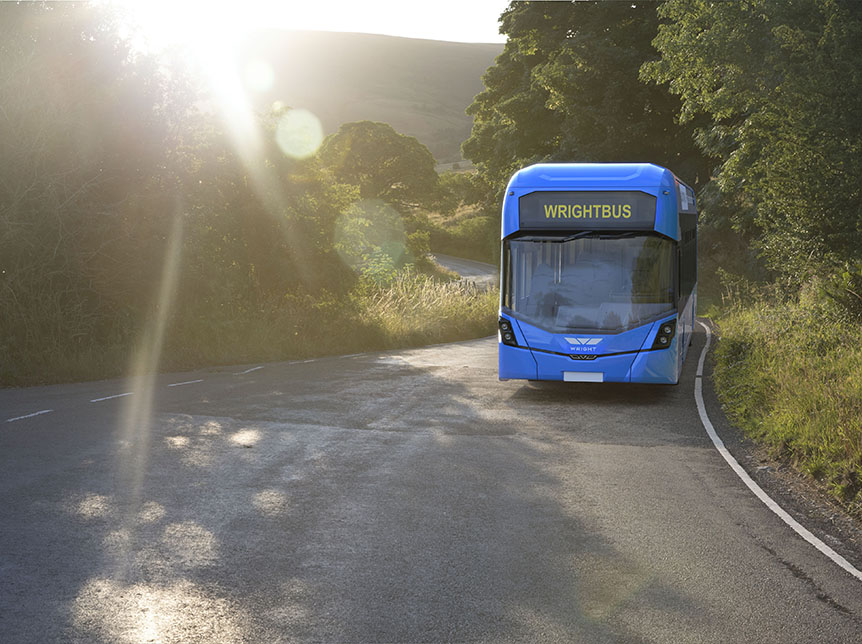
The Future of Public Transit: Single Decker Buses and Hydrogen Fuel Cell Vehicles
Read on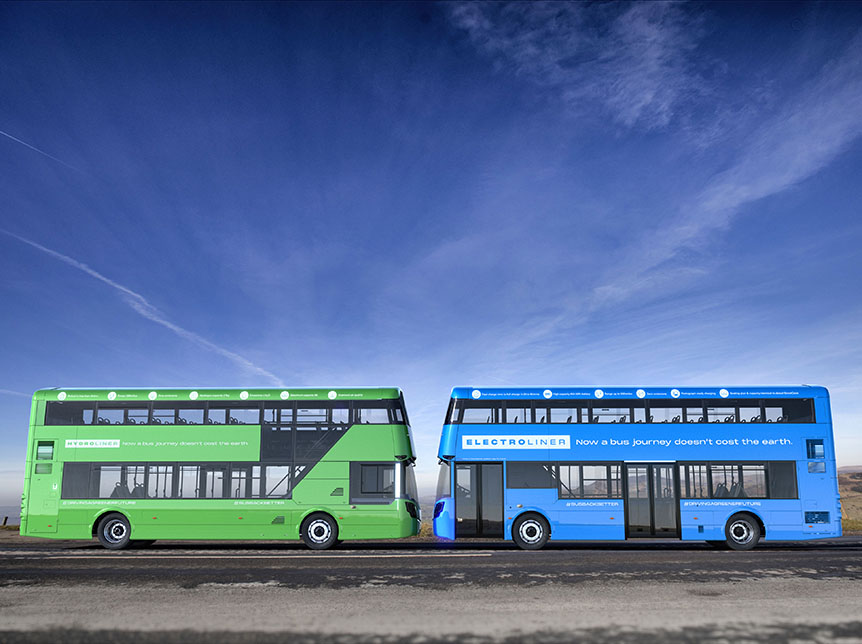
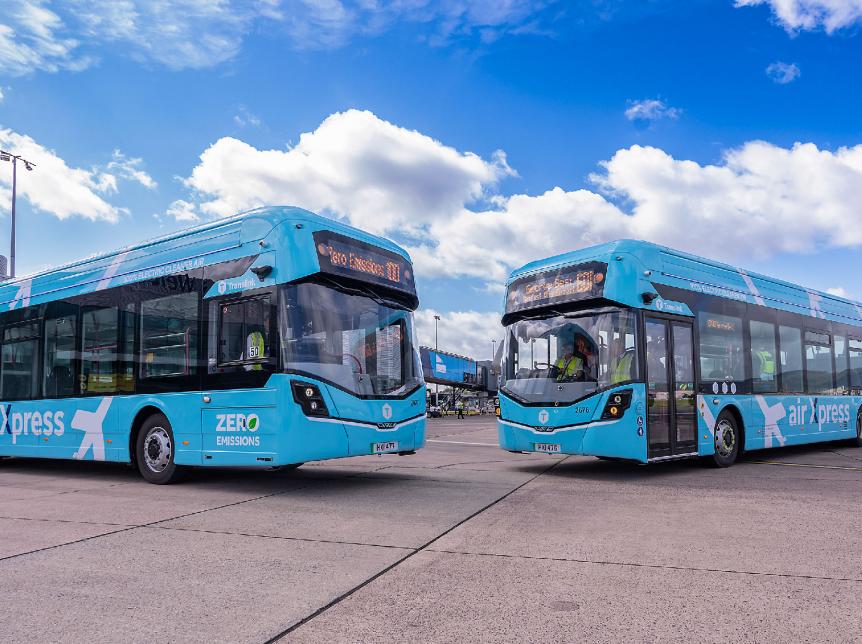
Exploring the Future of Transportation: Battery Electric Vehicles and Double Decker Buses
Read on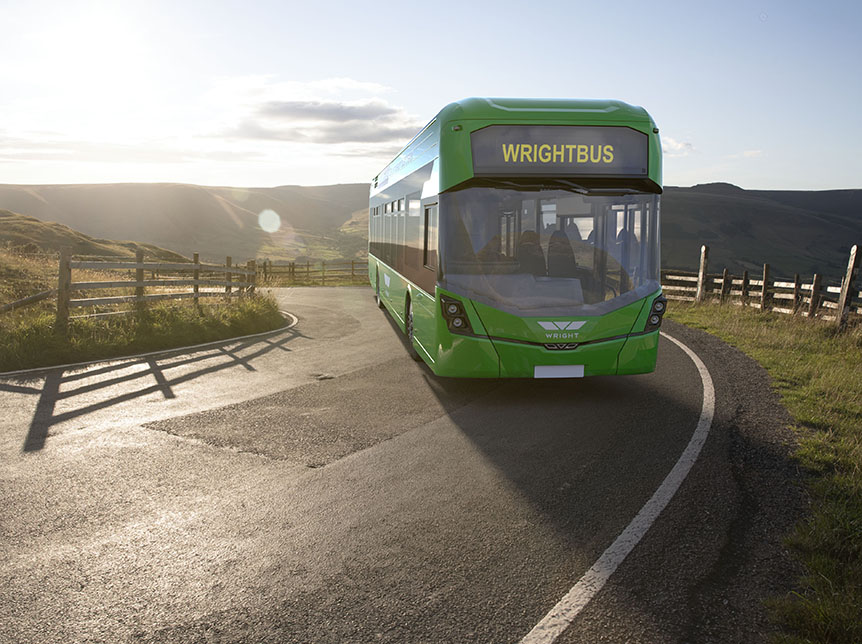
Navigating Urban Landscapes: The Versatility of Single Deck Buses and Double Deck Buses
Read on
Get in touch
Wrightbus has been at the forefront of transport innovation since 1946, relentlessly pushing the boundaries with its commitment to quality, style and safety.