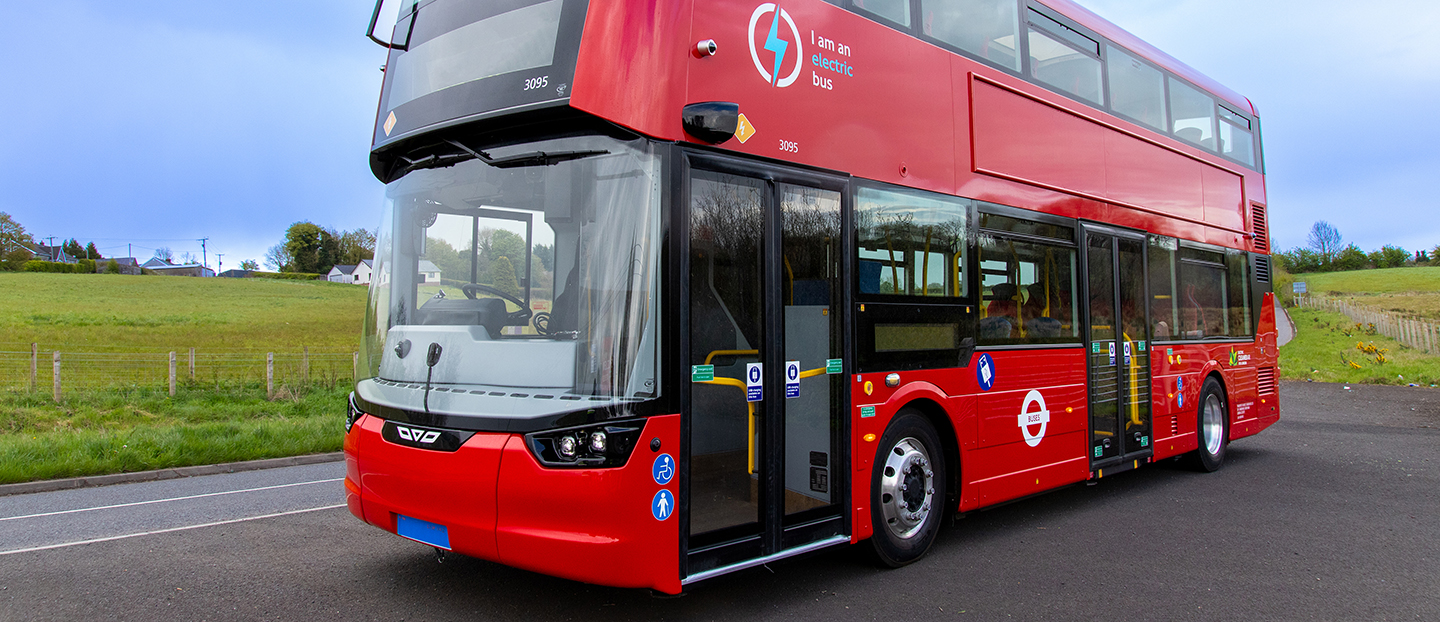
The transport industry is undergoing a major transformation as cities seek cleaner, quieter and more energy-efficient mobility. Battery-electric buses are increasingly important in public transport, while double-deck layouts help operators provide high passenger capacity on routes where road space is constrained.
What Is a Double-Decker Electric Bus?
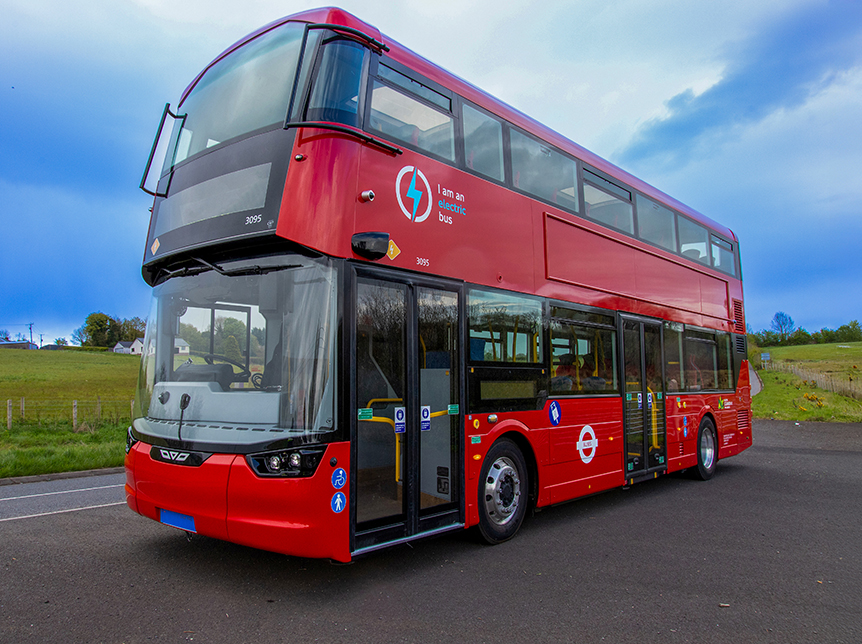
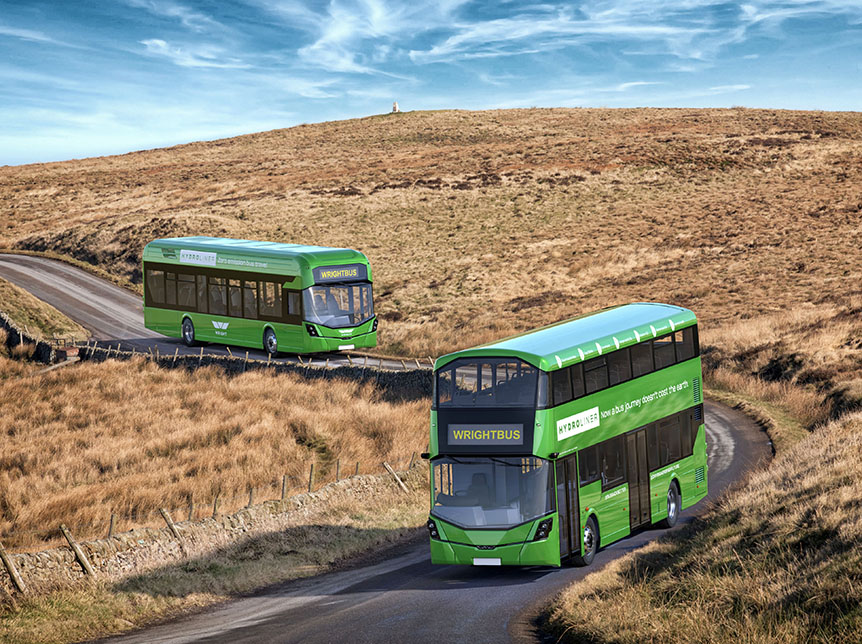
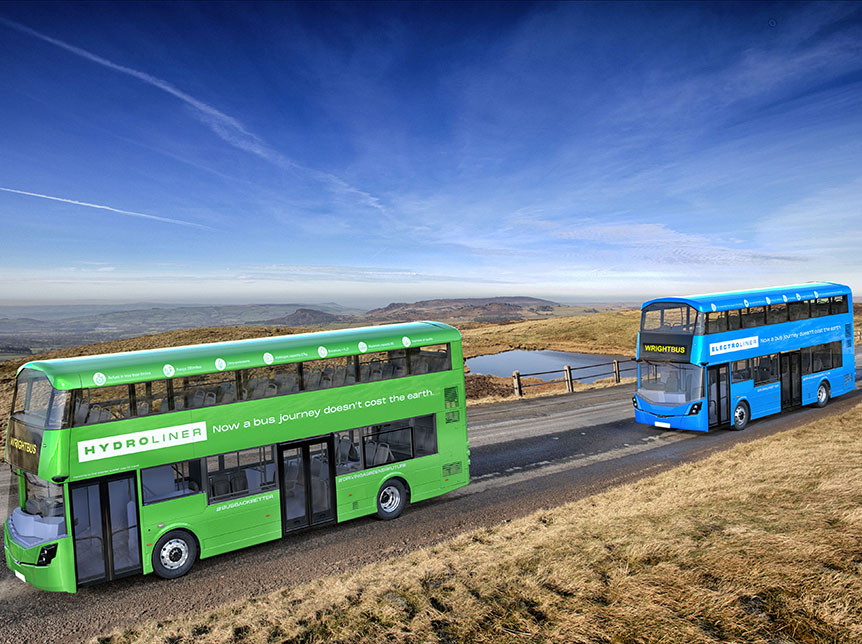
A battery-electric double-decker bus has two passenger decks and uses one or more electric motors powered by a rechargeable traction battery. It has no internal combustion engine for propulsion and produces no tailpipe emissions during operation.
The two-deck layout provides high passenger capacity within a road footprint comparable with a conventional double-deck bus. This can be advantageous on high-demand urban routes, subject to route height and infrastructure constraints.
Electric propulsion can also provide a quieter journey compared with conventional diesel buses. Reduced engine noise can improve the passenger experience while contributing to quieter urban environments.
Benefits of Electric Double-Decker Buses
A key benefit is the elimination of tailpipe emissions during operation, supporting improvements in local air quality. Whole-life environmental performance also depends on electricity generation, battery manufacture, vehicle production and end-of-life processes.
Another benefit is energy efficiency. Electric motors can convert electrical energy into movement efficiently, while regenerative braking can recover some energy during deceleration and return it to the battery.
High passenger capacity is another important consideration. A double-decker design allows operators to transport more passengers per journey, which can help improve fleet utilisation on heavily travelled routes.
However, several factors need to be considered before deployment. Battery capacity, vehicle range, charging infrastructure, operating schedules, passenger loads, and route conditions can all influence performance.
Understanding Electric Transport
Electric transport, often described as e-mobility, refers to transport systems in which electrical energy is used for propulsion. It includes battery-electric buses and cars, electric rail and other electrically propelled modes. Electronic systems such as telematics, controls and intelligent transport systems support these vehicles, but “electronic transportation” is not the standard engineering term for electric mobility.
The transition to electric transport involves more than replacing a combustion engine with an electric motor. Vehicle controls, thermal management, charging strategy, telematics, depot energy management and fleet scheduling all affect the performance of an electric bus operation.
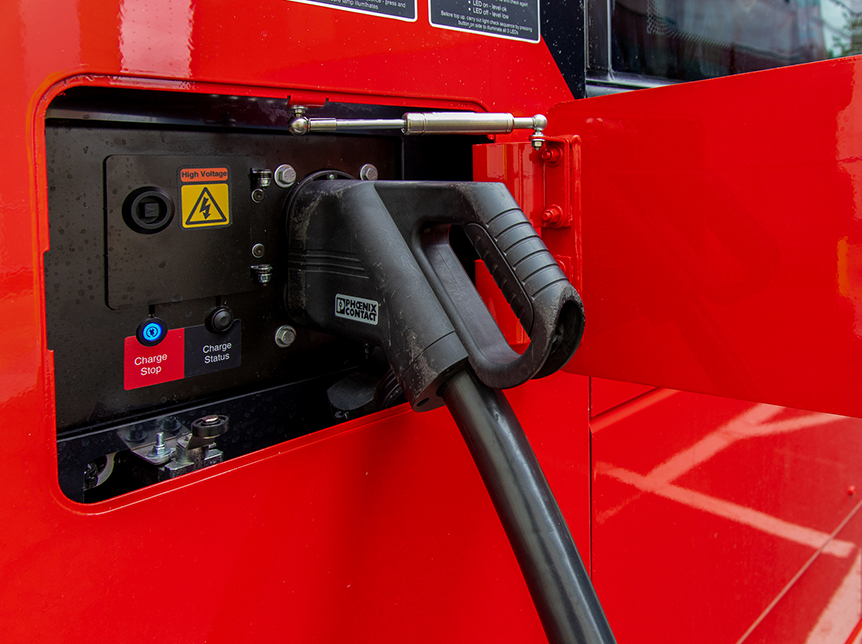
Charging infrastructure is an essential part of battery-electric bus deployment. Depot grid capacity, charger power, charging windows, redundancy and, where used, opportunity charging must be matched to the fleet duty cycle.
The Future of Sustainable Public Transport
The combination of high passenger capacity and battery-electric propulsion can be highly effective on suitable urban routes. A double-decker electric bus can carry large passenger loads while eliminating tailpipe emissions from the vehicle.
As battery technology, charging infrastructure, fleet-management systems and lower-carbon electricity continue to develop, battery-electric bus operation is becoming viable for a wider range of duties.
Ultimately, successful adoption will depend on matching vehicle technology with the needs of each city, including route distances, passenger volumes, infrastructure availability, and operational requirements. With appropriate planning, electric high-capacity buses can contribute to cleaner, quieter, and more efficient public transport.
Read more
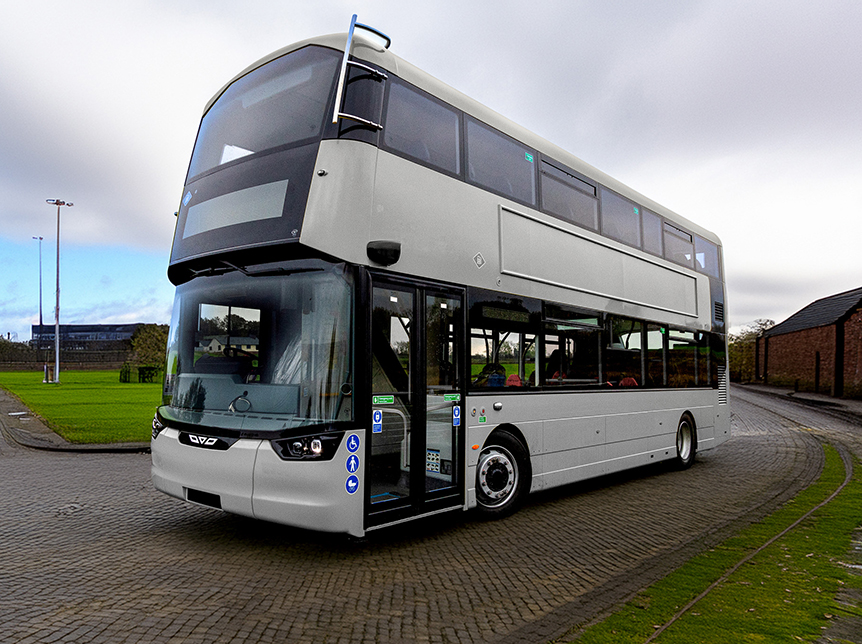
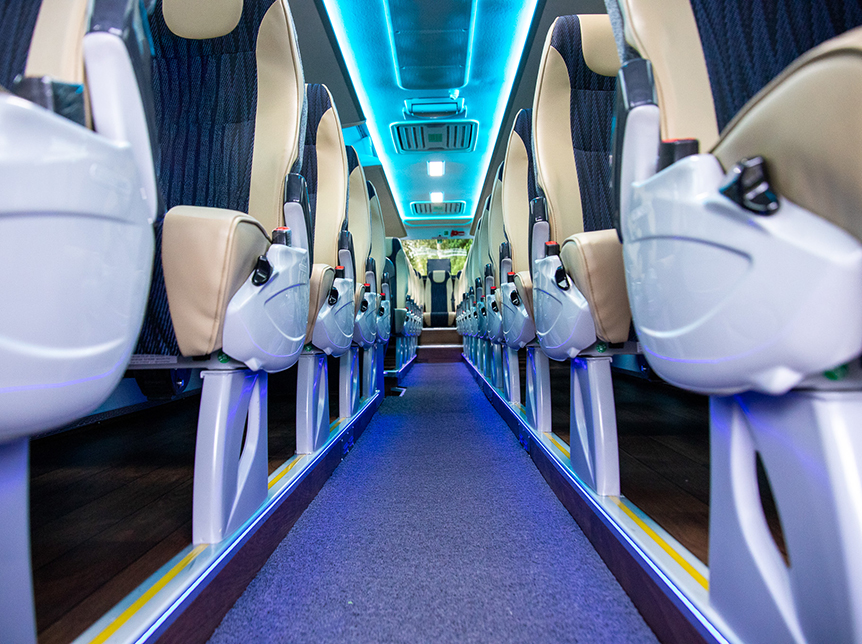
Zero-Emission Vehicles and Double-Deck Coaches: The Future of Travel
Read on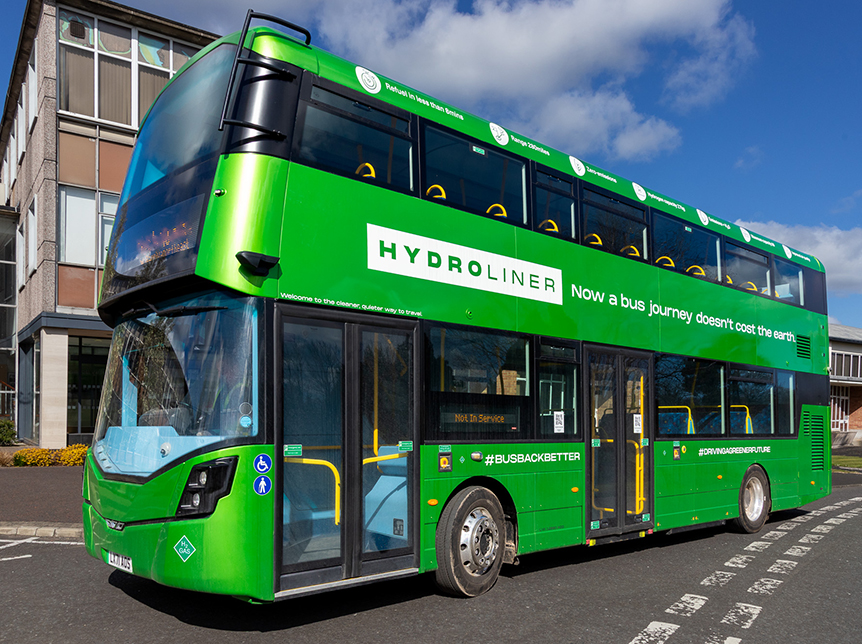
Hydrogen-Powered Vehicles and Double-Deck Articulated Bus Technology
Read on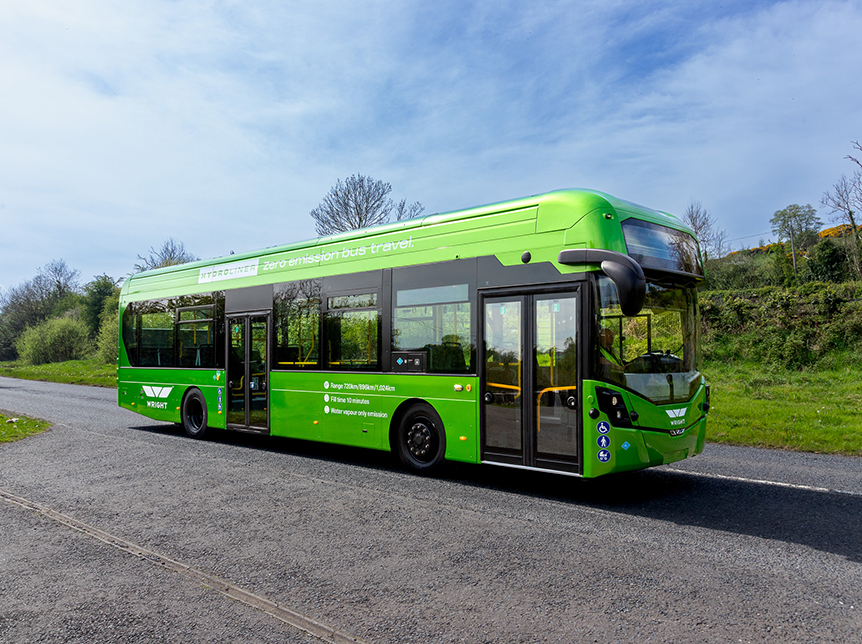
Hydrogen Fuel Cell Vehicles vs Hybrid Vehicles: Pros and Cons Explained
Read on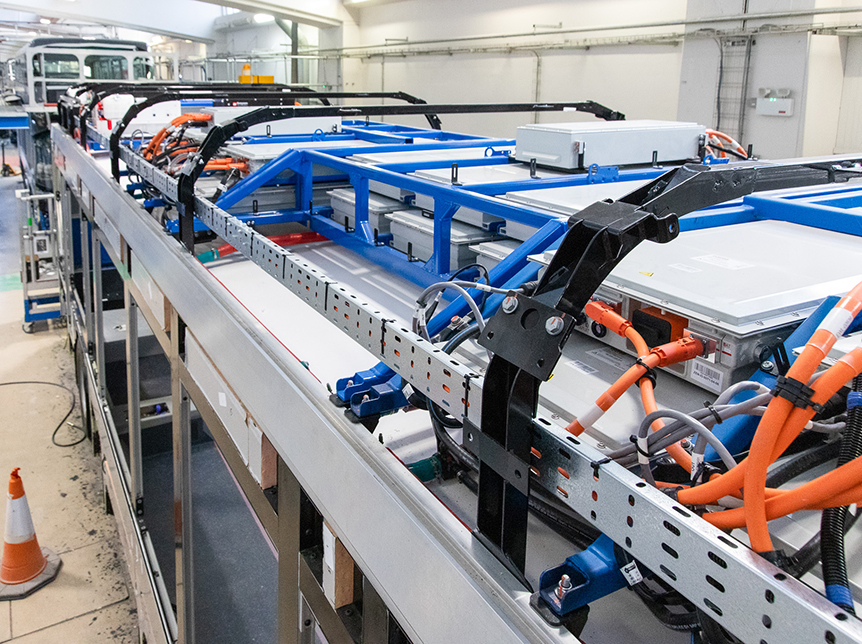
Bus Companies in the UK and the Growth of Electric Bus Manufacturing
Read on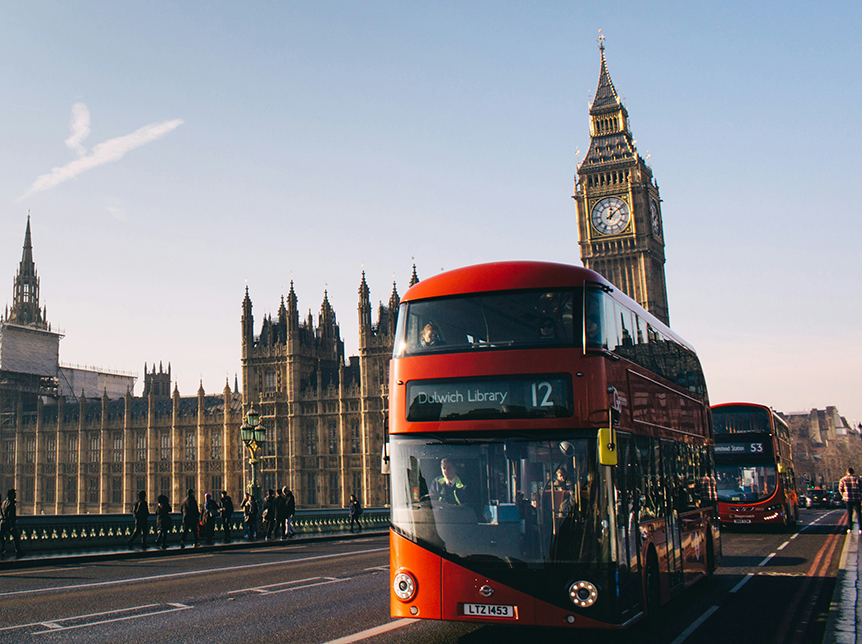
London Electric Buses and the Rise of UK Zero-Emission Bus Manufacturing
Read on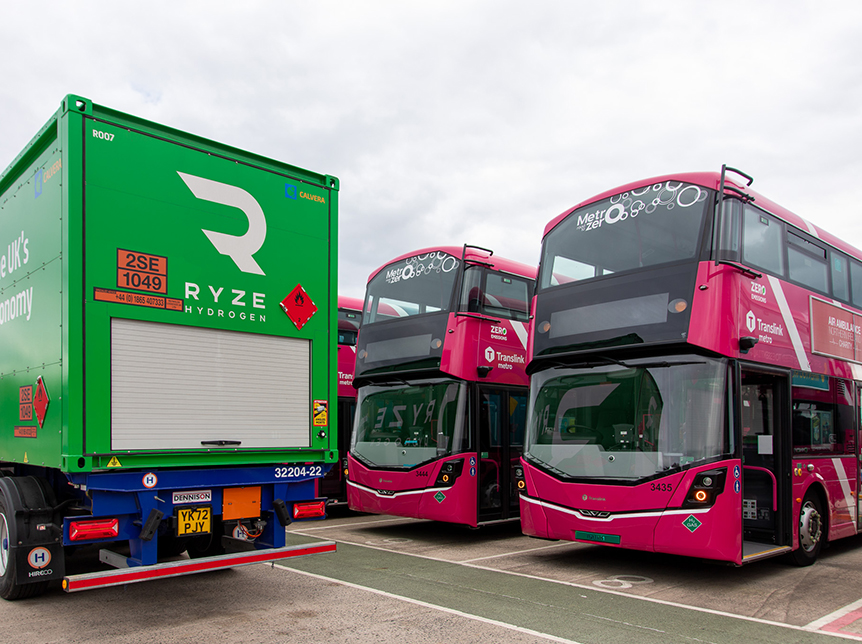
Hydrogen Fuel Cell Vehicles and the Future of Clean Transport in the UK
Read on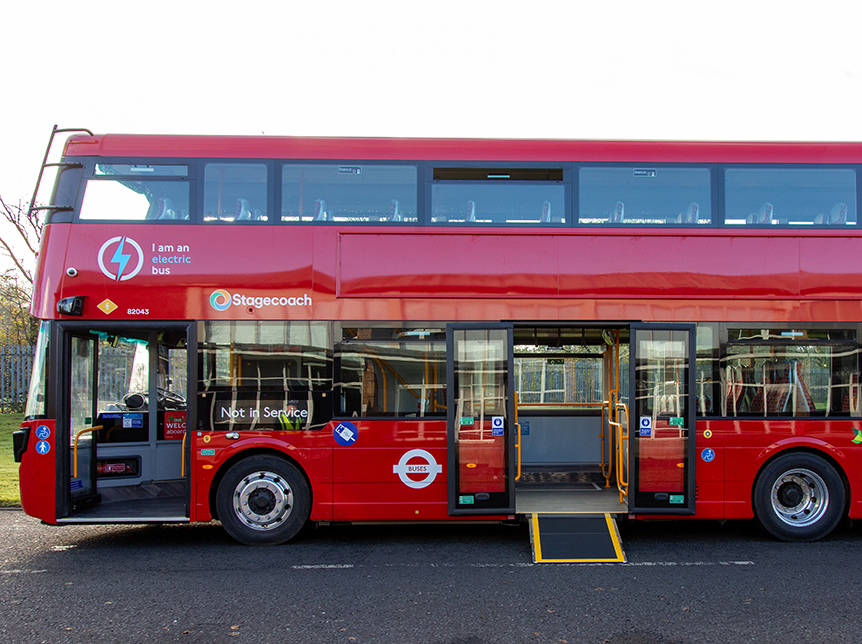
Electric Buses UK: Electric Double-Decker Bus & Bus Dimensions Guide
Read on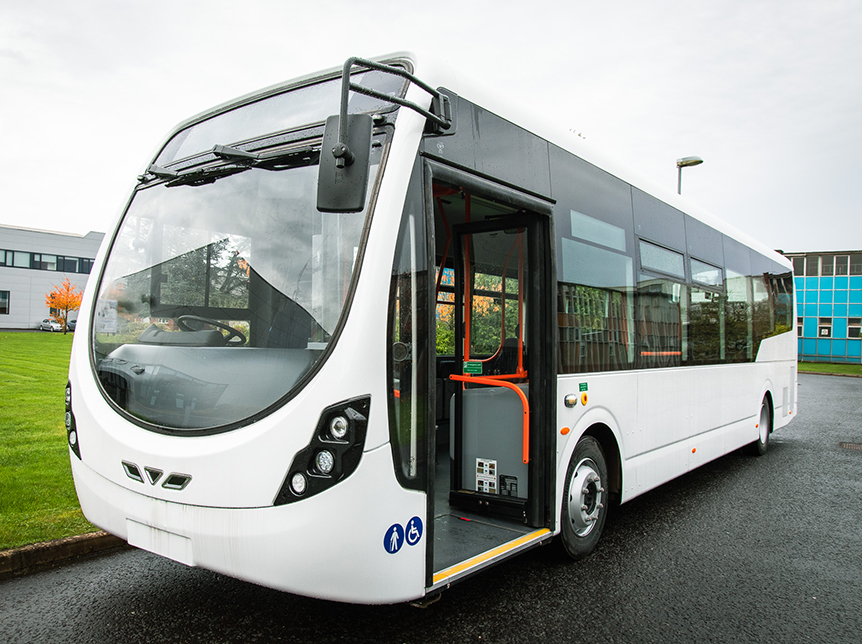
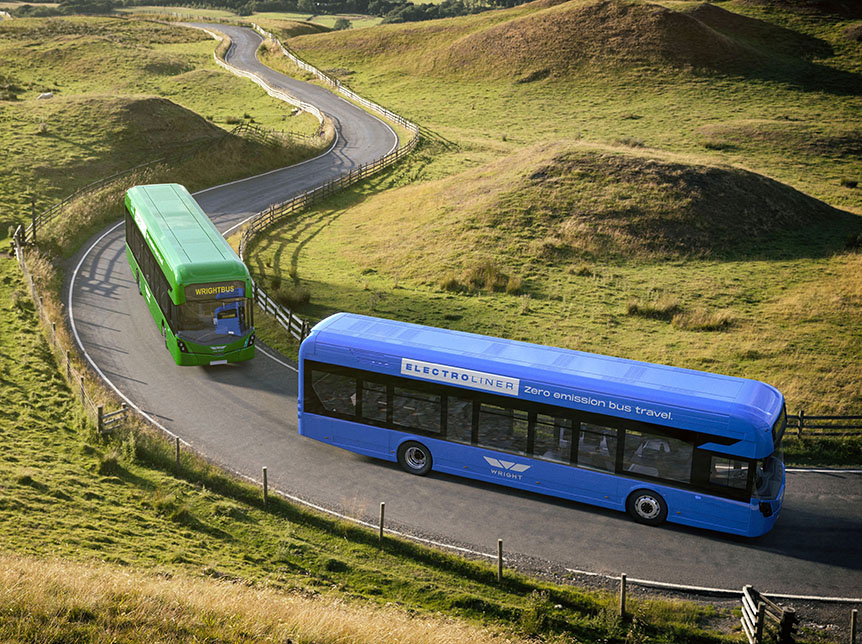
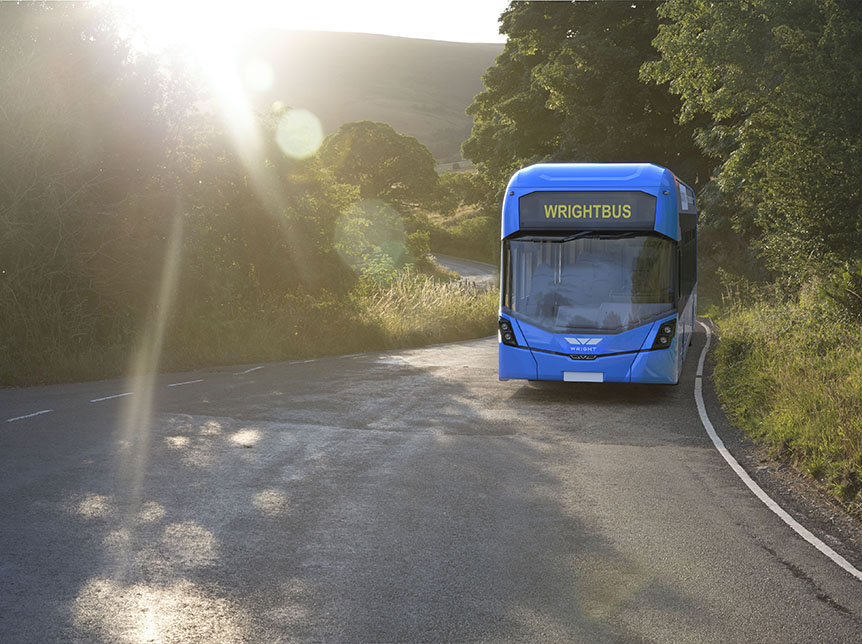
Single Decker Electric Buses: Paving the Way for Sustainable Public Transport
Read on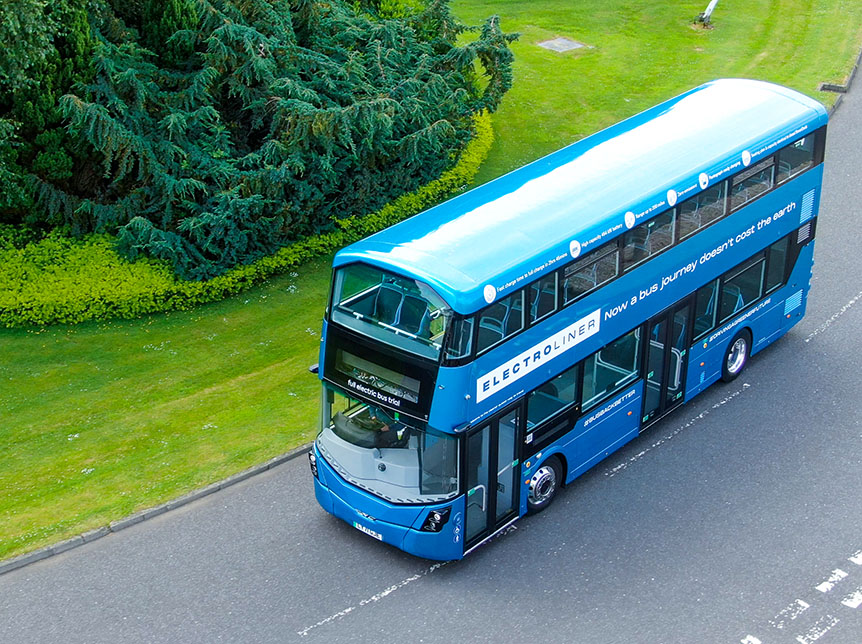
The Double Decker Electric Buses: Revolutionizing Urban Transportation
Read on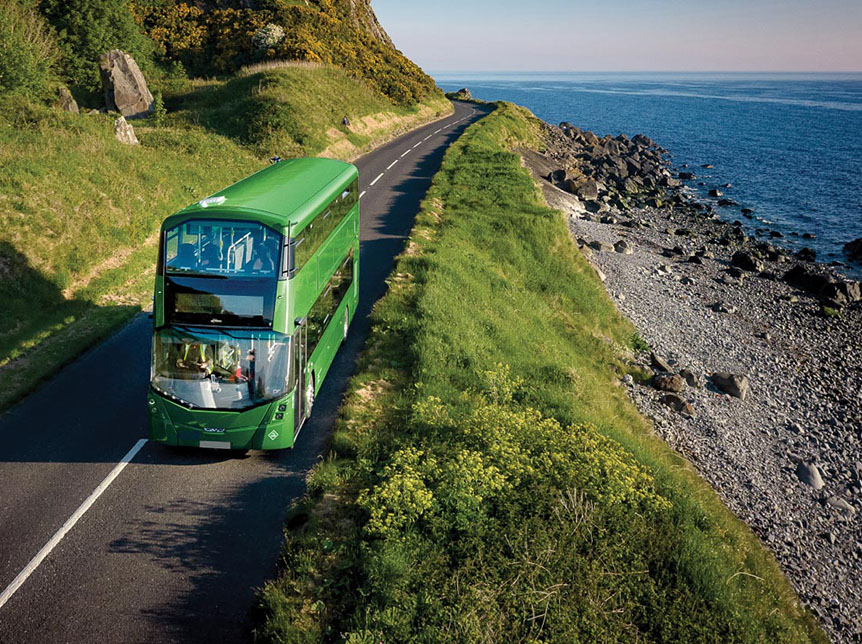
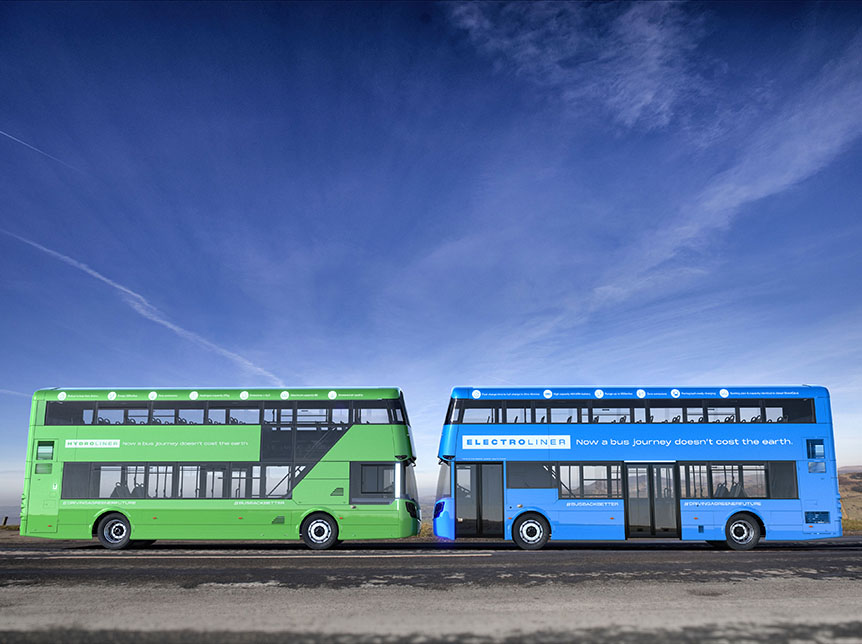
Electric Buses and Hydrogen Vehicles: Driving the Future of Sustainable Transportation
Read on
Hybrid Buses: The Future of Sustainable Double Decker Transportation
Read on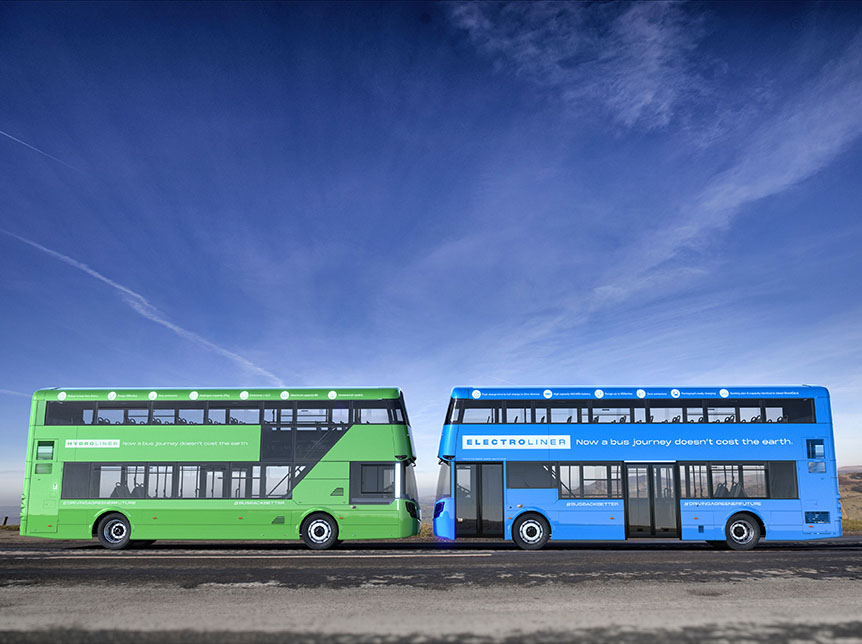
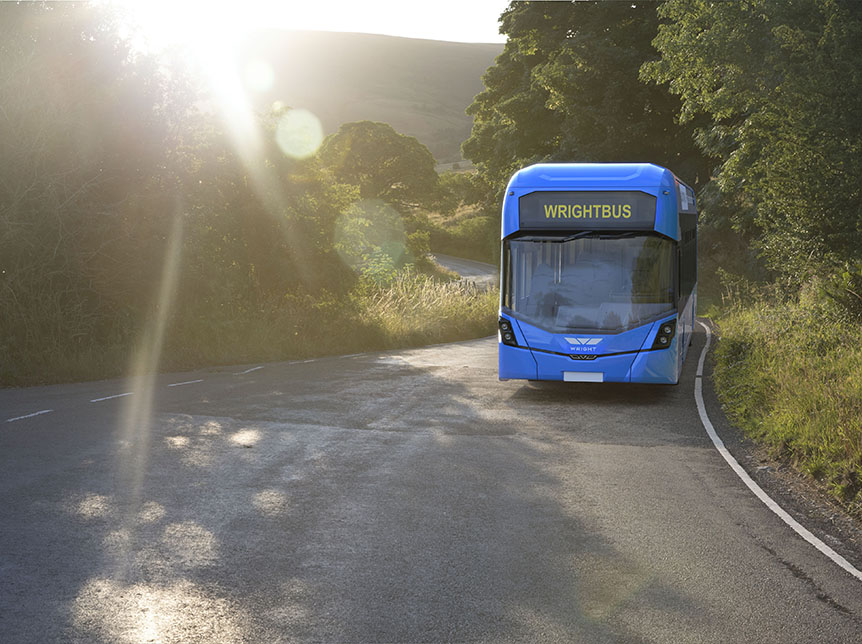
The Future of Public Transit: Single Decker Buses and Hydrogen Fuel Cell Vehicles
Read on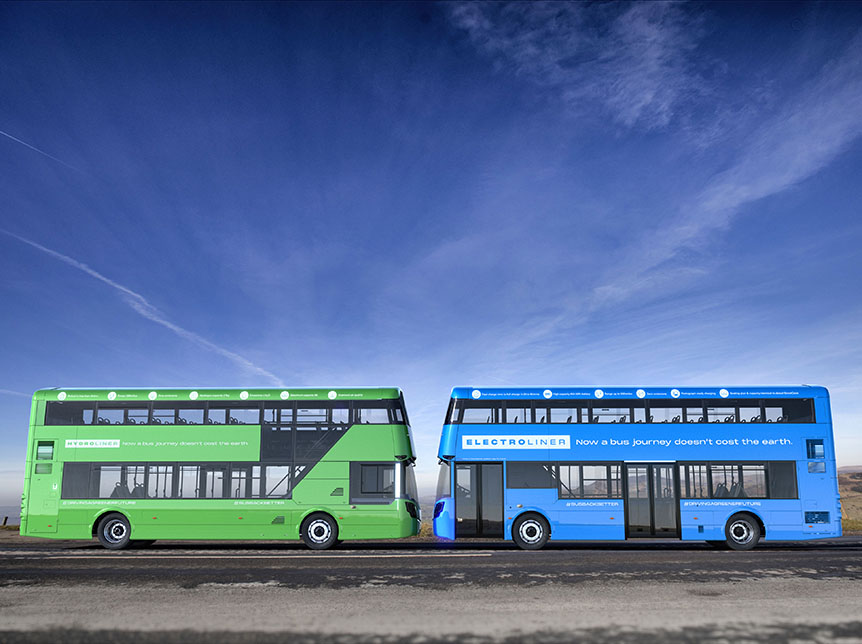
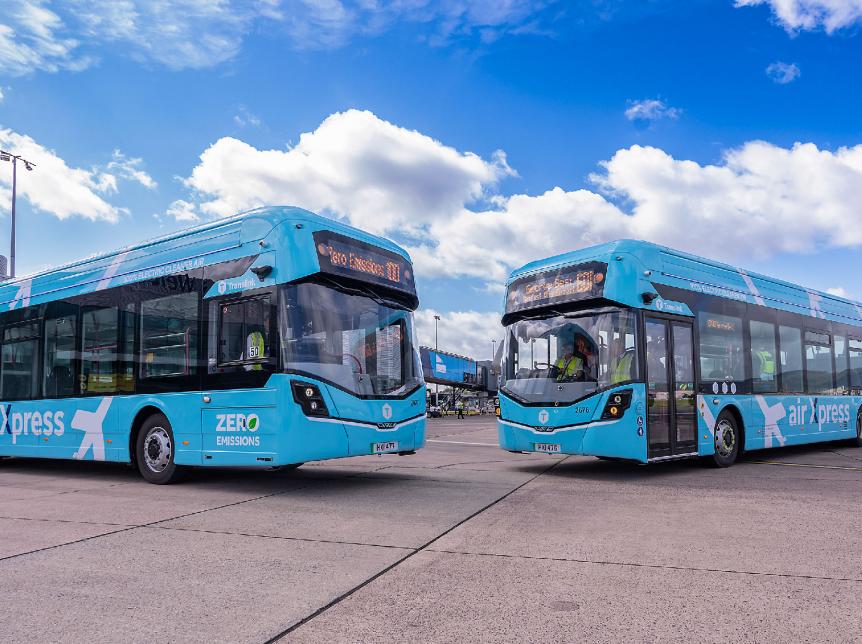
Exploring the Future of Transportation: Battery Electric Vehicles and Double Decker Buses
Read on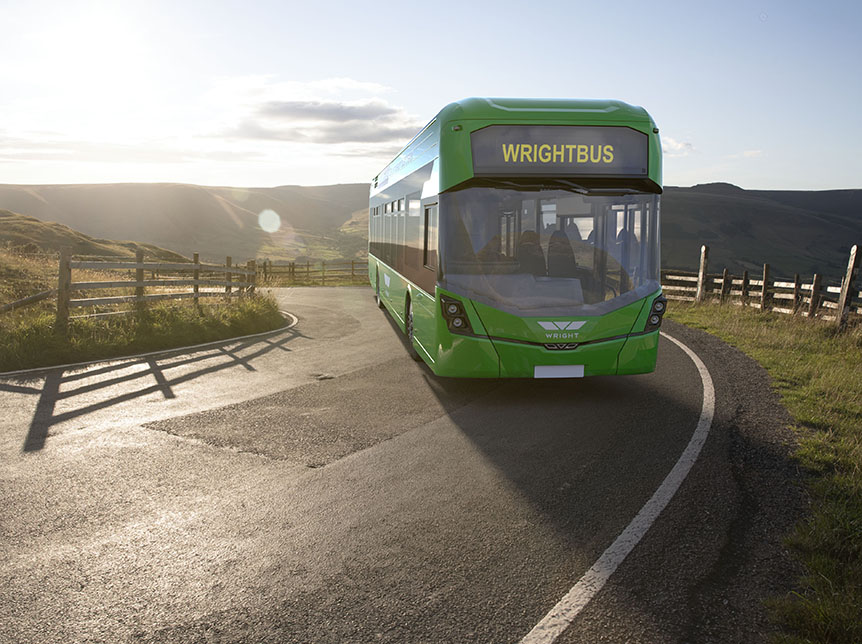
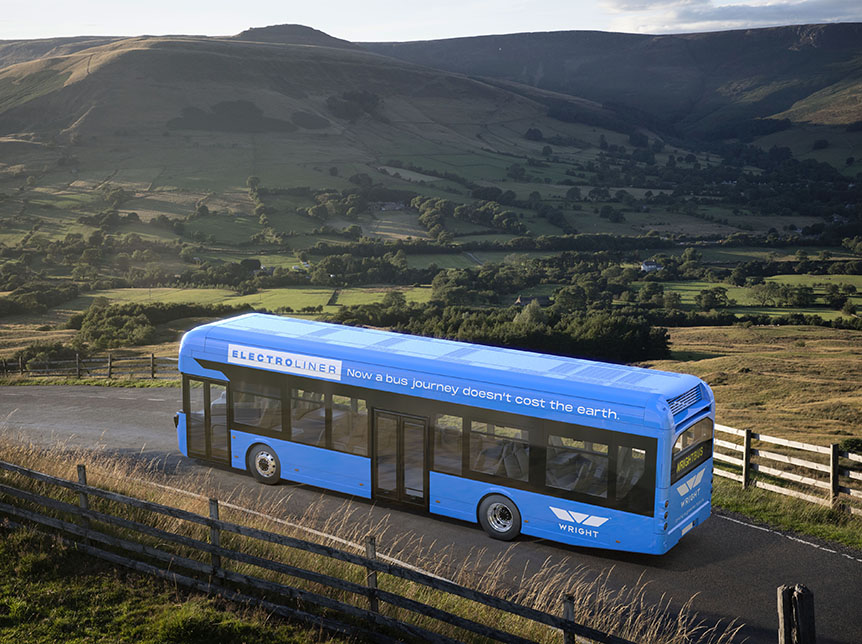
Navigating Urban Landscapes: The Versatility of Single Deck Buses and Double Deck Buses
Read on
Get in touch
Wrightbus has been at the forefront of transport innovation since 1946, relentlessly pushing the boundaries with its commitment to quality, style and safety.