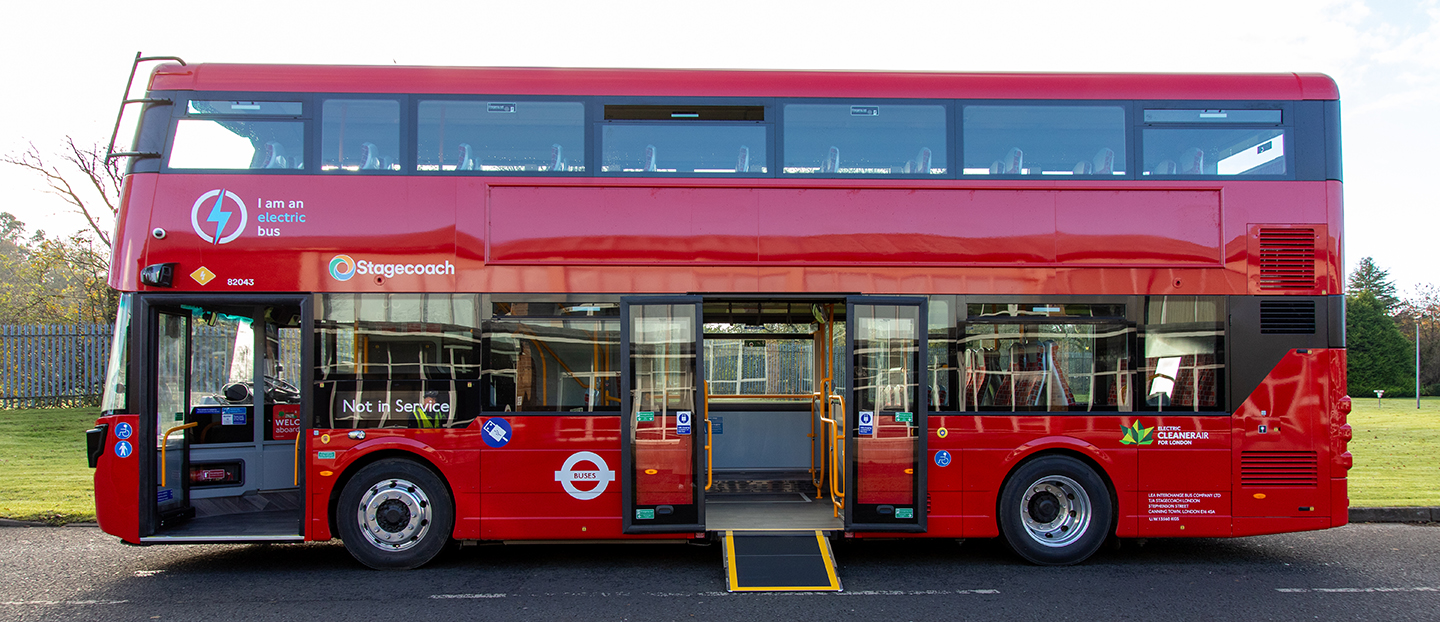
The demand for cleaner and more efficient transport is growing rapidly, and electric buses in the UK are becoming a major part of this transformation. Across cities, public transport systems are shifting towards zero-tailpipe-emission mobility to reduce pollution and improve urban air quality. Along with this shift, the popularity of the electric double-decker bus is increasing, while understanding double-decker bus dimensions is important for planning and operations.
Electric Buses in the UK
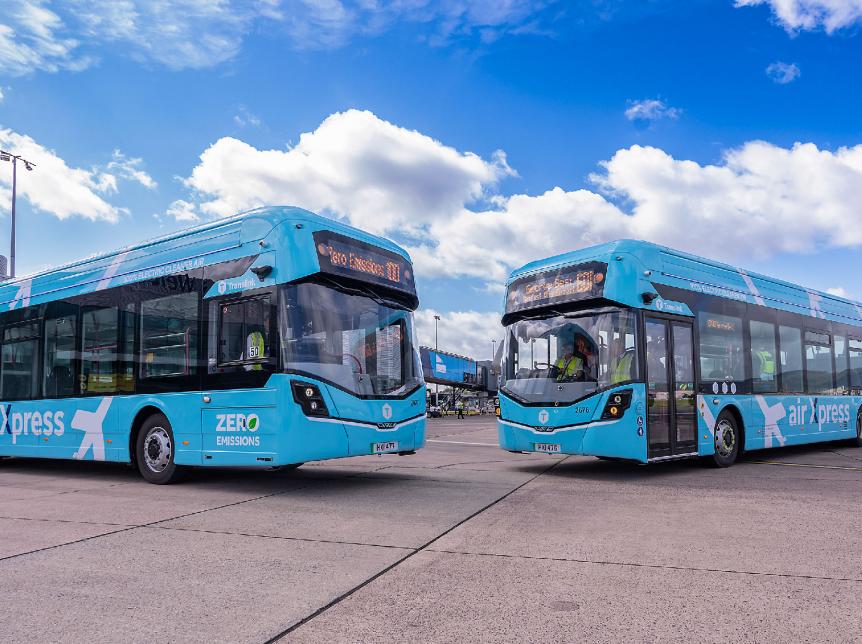
Electric buses are now widely used across the UK as part of efforts to build sustainable transport networks. These buses run entirely on electric power instead of diesel, helping reduce carbon emissions and noise pollution in busy urban areas.
The adoption of electric buses in the UK is driven by environmental goals, rising fuel efficiency needs, and long-term cost savings for operators. They are especially effective in cities with high passenger traffic and frequent stop-and-go routes.
Key benefits include:
- Zero tailpipe emissions for cleaner cities
- Lower fuel and maintenance costs
- Quiet operation for reduced noise pollution
- Improved energy efficiency with regenerative braking
Electric buses can often operate on existing routes, but successful deployment normally requires careful duty-cycle analysis, depot charging infrastructure, grid-capacity assessment and charging strategy planning.
Electric Double-Decker Bus
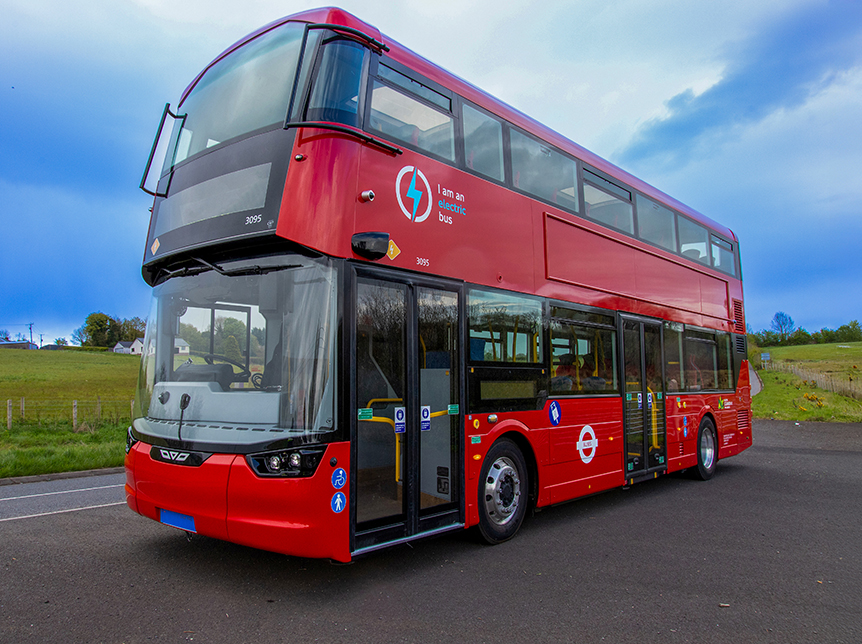
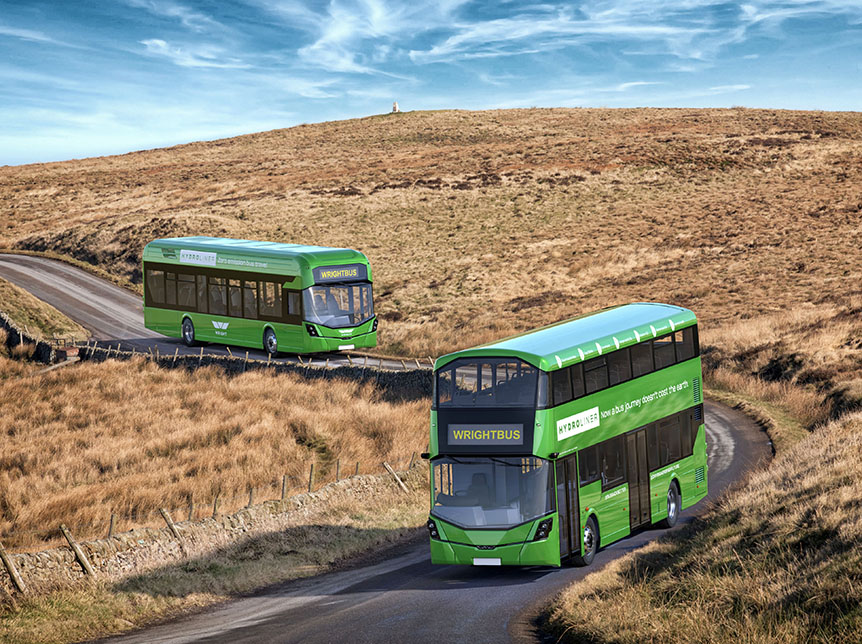
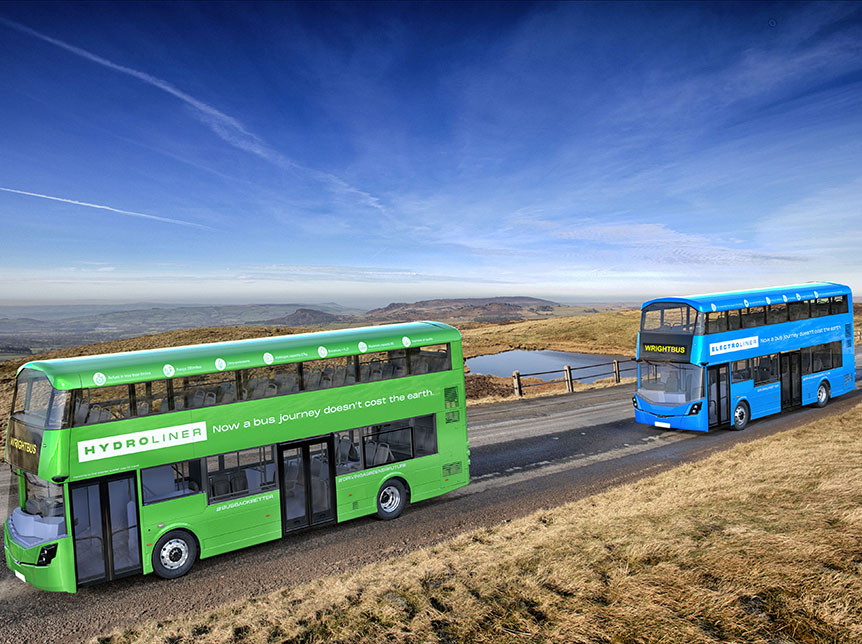
The electric double-decker bus is a high-capacity vehicle designed for busy urban routes. It combines the traditional double-deck layout with modern electric drivetrain technology, making it suitable for large passenger volumes while maintaining environmental sustainability.
These buses are widely used in metropolitan areas where demand for public transport is high. Their design focuses on both efficiency and passenger comfort.
Key advantages include:
- High passenger capacity for crowded routes
- Zero tailpipe emissions for improved air quality
- Smooth and quiet ride experience
- Lower operating costs over time
- Efficient charging options for daily operations
The electric double-decker bus plays a key role in helping cities transition towards more sustainable public transport systems.
Dimensions of Double-Decker Bus
Understanding double-decker bus dimensions is essential for road safety, route design, and infrastructure compatibility. Although sizes vary by model and specification, most standard double-deck buses follow a common range.
Typical dimensions include:
- Length: typically around 10.5 to 11.5 metres
- Width: around 2.5 metres
- Height: typically around 4.3 to 4.4 metres
- Passenger capacity: 70 to 100+ passengers
The height is especially important because it must ensure safe clearance under bridges, flyovers, and other urban structures. Despite their size, double-decker buses are designed for stability and smooth movement in city traffic.
Electric versions generally maintain similar external dimensions to conventional buses, allowing them to operate on many existing routes, although charging infrastructure and depot/grid upgrades may still be required.
Conclusion
The growth of electric buses in the UK is a major step towards sustainable transport. The increasing use of the electric double-decker bus is helping cities manage high passenger demand while reducing environmental impact. At the same time, understanding the dimensions of double-decker buses ensure these vehicles can be safely and efficiently integrated into urban transport networks.
Together, these developments are shaping a cleaner, smarter, and more efficient future for public transport.
Q1. What are electric buses in the UK mainly used for?
Electric buses in the UK are mainly used for public transport in cities to reduce emissions, noise pollution, and fuel dependency.
Q2. How does an electric double-decker bus work?
An electric double-decker bus runs on battery-powered electric motors instead of diesel engines and is charged through depot or fast charging systems.
Q3. What are the benefits of electric double-decker buses?
They offer zero tailpipe emissions, high passenger capacity, potentially lower running costs, and a quieter travel experience compared to traditional buses.
Q4. What is the average height of a double-decker bus?
Most double-decker buses have a height of around 4.3 to 4.4 metres, depending on the model and design.
Q5. Are electric double-decker buses different in size from conventional buses?
Electric double-decker buses generally maintain similar external dimensions to conventional models, but depot charging, grid capacity and operational planning still need to be considered.
Read more
Zero-Emission Vehicles and Double-Deck Coaches: The Future of Travel
Read on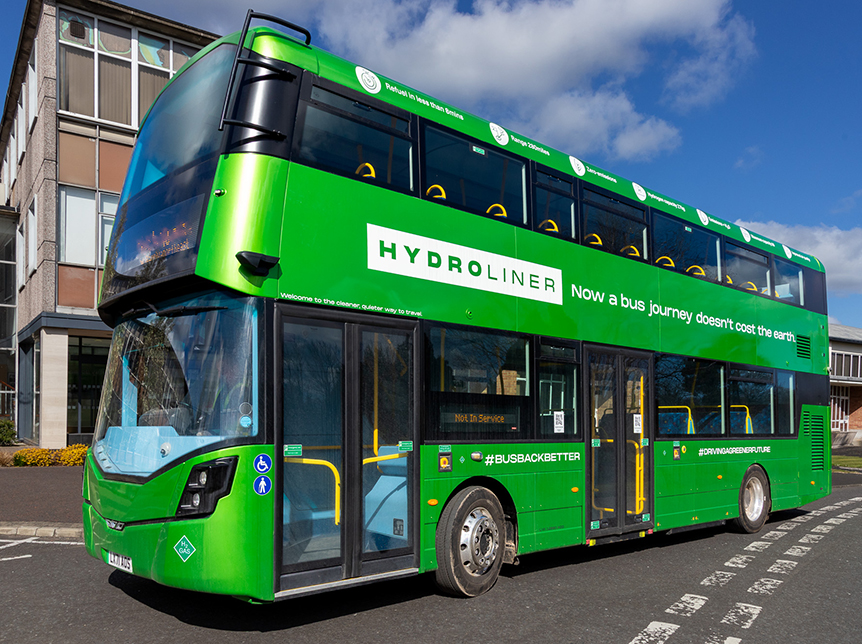
Hydrogen-Powered Vehicles and Double-Deck Articulated Bus Technology
Read on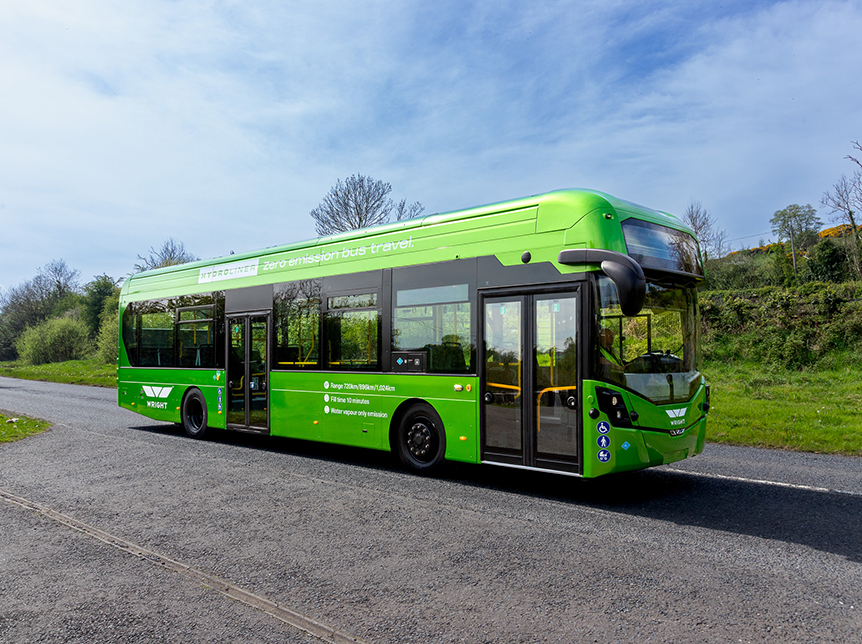
Hydrogen Fuel Cell Vehicles vs Hybrid Vehicles: Pros and Cons Explained
Read on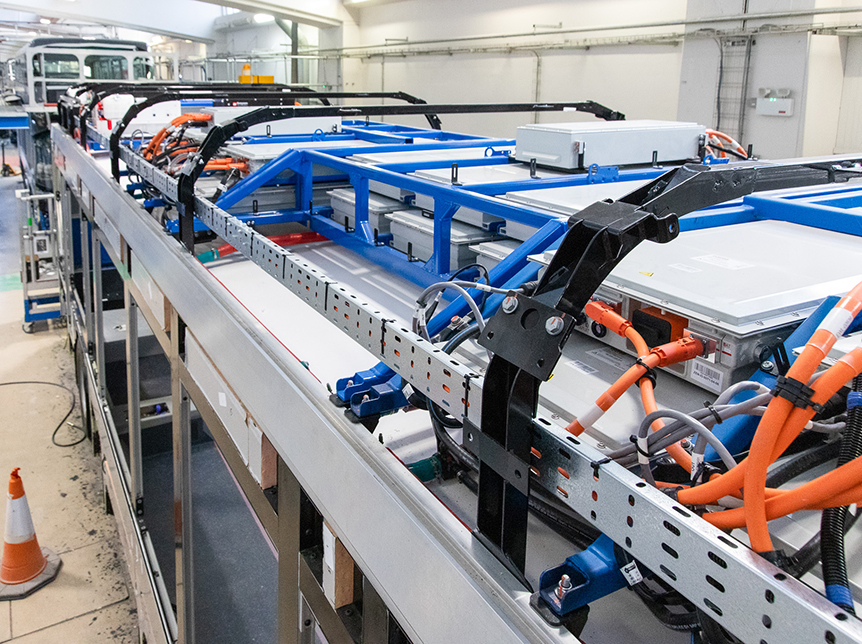
Bus Companies in the UK and the Growth of Electric Bus Manufacturing
Read on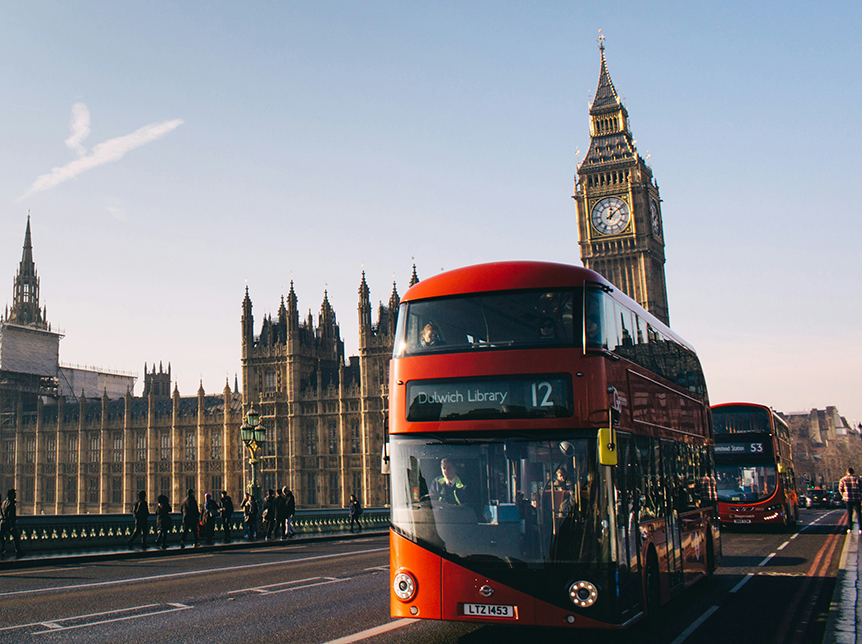
London Electric Buses and the Rise of UK Zero-Emission Bus Manufacturing
Read on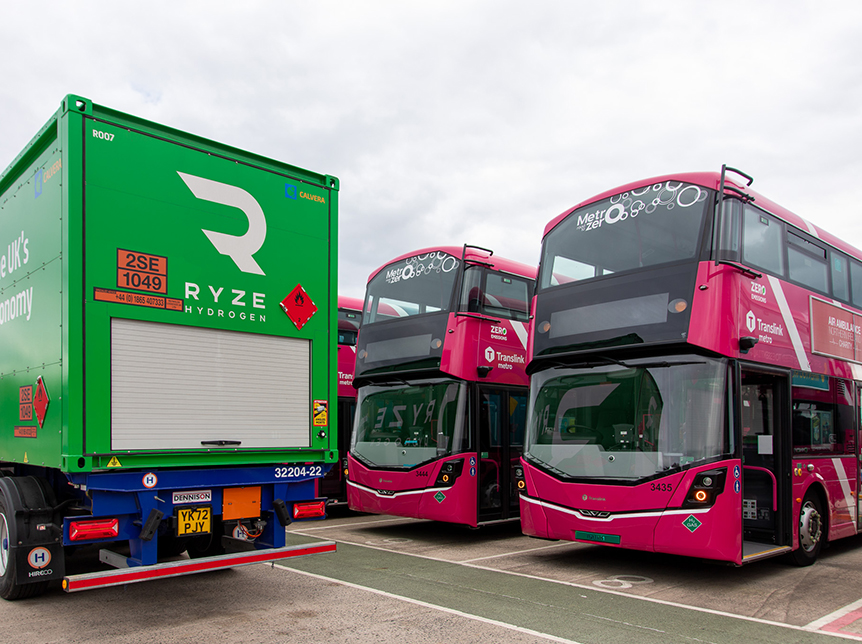
Hydrogen Fuel Cell Vehicles and the Future of Clean Transport in the UK
Read on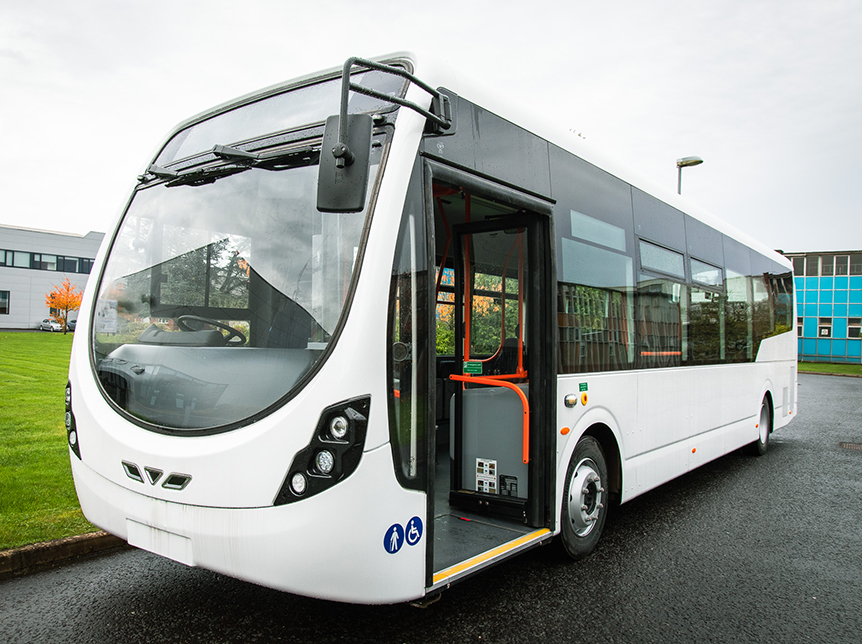
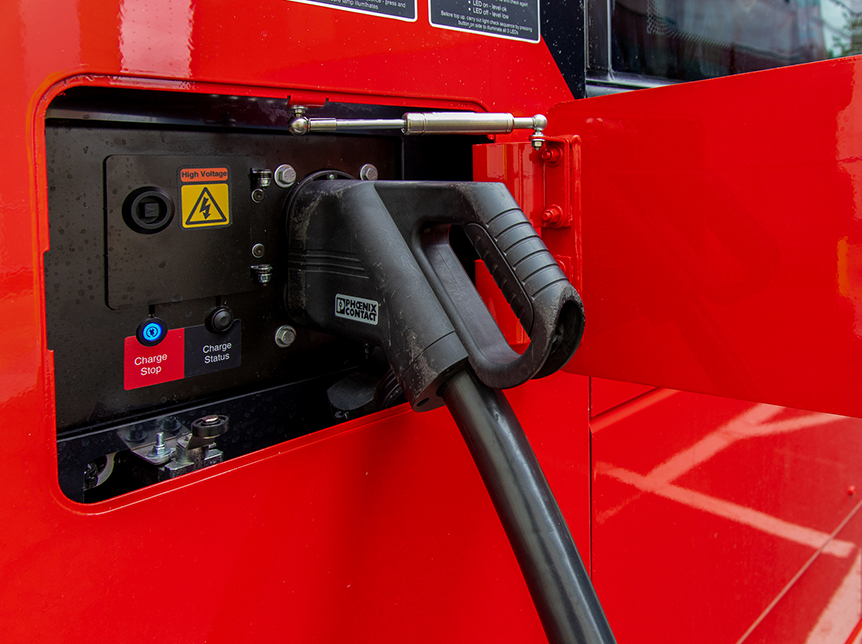
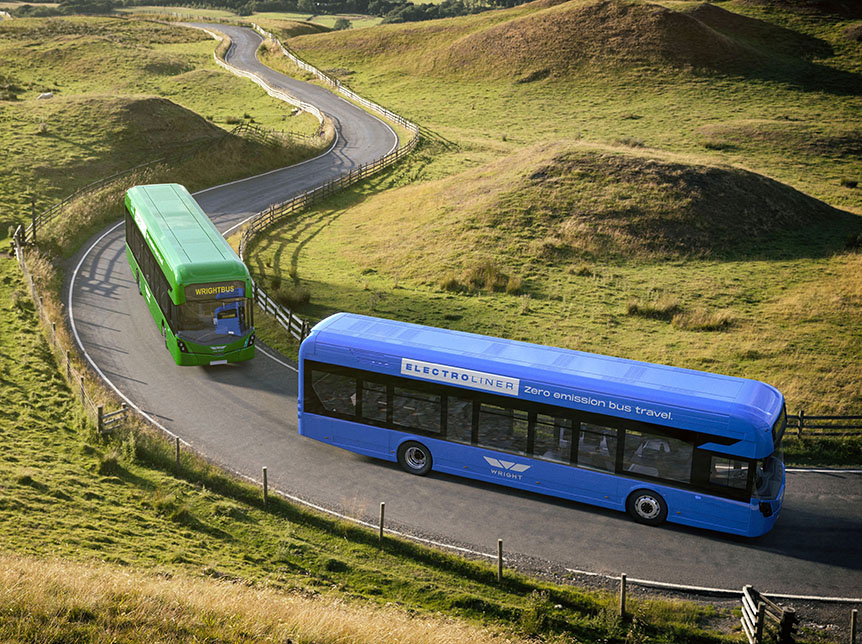
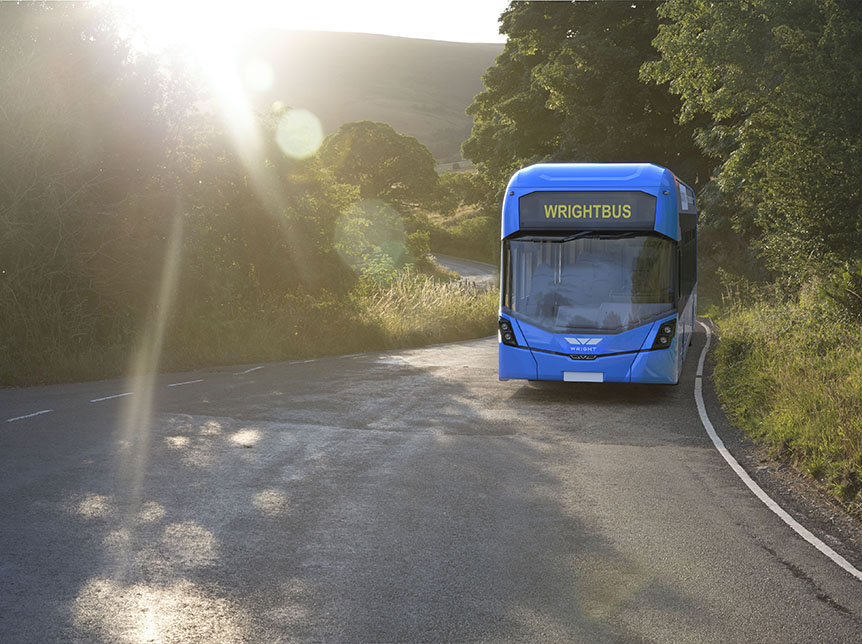
Single Decker Electric Buses: Paving the Way for Sustainable Public Transport
Read on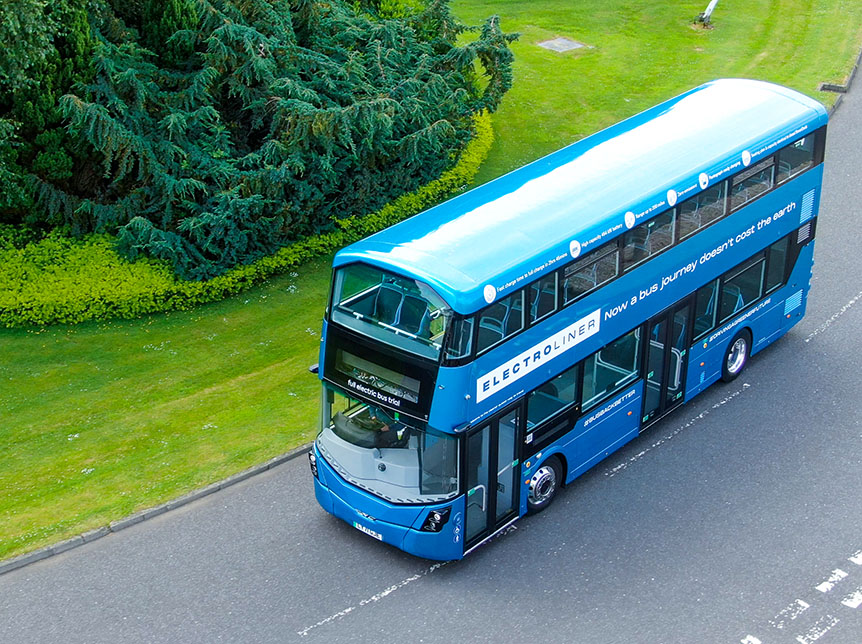
The Double Decker Electric Buses: Revolutionizing Urban Transportation
Read on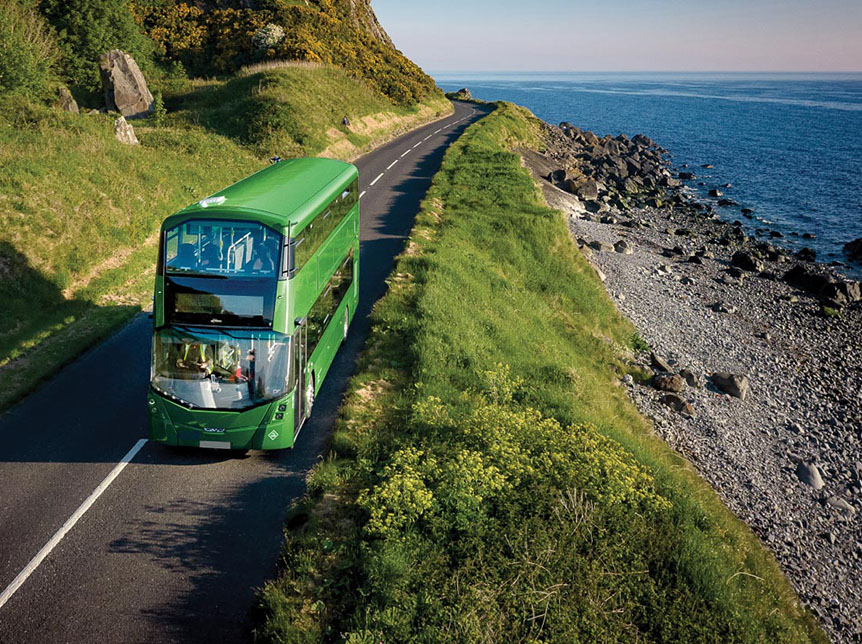
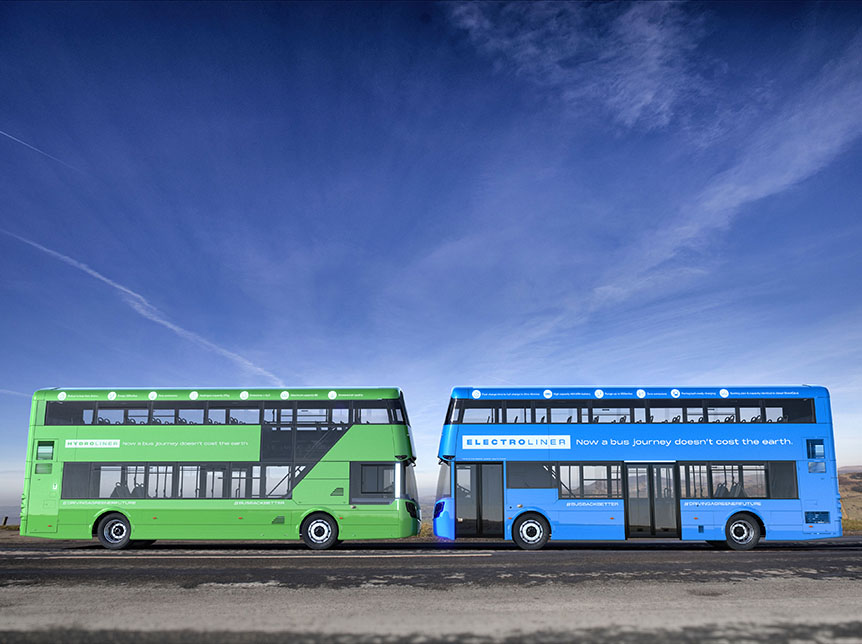
Electric Buses and Hydrogen Vehicles: Driving the Future of Sustainable Transportation
Read on
Hybrid Buses: The Future of Sustainable Double Decker Transportation
Read on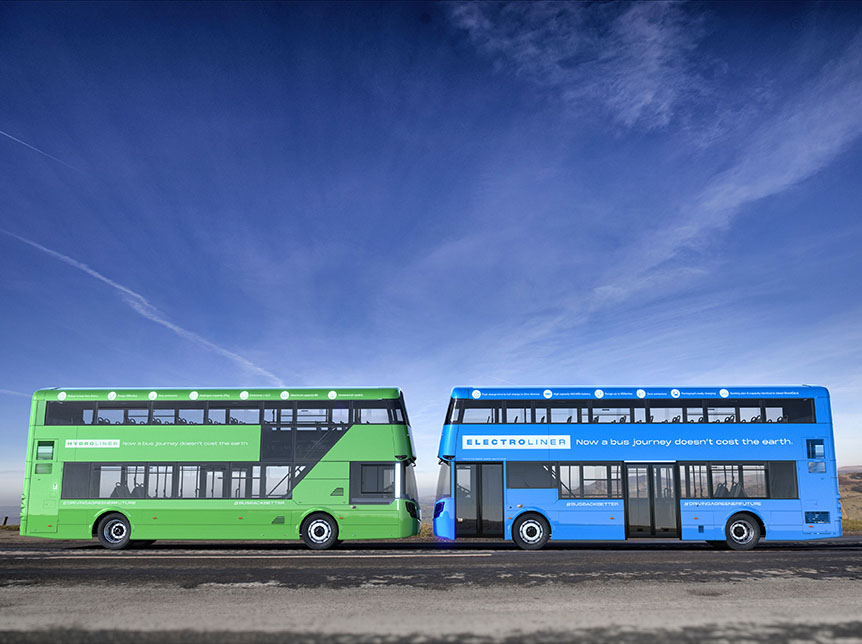
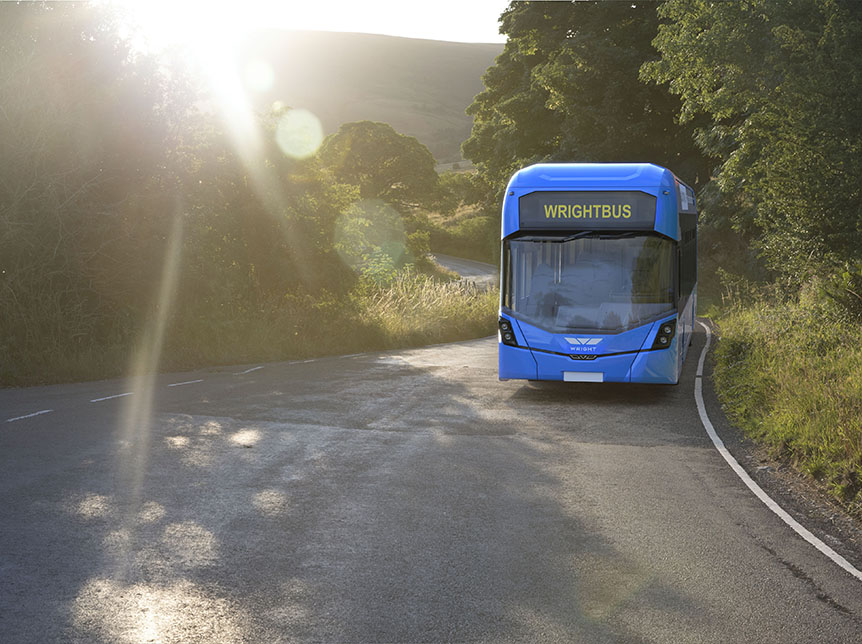
The Future of Public Transit: Single Decker Buses and Hydrogen Fuel Cell Vehicles
Read on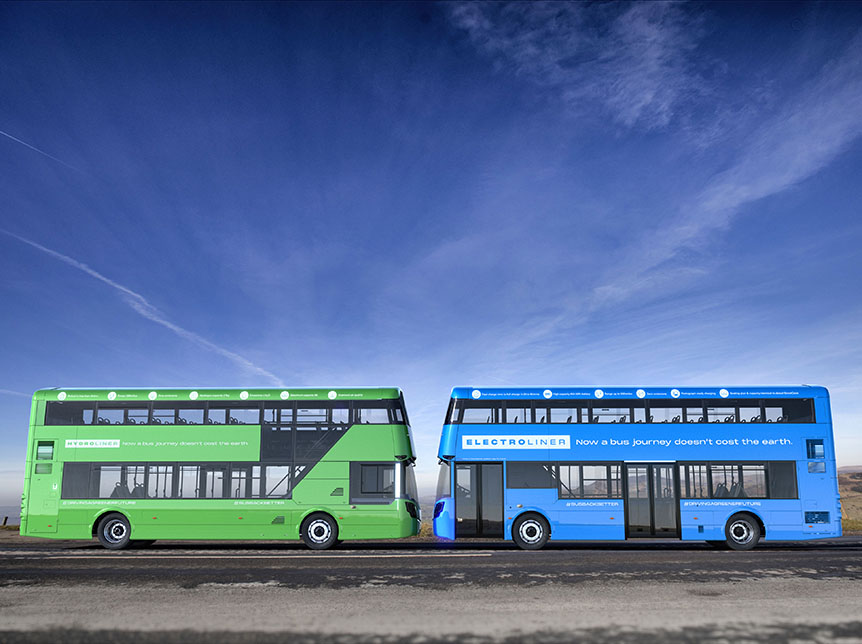
Exploring the Future of Transportation: Battery Electric Vehicles and Double Decker Buses
Read on
Navigating Urban Landscapes: The Versatility of Single Deck Buses and Double Deck Buses
Read on
Get in touch
Wrightbus has been at the forefront of transport innovation since 1946, relentlessly pushing the boundaries with its commitment to quality, style and safety.