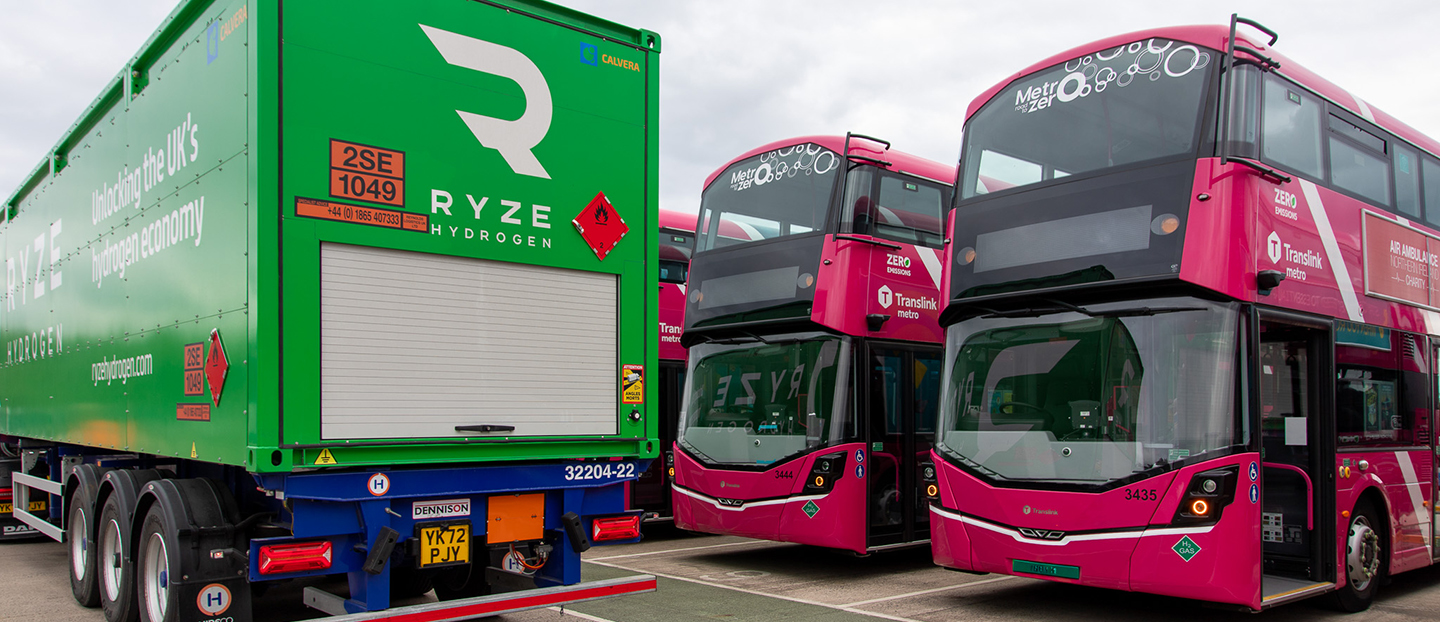
Hydrogen technology is rapidly emerging as one of the most promising solutions for reducing emissions in the transport sector. As countries move towards cleaner energy systems, interest in hydrogen fuel cell vehicles, hydrogen-powered vehicles, and hybrid vehicles UK is growing steadily. These innovations are reshaping how buses, cars, and commercial fleets operate, especially in major cities focused on sustainability.
What Are Hydrogen Fuel Cell Vehicles?
Hydrogen fuel cell vehicles use hydrogen gas to generate electricity through a chemical reaction inside a fuel cell. Instead of burning fuel like traditional engines, they produce electricity to power an electric motor. The only by-product is water vapour, making them an environmentally friendly alternative to diesel and petrol vehicles.
One of the biggest advantages of hydrogen fuel cell vehicles is their long driving range and quick refuelling time. Unlike battery-electric vehicles that require long charging periods, hydrogen vehicles can be refuelled in just a few minutes, making them highly suitable for commercial transport and long-distance travel.
Hydrogen-Powered Vehicles in Modern Transport
The demand for hydrogen-powered vehicles is increasing as governments and industries aim to meet strict carbon reduction targets. These vehicles are especially useful in sectors like public transport, logistics, and heavy-duty operations where battery weight and charging time can be limiting factors.
Hydrogen vehicles can support high daily mileage and fast refuelling, which makes them attractive for demanding duty cycles. Performance, efficiency and reliability still depend on system design, ambient conditions, hydrogen quality and maintenance strategy.
Hydrogen Buses in London
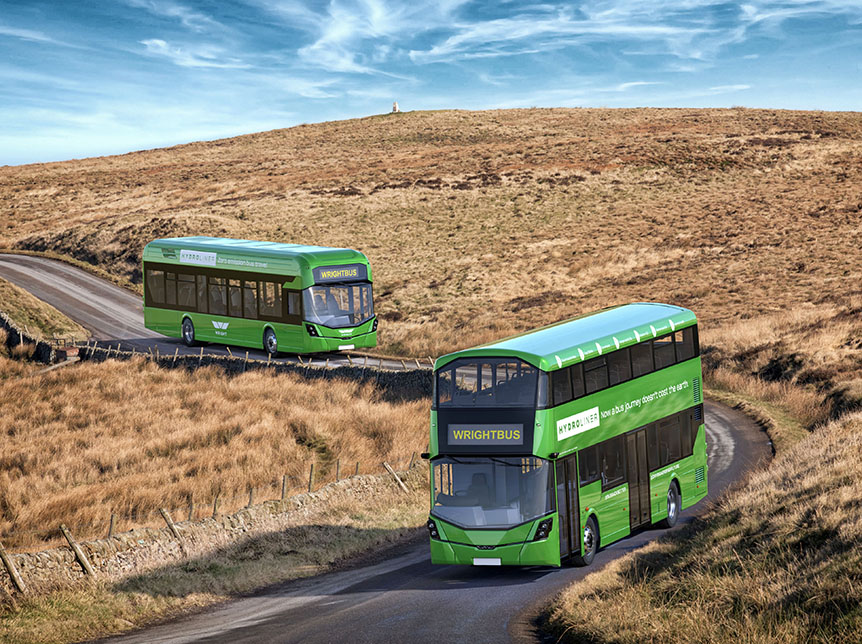
One of the most notable examples of hydrogen adoption in public transport can be seen in hydrogen buses London initiatives. The city has been actively testing and deploying hydrogen-powered buses to reduce air pollution and improve urban air quality.
London has introduced hydrogen buses as part of its broader strategy to reduce transport emissions. These buses operate quietly, produce no tailpipe NOx or particulate emissions, and emit water vapour as the main exhaust by-product.
Hydrogen buses are particularly beneficial in dense urban environments where reducing noise and air pollution is a top priority. As infrastructure improves, more hydrogen refuelling stations are expected to support wider adoption across the city.
Hybrid Vehicles UK and the Transition Phase
While hydrogen technology continues to develop, hybrid vehicles UK still play a crucial role in the transition towards full electrification. Hybrid vehicles combine a traditional internal combustion engine with an electric motor, offering improved fuel efficiency and reduced emissions compared to conventional vehicles.
In the UK, hybrid vehicles act as a bridge technology, helping consumers and businesses gradually shift towards cleaner alternatives like hydrogen and fully electric systems. They are widely used in both private and commercial sectors due to their flexibility and potentially lower running costs.
The Future of Hydrogen Mobility
The future of transport is likely to include a mix of technologies, with hydrogen playing a key role alongside battery-electric and hybrid systems. Continued investment in infrastructure, research, and production will determine how quickly hydrogen becomes mainstream.
As innovation progresses, hydrogen fuel cell technology is expected to expand beyond buses and commercial fleets into trains, trucks, and even aviation. This diversification will help reduce dependence on fossil fuels and support global sustainability goals.
Conclusion
Hydrogen is no longer just a concept for the future—it is becoming a practical solution for modern transport challenges. From hydrogen fuel cell vehicles to hydrogen-powered vehicles and expanding hydrogen buses London projects, the shift towards cleaner mobility is well underway. Alongside hybrid vehicles UK, hydrogen is set to play a vital role in building a greener, more sustainable transport ecosystem.
- What are hydrogen fuel cell vehicles?
Hydrogen fuel cell vehicles are vehicles that generate electricity using hydrogen gas. The fuel cell combines hydrogen with oxygen to produce electricity, with water vapour as the only emission. - How do hydrogen-powered vehicles work?
Hydrogen powered vehicles use a fuel cell stack to convert hydrogen into electrical energy. This electricity then powers an electric motor that drives the wheels, offering a clean and efficient alternative to fossil fuels. - Are hydrogen buses operating in London?
Yes, hydrogen buses are already being tested and used in public transport networks in London. These buses help reduce air pollution and support the city’s net-zero emission goals. - What are the benefits of hydrogen fuel cell vehicles?
They offer fast refuelling, long driving range, zero tailpipe emissions, and quieter operation compared to diesel vehicles. These advantages make them suitable for buses and commercial fleets. - How are hybrid vehicles different from hydrogen vehicles?
Hybrid vehicles combine a petrol/diesel engine with an electric motor, while hydrogen vehicles use fuel cells to generate electricity. Hybrids are transitional technologies, whereas hydrogen is a zero-tailpipe-emission solution. - Is hydrogen transport safe?
Yes, hydrogen vehicles are designed with advanced safety systems, including reinforced tanks and sensors to detect leaks. They undergo strict testing standards before being approved for public use. - Why is hydrogen important for future transport?
Hydrogen helps reduce dependence on fossil fuels and supports decarbonisation, especially in heavy transport sectors where battery-electric solutions may have limitations. - Will hydrogen vehicles replace electric vehicles?
Not entirely. Hydrogen vehicles are expected to complement battery-electric vehicles, especially in buses, trucks, and long-distance transport, rather than fully replace them.
Read more
Zero-Emission Vehicles and Double-Deck Coaches: The Future of Travel
Read on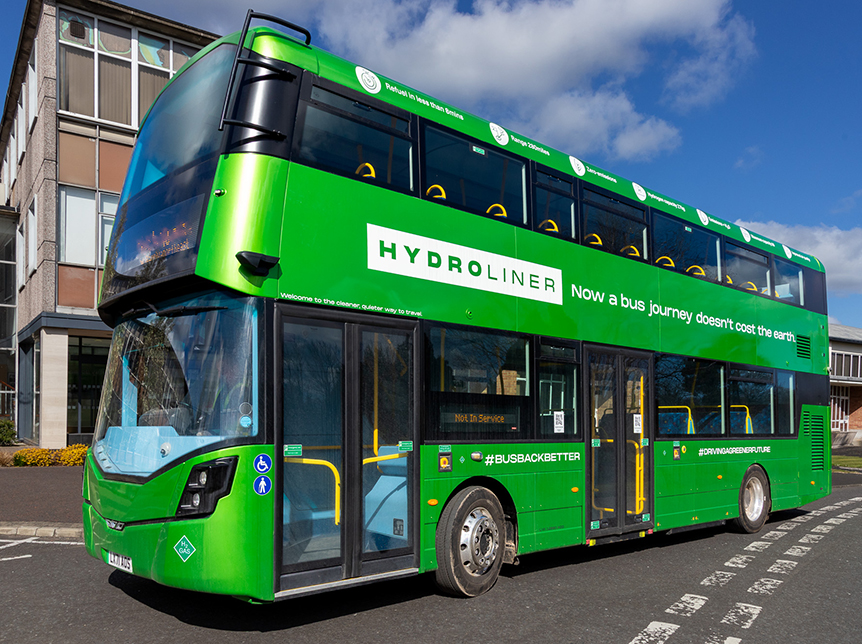
Hydrogen-Powered Vehicles and Double-Deck Articulated Bus Technology
Read on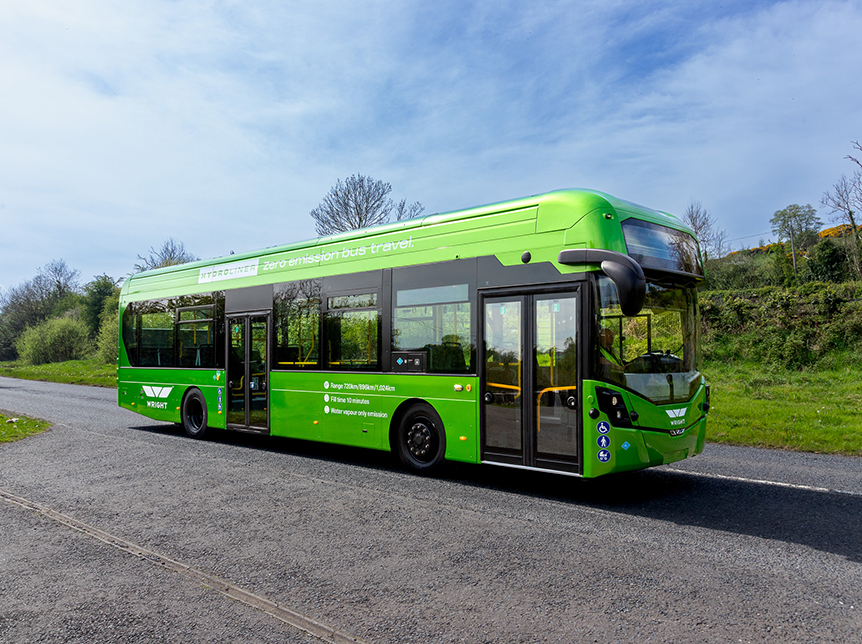
Hydrogen Fuel Cell Vehicles vs Hybrid Vehicles: Pros and Cons Explained
Read on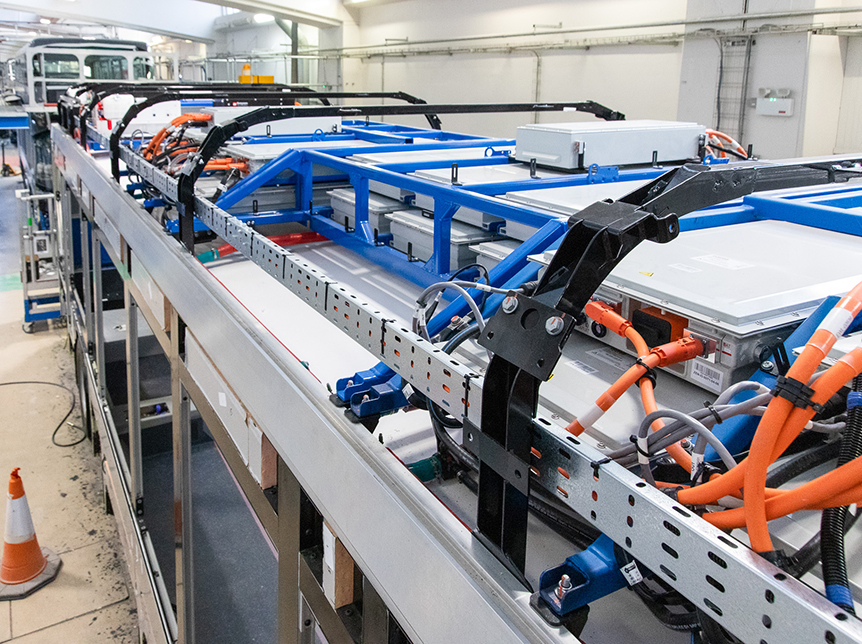
Bus Companies in the UK and the Growth of Electric Bus Manufacturing
Read on
London Electric Buses and the Rise of UK Zero-Emission Bus Manufacturing
Read on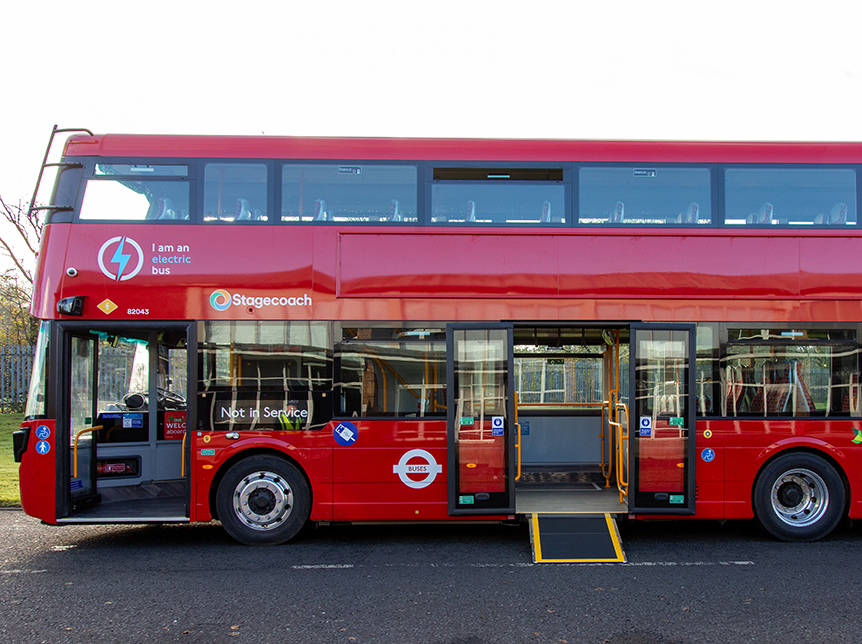
Electric Buses UK: Electric Double-Decker Bus & Bus Dimensions Guide
Read on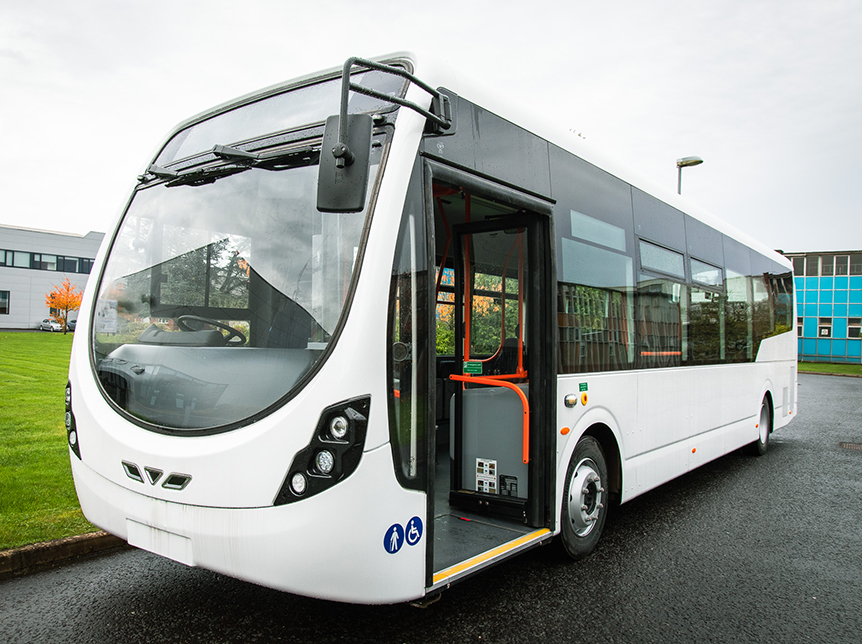
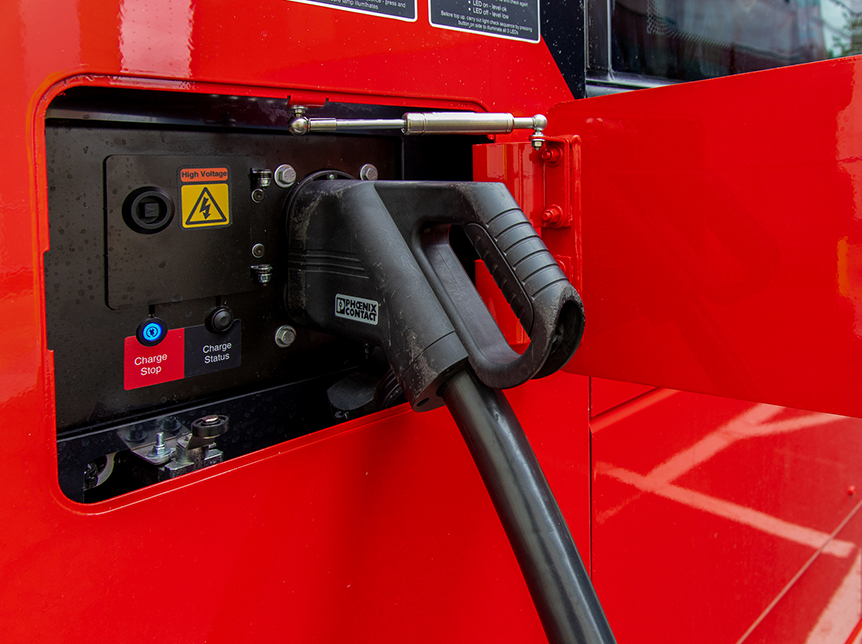
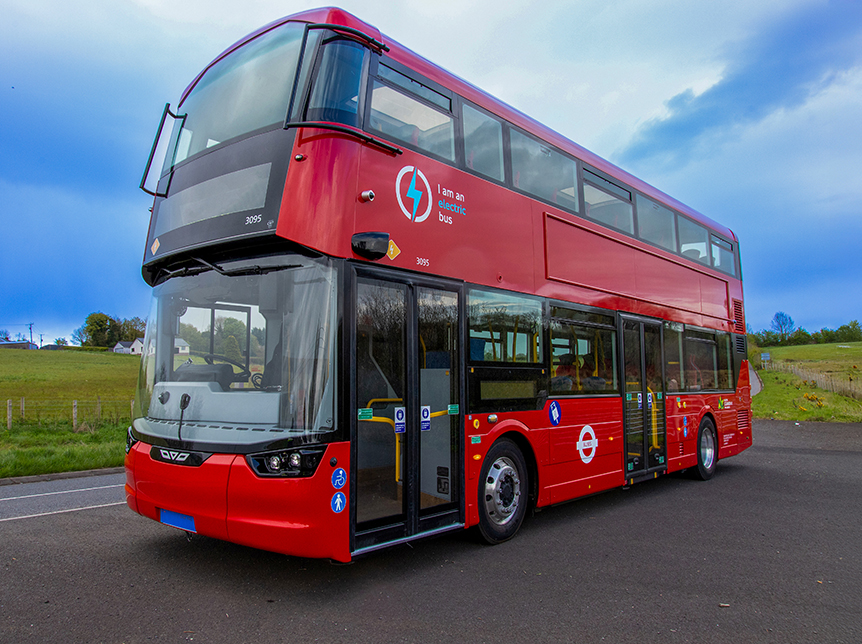
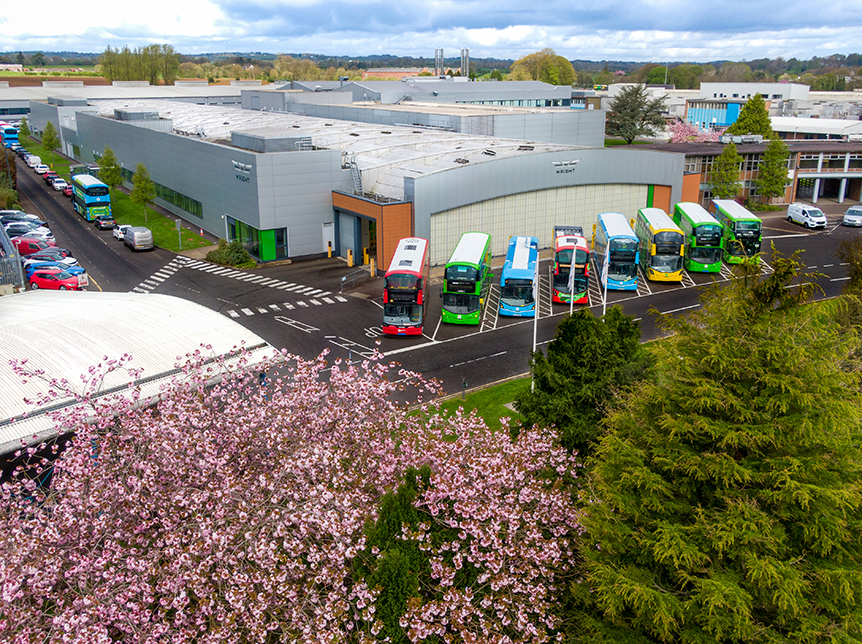
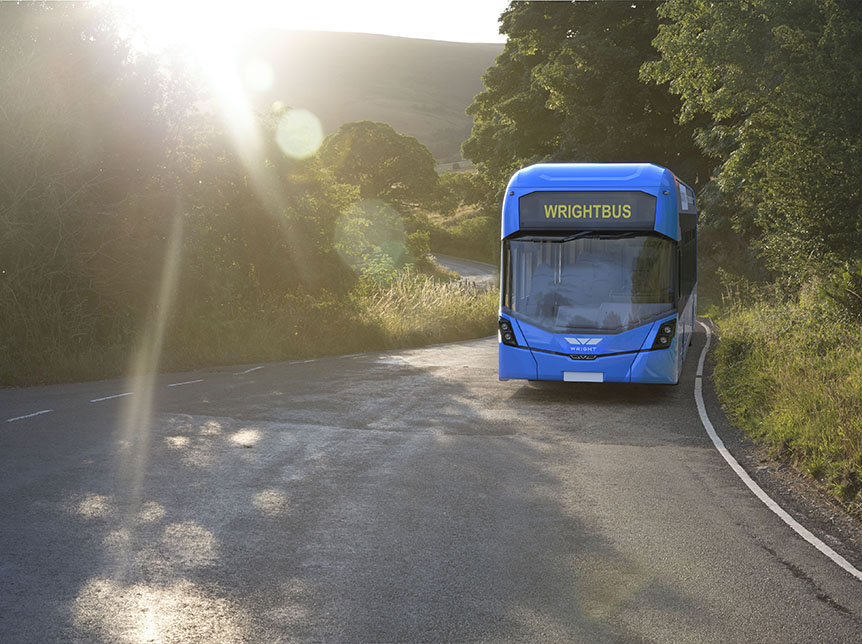
Single Decker Electric Buses: Paving the Way for Sustainable Public Transport
Read on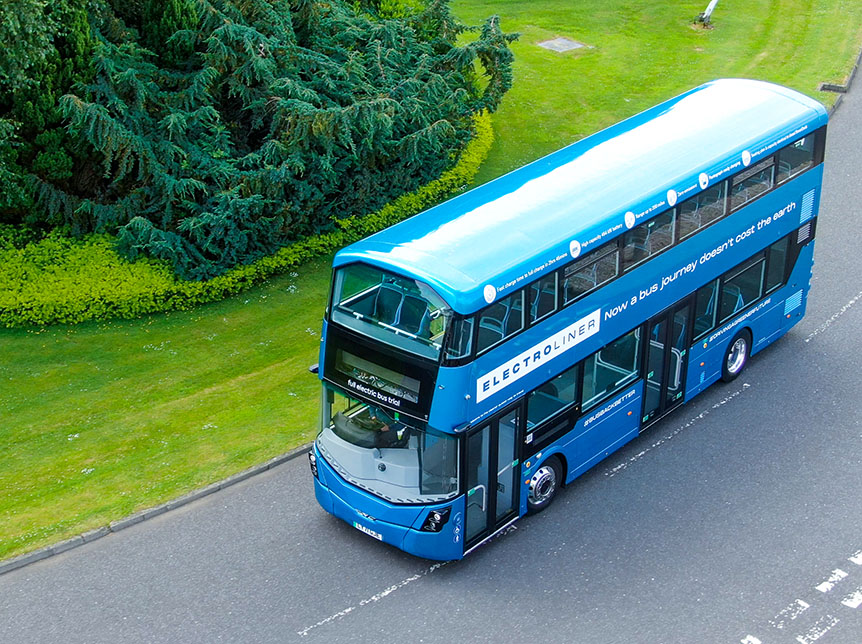
The Double Decker Electric Buses: Revolutionizing Urban Transportation
Read on
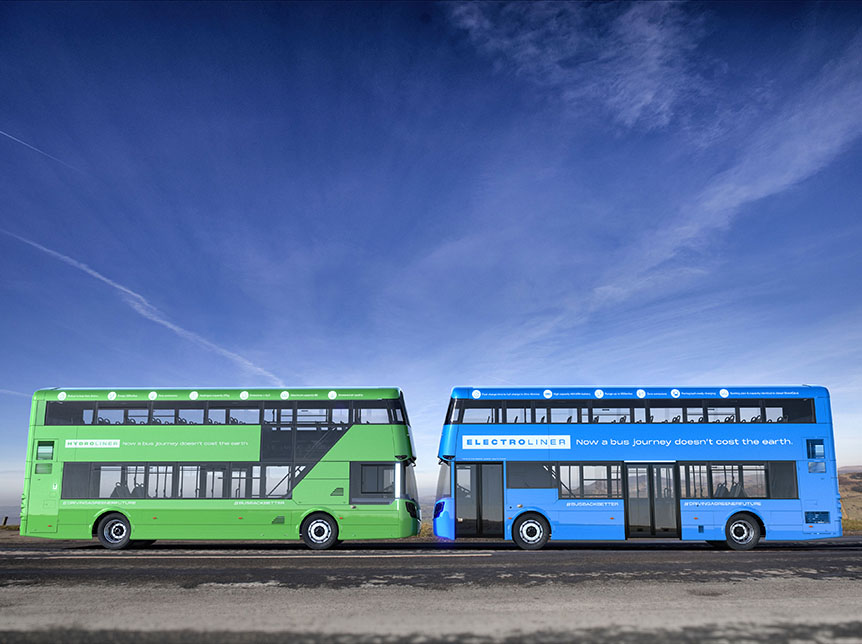
Electric Buses and Hydrogen Vehicles: Driving the Future of Sustainable Transportation
Read on
Hybrid Buses: The Future of Sustainable Double Decker Transportation
Read on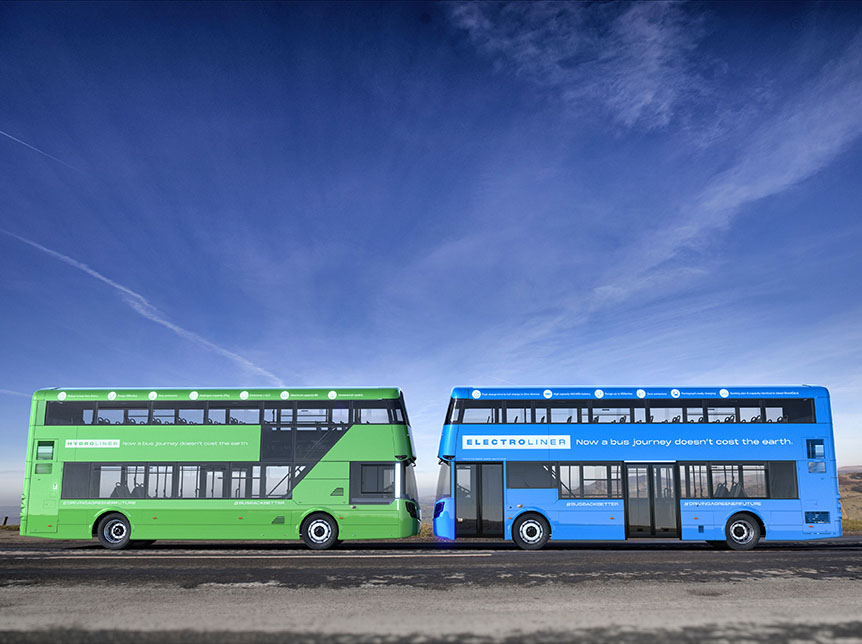
The Future of Public Transit: Single Decker Buses and Hydrogen Fuel Cell Vehicles
Read on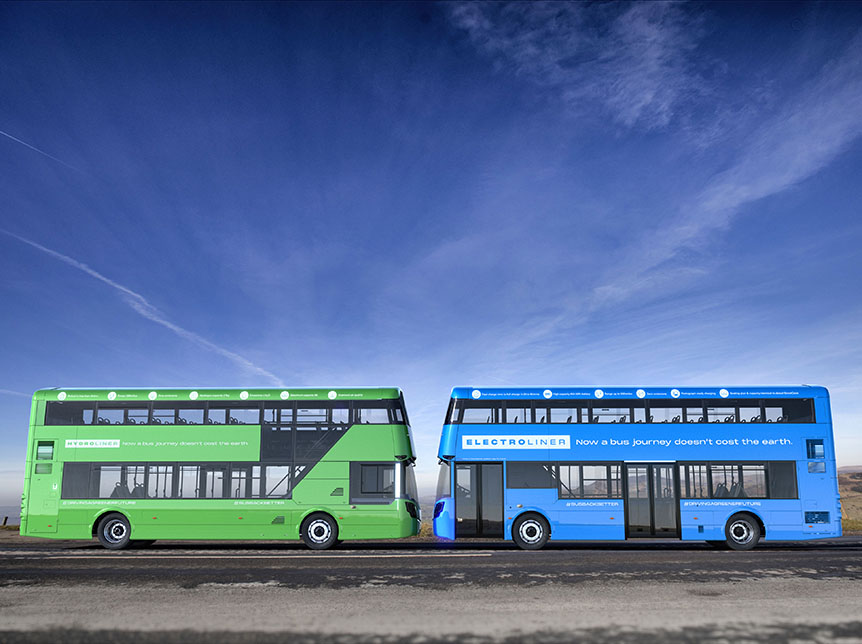
Exploring the Future of Transportation: Battery Electric Vehicles and Double Decker Buses
Read on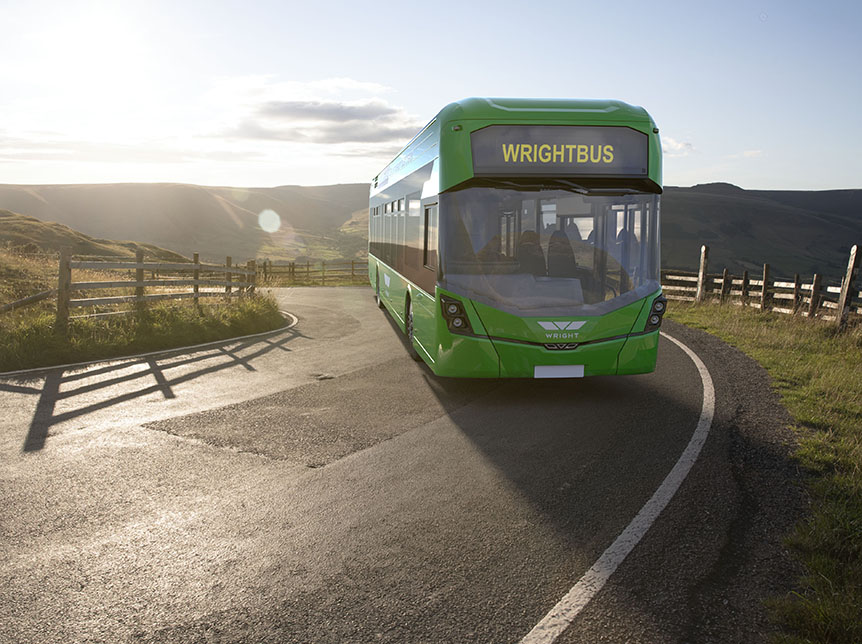

Navigating Urban Landscapes: The Versatility of Single Deck Buses and Double Deck Buses
Read on
Get in touch
Wrightbus has been at the forefront of transport innovation since 1946, relentlessly pushing the boundaries with its commitment to quality, style and safety.