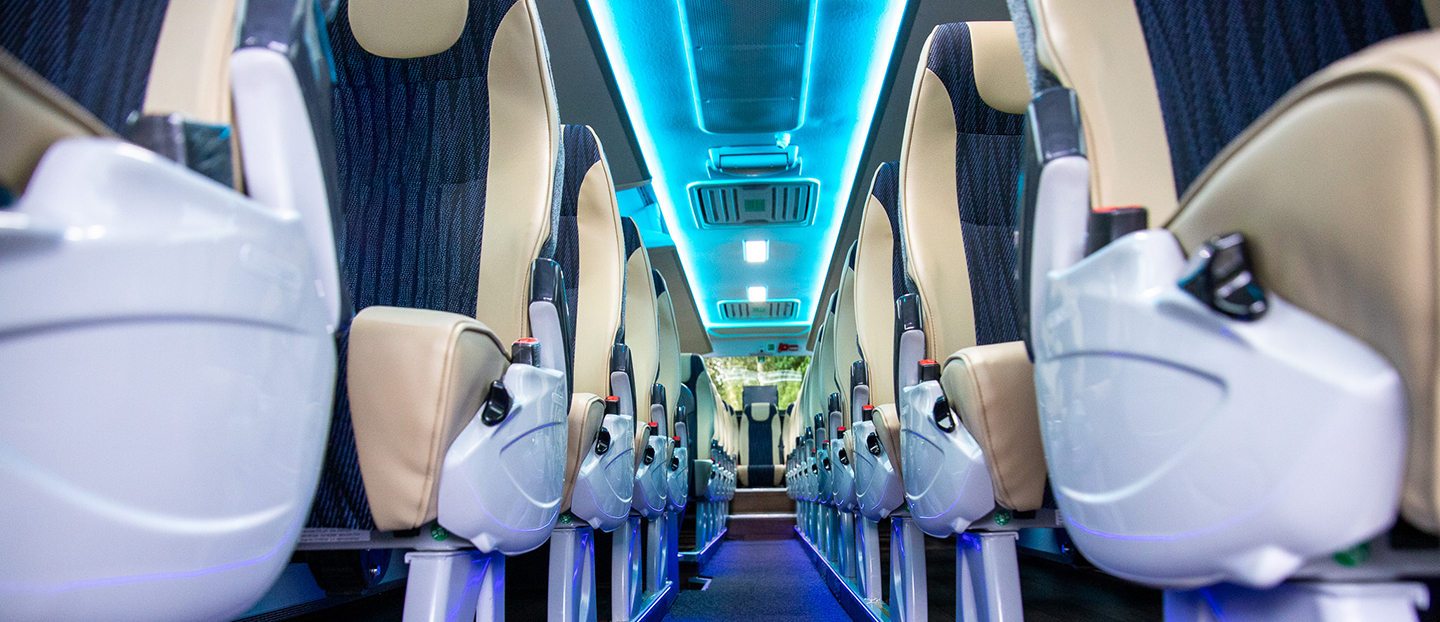
The transport sector is changing as governments, businesses and passengers seek lower-emission and more efficient mobility. Zero-emission powertrains address tailpipe emissions, while double-deck coaches address passenger capacity; the two concepts should be assessed separately before being combined for a particular duty.
What Are Zero-Emission Vehicles?
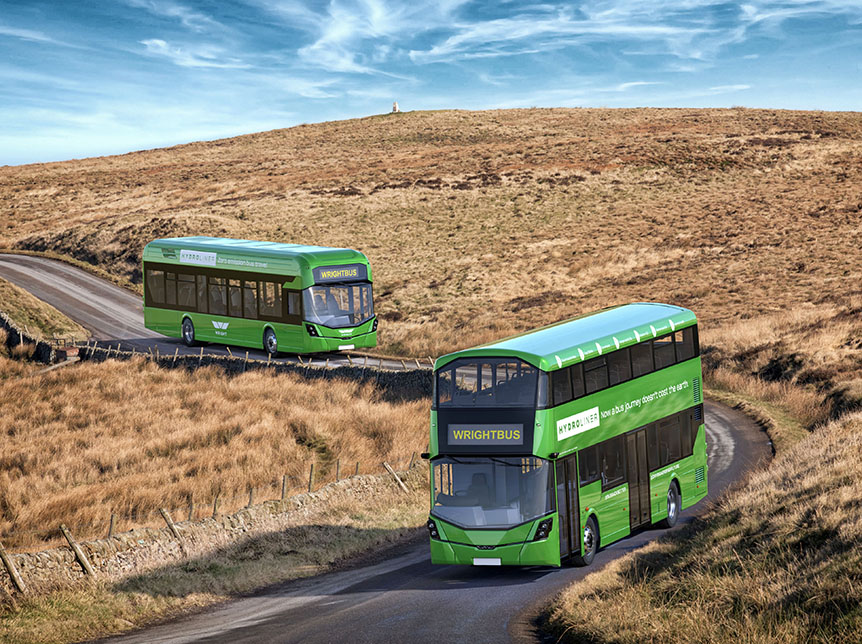
Zero-emission vehicles report zero carbon dioxide emissions from the tailpipe during operation. In current UK vehicle classifications, battery-electric vehicles (BEVs) and fuel cell electric vehicles (FCEVs) are the principal examples. Both use electric motors for propulsion, but their energy storage and infrastructure requirements differ.
Eliminating exhaust emissions can improve local air quality, particularly in densely populated areas. It does not mean that the vehicle has zero environmental impact over its full life cycle, because electricity or hydrogen production, vehicle manufacture and component production also contribute to overall emissions.
Electric drivetrains also offer smooth, quiet low-speed operation. For fleets, BEVs and FCEVs can reduce dependence on fossil fuels at the vehicle, but their overall environmental benefit depends on the energy source and the wider energy system.
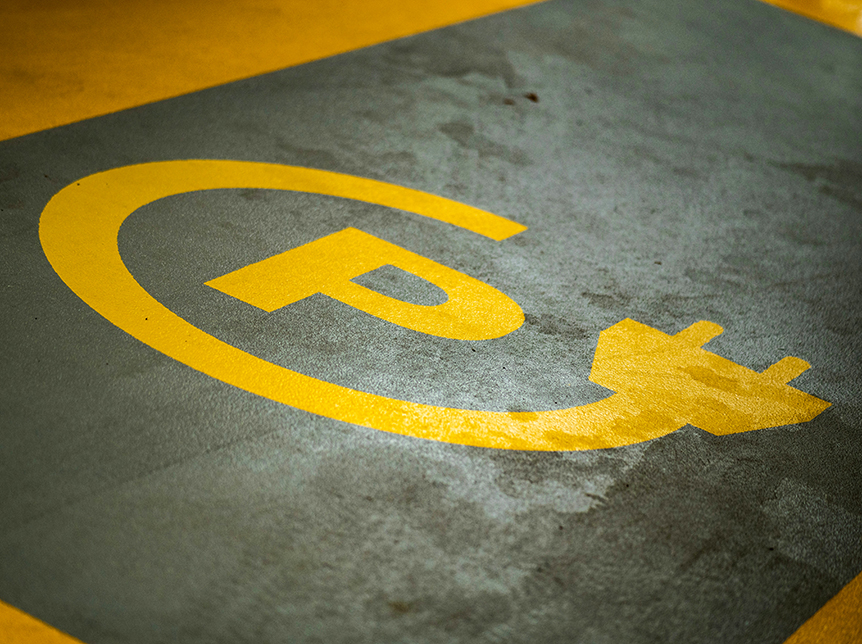
However, zero-emission vehicles also have challenges. Battery-electric vehicles require suitable charging infrastructure, while hydrogen-powered vehicles depend on accessible hydrogen refuelling networks. Vehicle purchase prices, range requirements, charging or refuelling times, and energy availability can also influence adoption.
What Is a Double-Deck Coach?
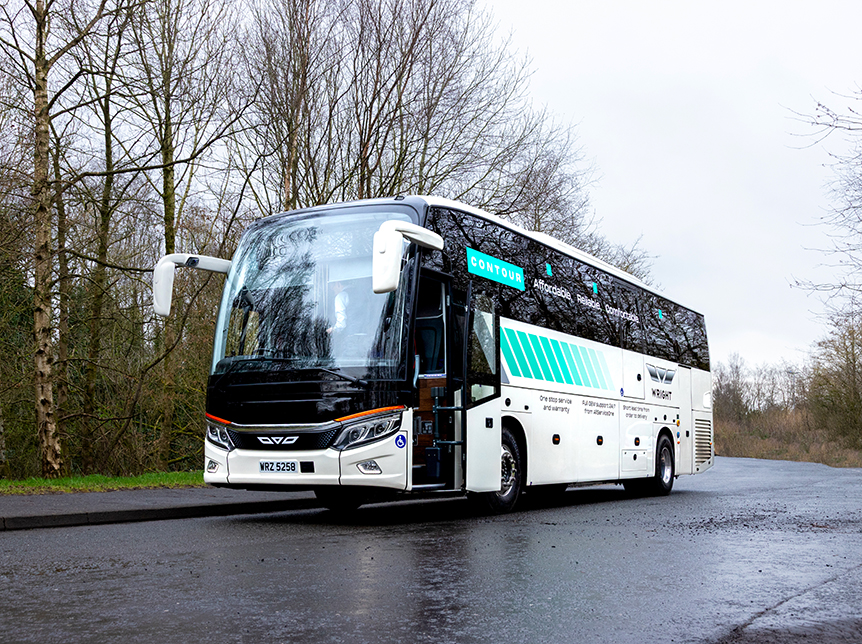
A double-deck coach is a passenger coach with two passenger decks. It is generally used for intercity, touring or other high-capacity services where the route and infrastructure can accommodate the vehicle height, mass and turning requirements.
The principal benefit is passenger capacity. A double-deck layout can carry more passengers than many single-deck coaches of similar length, making efficient use of road space where demand is high.
Modern coaches may include reclining seating, luggage storage, climate control, infotainment, connectivity and accessibility features, depending on the vehicle specification and market requirements.
Combining Sustainability and Passenger Capacity
High-capacity coaches could use battery-electric, hydrogen fuel cell or other lower-emission powertrains where the technology and duty cycle are compatible. Vehicle mass, energy storage, usable range, thermal management, infrastructure and passenger capacity all need to be assessed at whole-vehicle level.
However, introducing such vehicles requires careful planning. Operators need to consider vehicle weight, battery or hydrogen storage requirements, route distance, charging or refuelling infrastructure, road regulations, depot facilities, and maintenance requirements.
The Future of Cleaner Coach Travel
The growth of zero-emission vehicles reflects a broader shift towards transport decarbonisation. High-capacity double-deck coaches can improve passenger-carrying efficiency where the route and service profile justify them.
As technology develops, cleaner propulsion systems and high-capacity vehicle designs may increasingly work together. The result could be a more sustainable, efficient, and comfortable approach to public and long-distance passenger transport.
Read more
Hydrogen-Powered Vehicles and Double-Deck Articulated Bus Technology
Read on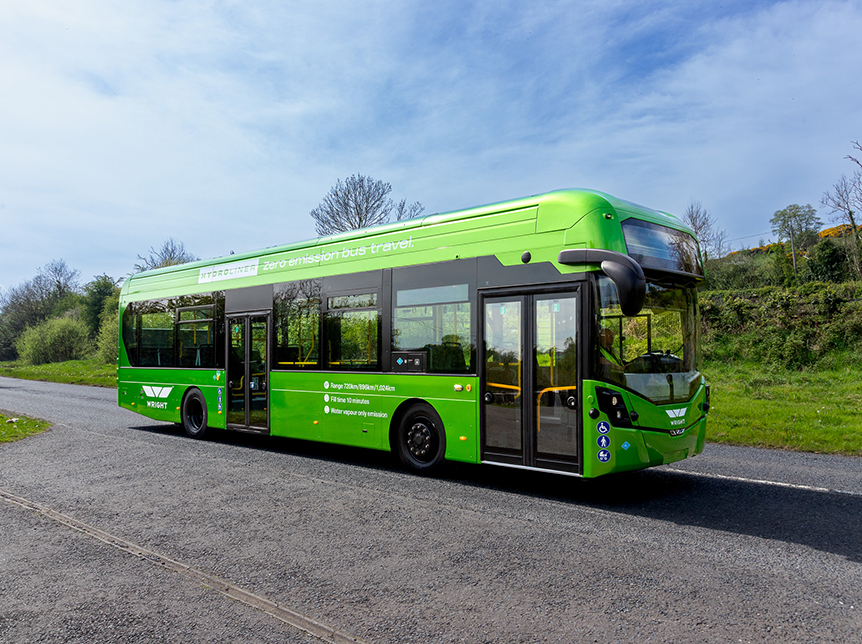
Hydrogen Fuel Cell Vehicles vs Hybrid Vehicles: Pros and Cons Explained
Read on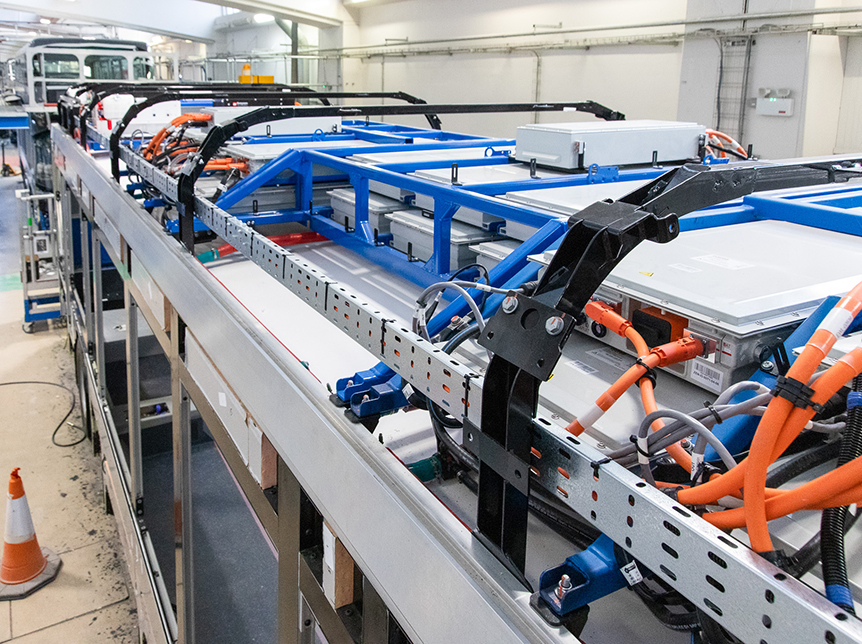
Bus Companies in the UK and the Growth of Electric Bus Manufacturing
Read on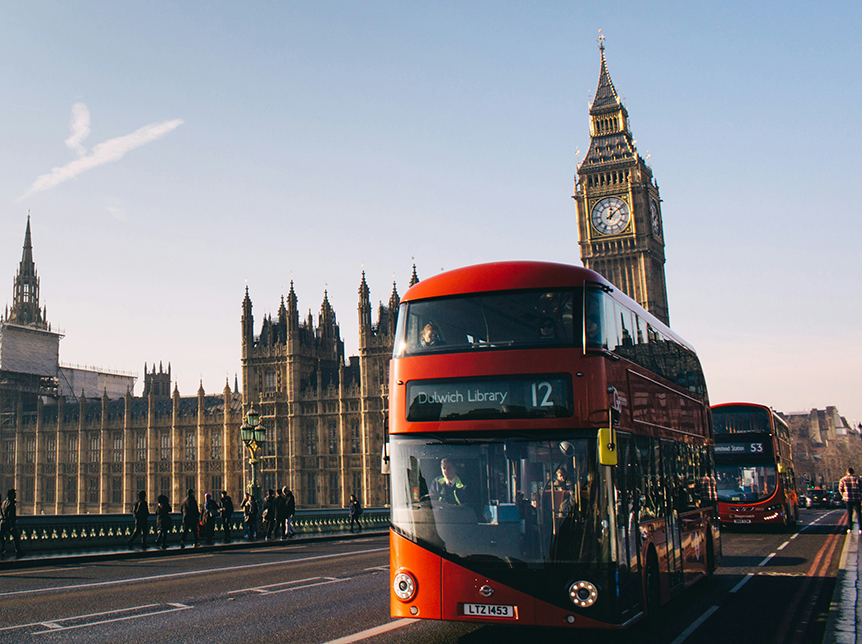
London Electric Buses and the Rise of UK Zero-Emission Bus Manufacturing
Read on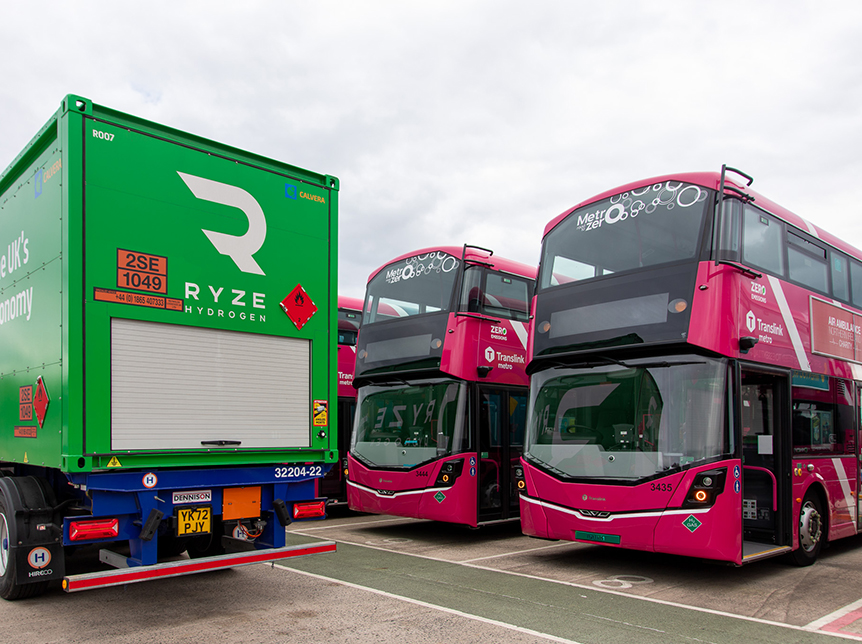
Hydrogen Fuel Cell Vehicles and the Future of Clean Transport in the UK
Read on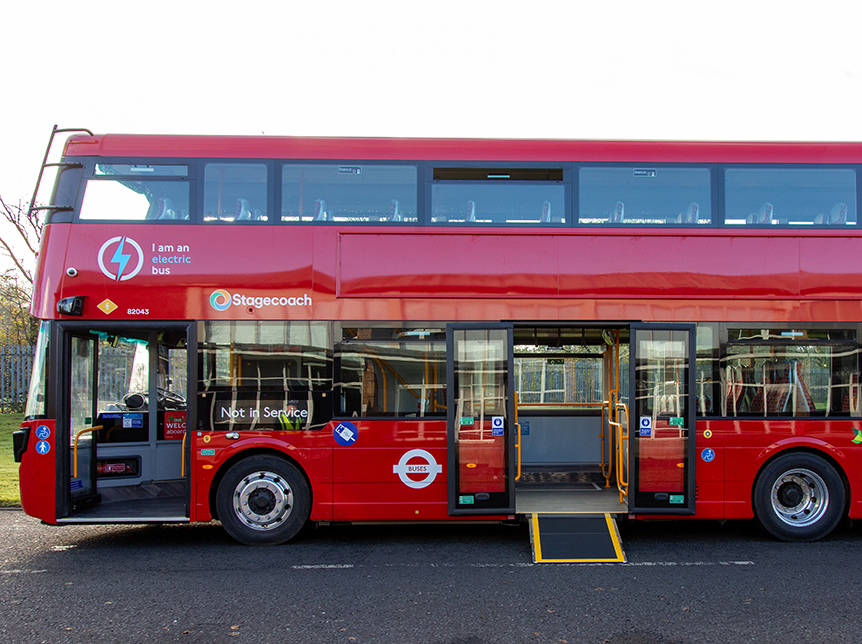
Electric Buses UK: Electric Double-Decker Bus & Bus Dimensions Guide
Read on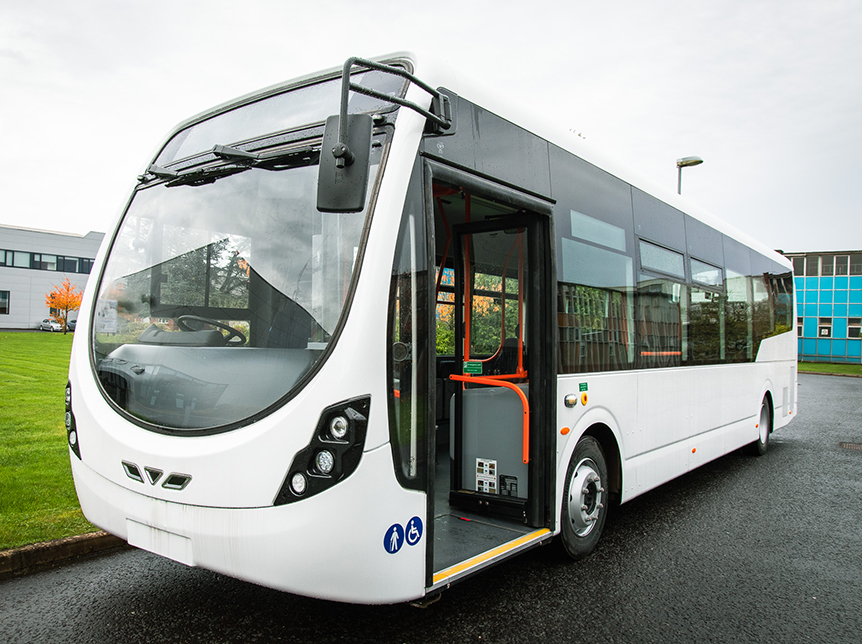
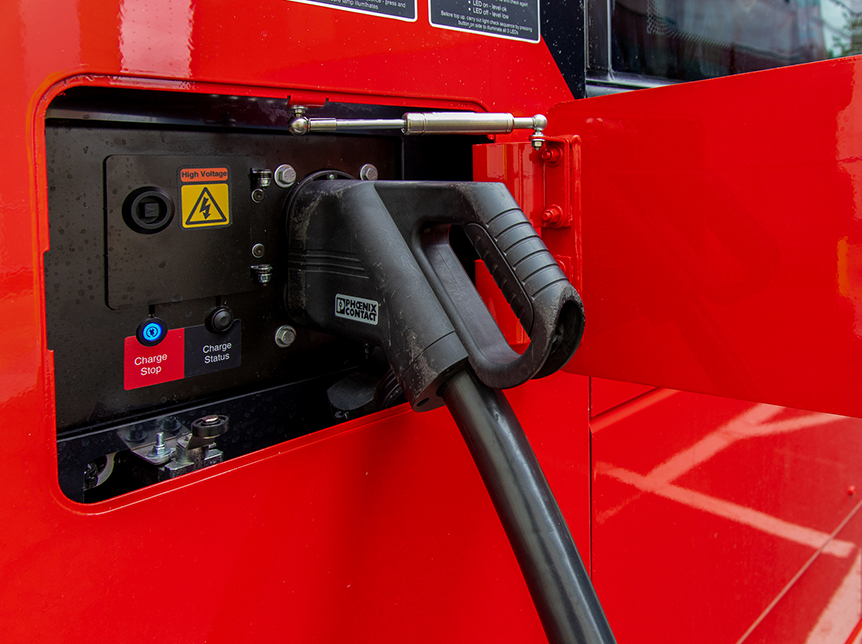
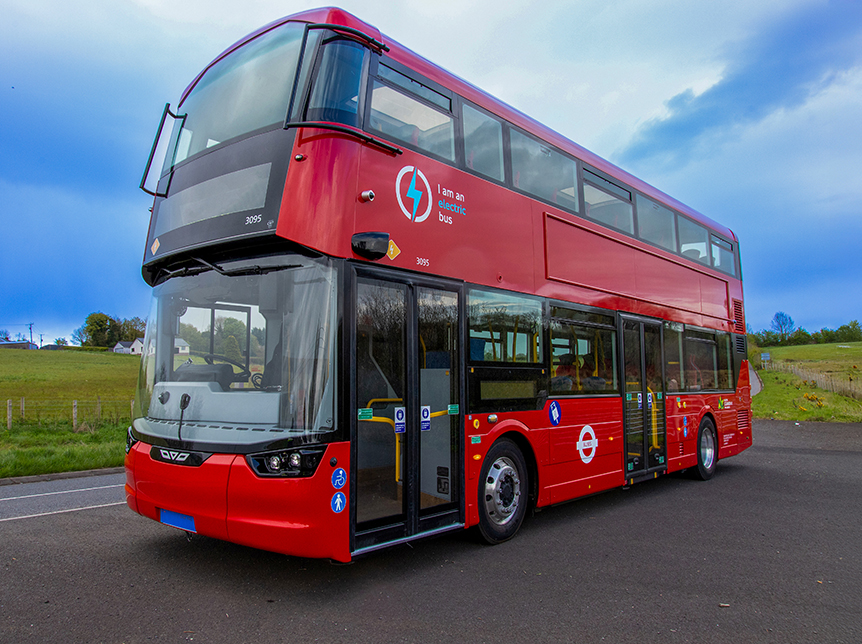
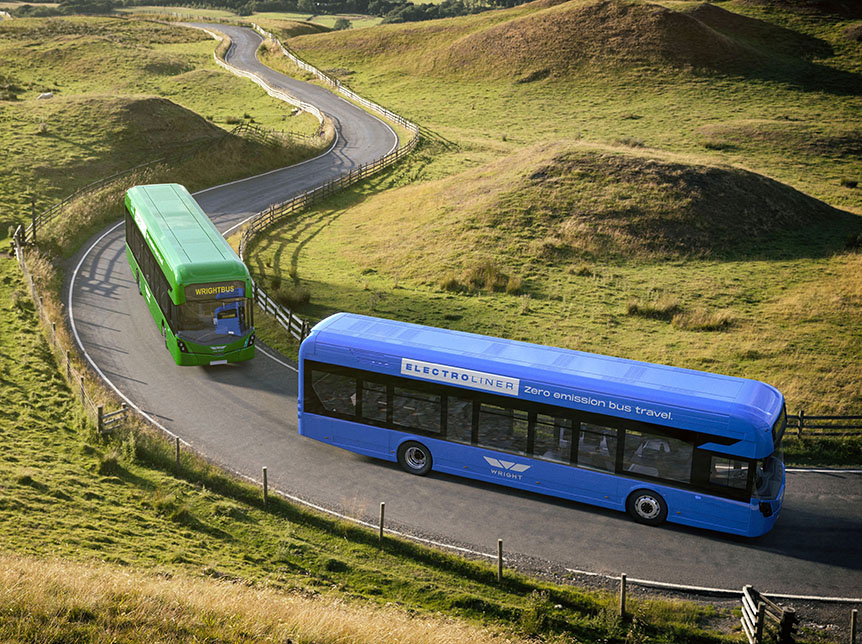
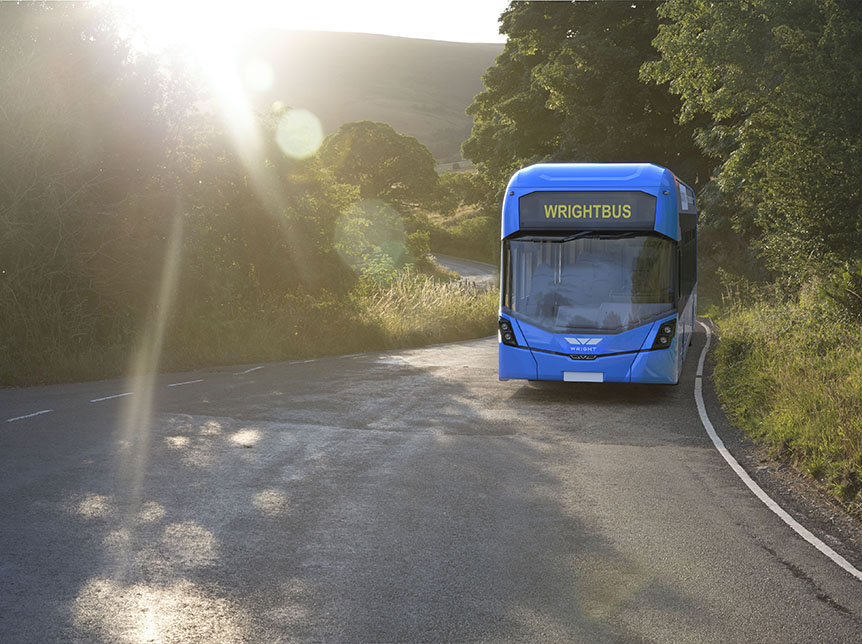
Single Decker Electric Buses: Paving the Way for Sustainable Public Transport
Read on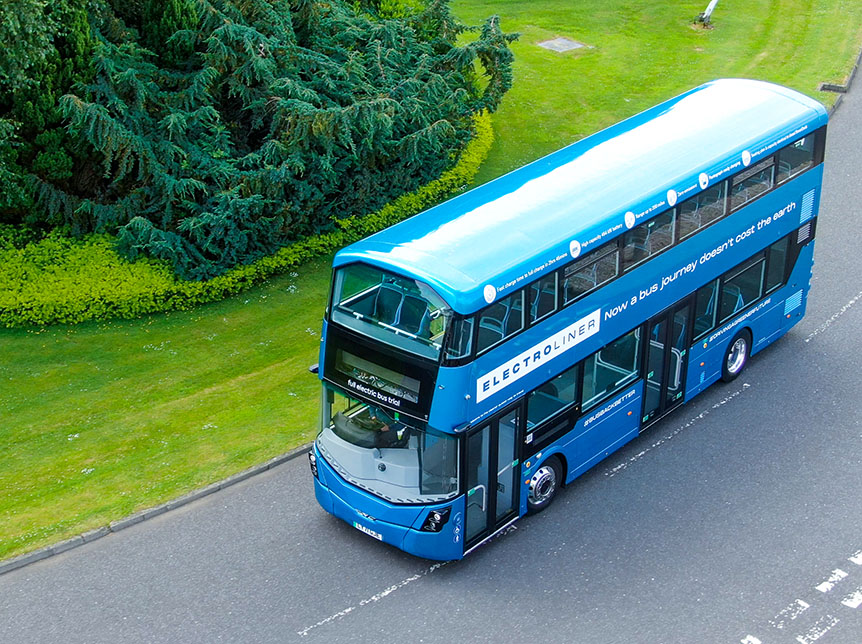
The Double Decker Electric Buses: Revolutionizing Urban Transportation
Read on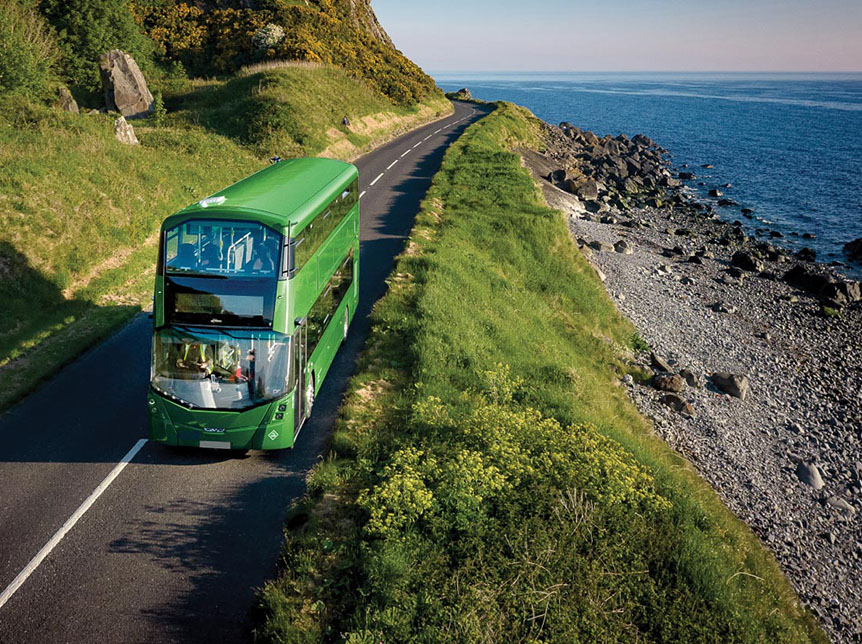
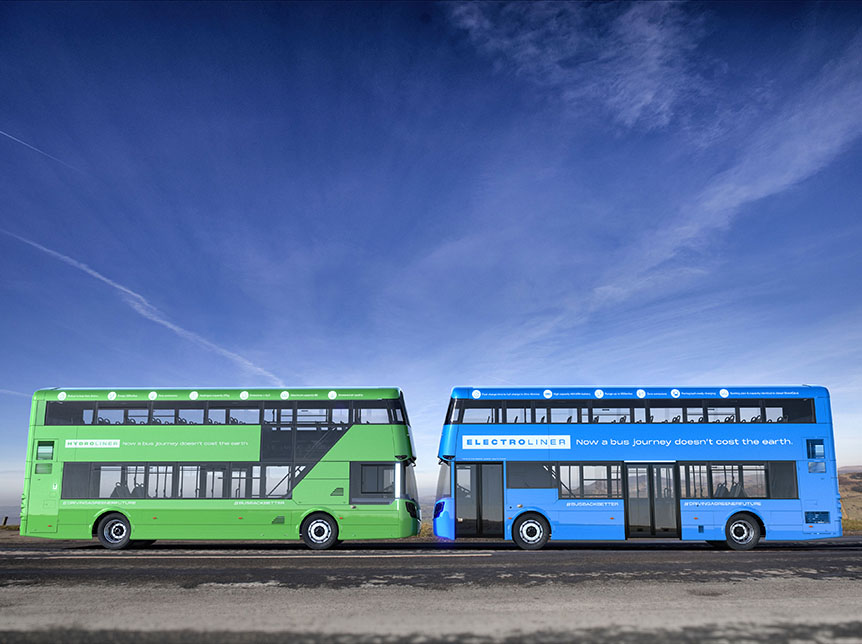
Electric Buses and Hydrogen Vehicles: Driving the Future of Sustainable Transportation
Read on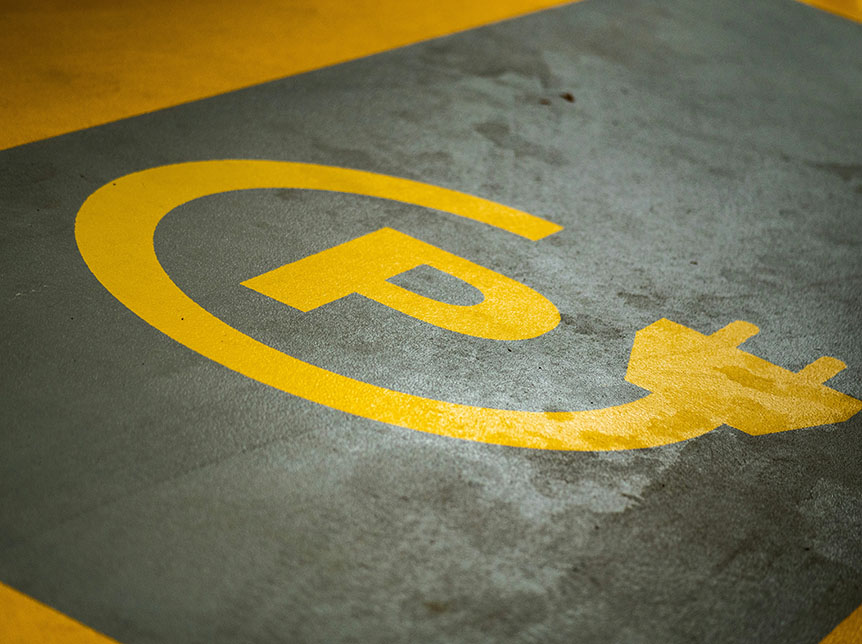
Hybrid Buses: The Future of Sustainable Double Decker Transportation
Read on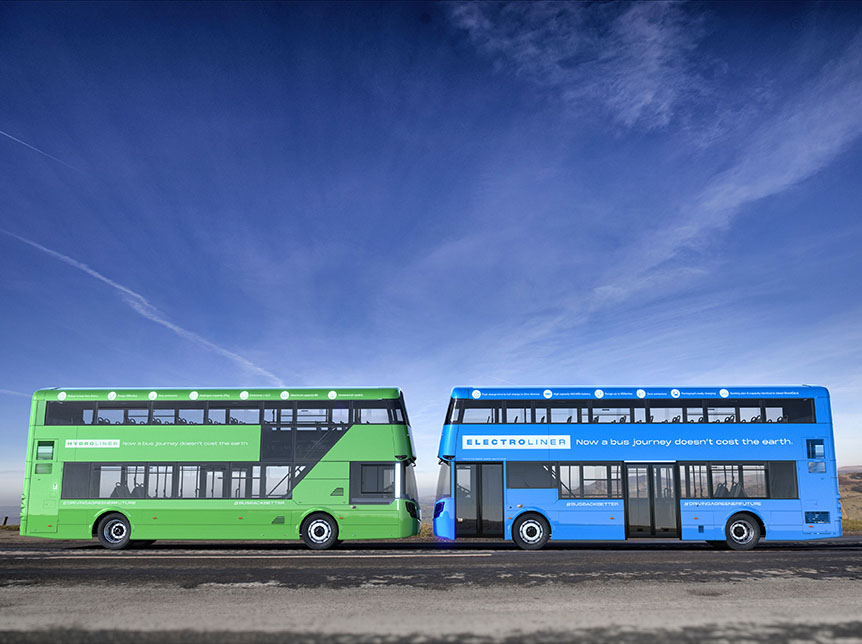
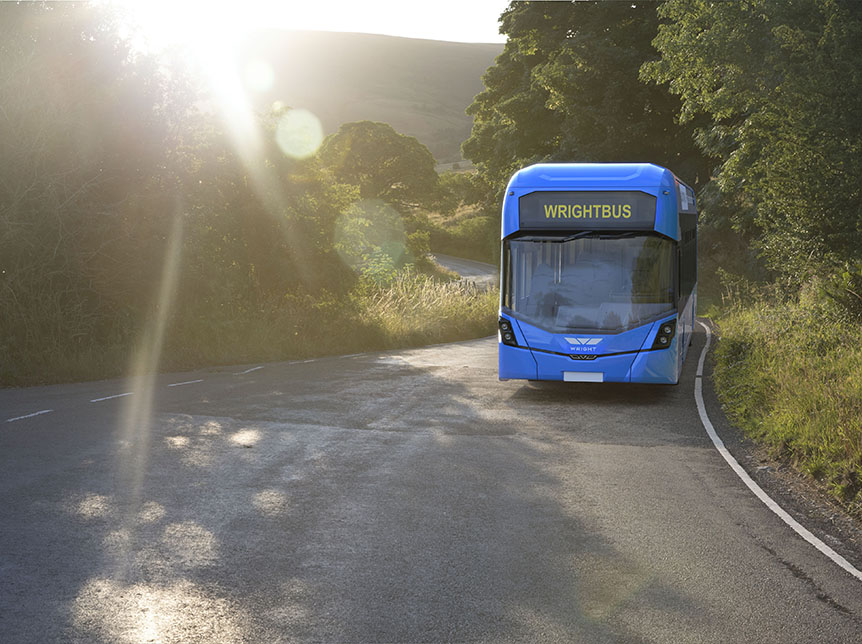
The Future of Public Transit: Single Decker Buses and Hydrogen Fuel Cell Vehicles
Read on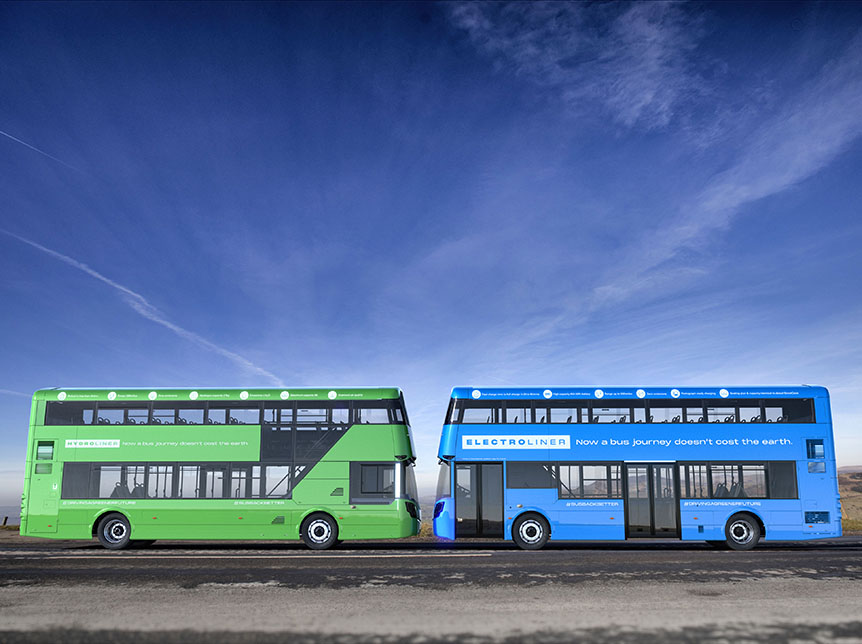
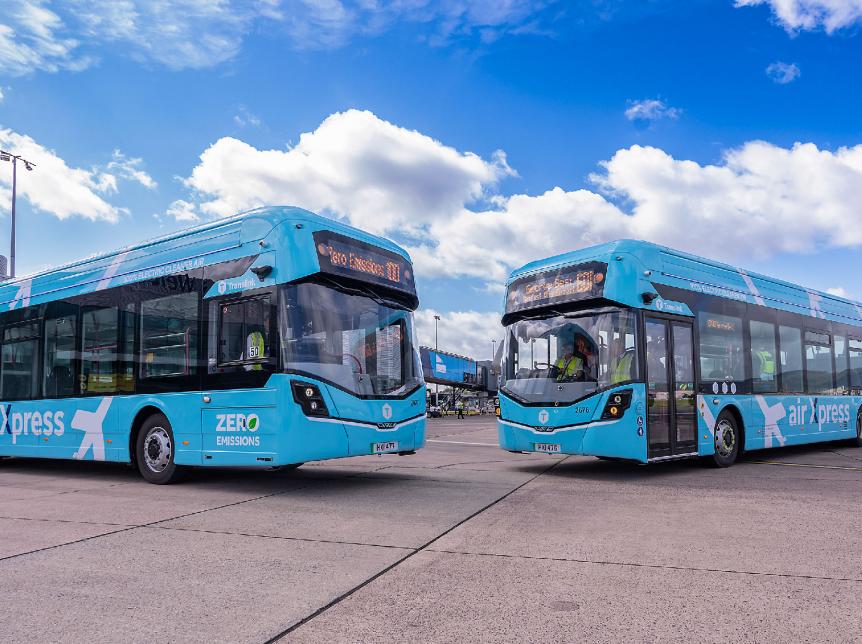
Exploring the Future of Transportation: Battery Electric Vehicles and Double Decker Buses
Read on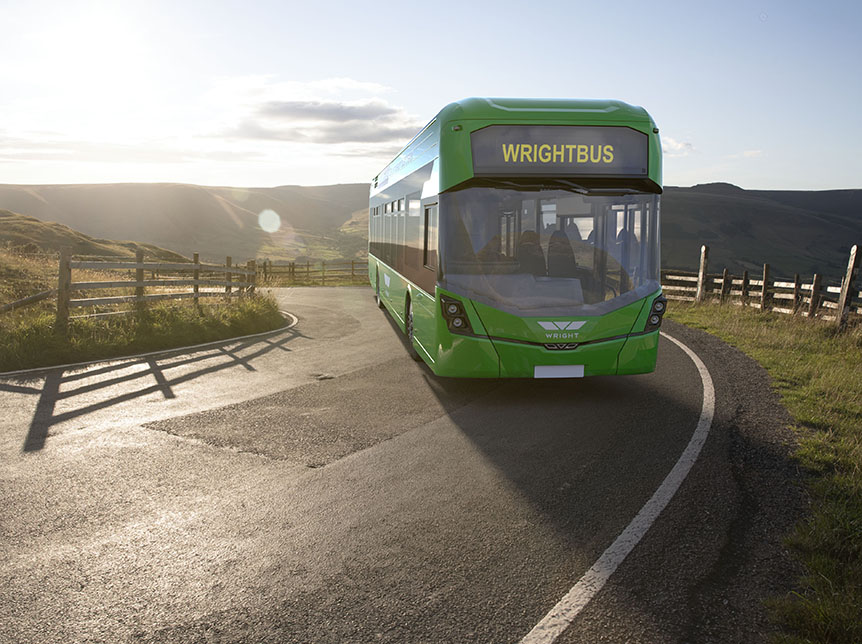
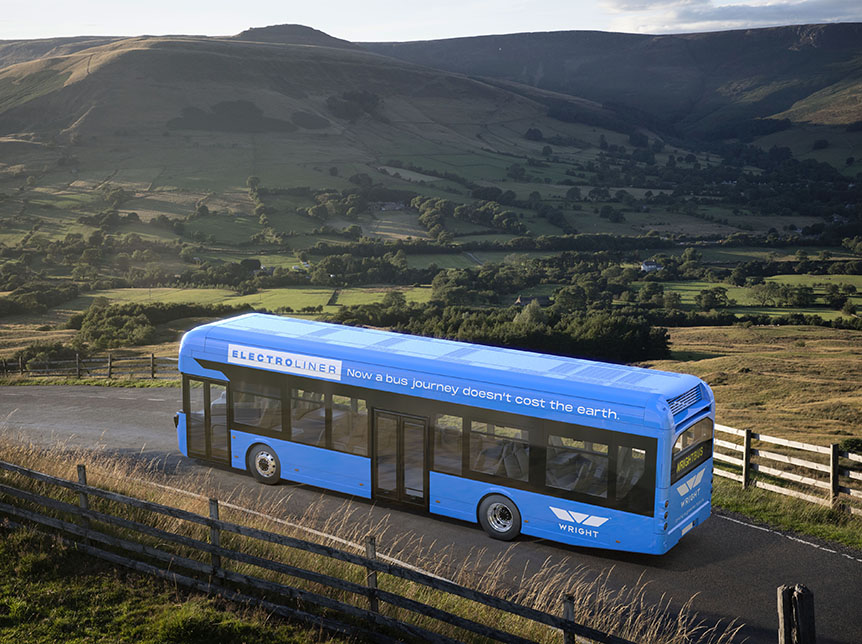
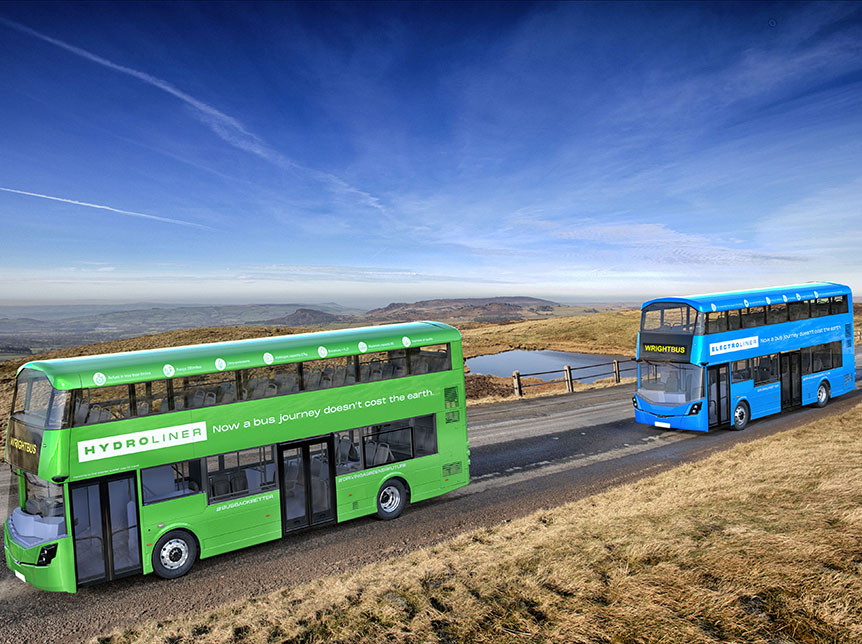
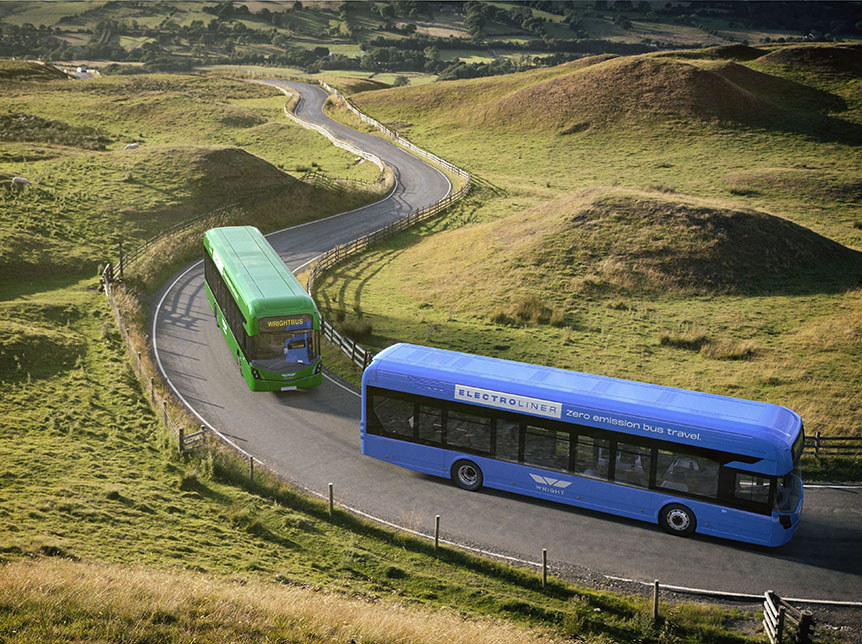
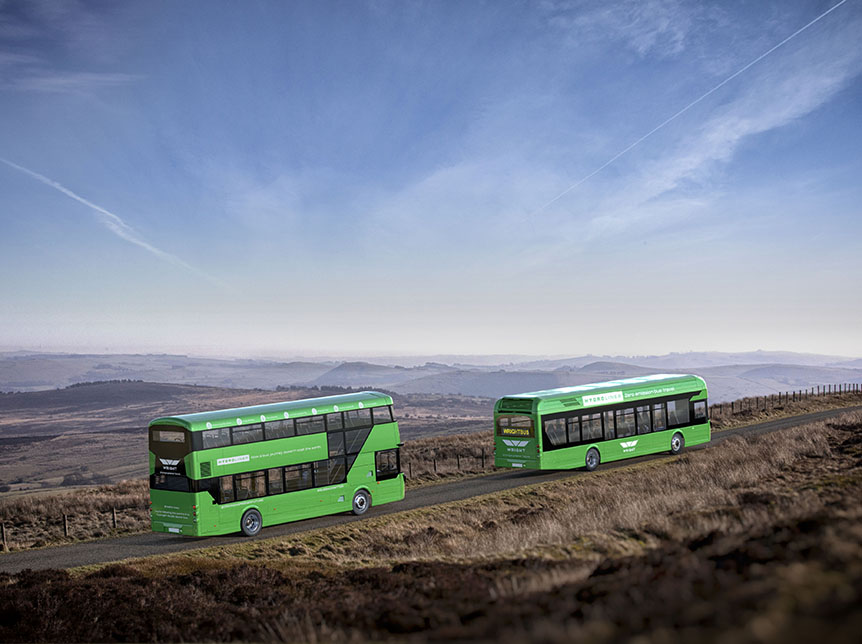
Navigating Urban Landscapes: The Versatility of Single Deck Buses and Double Deck Buses
Read on
Get in touch
Wrightbus has been at the forefront of transport innovation since 1946, relentlessly pushing the boundaries with its commitment to quality, style and safety.