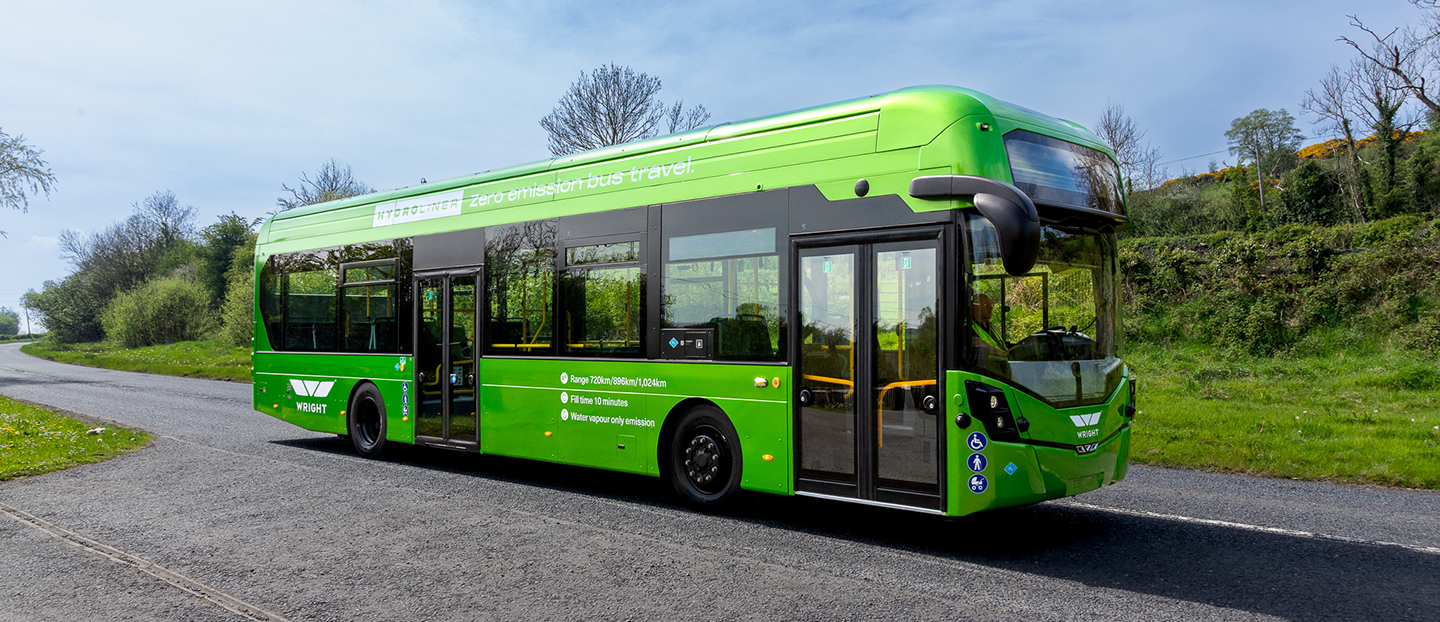
As the transport sector moves towards lower-emission technologies, buyers and fleet operators have alternatives to conventional petrol and diesel vehicles. Hydrogen fuel cell vehicles and hybrid vehicles both use electric traction to varying degrees, but they differ substantially in energy source, emissions, infrastructure and operation.
What Are Hydrogen Fuel Cell Vehicles?
Hydrogen fuel cell vehicles use hydrogen in a fuel cell stack to generate electricity electrochemically. The electricity powers an electric drivetrain, normally supported by a traction battery that can buffer power demand and recover energy through regenerative braking. Water and heat are the main by-products of the fuel cell reaction at the vehicle level.
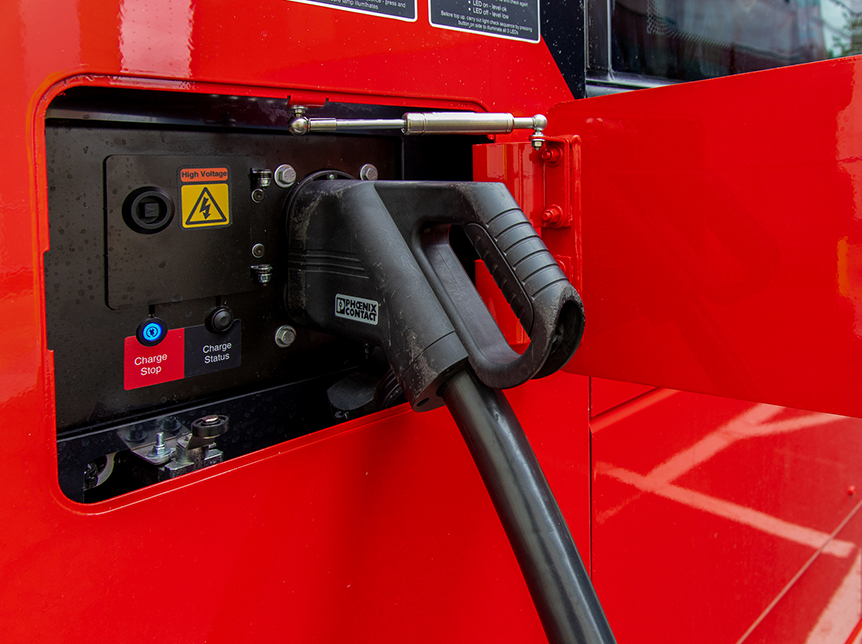
A key operational advantage is relatively rapid refuelling. Actual refuelling time depends on vehicle storage capacity, station design, dispensing protocol and available infrastructure, but it can be considerably shorter than depot charging for some high-energy battery-electric applications.
Hydrogen technology also faces important challenges. Refuelling infrastructure remains limited in many regions, and hydrogen production, compression, storage, transport and dispensing require energy and specialised equipment. Vehicle availability, hydrogen price and infrastructure cost must therefore be considered alongside operational benefits.
Hybrid Vehicles: Pros and Cons
Understanding the pros and cons of hybrid vehicles is important when comparing them with conventional, battery-electric and fuel cell vehicles. A hybrid combines an internal combustion engine with one or more electric machines and a battery. Depending on the architecture, the battery may be charged by regenerative braking, the engine or, in a plug-in hybrid, an external electricity supply.
Hybridisation can improve fuel efficiency, particularly in duty cycles with frequent braking and acceleration. Electric assistance, engine load optimisation and regenerative braking can reduce fuel consumption, although the benefit depends strongly on vehicle design and how it is operated.
Because hybrids retain a conventional fuel system, they can use established refuelling infrastructure. This can make them operationally straightforward where charging or hydrogen-refuelling infrastructure is not available.
Hybrids still use an internal combustion engine and therefore produce tailpipe emissions. Their dual powertrain also adds components and control complexity. Battery durability, maintenance and whole-life cost depend on the specific vehicle design, warranty and duty cycle rather than being inherent disadvantages of all hybrid vehicles.
Which Technology Is Better?
The better option depends on the application. Fuel cell electric vehicles can suit some high-utilisation duties where hydrogen is available and rapid refuelling is valuable. Hybrid vehicles may suit applications seeking lower fuel consumption while retaining conventional refuelling infrastructure. Neither technology is universally superior.
Read more
Zero-Emission Vehicles and Double-Deck Coaches: The Future of Travel
Read on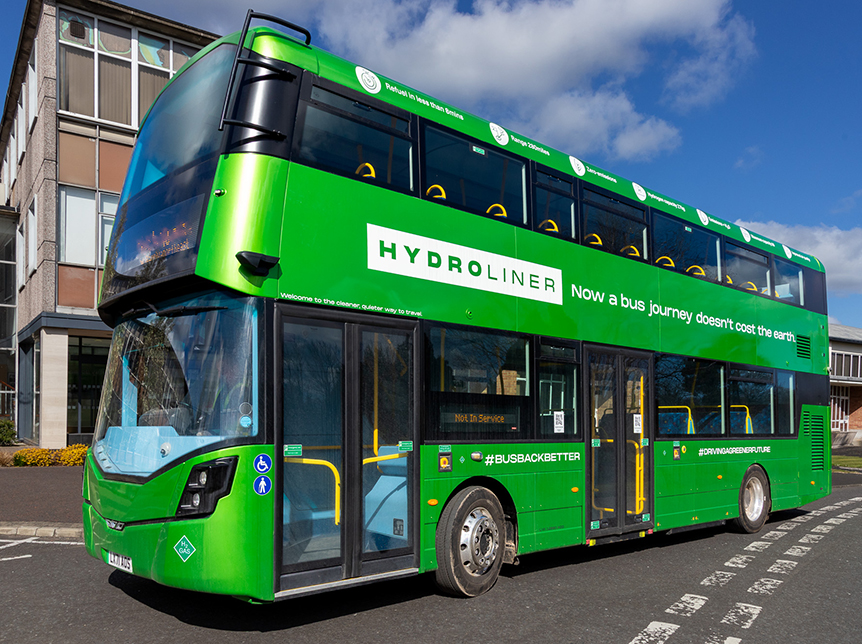
Hydrogen-Powered Vehicles and Double-Deck Articulated Bus Technology
Read on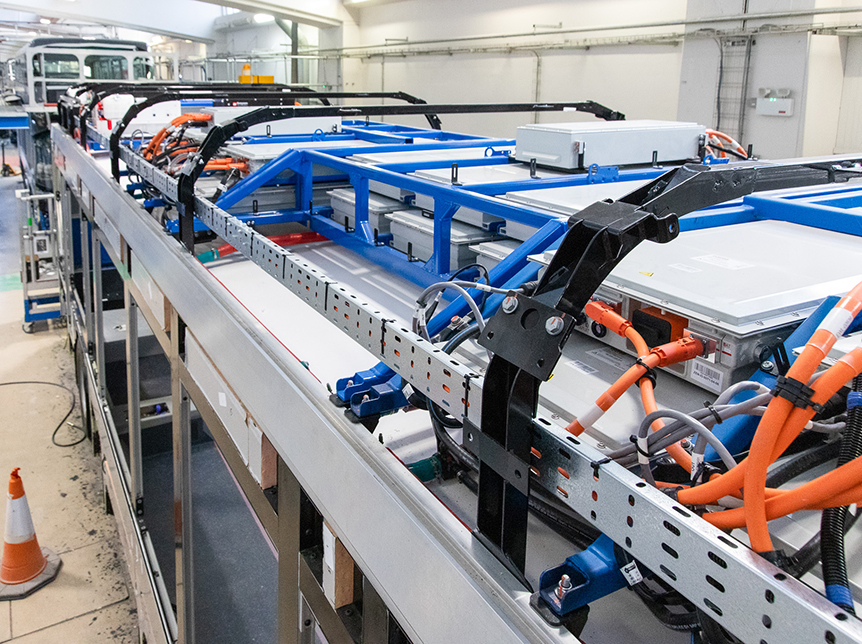
Bus Companies in the UK and the Growth of Electric Bus Manufacturing
Read on
London Electric Buses and the Rise of UK Zero-Emission Bus Manufacturing
Read on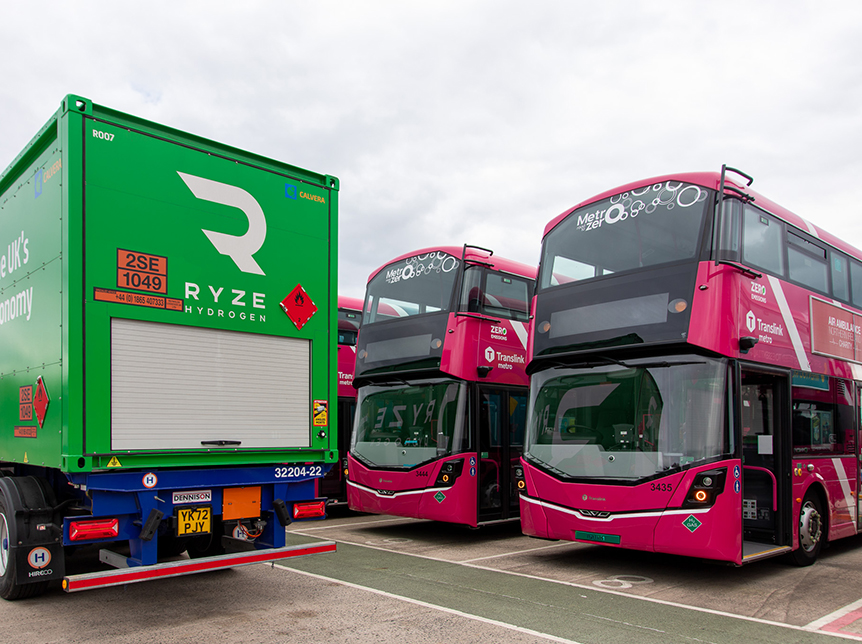
Hydrogen Fuel Cell Vehicles and the Future of Clean Transport in the UK
Read on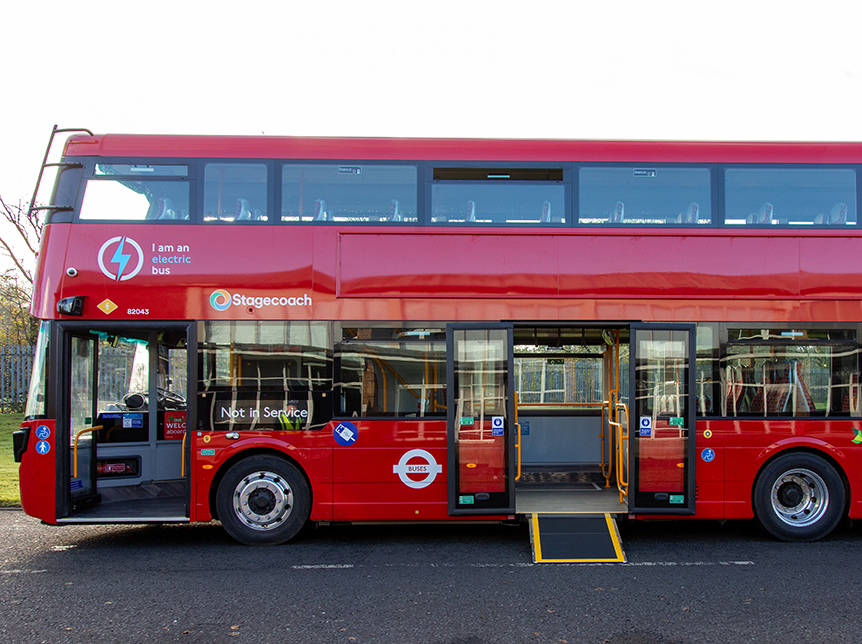
Electric Buses UK: Electric Double-Decker Bus & Bus Dimensions Guide
Read on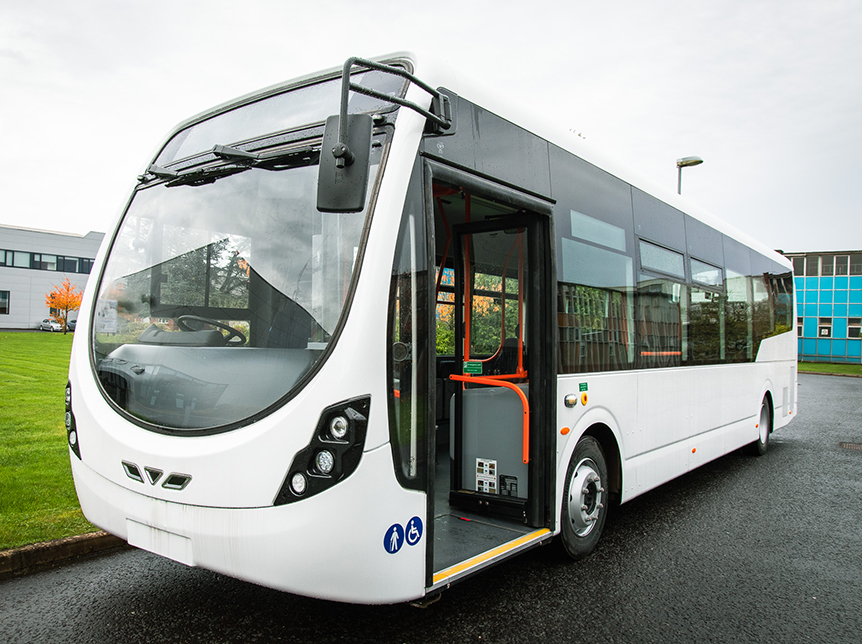
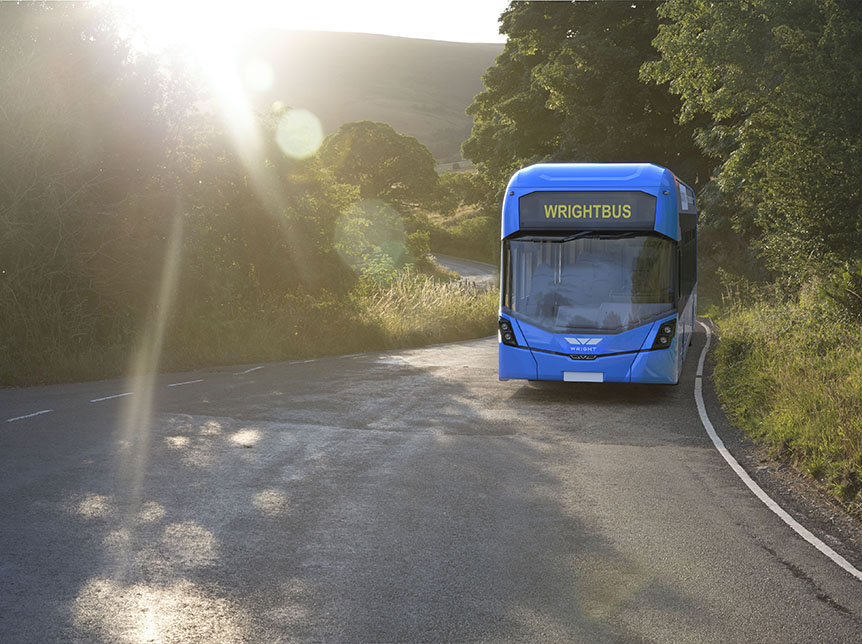
Single Decker Electric Buses: Paving the Way for Sustainable Public Transport
Read on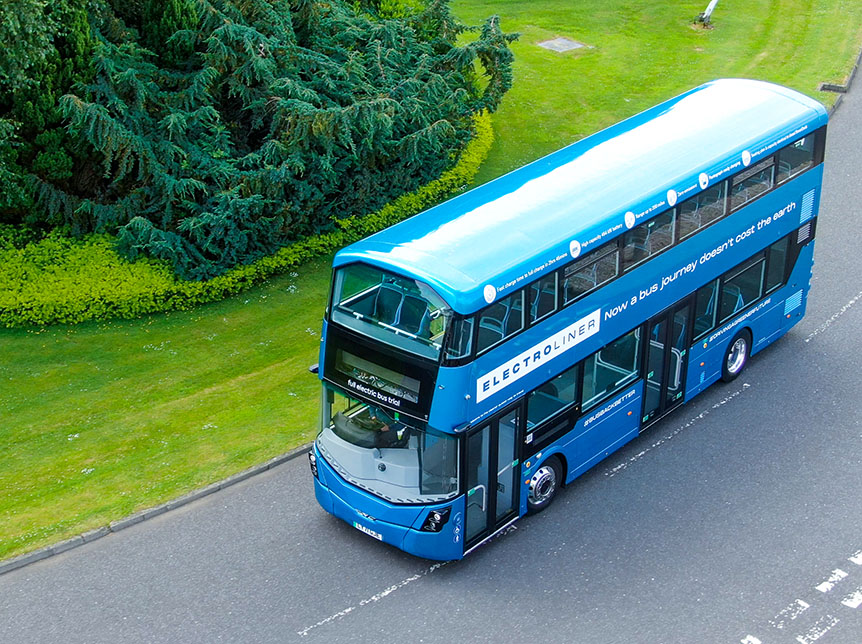
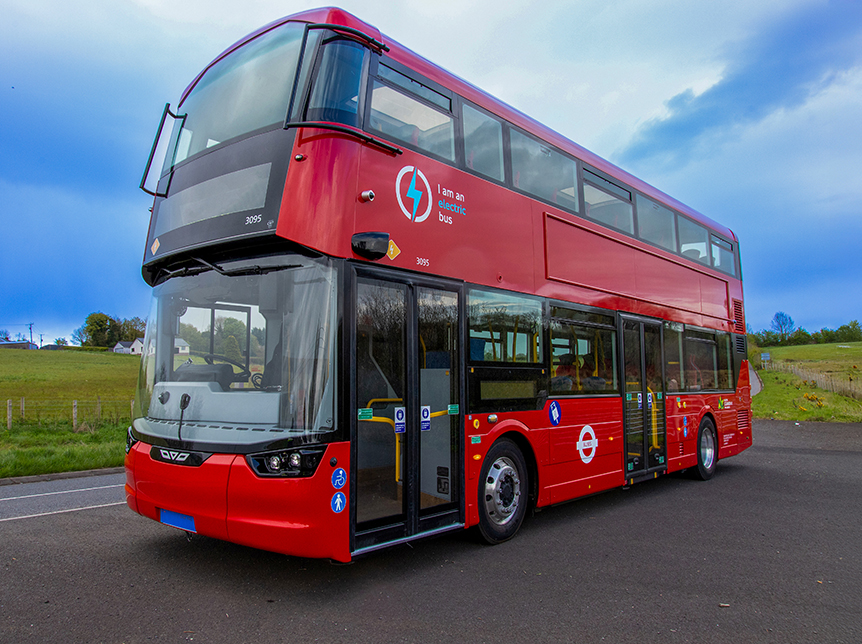
The Double Decker Electric Buses: Revolutionizing Urban Transportation
Read on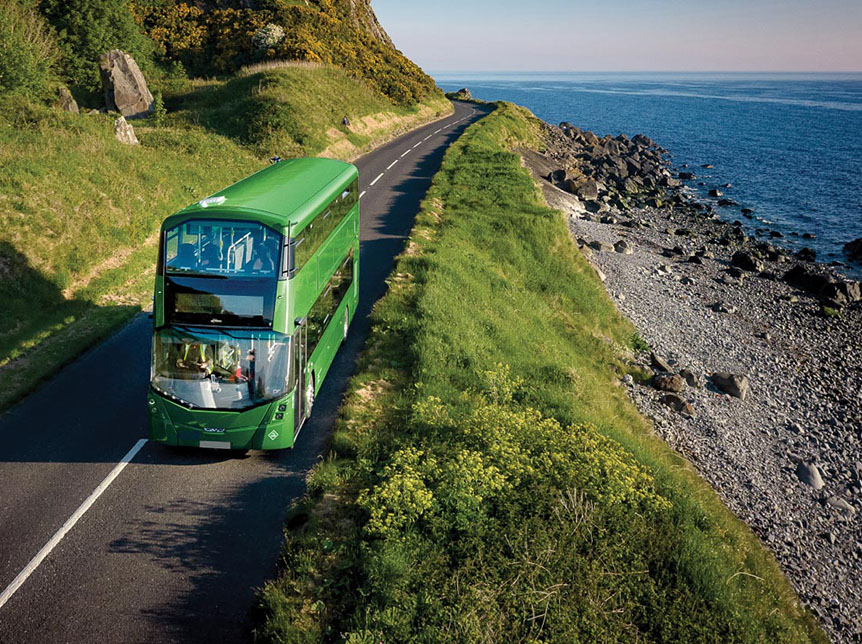
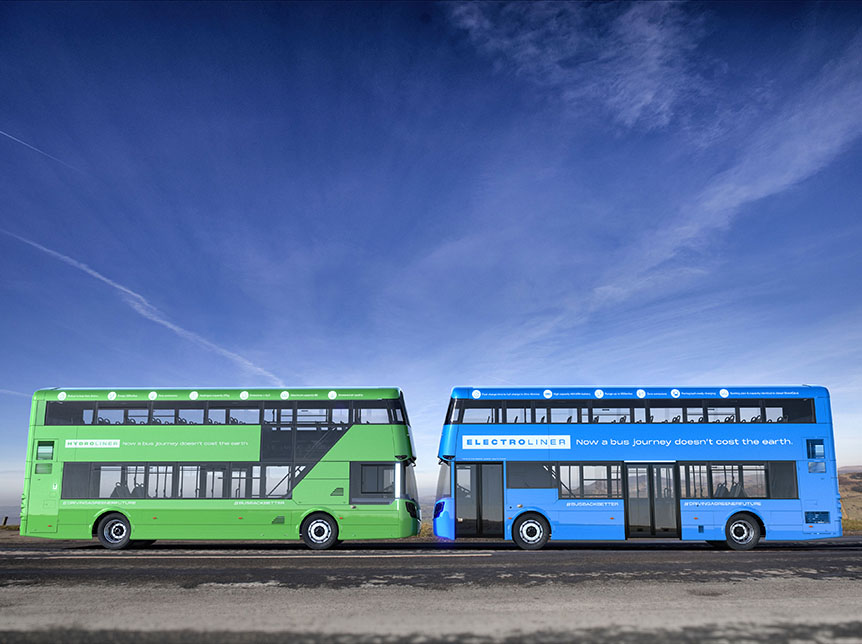
Electric Buses and Hydrogen Vehicles: Driving the Future of Sustainable Transportation
Read on
Hybrid Buses: The Future of Sustainable Double Decker Transportation
Read on
The Future of Public Transit: Single Decker Buses and Hydrogen Fuel Cell Vehicles
Read on
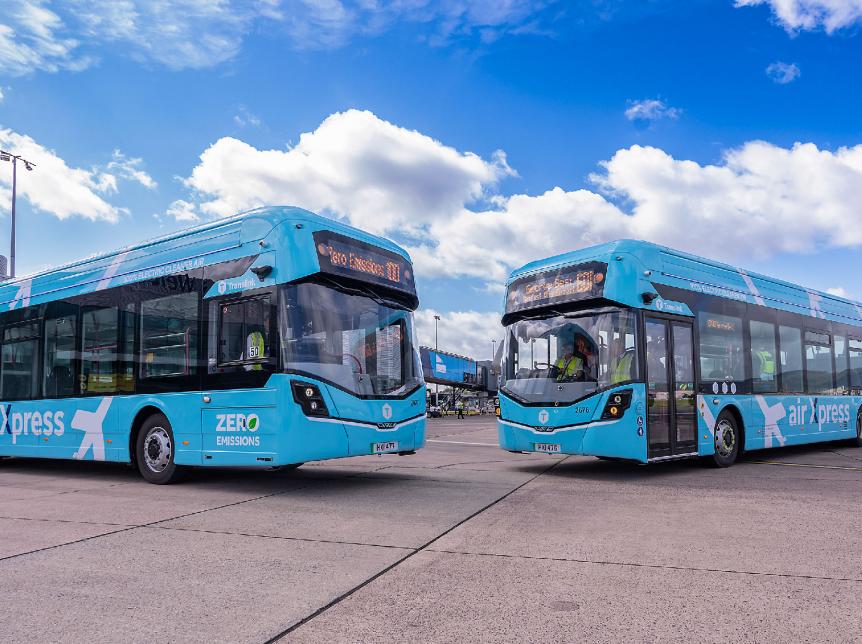
Exploring the Future of Transportation: Battery Electric Vehicles and Double Decker Buses
Read on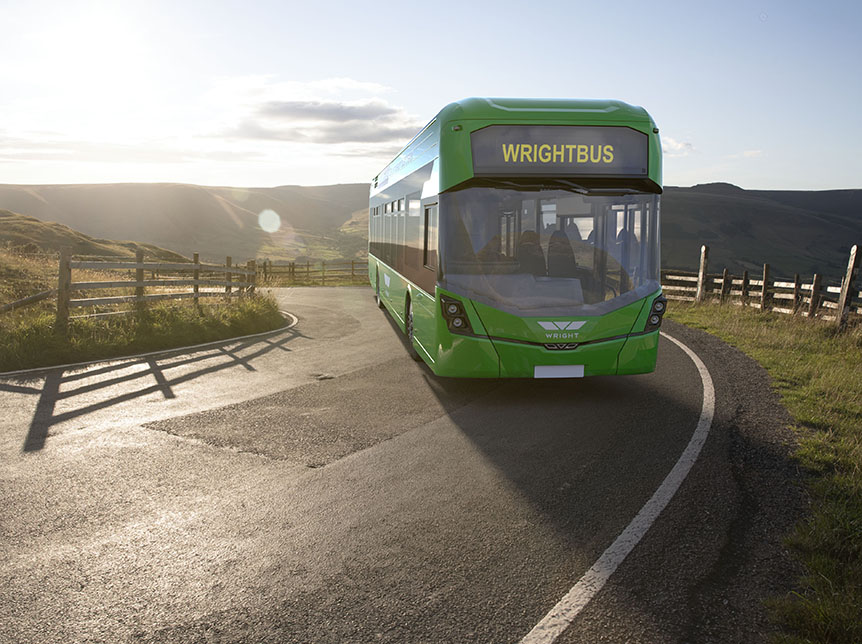
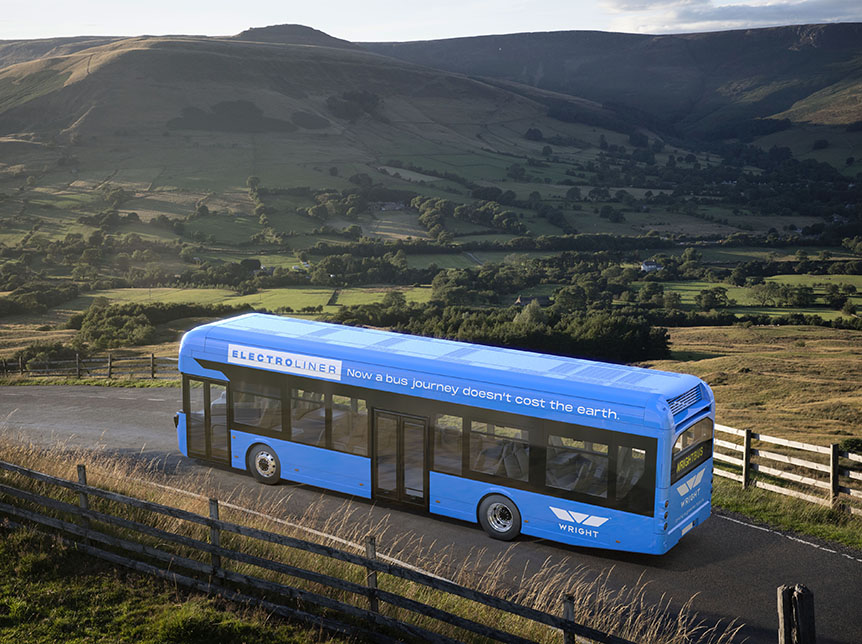
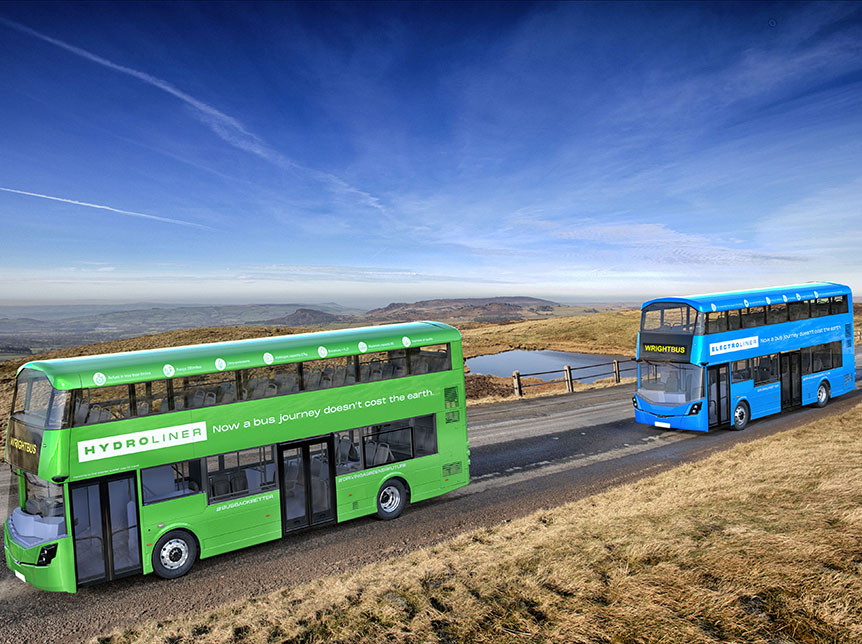
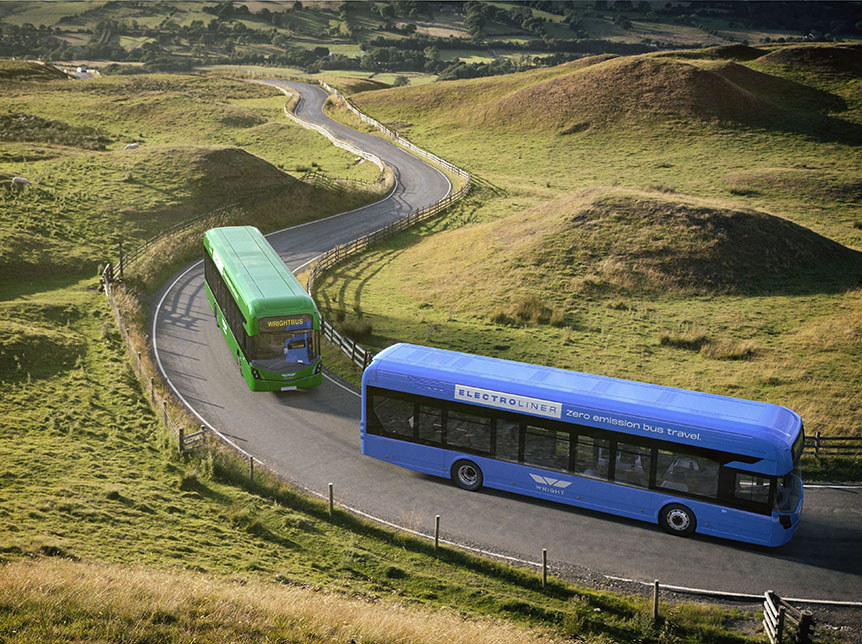
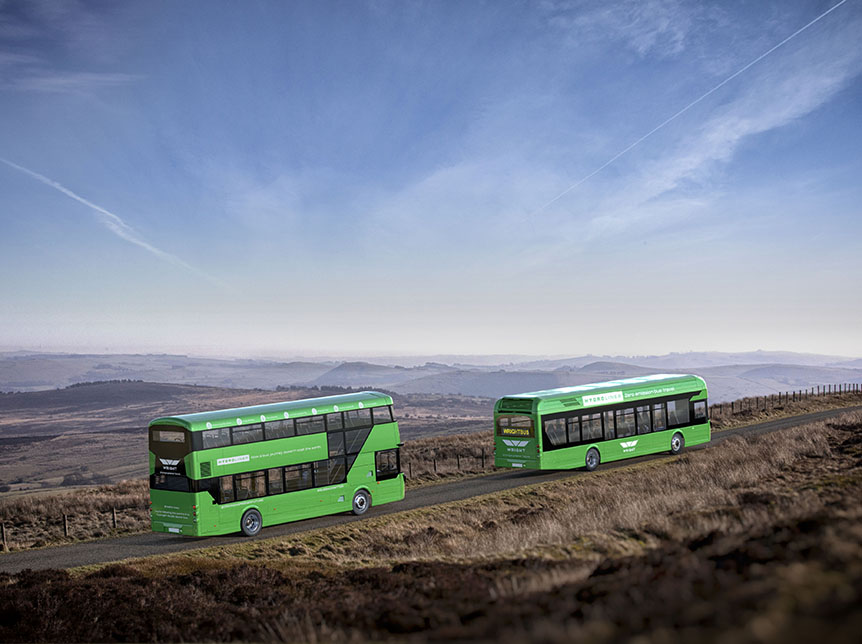
Navigating Urban Landscapes: The Versatility of Single Deck Buses and Double Deck Buses
Read on
Get in touch
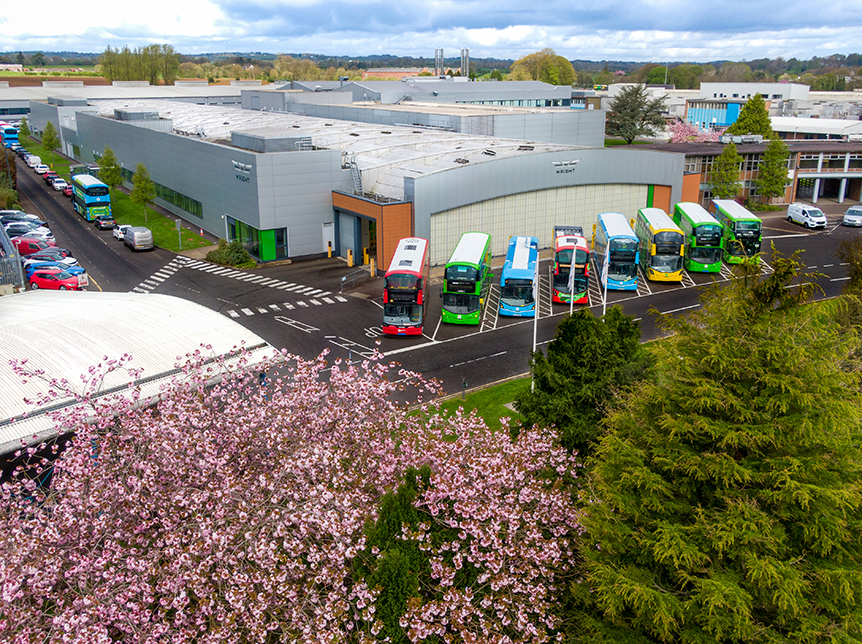
Wrightbus has been at the forefront of transport innovation since 1946, relentlessly pushing the boundaries with its commitment to quality, style and safety.