
In the pursuit of cleaner and more sustainable transportation, zero-emission vehicles and battery electric vehicles (BEVs) have taken the spotlight. These innovative modes of transport are propelling us towards a greener future, but what sets them apart? In this blog, we'll explore the differences between zero-emission vehicles and BEVs, shedding light on their contributions to a cleaner planet.
Zero-Emission Vehicles: A Promise of Cleaner Air
Zero-emission vehicles encompass a broader category that includes BEVs, fuel cell vehicles, and other technologies that produce no tailpipe emissions.
Beyond Fossil Fuels
Zero-emission vehicles rely on alternative sources of energy, such as electricity or hydrogen, eliminating the need for fossil fuels like gasoline or diesel. This transition contributes to lower greenhouse gas emissions and reduced air pollution.
Multiple Pathways
While BEVs fall under the zero-emission umbrella, they represent a specific technology that utilizes electricity stored in batteries to power electric motors.
Battery Electric Vehicles (BEVs): Powered by Electricity
BEVs are at the forefront of the electric vehicle revolution, offering a range of benefits that align with our collective desire for cleaner and more sustainable transportation.
Zero Tailpipe Emissions
BEVs produce zero tailpipe emissions, mitigating air pollution and reducing our carbon footprint. This makes them a vital solution for addressing urban smog and global climate change.
Quiet and Efficient
The electric drivetrain of BEVs results in quieter operation compared to traditional internal combustion engines. This reduces noise pollution and contributes to more peaceful urban environments.
Energy Efficiency and Regeneration
BEVs are highly energy-efficient, converting a significant portion of stored energy from the battery to power at the wheels. Additionally, regenerative braking systems capture and convert kinetic energy back into the battery during deceleration, further enhancing efficiency.
Infrastructure and Range
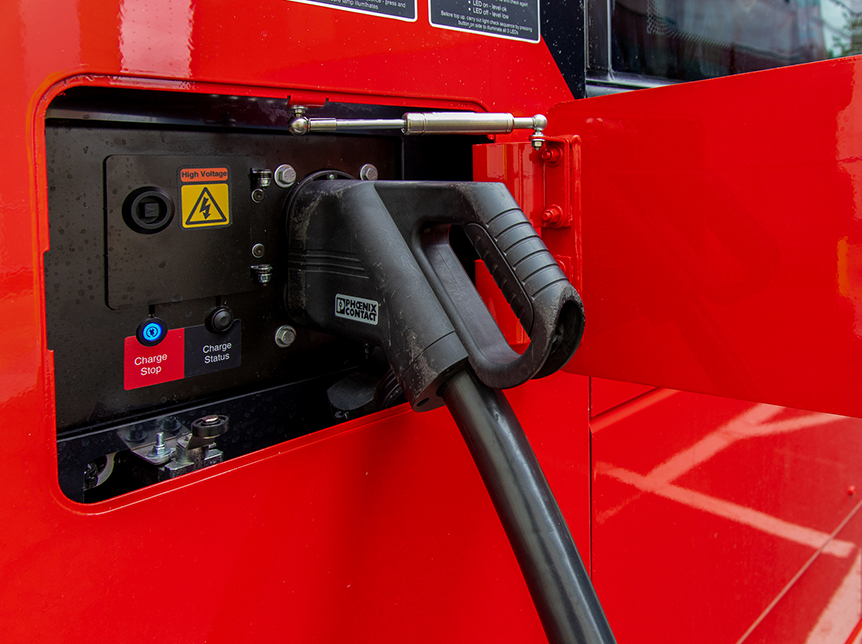
BEVs rely on a network of charging infrastructure to keep them powered. While this network is expanding, it's essential for BEV owners to have access to convenient charging options. The driving range of BEVs has also improved significantly, with many modern models offering ranges comparable to traditional gasoline-powered vehicles.
Conclusion: Forging a Sustainable Path Ahead
The rise of zero-emission and battery electric vehicles represents a seismic shift in the automotive industry. These vehicles are redefining the way we approach mobility, emphasizing sustainability, efficiency, and environmental consciousness.
Harmonizing for a Greener Future
While zero-emission vehicles encompass various technologies, battery electric vehicles are at the forefront of this transformation. Their ability to operate solely on electricity, combined with advancements in battery technology, infrastructure, and charging options, positions them as a cornerstone of our journey toward a cleaner and more sustainable future.
The Road Ahead
As we continue to transition from traditional fossil fuel vehicles to cleaner alternatives, the ongoing development and adoption of battery electric vehicles offer hope for a world where urban streets are filled with whisper-quiet, emission-free vehicles, contributing to a healthier planet for generations to come.
Read more
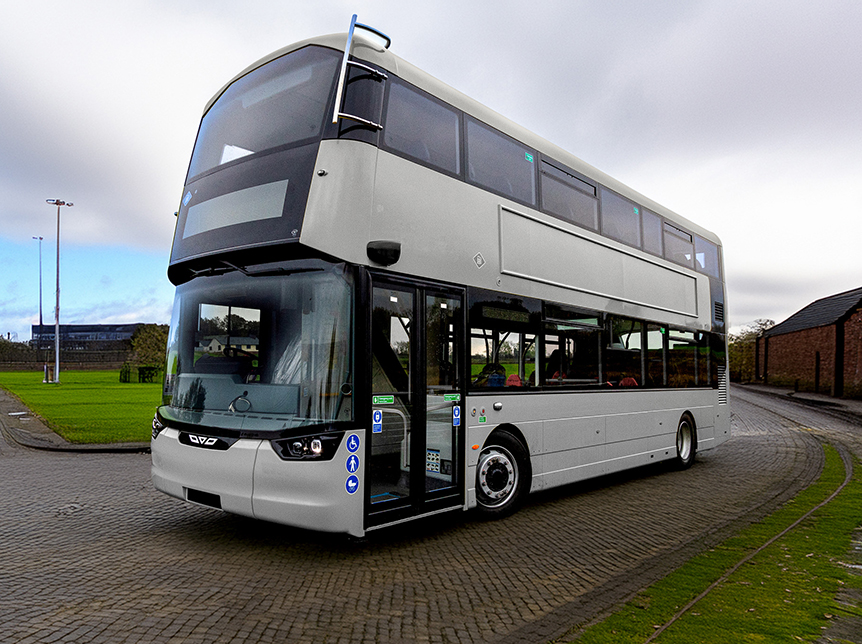
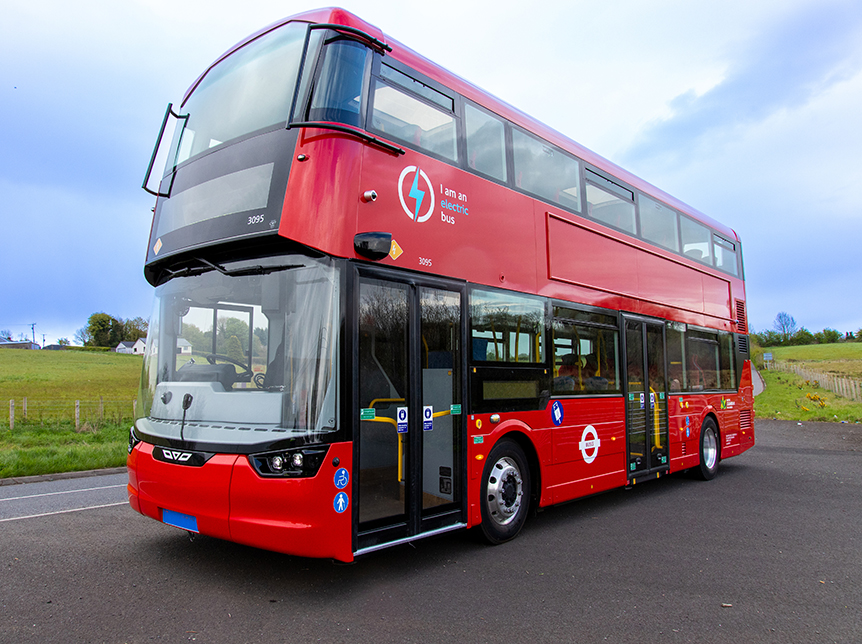
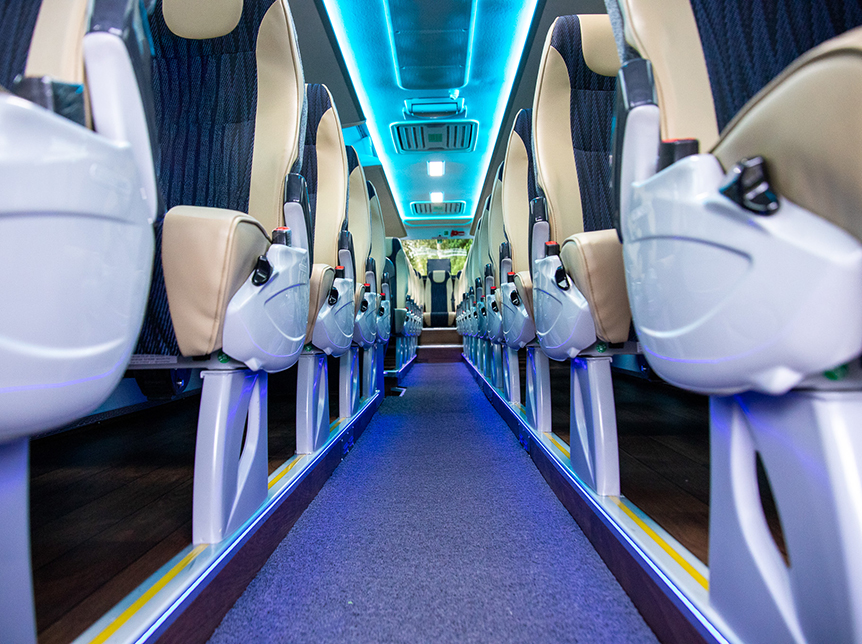
Zero-Emission Vehicles and Double-Deck Coaches: The Future of Travel
Read on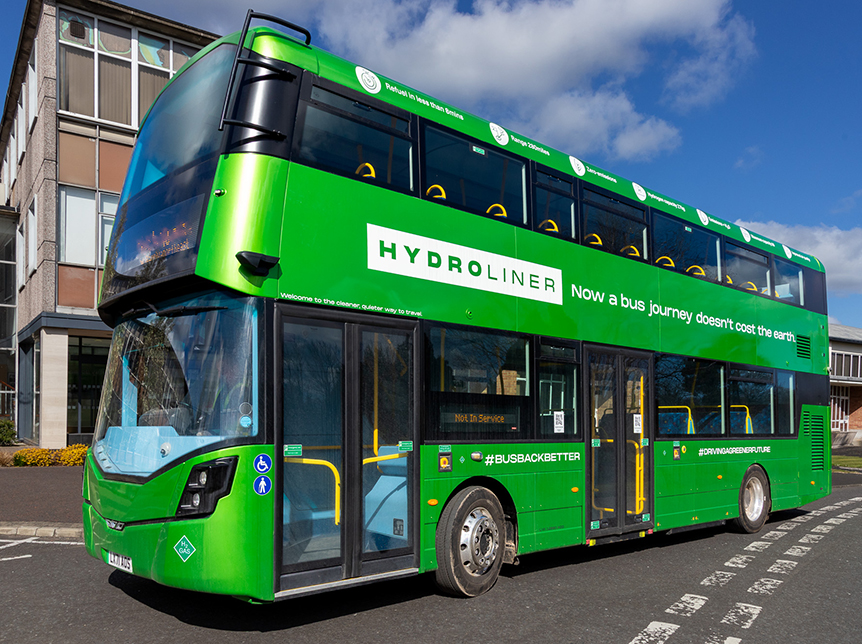
Hydrogen-Powered Vehicles and Double-Deck Articulated Bus Technology
Read on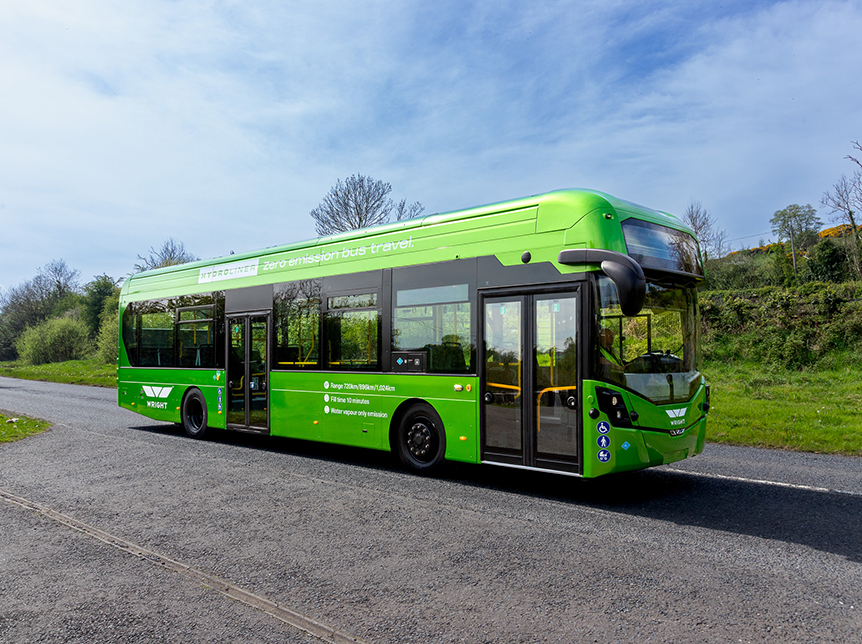
Hydrogen Fuel Cell Vehicles vs Hybrid Vehicles: Pros and Cons Explained
Read on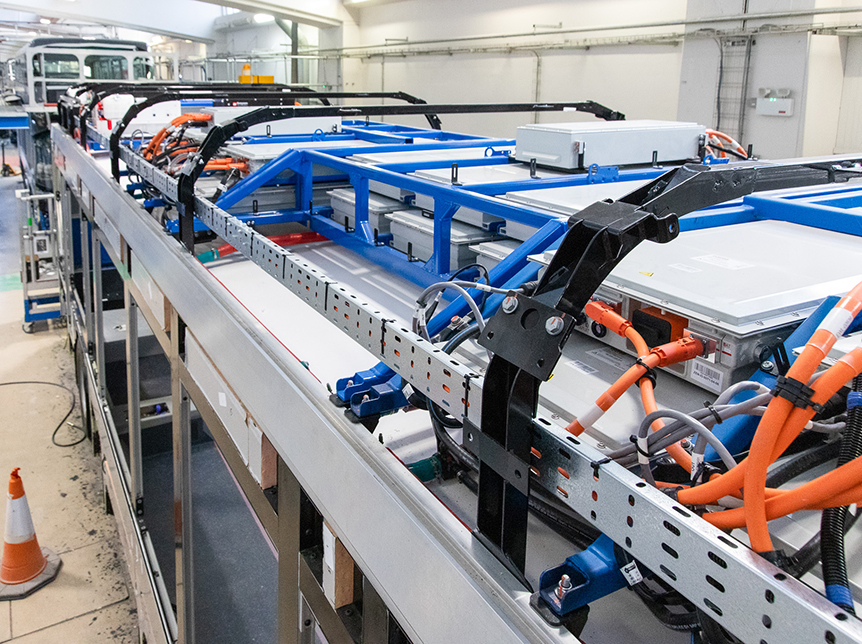
Bus Companies in the UK and the Growth of Electric Bus Manufacturing
Read on
London Electric Buses and the Rise of UK Zero-Emission Bus Manufacturing
Read on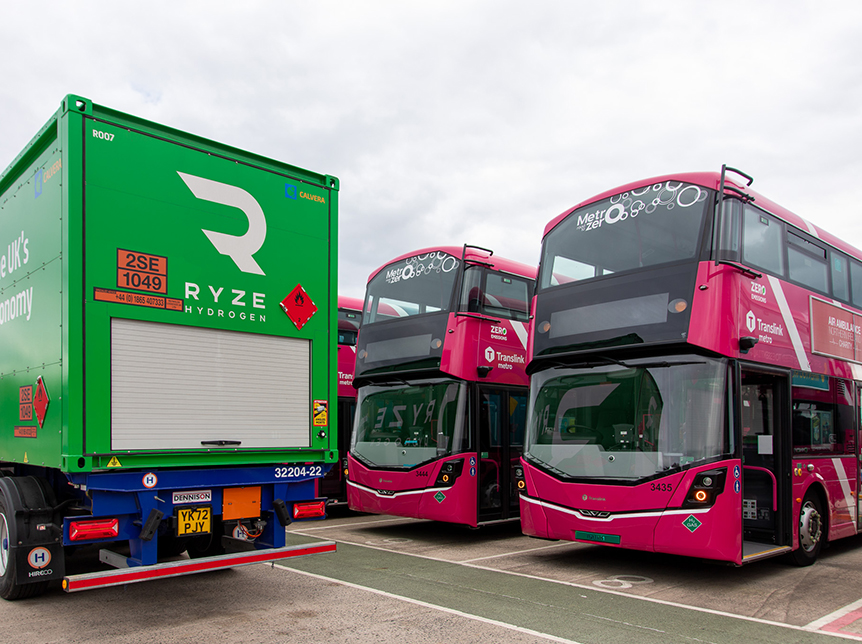
Hydrogen Fuel Cell Vehicles and the Future of Clean Transport in the UK
Read on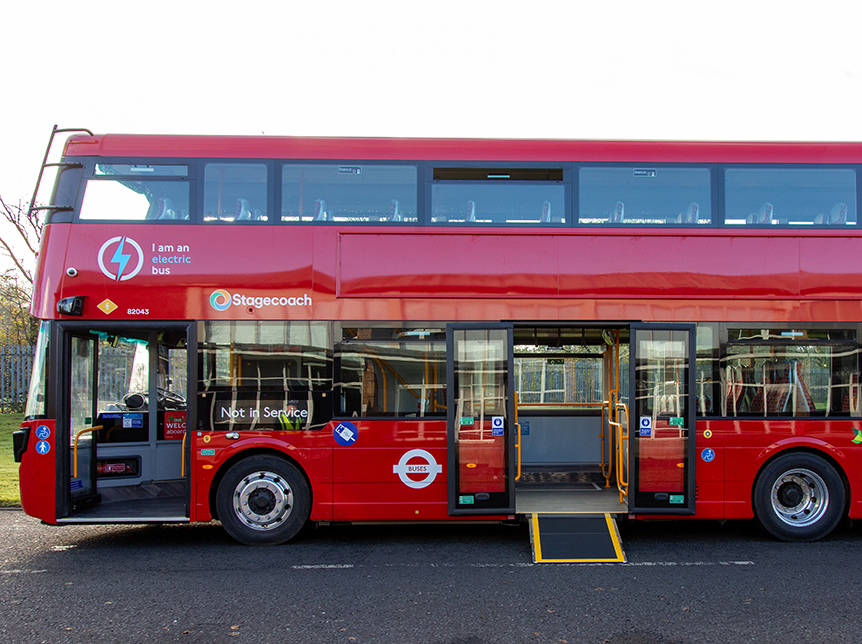
Electric Buses UK: Electric Double-Decker Bus & Bus Dimensions Guide
Read on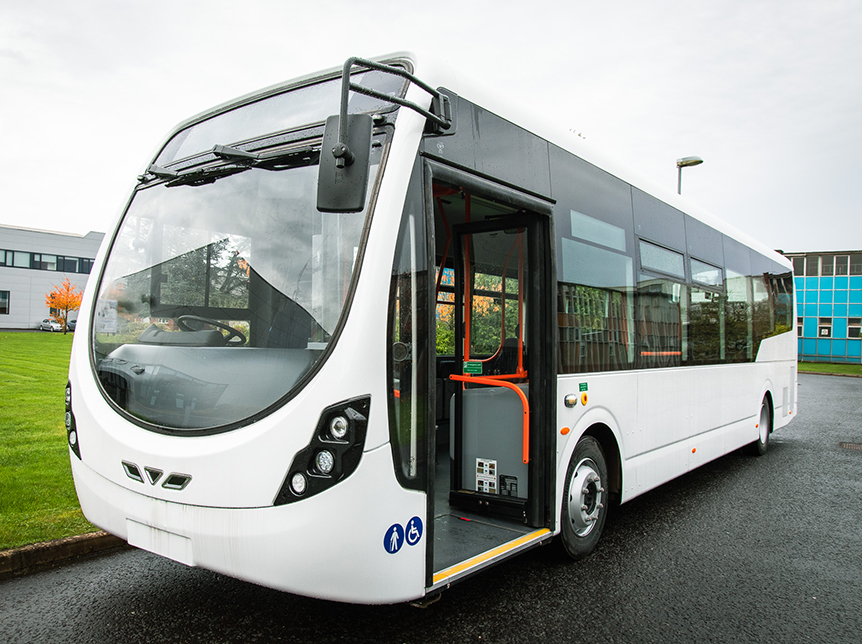
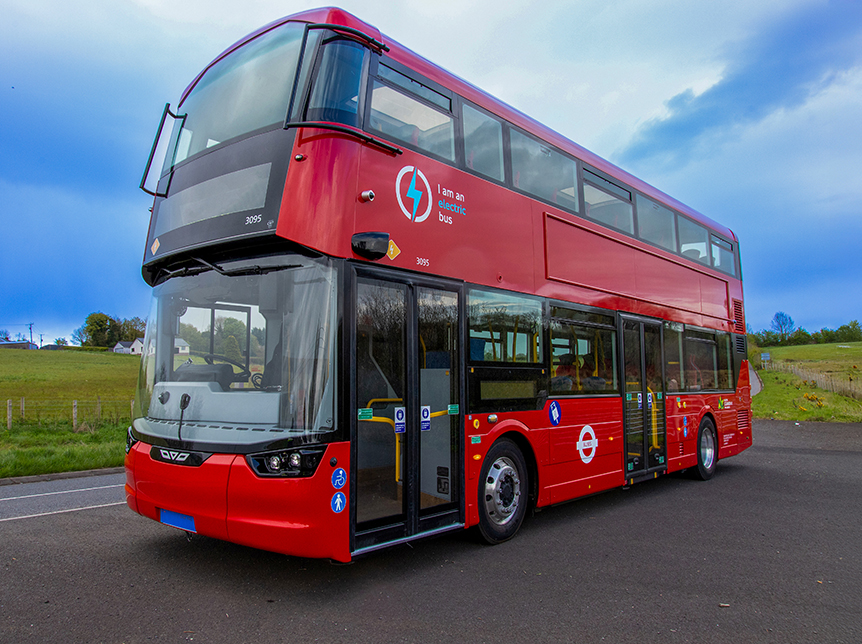
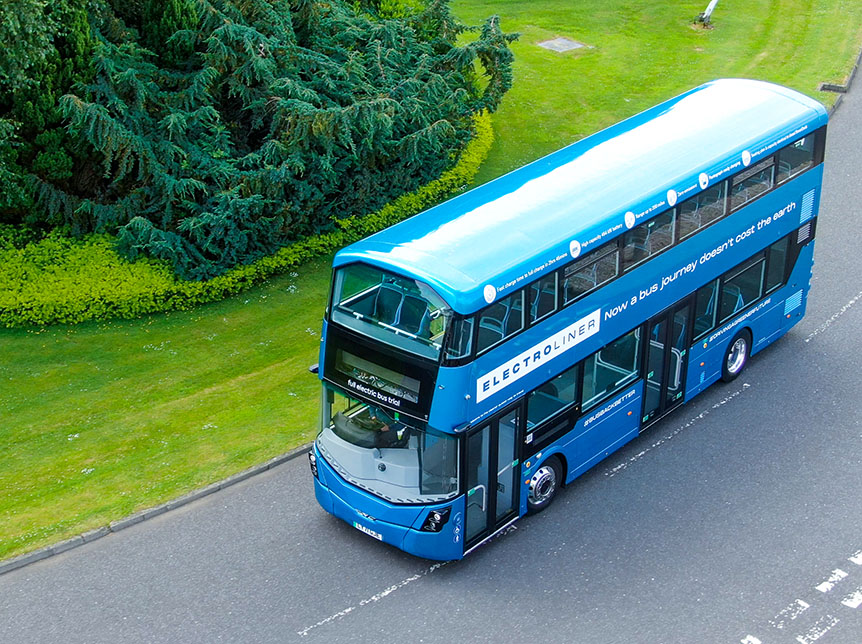
The Double Decker Electric Buses: Revolutionizing Urban Transportation
Read on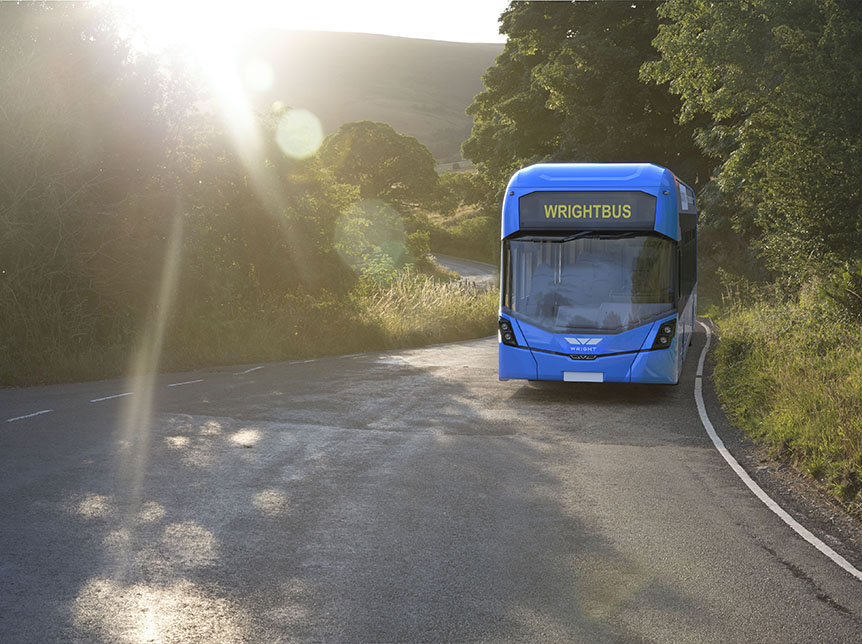
Single Decker Electric Buses: Paving the Way for Sustainable Public Transport
Read on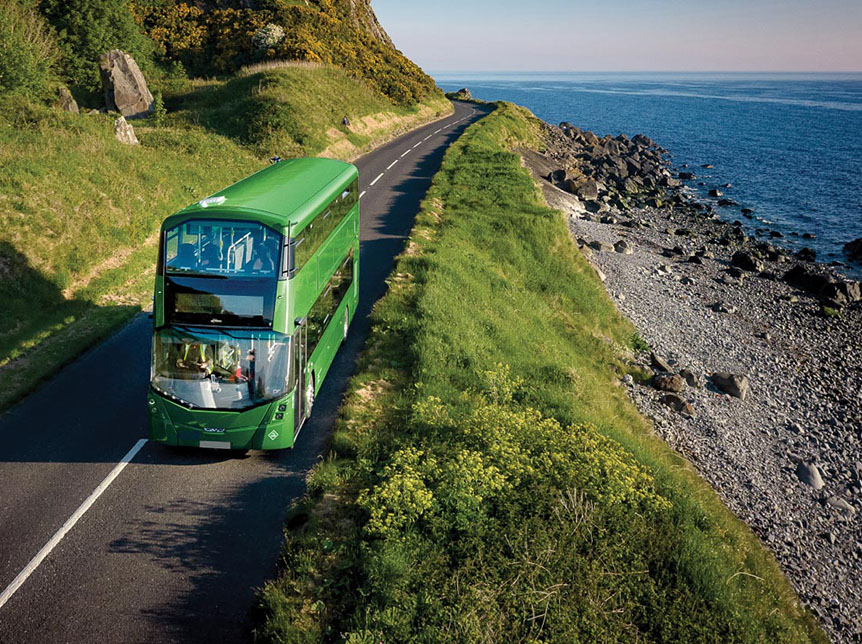
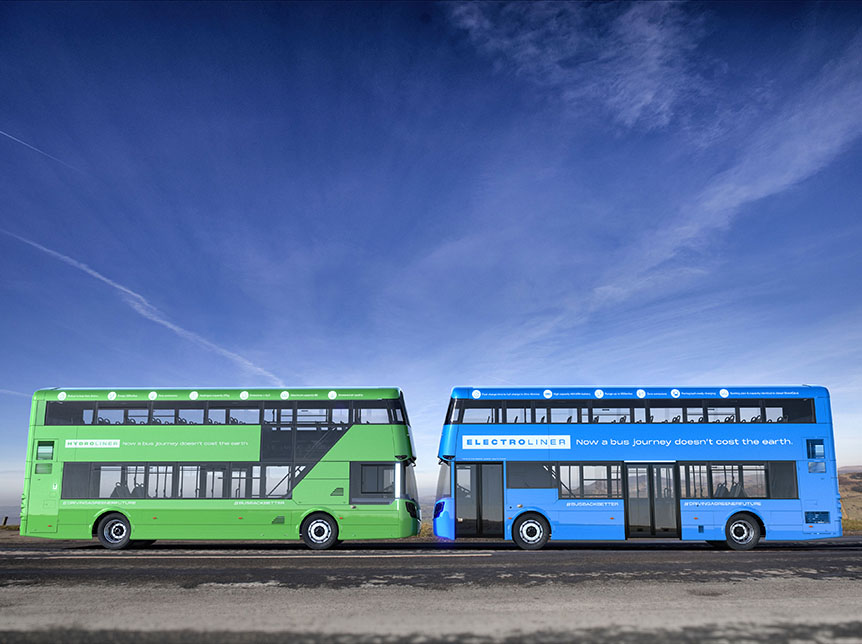
Electric Buses and Hydrogen Vehicles: Driving the Future of Sustainable Transportation
Read on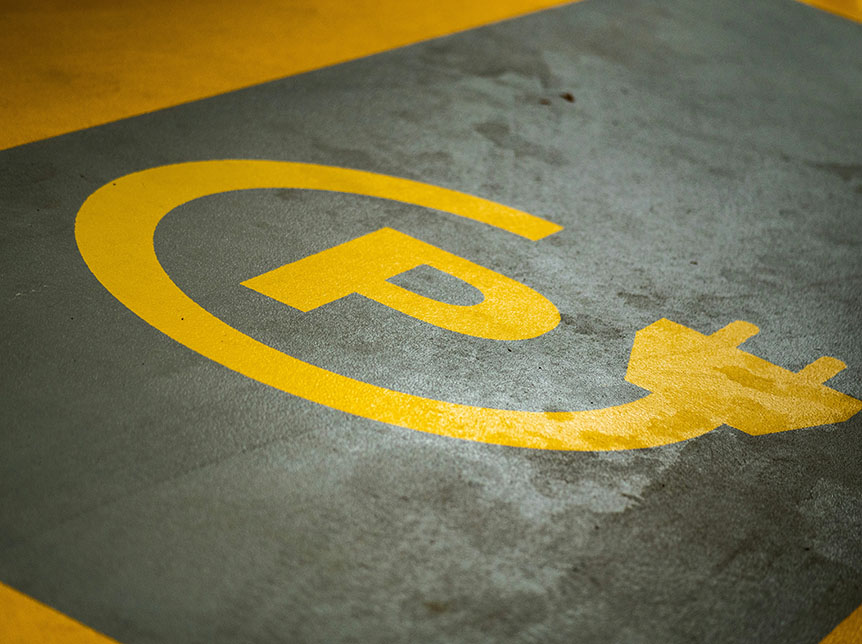
Hybrid Buses: The Future of Sustainable Double Decker Transportation
Read on
The Future of Public Transit: Single Decker Buses and Hydrogen Fuel Cell Vehicles
Read on
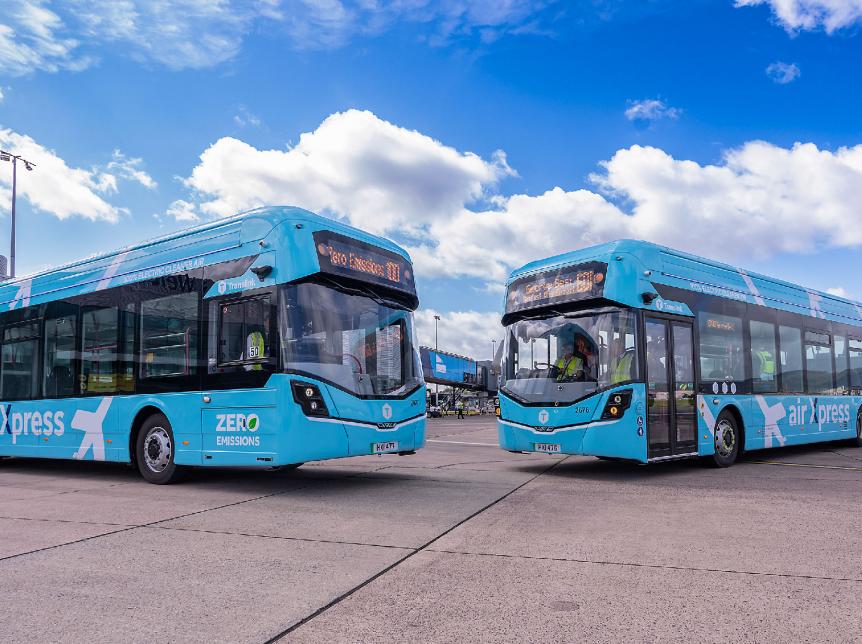
Exploring the Future of Transportation: Battery Electric Vehicles and Double Decker Buses
Read on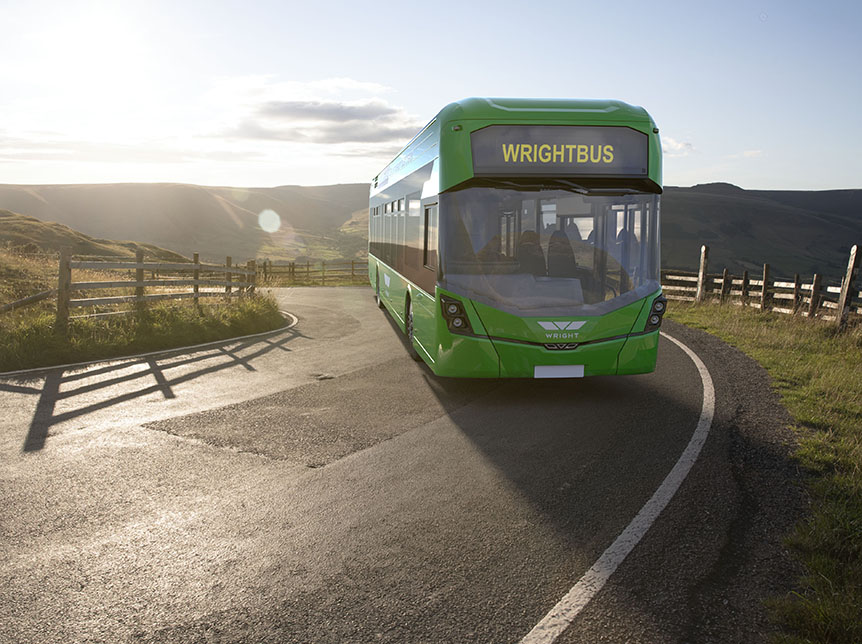
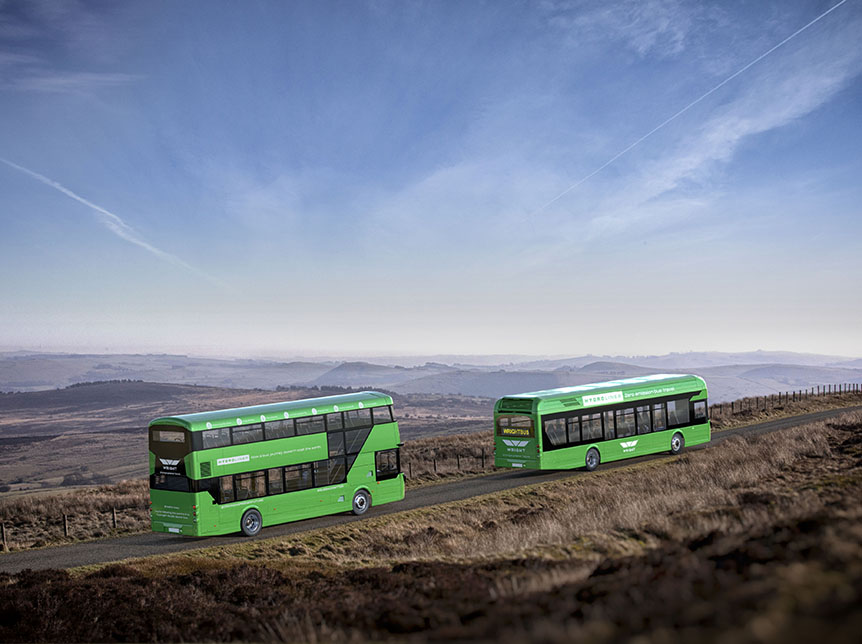
Navigating Urban Landscapes: The Versatility of Single Deck Buses and Double Deck Buses
Read on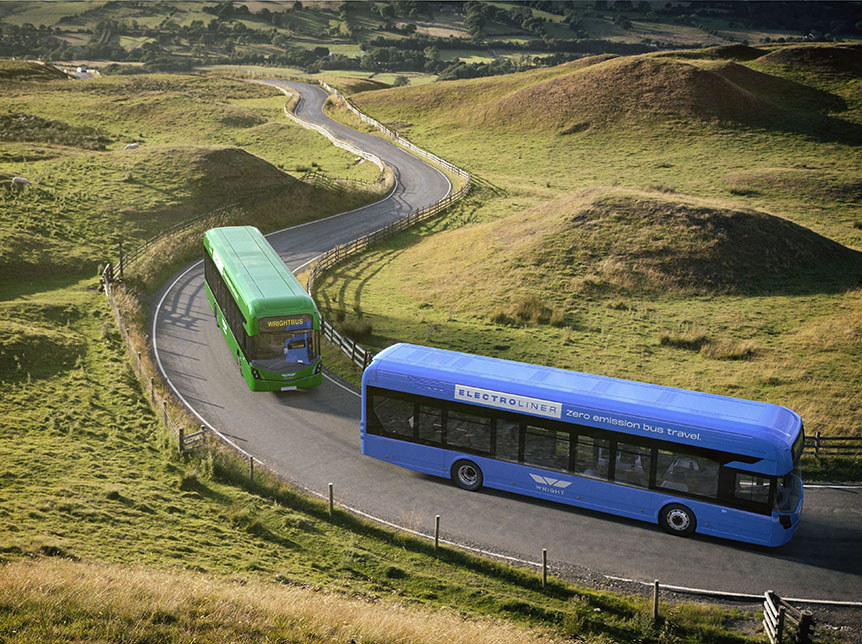

Get in touch
Wrightbus has been at the forefront of transport innovation since 1946, relentlessly pushing the boundaries with its commitment to quality, style and safety.