The automotive and transport industries are adopting a range of technologies to improve energy efficiency and reduce emissions. Hybrid and zero-emission powertrains take different approaches, so understanding their operation and limitations is important for consumers and fleet operators.
What Are Hybrid Vehicles?
Hybrid vehicles combine an internal combustion engine with an electric motor and battery system. Depending on the design, the electric motor can assist the engine, power the vehicle independently for short periods, or work together with the engine to improve overall efficiency.
Hybrid technology is particularly useful in situations where frequent acceleration and braking occur, such as urban driving. Energy recovered during braking can be stored in the battery and reused to support propulsion.
Types of Hybrid Vehicles
There are several types of hybrid vehicles, each offering a different level of electrification.
Mild Hybrid Vehicles
Mild hybrids use a small electric motor to assist the combustion engine during acceleration and other demanding situations. The electric system can also support features such as engine start-stop functions. These vehicles generally cannot drive solely using electric power.
Full Hybrid Vehicles
Full hybrids have a more capable electric motor and battery system. Depending on driving conditions, they can operate using the combustion engine, electric motor, or a combination of both. Electric-only operation is generally possible for limited distances and at suitable speeds.
Plug-In Hybrid Vehicles
Plug-in hybrids have larger batteries that can be charged using an external power source. They can typically travel farther using electric power alone before the combustion engine is required. This provides greater flexibility for drivers who have access to regular charging.
Series and Parallel Hybrids
Hybrid powertrains can also be classified by how the engine and electric motor deliver power. In a series hybrid, the engine primarily generates electricity for the electric drive system. In a parallel hybrid, both the engine and electric motor can contribute directly to vehicle propulsion.
What Are Zero-Emission Vehicles?
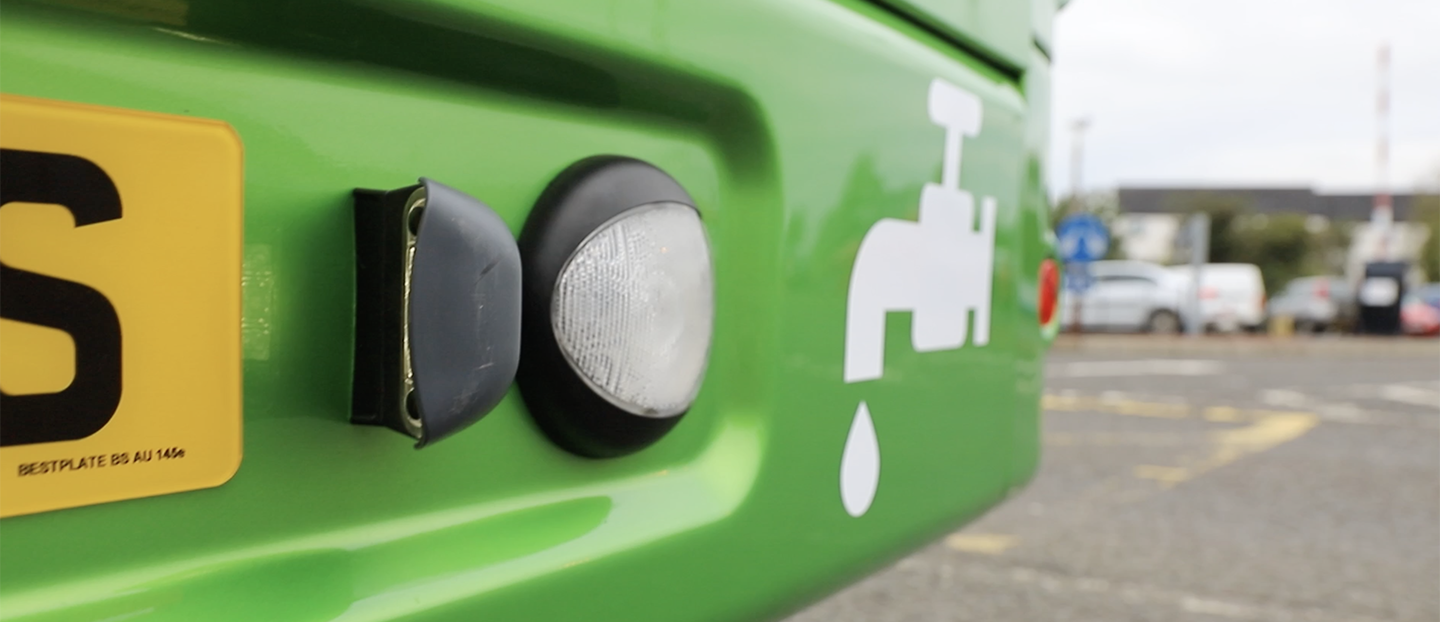
Zero-emission vehicles produce zero carbon dioxide emissions from the tailpipe during operation. Battery-electric vehicles (BEVs) and fuel cell electric vehicles (FCEVs) are the principal examples in current UK vehicle classifications.
Battery-electric vehicles use stored electrical energy to power an electric drivetrain. Fuel cell electric vehicles generate electricity on board from hydrogen and oxygen and use it to power an electric drivetrain, normally together with a battery for energy buffering and regenerative braking.
Zero tailpipe emissions do not mean zero environmental impact over the complete vehicle life cycle. Vehicle and battery manufacture, electricity generation, hydrogen production, component replacement and end-of-life processing can all contribute to overall environmental impacts.
Hybrid vs Zero-Emission Vehicles
Hybrid vehicles can reduce fuel consumption and tailpipe emissions relative to a comparable conventional vehicle, depending on the design and duty cycle, but they still use an internal combustion engine. BEVs and FCEVs eliminate carbon dioxide emissions from the tailpipe during operation, although they require suitable charging or hydrogen-refuelling infrastructure.
The right technology depends on factors such as driving distance, charging availability, operating conditions, purchase cost, and long-term ownership requirements.
The Future of Cleaner Transport
Hybrid and zero-emission technologies are both part of the transition to lower-emission transport. Hybrids can reduce fuel use in appropriate duty cycles, while BEVs and FCEVs provide routes to zero tailpipe carbon dioxide emissions.
As battery technology, hydrogen infrastructure, charging networks, and renewable energy systems continue to develop, both technologies can play important roles in creating more efficient and sustainable transport.
Read more
Low-Emission Vehicle Solutions and the Role of Modern Bus Companies
Read on
How Much Does a Bus Weigh and How Do Hydrogen-Powered Vehicles Work?
Read on
Double-Deck Coaches and Electric Bus Companies: Shaping Modern Bus Travel
Read on
Modern Electric Vehicle Types and Next-Generation Double-Decker Buses
Read on
Bus Manufacturing Companies and the Rise of Electric Double-Decker Buses
Read on
Hydrogen Fuel Cell Vehicles and Double-Decker Bus Innovation in Modern Transport
Read on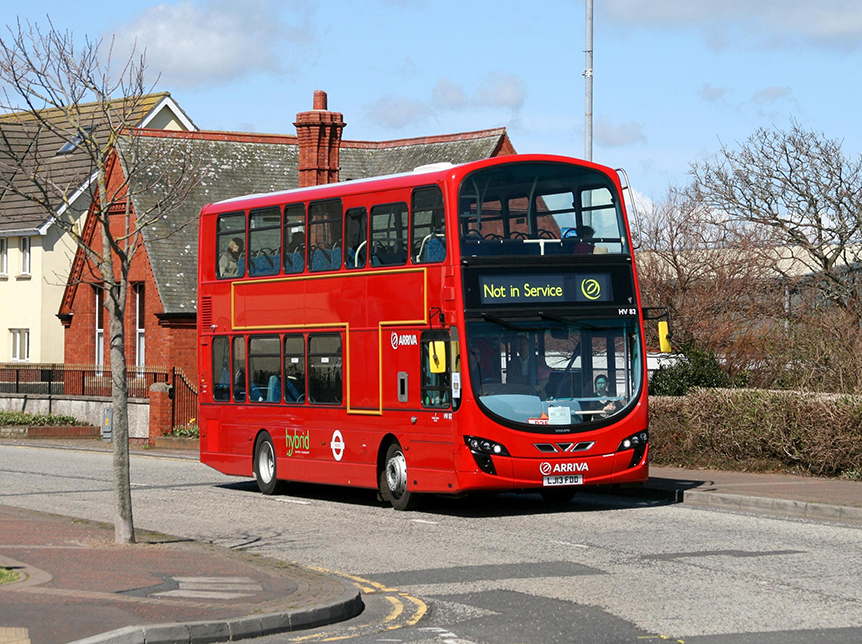
Hybrid Electric Vehicles and Fuel Cell Electric Vehicles: The Future of Clean Mobility
Read on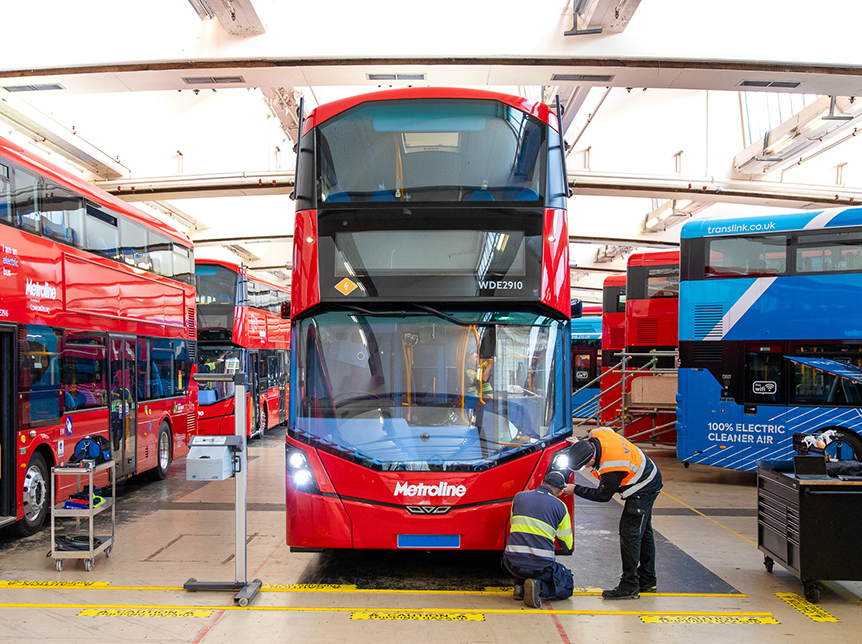
Electric Vehicle Manufacturers and the Rise of Zero-Emission Vehicles
Read on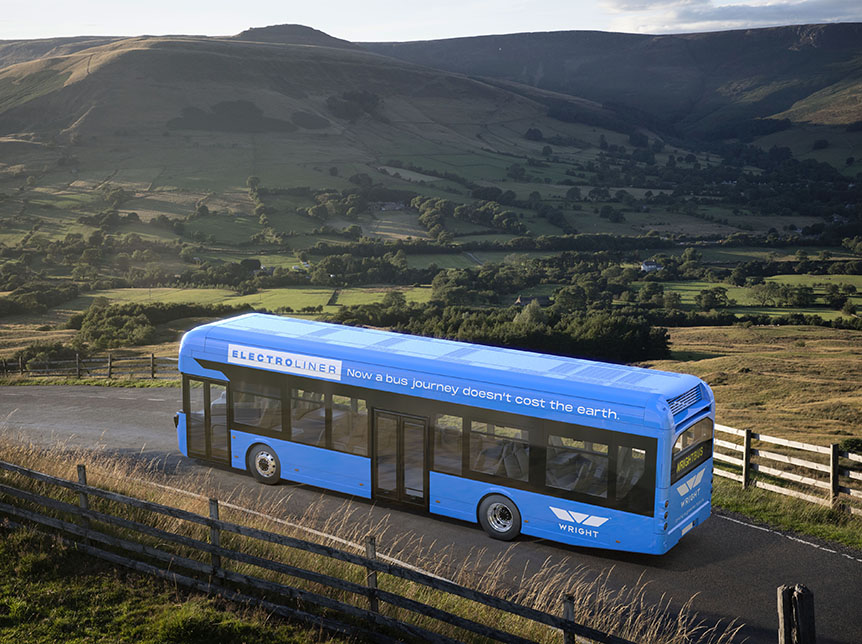
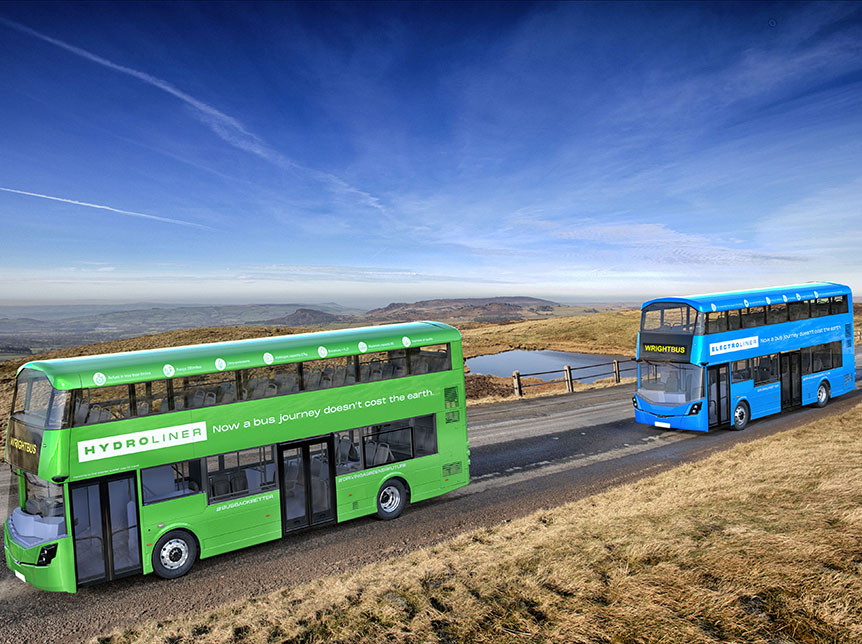
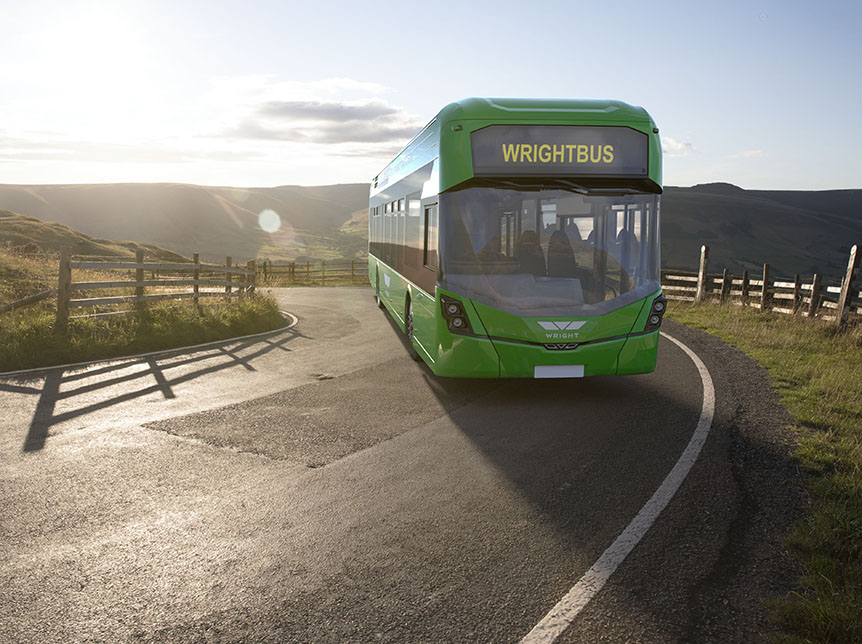
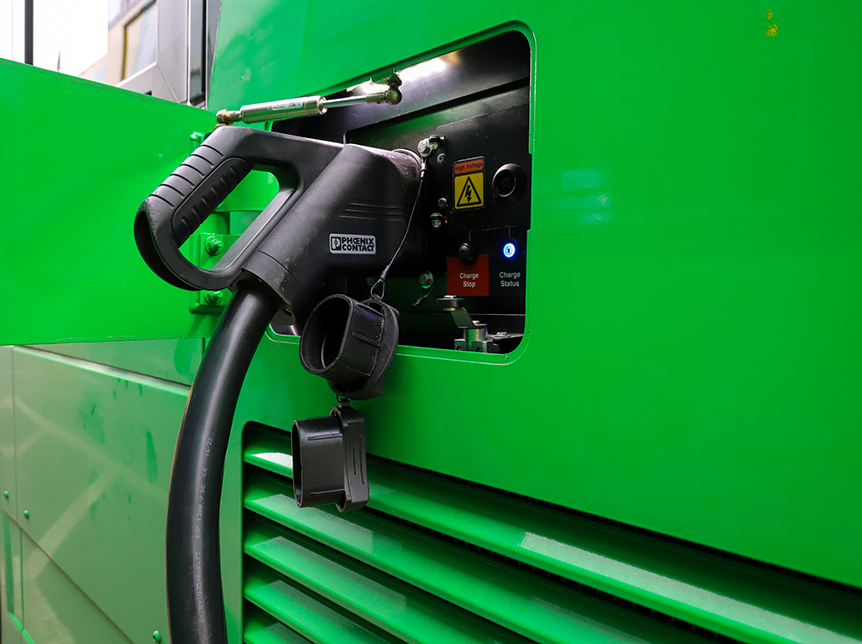
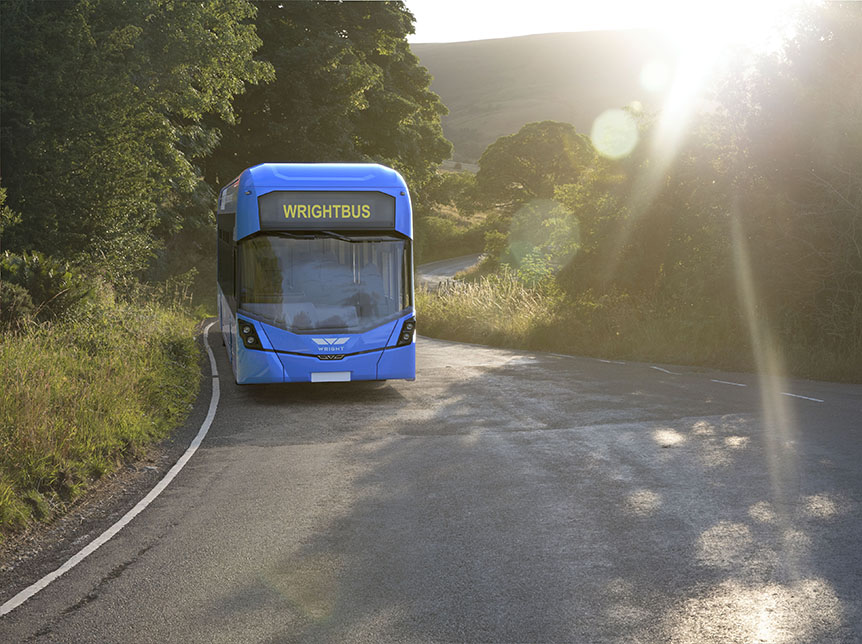
Driving Towards Sustainability: Electric Buses in the UK Leading the Way to Zero Emission Vehicles
Read on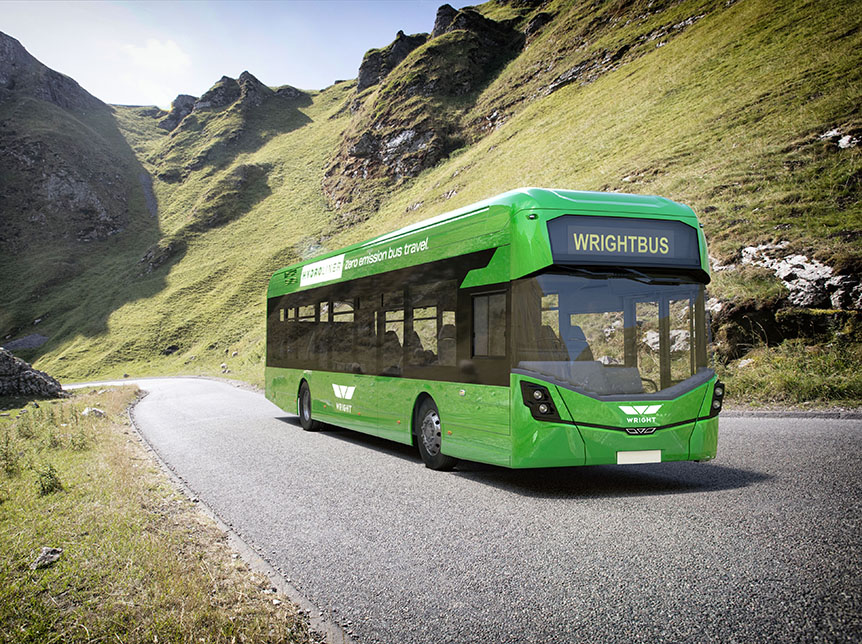
Fueling the Future: Single Decker Hydrogen Vehicles Redefining Urban Transit
Read on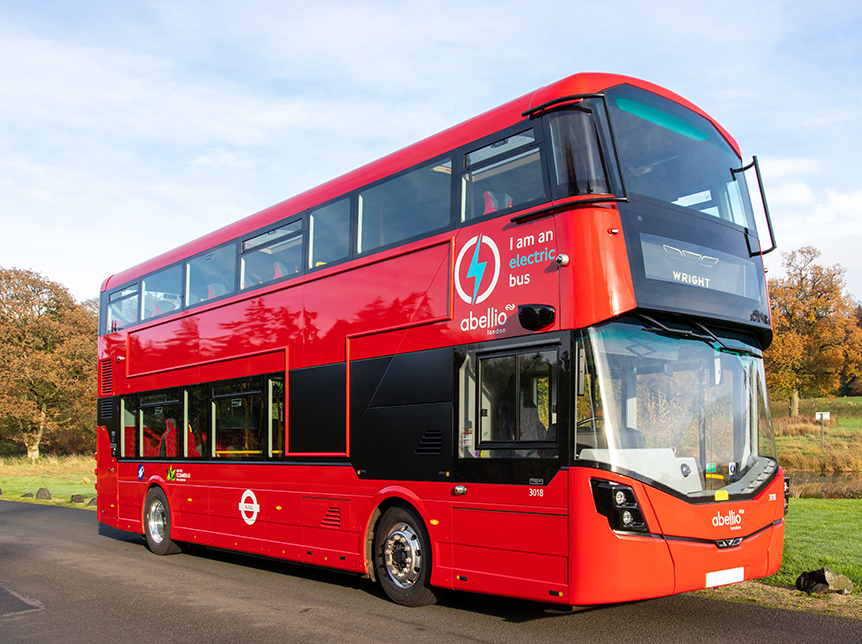
Navigating Green Urban Transit: London's Best Electric Vehicles and Electric Buses
Read on
Embracing Tomorrow's Roads: Zero-Emission vs. Battery Electric Vehicles
Read on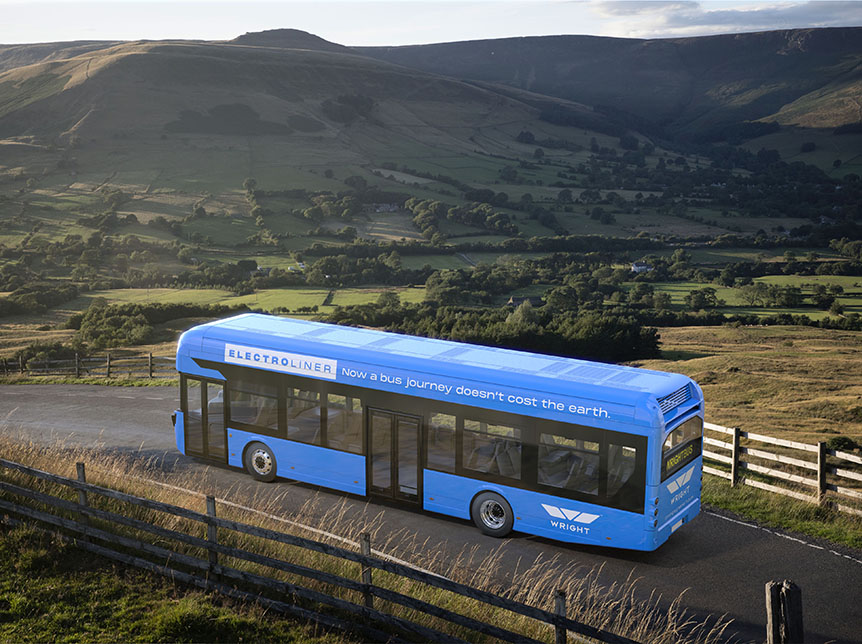
Electrifying Urban Transport: The Rise of Electric Vehicles and E-Buses
Read on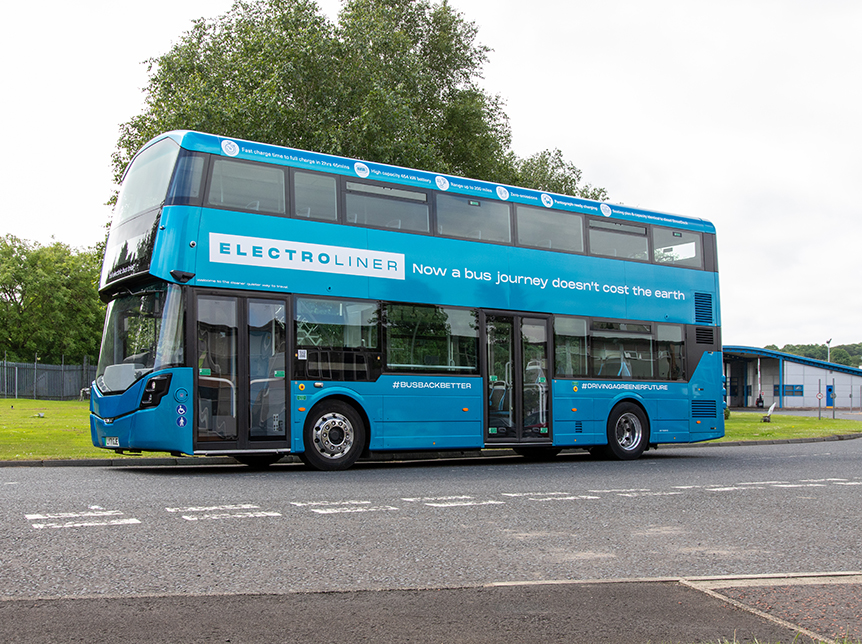
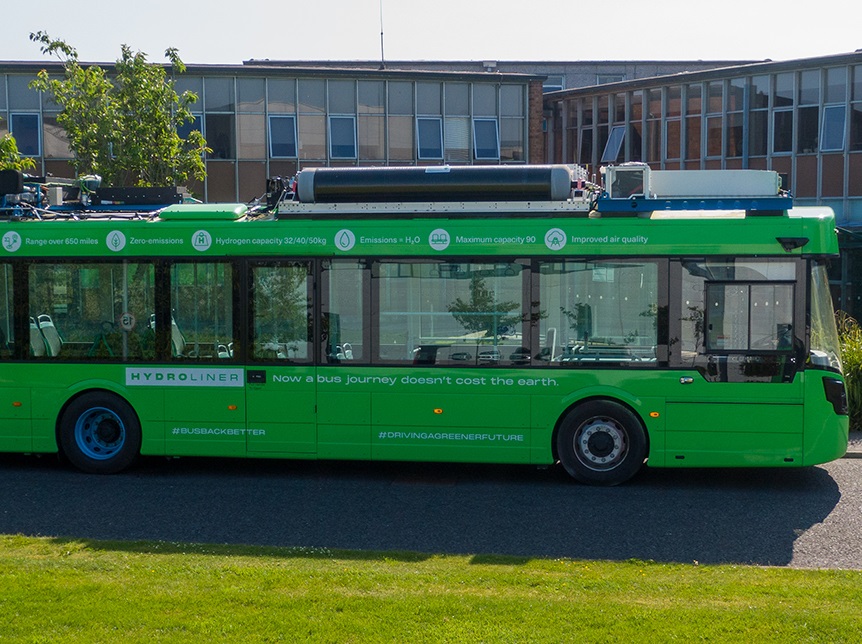
Driving Towards a Green Future: Hydrogen Fuel Cell Vehicles Leading the Way
Read on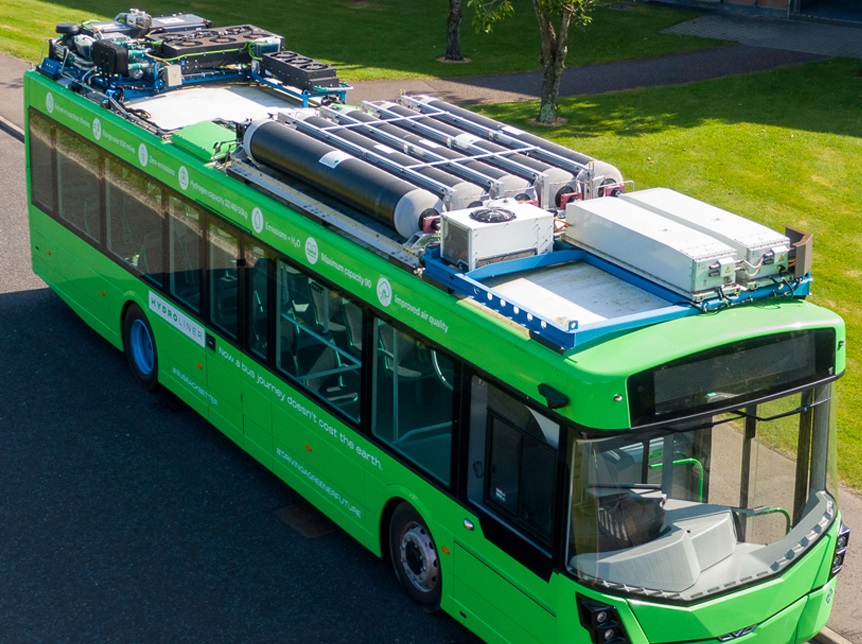
Hydrogen Fuel Cells Are The Future Of Zero-Emission Haulage: This Is How The UK Can Get There
Read on

Get in touch
Wrightbus has been at the forefront of transport innovation since 1946, relentlessly pushing the boundaries with its commitment to quality, style and safety.