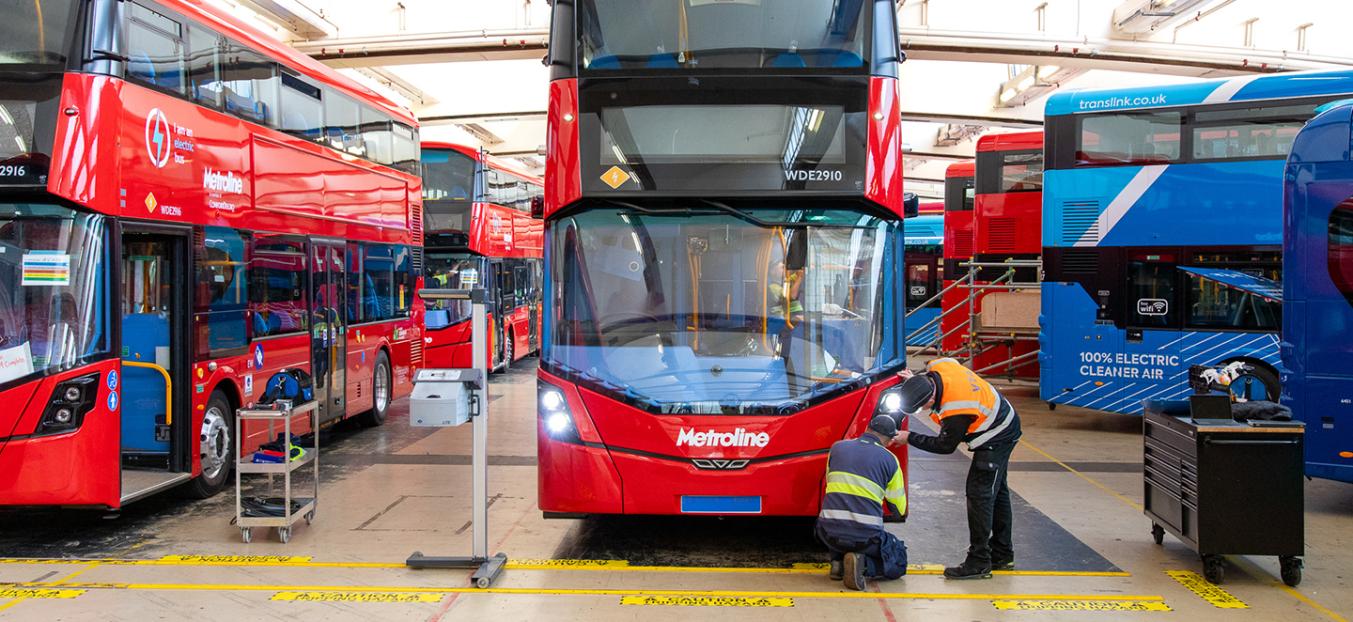
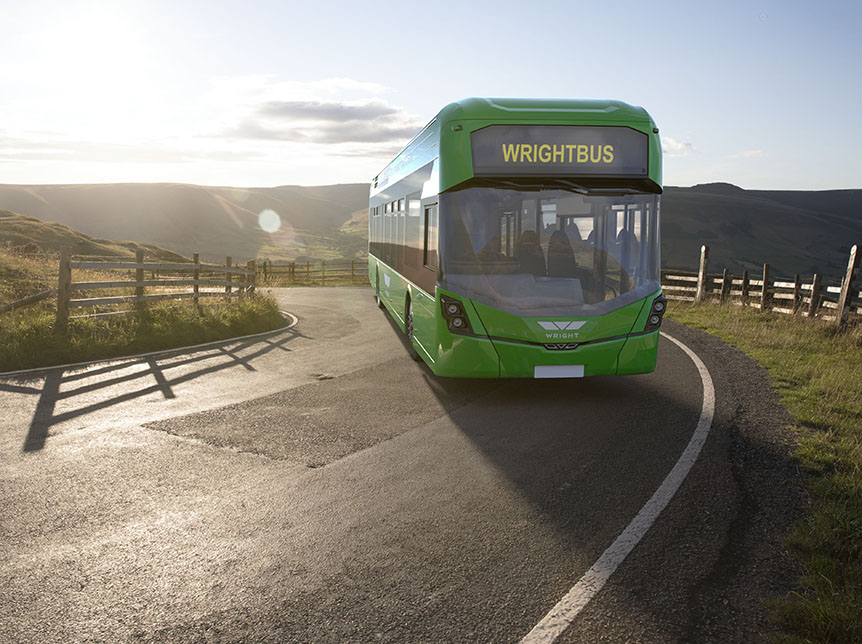
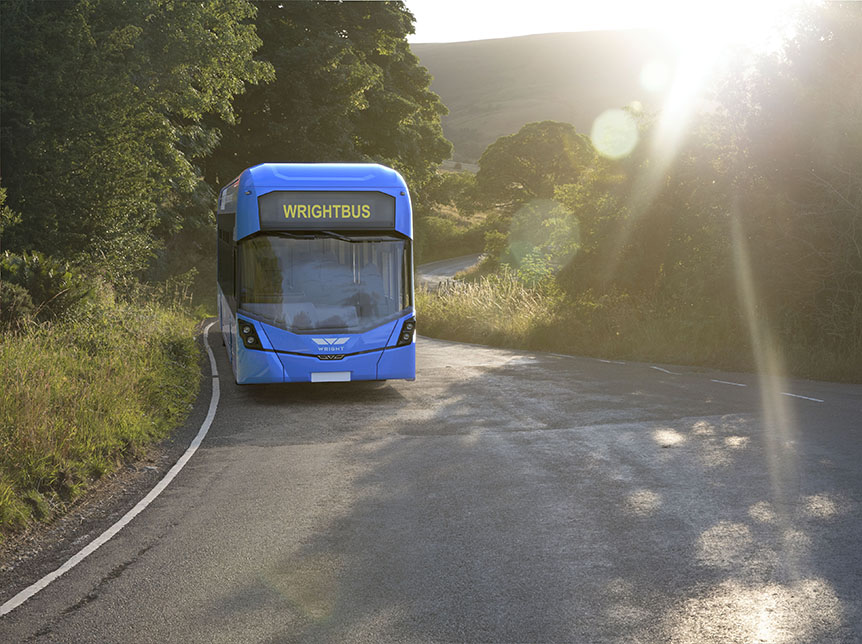
The transport industry is undergoing a rapid shift towards sustainability, driven by electric vehicle manufacturers and increasing demand for zero-emission vehicles. As climate concerns grow and governments push for cleaner mobility solutions, electric transport is becoming a key part of modern infrastructure. From passenger cars to buses and commercial fleets, electrification is reshaping how people and goods move.
Growth of Electric Vehicle Manufacturers
Electric vehicle manufacturers are playing a central role in this transformation by designing and producing vehicles powered entirely by electricity. These companies are focused on improving battery technology, extending driving range, and reducing overall vehicle cost to make electric mobility more accessible.
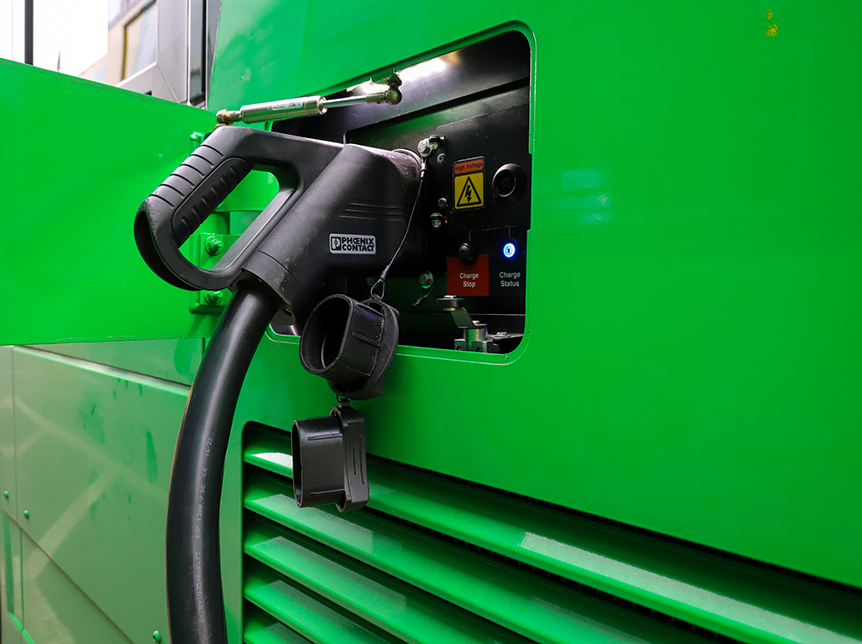
The industry now covers a wide range of vehicles including electric cars, buses, trucks, and two-wheelers. Continuous advancements in lithium-ion battery systems and emerging solid-state battery technology have significantly improved performance and reliability. Manufacturers are also investing in fast-charging networks and smart energy systems to support large-scale adoption of electric vehicles.
Understanding Zero-Emission Vehicles
Zero-emission vehicles are vehicles that produce no tailpipe emissions during operation. This category includes battery-electric vehicles and hydrogen fuel cell electric vehicles, both designed to reduce local air pollution and dependence on fossil fuels. Their full lifecycle emissions still depend on factors such as electricity generation, hydrogen production, manufacturing and end-of-life treatment.
These vehicles help improve air quality, especially in urban areas where traffic pollution is a major concern. By eliminating tailpipe emissions such as CO2, NOx and particulate matter during operation, zero-emission vehicles contribute directly to cleaner cities and better public health outcomes.
Role of Electric Vehicle Manufacturers in Sustainability
The role of electric vehicle manufacturers extends beyond production. These companies are building complete ecosystems that support electric mobility, including charging infrastructure, battery recycling solutions, and energy-efficient vehicle platforms.
Many manufacturers are collaborating with governments and energy providers to develop sustainable transport networks. Their focus is on improving efficiency, reducing costs, and ensuring that electric vehicles are powered by renewable energy wherever possible.
Challenges in Electric Mobility
Despite strong growth, electric mobility still faces challenges such as high upfront costs, limited charging infrastructure in some regions, and concerns about battery lifecycle management. Range limitations for long-distance travel can also impact adoption in certain markets. However, rapid technological progress is steadily overcoming these barriers.
Future of Zero-Emission Vehicles
The future of zero-emission vehicles is highly promising, with increasing global adoption expected over the next decade. Governments worldwide are implementing stricter emissions regulations and offering incentives to accelerate the shift towards cleaner transport.
Future developments are likely to include improved battery technologies, expanded charging networks, and increased use of hydrogen fuel cell systems. As innovation continues, electric vehicle manufacturers will play a critical role in achieving global net-zero emission goals.
Conclusion
The rise of electric vehicle manufacturers and zero-emission vehicles marks a significant milestone in the evolution of transport. With ongoing innovation and strong policy support, electric mobility is expected to become a major part of personal, public and commercial transport in the coming years.
- What are electric vehicle manufacturers?
Electric vehicle manufacturers are companies that design and produce vehicles powered by electricity instead of traditional fossil fuels. - What are zero-emission vehicles?
Zero-emission vehicles do not produce tailpipe emissions during operation. Examples include battery-electric vehicles and hydrogen fuel cell electric vehicles. - Why are electric vehicles important?
Electric vehicles help reduce air pollution, lower greenhouse gas emissions, and decrease dependence on fossil fuels. - What types of vehicles are made by electric vehicle manufacturers?
They produce electric cars, buses, trucks, vans, and two-wheelers for personal and commercial use. - Are zero-emission vehicles better for the environment?
Yes, they significantly reduce local tailpipe emissions and can reduce overall greenhouse-gas emissions when powered by low-carbon electricity or low-carbon hydrogen. - What challenges do electric vehicles face?
Key challenges include charging infrastructure availability, battery costs, and long-distance range limitations. - What is the future of electric mobility?
The future includes better batteries, faster charging, wider adoption, and integration with renewable energy systems.
Read more
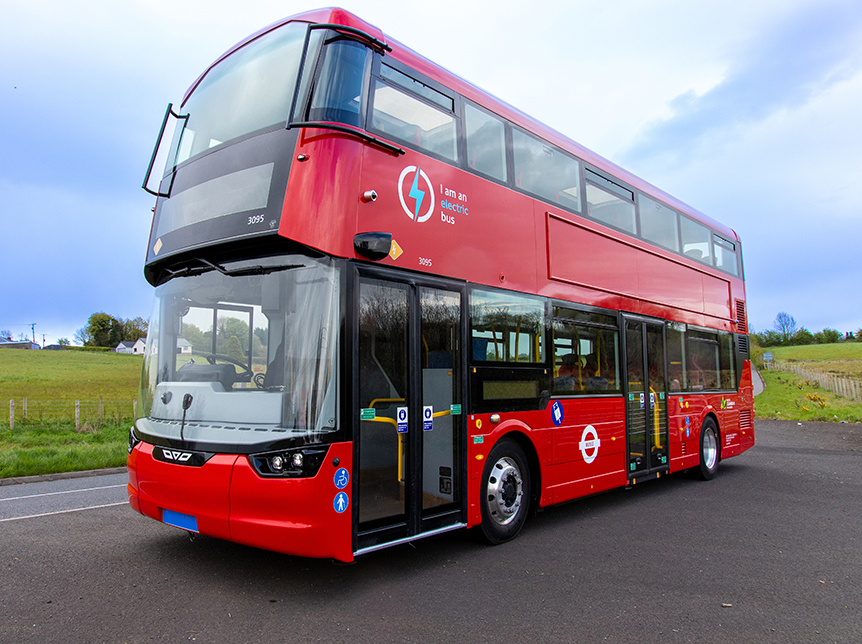
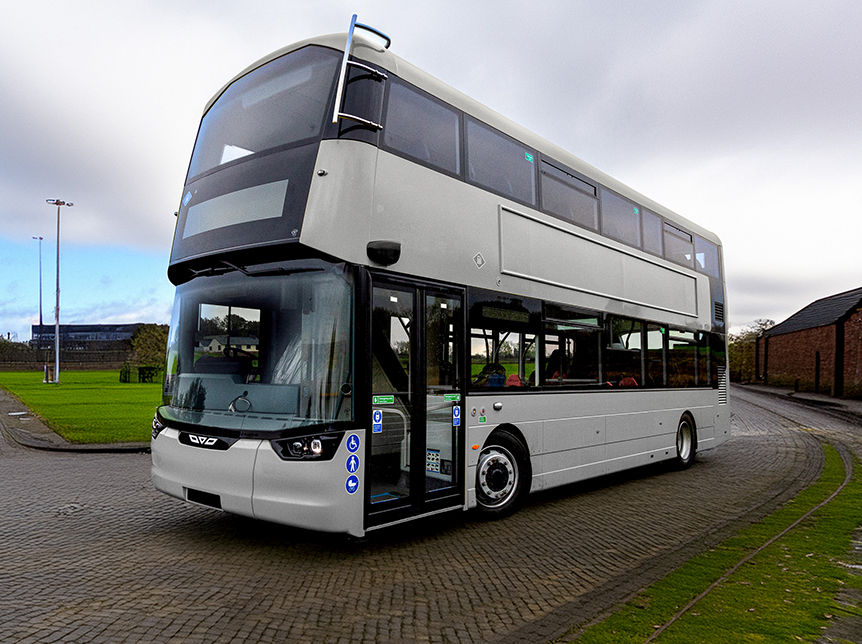
Low-Emission Vehicle Solutions and the Role of Modern Bus Companies
Read on
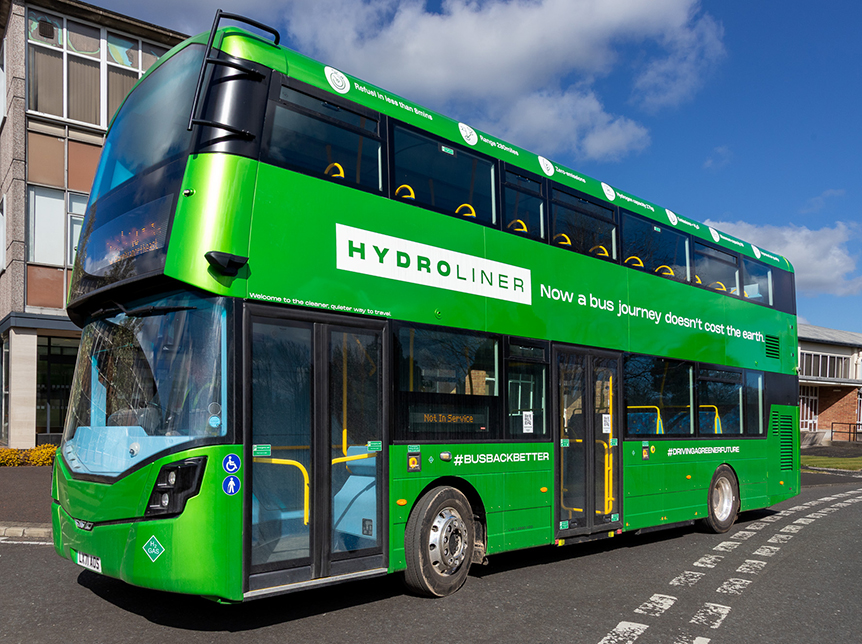
How Much Does a Bus Weigh and How Do Hydrogen-Powered Vehicles Work?
Read on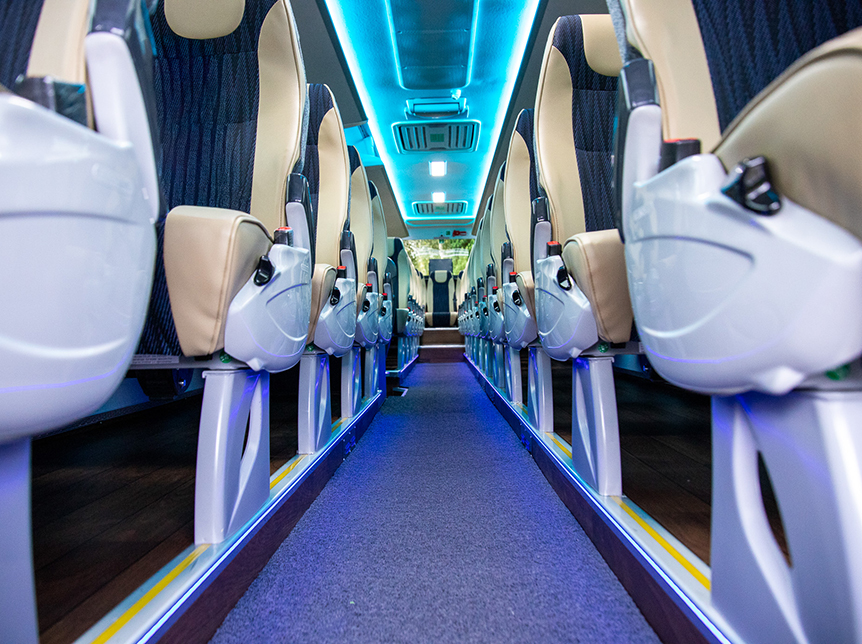
Double-Deck Coaches and Electric Bus Companies: Shaping Modern Bus Travel
Read on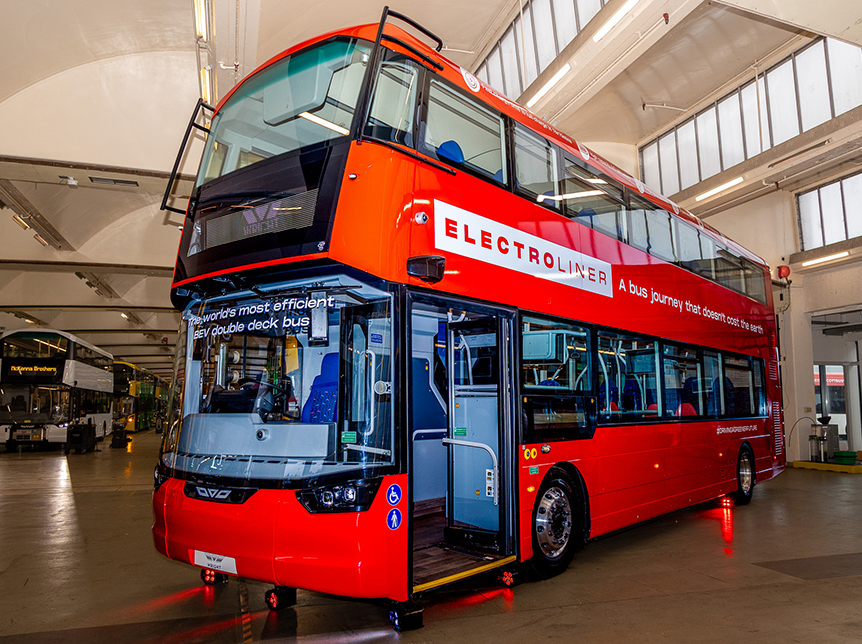
Modern Electric Vehicle Types and Next-Generation Double-Decker Buses
Read on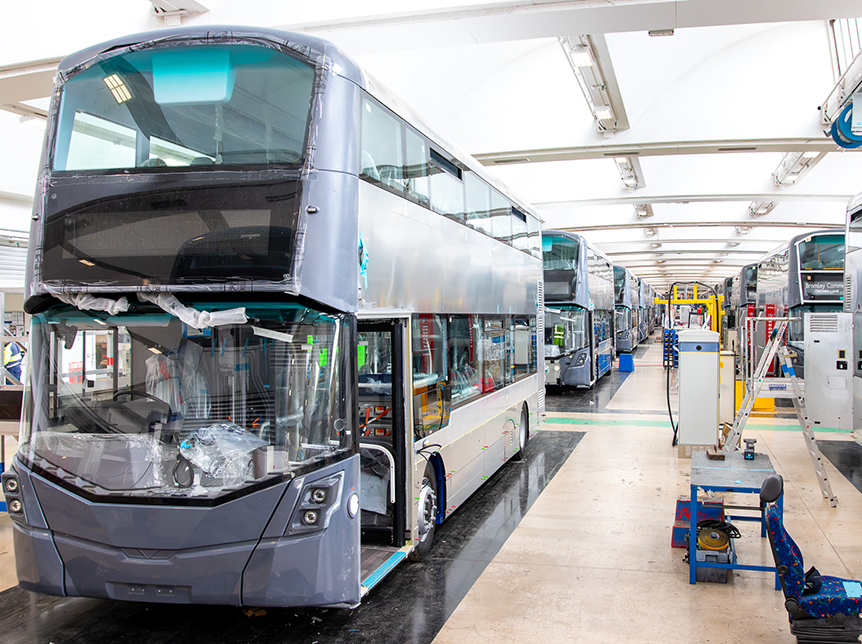
Bus Manufacturing Companies and the Rise of Electric Double-Decker Buses
Read on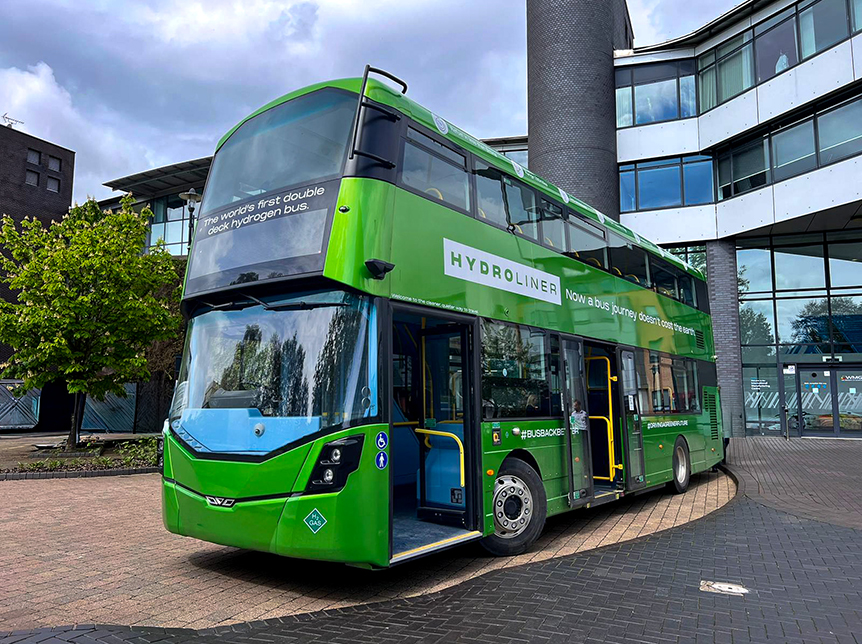
Hydrogen Fuel Cell Vehicles and Double-Decker Bus Innovation in Modern Transport
Read on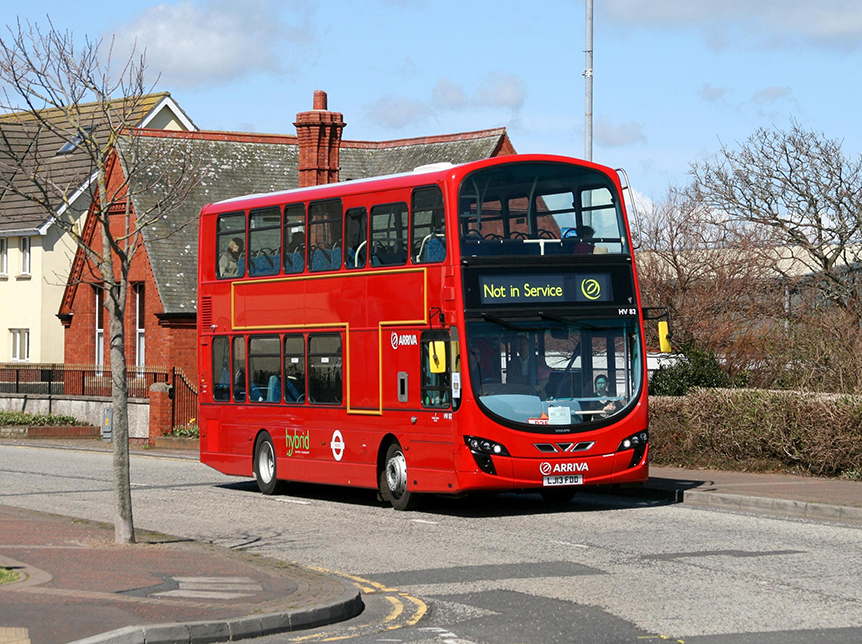
Hybrid Electric Vehicles and Fuel Cell Electric Vehicles: The Future of Clean Mobility
Read on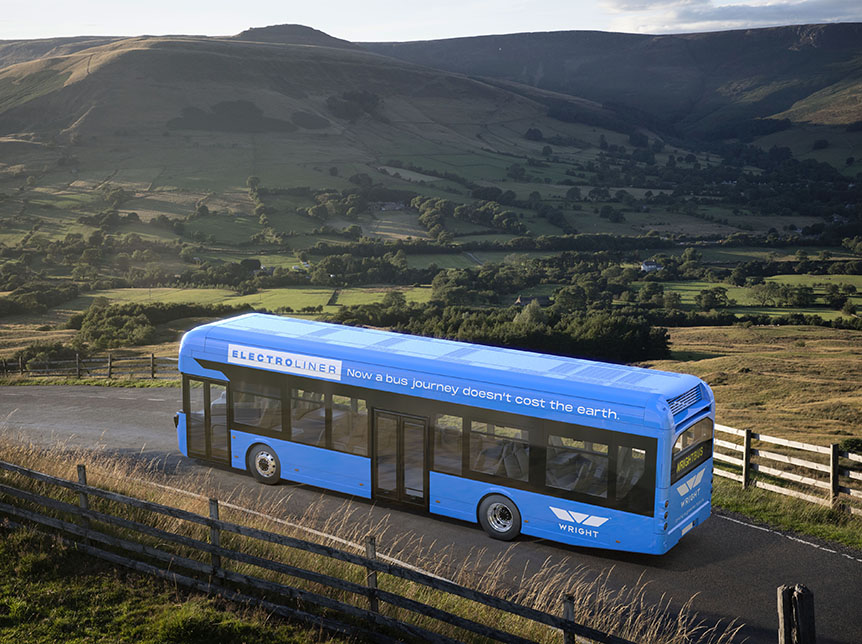
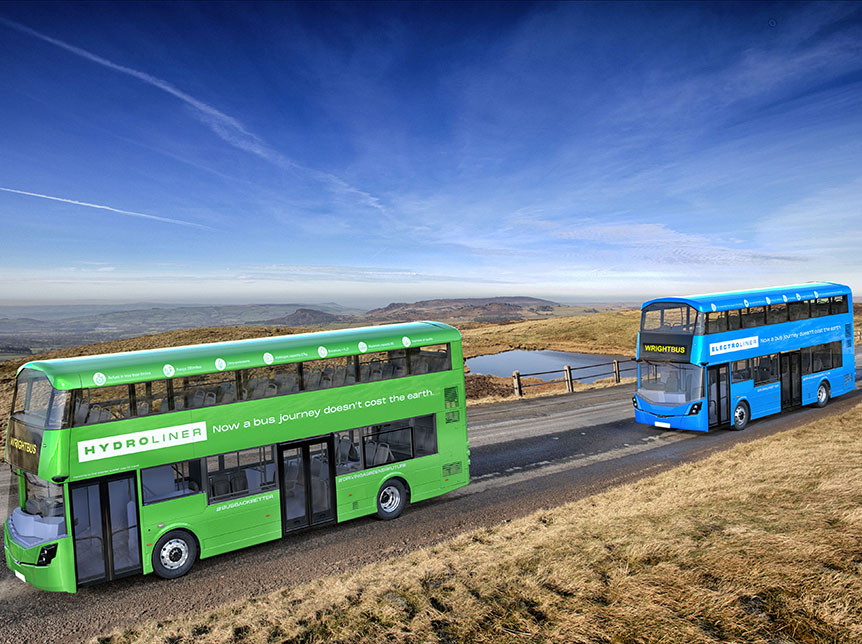
Driving Towards Sustainability: Electric Buses in the UK Leading the Way to Zero Emission Vehicles
Read on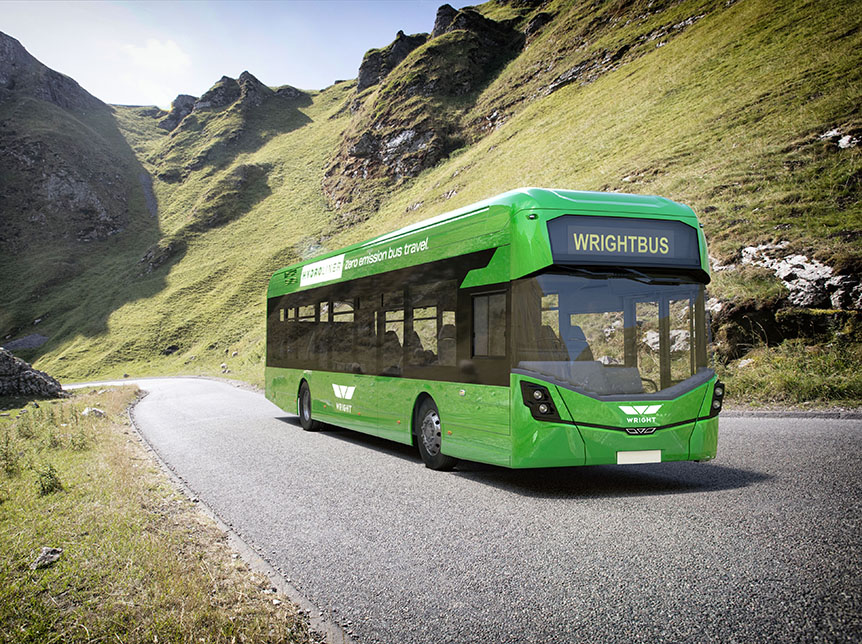
Fueling the Future: Single Decker Hydrogen Vehicles Redefining Urban Transit
Read on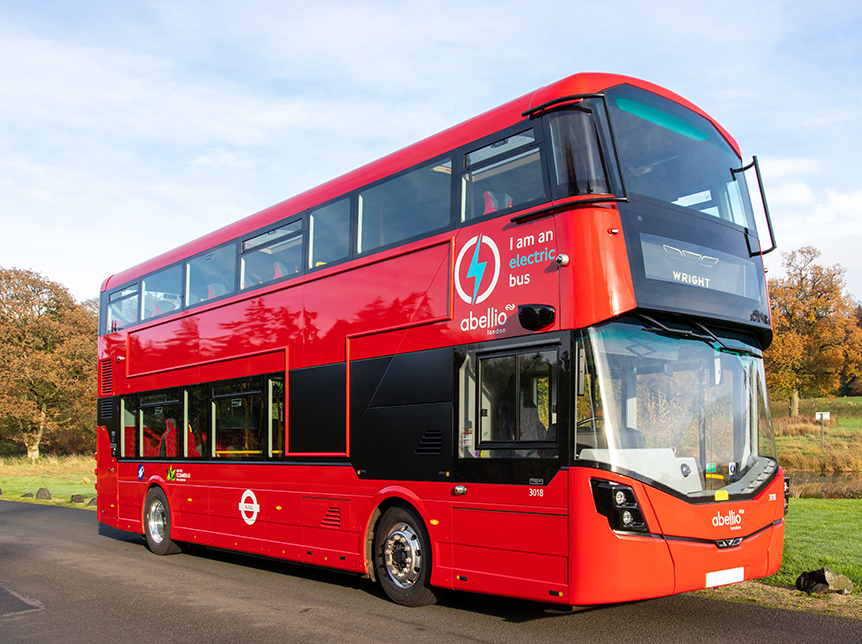
Navigating Green Urban Transit: London's Best Electric Vehicles and Electric Buses
Read on
Embracing Tomorrow's Roads: Zero-Emission vs. Battery Electric Vehicles
Read on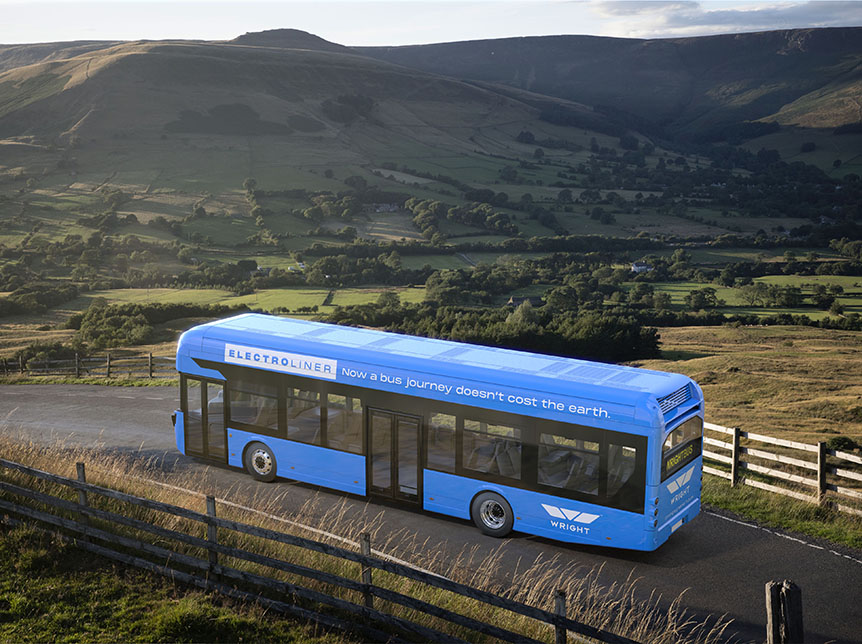
Electrifying Urban Transport: The Rise of Electric Vehicles and E-Buses
Read on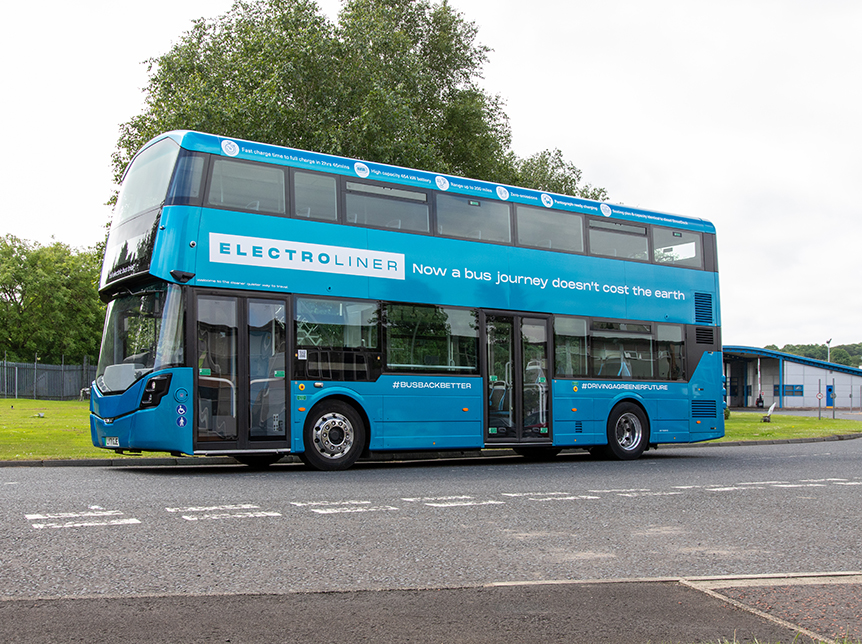
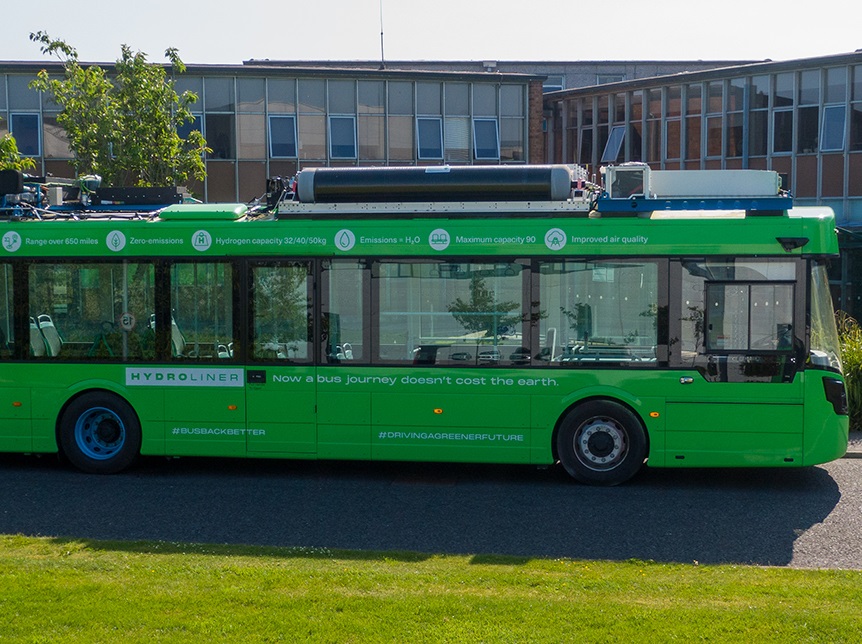
Driving Towards a Green Future: Hydrogen Fuel Cell Vehicles Leading the Way
Read on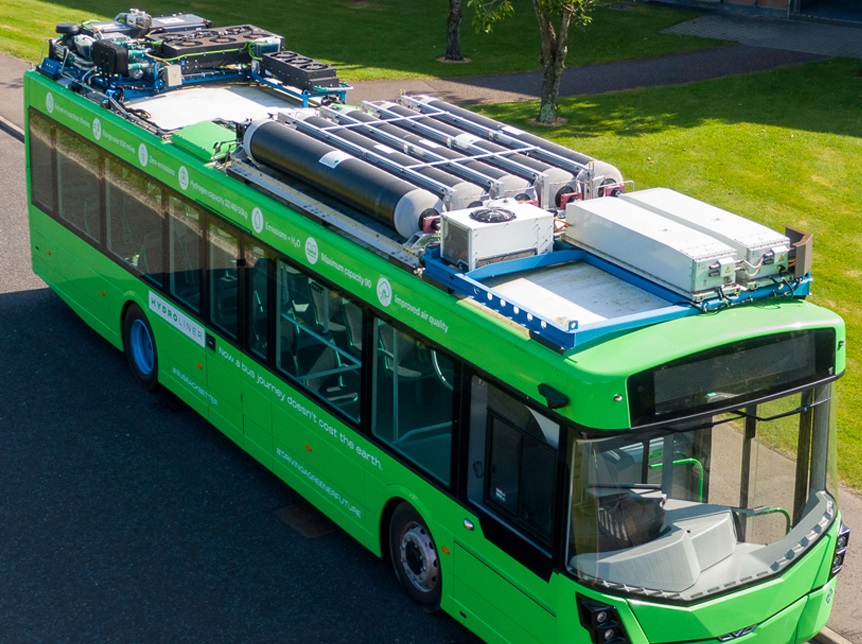
Hydrogen Fuel Cells Are The Future Of Zero-Emission Haulage: This Is How The UK Can Get There
Read on

Get in touch
Wrightbus has been at the forefront of transport innovation since 1946, relentlessly pushing the boundaries with its commitment to quality, style and safety.