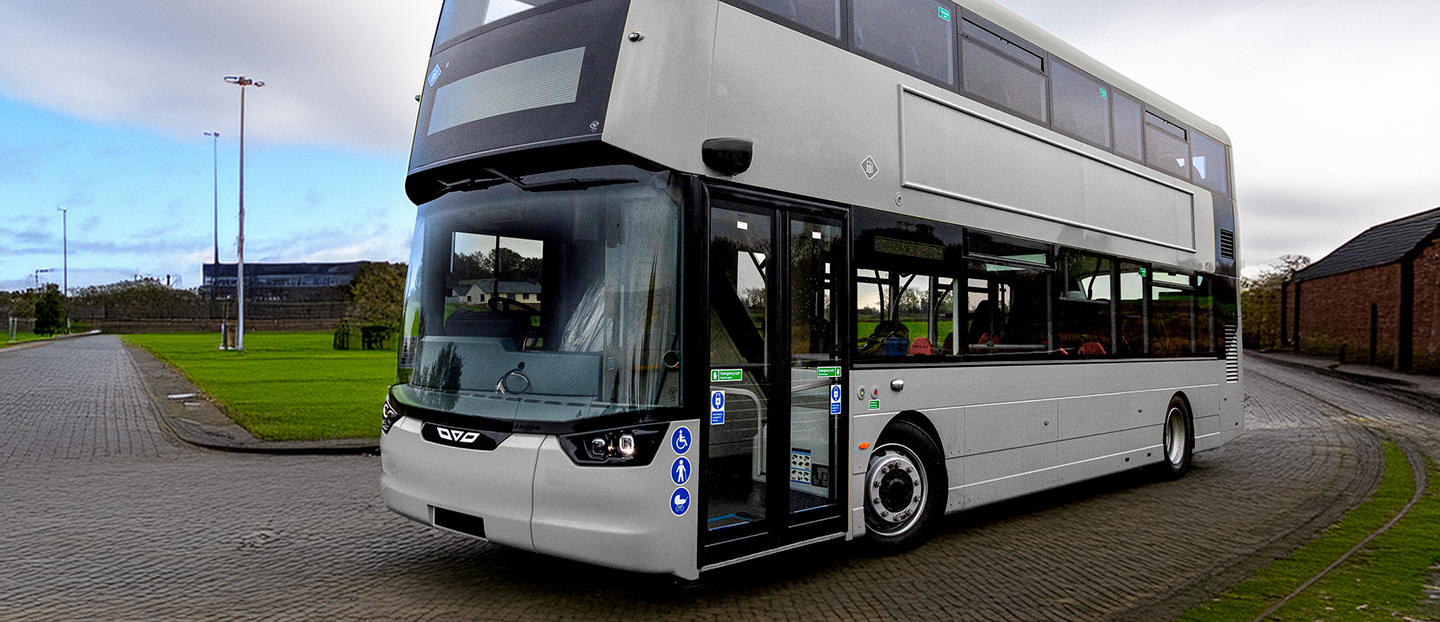
The transport industry is moving towards cleaner and more energy-efficient mobility as governments, operators and passengers place greater emphasis on air quality and decarbonisation. Low-emission and zero-emission vehicle technologies are central to this transition, while bus manufacturers and operators have distinct roles in delivering and operating them.
What Is a Low Emission Vehicle?
A low-emission vehicle produces lower regulated pollutants and/or greenhouse-gas emissions than a comparable conventional vehicle under the relevant assessment method. The term can cover different technologies and should not be used as a synonym for zero-emission vehicle.
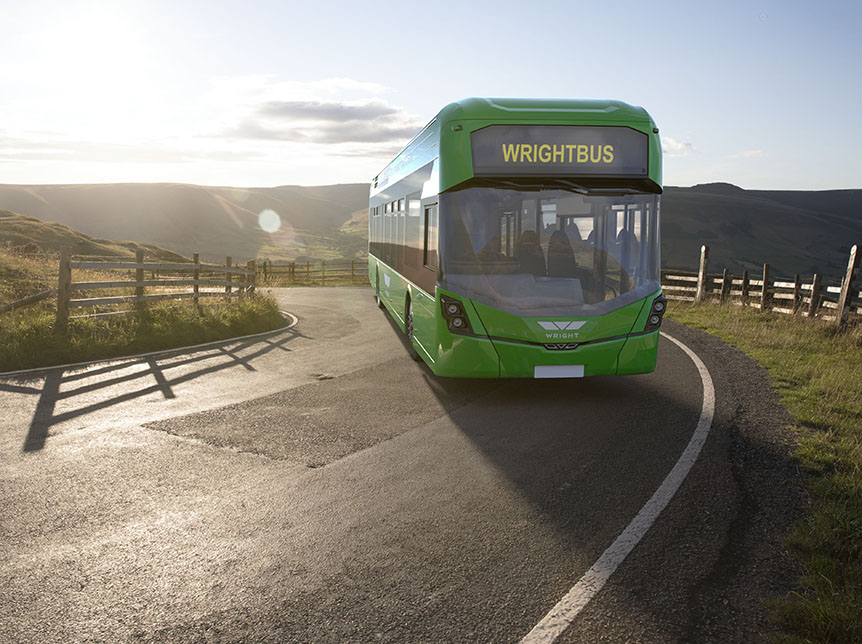
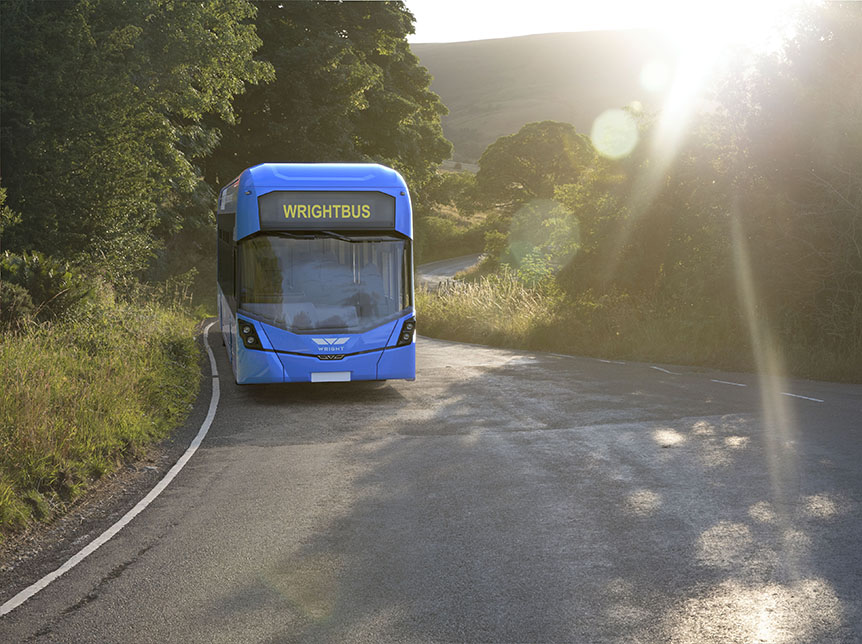
Battery-electric buses produce no tailpipe emissions during operation. Hybrid buses combine an internal combustion engine with electric propulsion and can reduce fuel consumption and emissions depending on the duty cycle. Hydrogen fuel cell buses generate electricity on board and produce no carbon dioxide emissions from the fuel cell powertrain at the tailpipe.
The most suitable technology depends on the vehicle's purpose, route requirements, energy infrastructure, and operating conditions.
Why Low Emission Vehicles Are Important
Buses and commercial vehicles often operate for long hours and cover significant distances, making their emissions an important consideration. Replacing conventional vehicles with low-emission alternatives can help improve air quality, particularly in busy urban areas.
Electric vehicles can also provide quieter operation. This can benefit passengers, pedestrians, drivers, and communities located near busy transport routes.
For fleet operators, energy efficiency is another important consideration. Electric motors can deliver power efficiently, while regenerative braking can recover energy during deceleration. However, factors such as vehicle range, charging infrastructure, passenger loads, and route conditions need to be evaluated carefully.
Understanding the Role of a Bus Company
The term bus company can refer to either a bus operator or, less precisely, a manufacturer. Their responsibilities differ: manufacturers design, engineer, validate and build vehicles, while operators plan services, operate fleets and manage day-to-day deployment and maintenance.
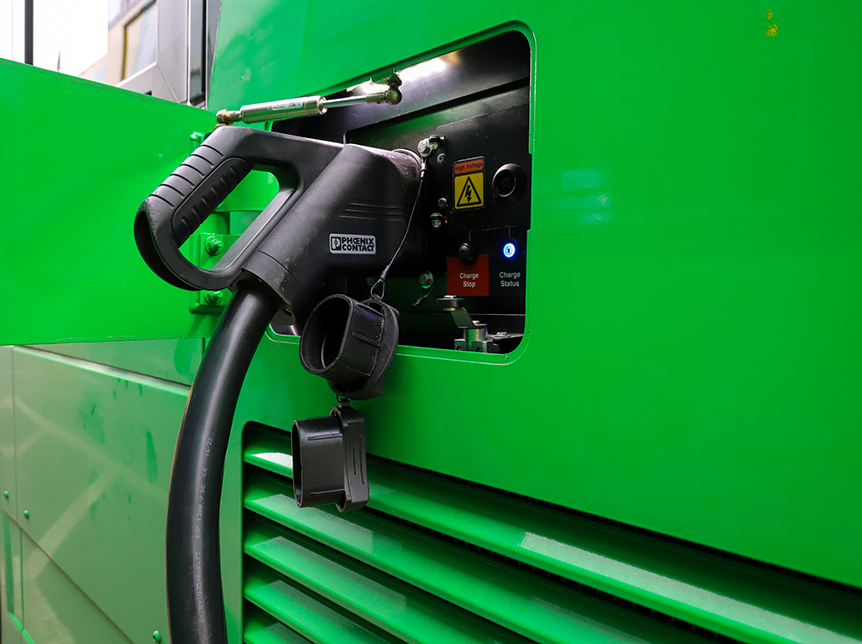
For a manufacturer such as Wrightbus, the transition to lower-emission transport involves whole-vehicle engineering: passenger capacity, structural mass, range, energy consumption, charging or refuelling interfaces, thermal management, functional safety, durability, serviceability and total cost of ownership all need to be considered.
For bus operators, fleet replacement is also a long-term decision. Vehicles need to remain reliable throughout demanding daily schedules, so technology selection should be based on actual route and operational requirements rather than emissions performance alone.
Fleet replacement is a long-term operational decision. Vehicle technology should therefore be selected against real route and duty-cycle requirements, including energy demand, passenger loading, climate, depot constraints, charging or refuelling strategy, reliability and operational resilience.
Despite the benefits, low-emission transport has challenges. Electric buses require suitable charging infrastructure and sufficient battery capacity for their intended routes. Hydrogen-powered buses require specialised refuelling facilities and a dependable hydrogen supply.
Initial investment can also be higher than conventional vehicles. Operators may need to upgrade depots, install energy infrastructure, train maintenance teams, and adapt fleet management processes.
The Future of Sustainable Bus Transport
The growth of the low emission vehicle market reflects a broader shift toward cleaner mobility. Bus companies can support this transition by adopting innovative powertrains, improving vehicle efficiency, and developing solutions suited to different passenger transport requirements.
As battery technology, hydrogen systems, charging networks, and renewable energy continue to advance, low-emission buses are likely to become increasingly practical. Careful planning and investment can help transport operators build fleets that are cleaner, efficient, reliable, and suitable for future mobility needs.
Read more
How Much Does a Bus Weigh and How Do Hydrogen-Powered Vehicles Work?
Read on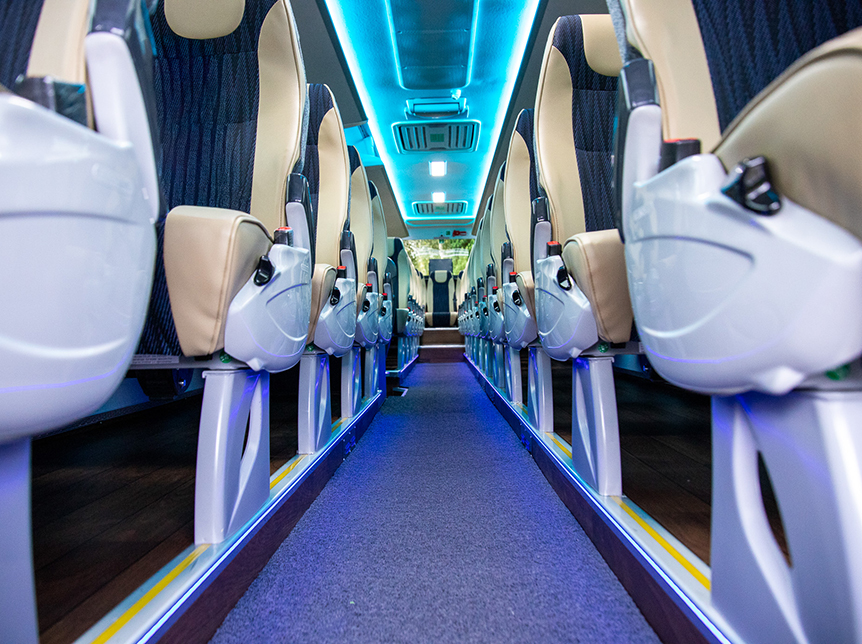
Double-Deck Coaches and Electric Bus Companies: Shaping Modern Bus Travel
Read on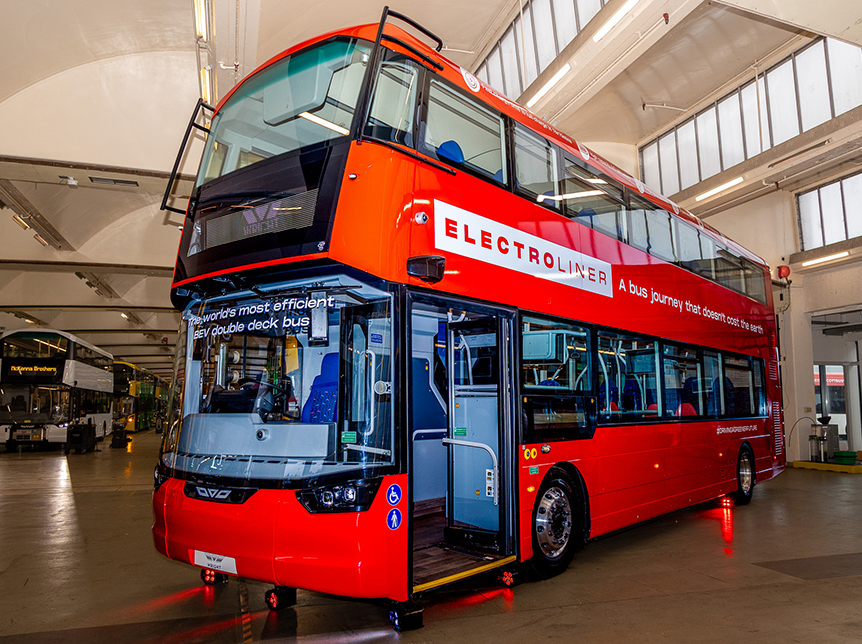
Modern Electric Vehicle Types and Next-Generation Double-Decker Buses
Read on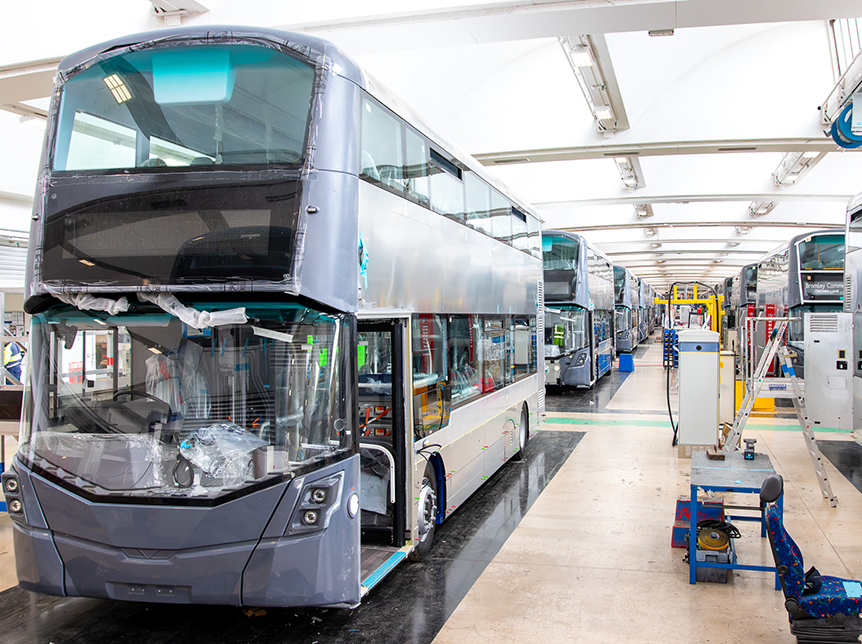
Bus Manufacturing Companies and the Rise of Electric Double-Decker Buses
Read on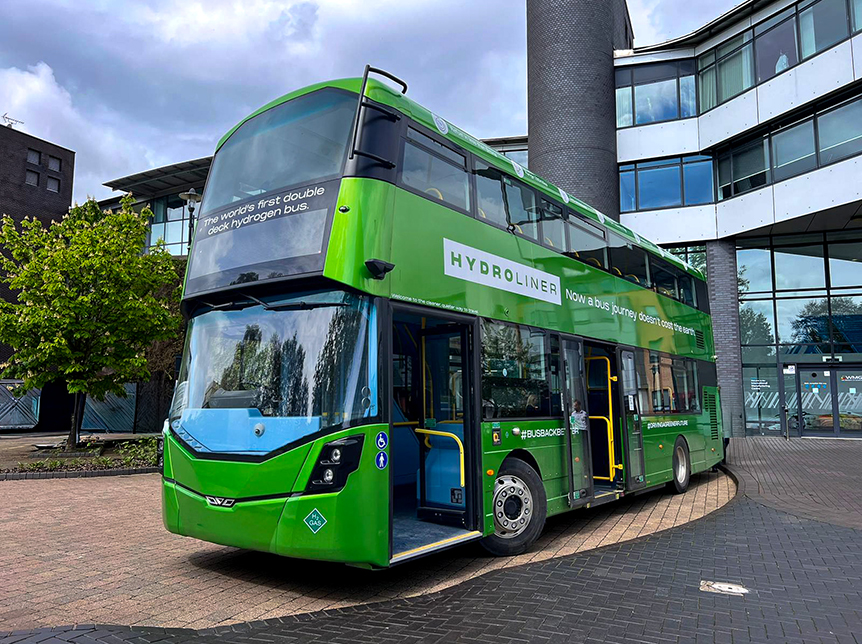
Hydrogen Fuel Cell Vehicles and Double-Decker Bus Innovation in Modern Transport
Read on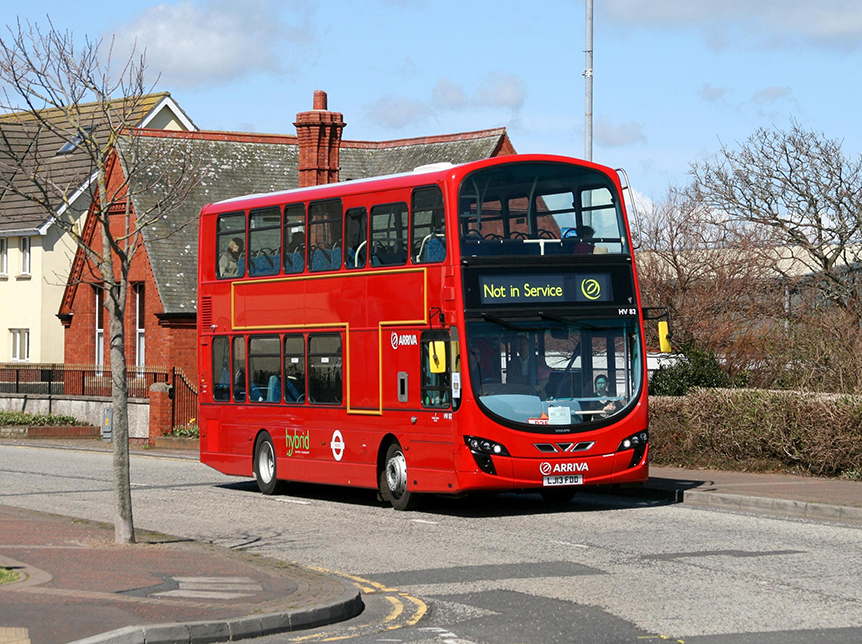
Hybrid Electric Vehicles and Fuel Cell Electric Vehicles: The Future of Clean Mobility
Read on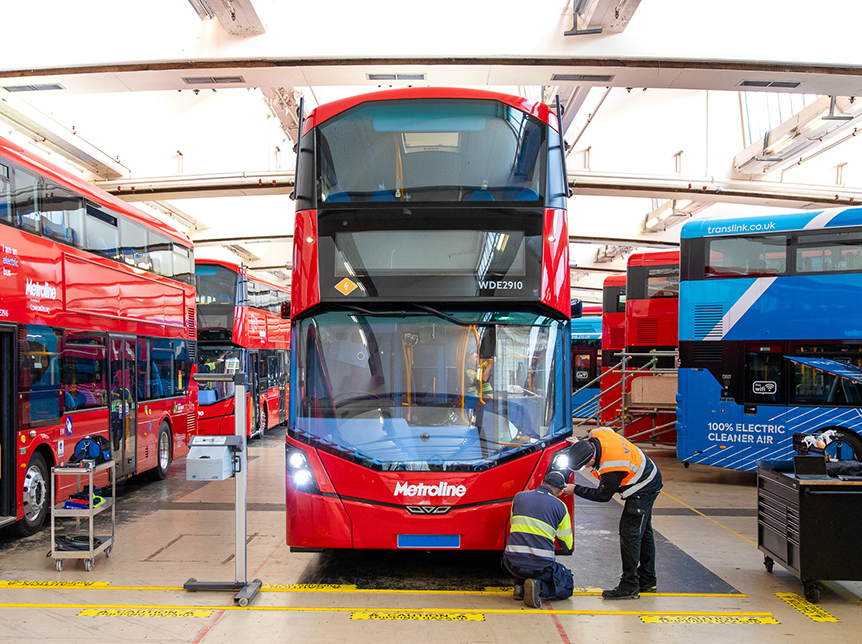
Electric Vehicle Manufacturers and the Rise of Zero-Emission Vehicles
Read on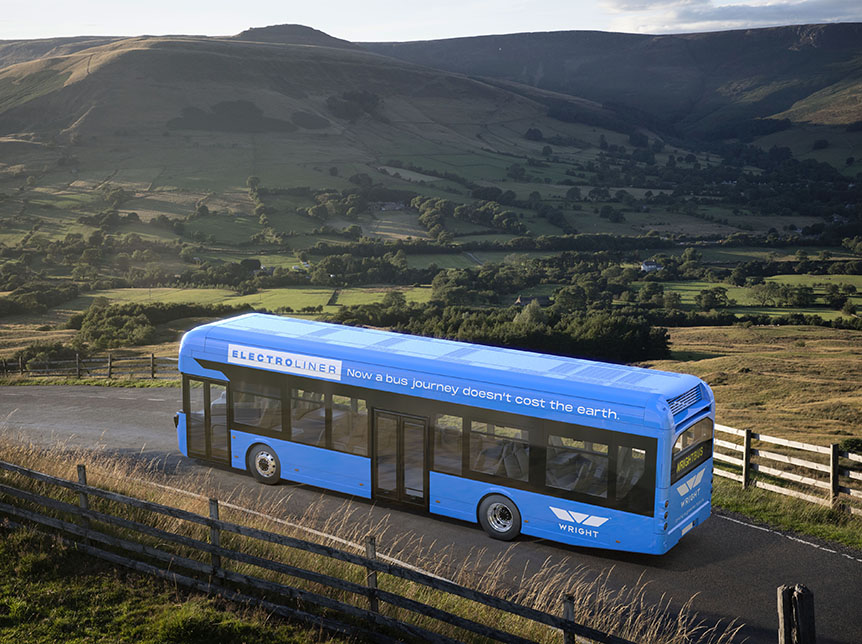
Driving Towards Sustainability: Electric Buses in the UK Leading the Way to Zero Emission Vehicles
Read on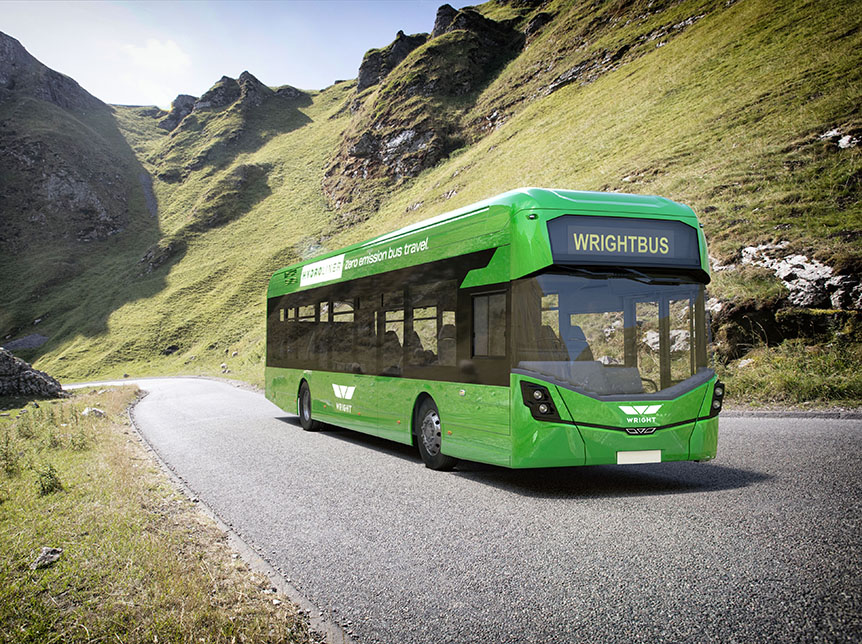
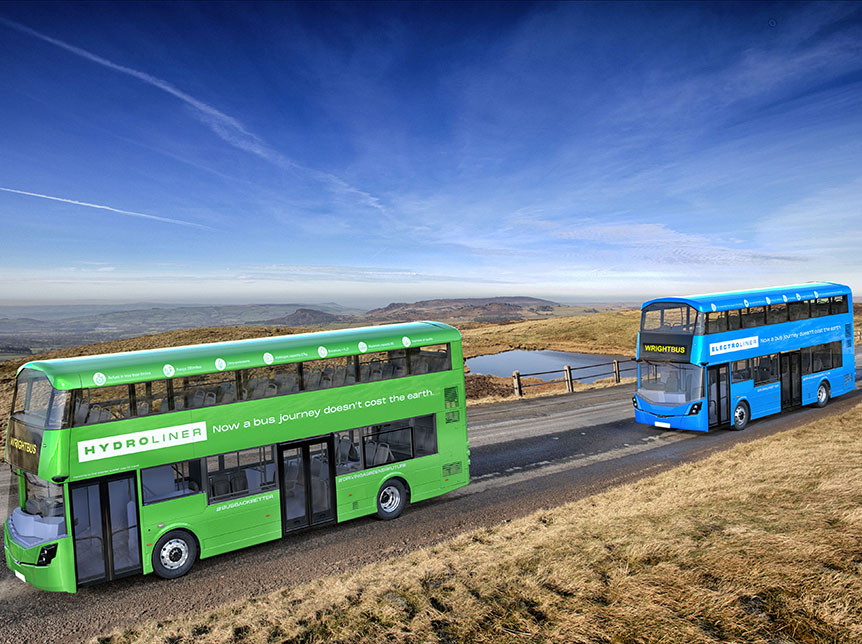
Fueling the Future: Single Decker Hydrogen Vehicles Redefining Urban Transit
Read on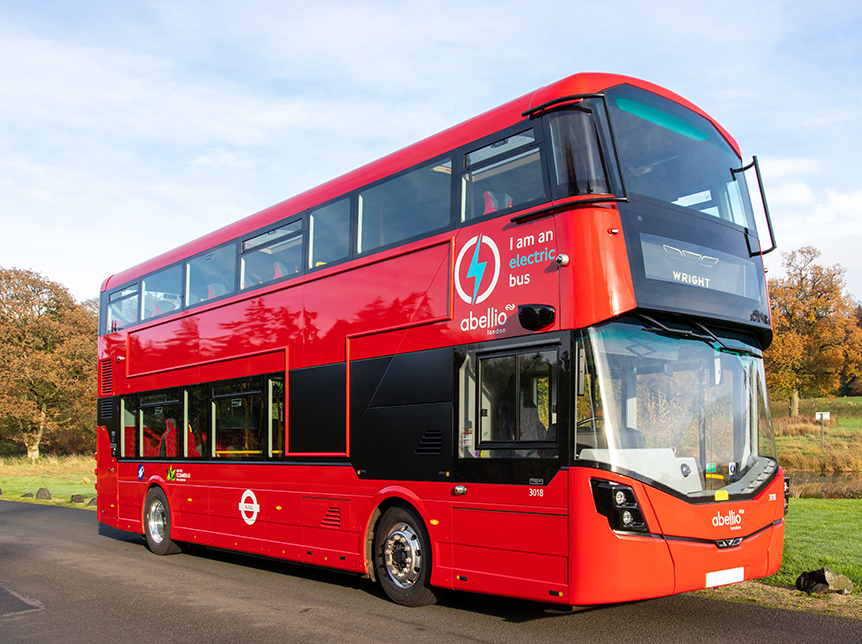
Navigating Green Urban Transit: London's Best Electric Vehicles and Electric Buses
Read on
Embracing Tomorrow's Roads: Zero-Emission vs. Battery Electric Vehicles
Read on
Electrifying Urban Transport: The Rise of Electric Vehicles and E-Buses
Read on
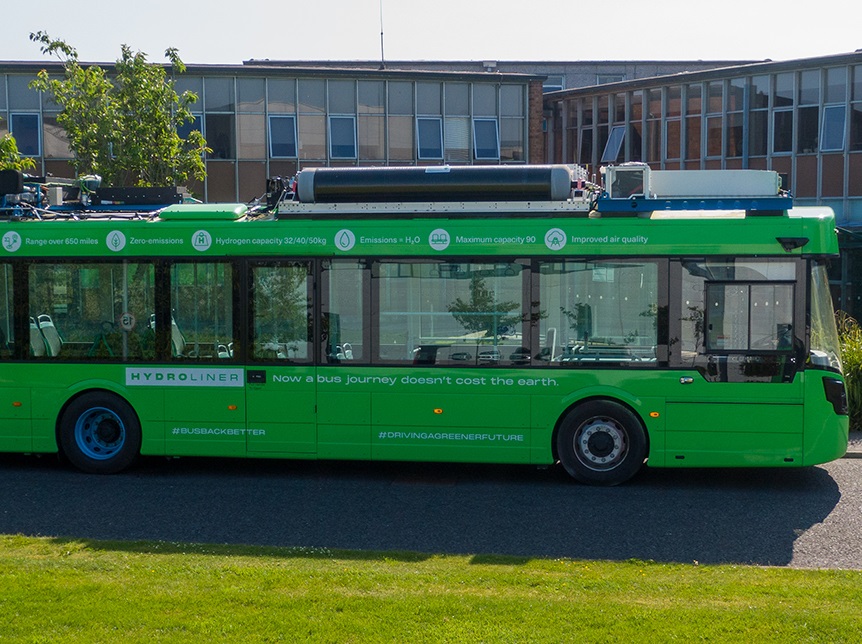
Driving Towards a Green Future: Hydrogen Fuel Cell Vehicles Leading the Way
Read on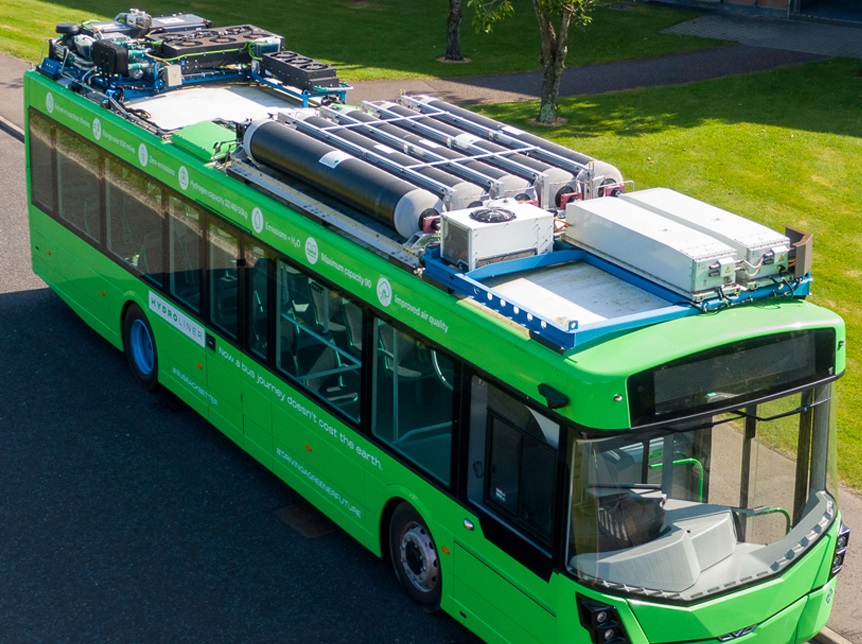
Hydrogen Fuel Cells Are The Future Of Zero-Emission Haulage: This Is How The UK Can Get There
Read on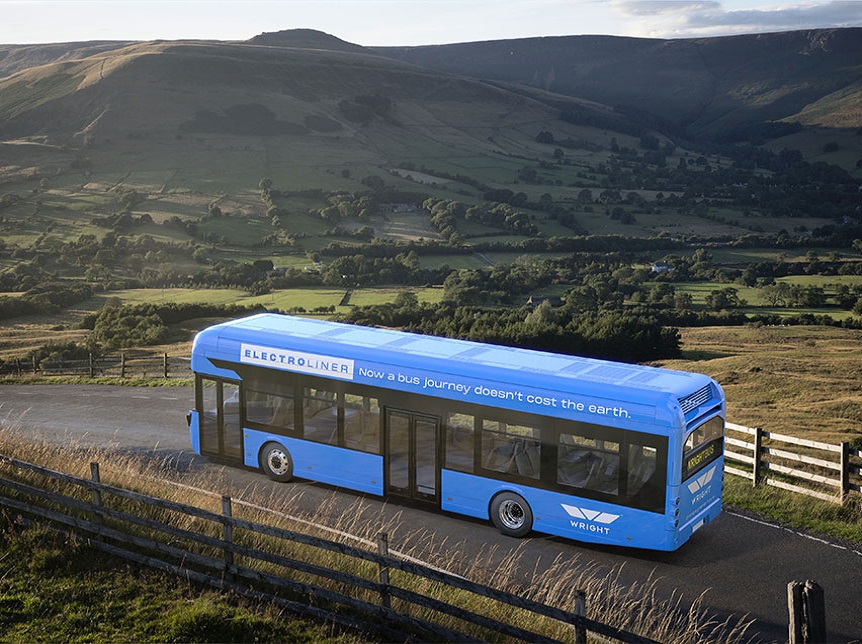
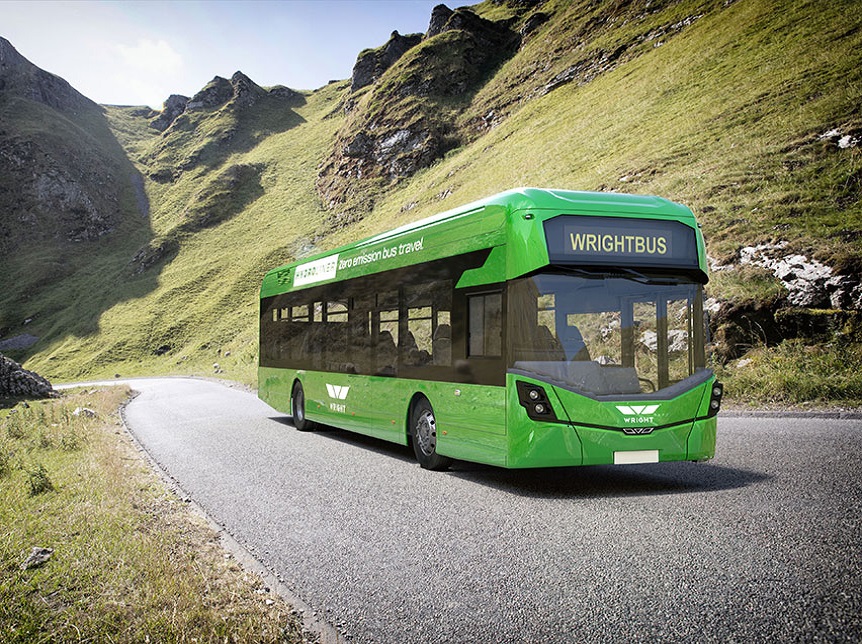

Get in touch
Wrightbus has been at the forefront of transport innovation since 1946, relentlessly pushing the boundaries with its commitment to quality, style and safety.