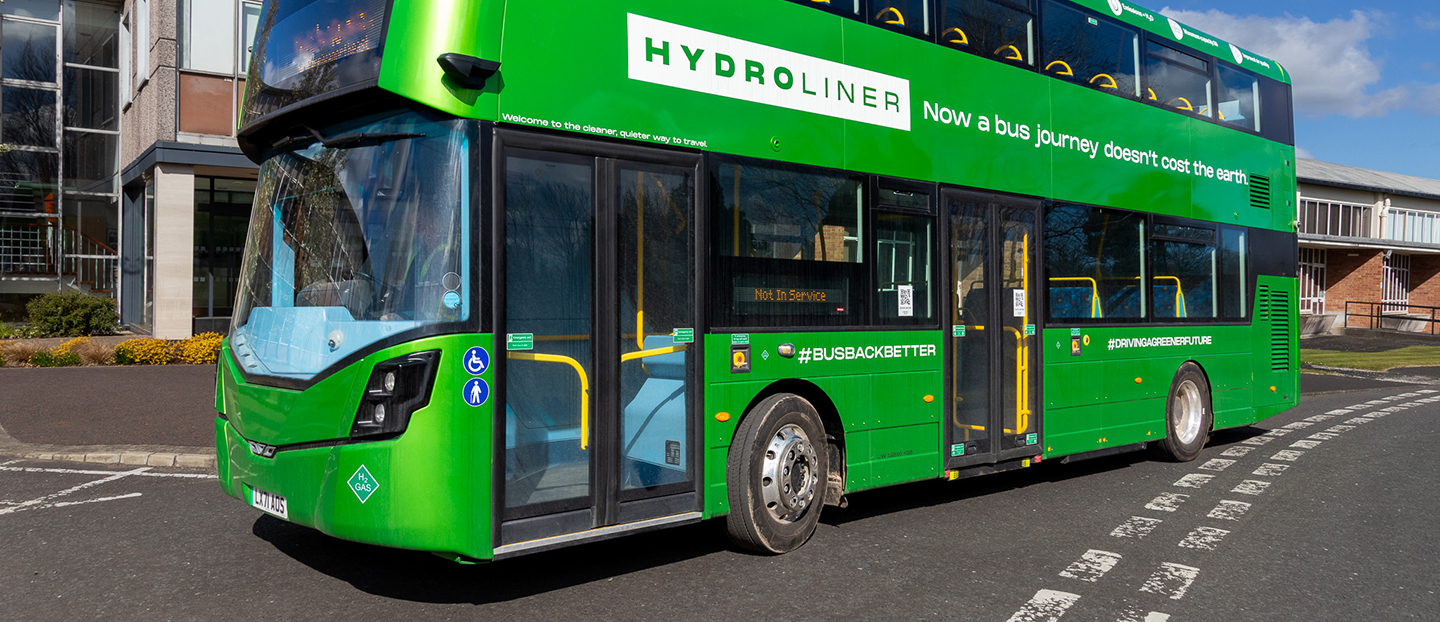
Modern buses vary widely in size, mass and configuration, from shorter single-deck city buses to full-size double-deck and articulated vehicles. At the same time, alternative powertrains are changing how buses and other commercial vehicles are designed. Two common questions are how much a bus weighs and how hydrogen-powered vehicles work.
How Much Does a Bus Weigh?
The weight of a bus depends on its size, construction, passenger capacity, powertrain, and equipment. A smaller single-decker city bus generally weighs less than a large double-decker or articulated bus.
A full-size bus weighs many tonnes even before passengers are carried, but there is no single representative figure: unladen mass and maximum permitted mass depend on the vehicle category, axle configuration, body, powertrain, batteries or fuel storage, optional equipment and regulatory limits. Passenger and luggage loads further increase operating mass.
Battery-electric buses can have different mass distributions from combustion-engine vehicles because traction batteries are relatively heavy. Final vehicle mass depends on battery capacity and chemistry, structural design, vehicle length, equipment specification and required operating range.
Vehicle mass affects acceleration, braking, energy consumption, tyre loading, axle loads, road loading and available payload. Bus manufacturers therefore optimise structure, component placement and powertrain sizing while meeting safety, durability and legal mass requirements.
What Are Hydrogen-Powered Vehicles?
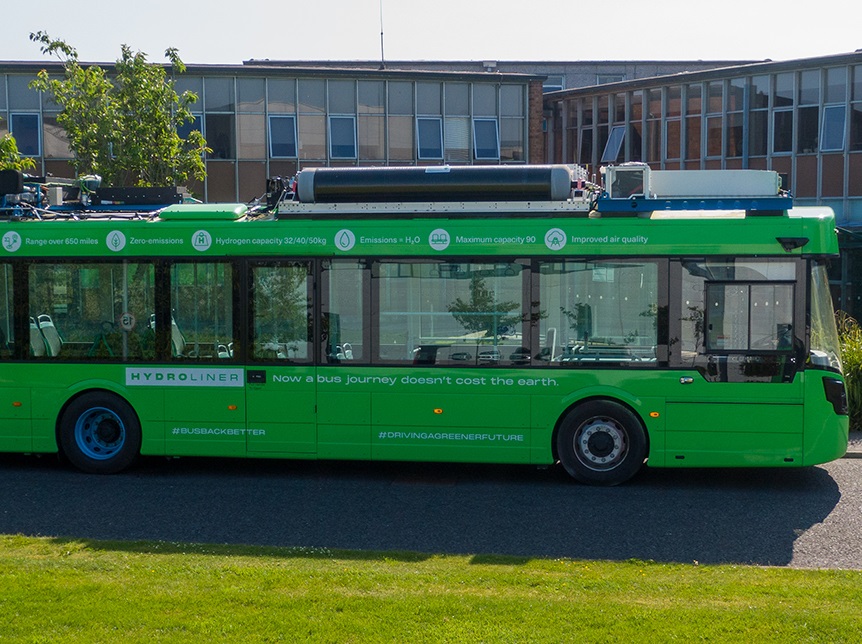
Hydrogen-powered vehicles use hydrogen as an energy carrier. In a fuel cell electric vehicle, hydrogen is supplied to a fuel cell stack, where an electrochemical reaction with oxygen generates electricity. That electricity supplies the electric drivetrain, normally in combination with a traction battery or other energy-storage system.
Unlike a conventional petrol or diesel engine, a fuel cell does not rely on combustion to generate traction power. At the vehicle level, the fuel cell process produces water and heat; a fuel cell electric vehicle therefore has no carbon dioxide, nitrogen oxide or particulate tailpipe emissions from the fuel cell reaction.
Hydrogen fuel cell systems can be attractive for some high-utilisation commercial applications because refuelling can be relatively quick and hydrogen storage can support substantial daily energy requirements. Suitability must still be assessed against the actual duty cycle, vehicle packaging, hydrogen availability, infrastructure and cost.
Benefits of Hydrogen-Powered Vehicles
A key benefit of a hydrogen fuel cell vehicle is zero tailpipe emissions from the fuel cell powertrain. The overall greenhouse-gas impact depends strongly on how the hydrogen is produced, compressed, transported and dispensed.
Hydrogen can suit some applications with high daily utilisation, long duty cycles or limited charging opportunities. This can make fuel cell technology relevant to selected bus, coach and heavy-duty fleet operations, but it is not inherently the best solution for every route.
Hydrogen transport also presents challenges. Refuelling infrastructure is limited in many markets, and hydrogen production, compression, storage, transport and dispensing require specialised equipment and robust safety controls.
The Future of Bus Technology
Vehicle weight and propulsion technology are closely connected to bus performance. Manufacturers must consider passenger capacity, operating range, energy consumption, infrastructure, and safety when developing new vehicles.
As the transport sector adopts lower-emission technologies, hydrogen fuel cell vehicles may be an important option for selected commercial and public-transport duties. Advances in lightweight structures, component integration and energy efficiency can improve performance across all bus powertrain types.
Ultimately, understanding vehicle weight and alternative propulsion systems can help operators make better decisions when selecting vehicles for specific routes and transport requirements.
Read more
Low-Emission Vehicle Solutions and the Role of Modern Bus Companies
Read on
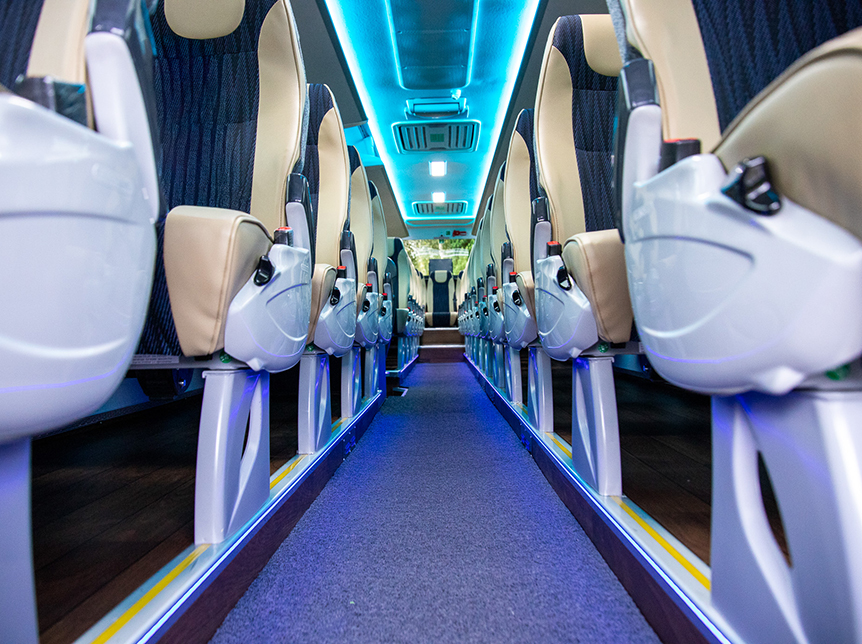
Double-Deck Coaches and Electric Bus Companies: Shaping Modern Bus Travel
Read on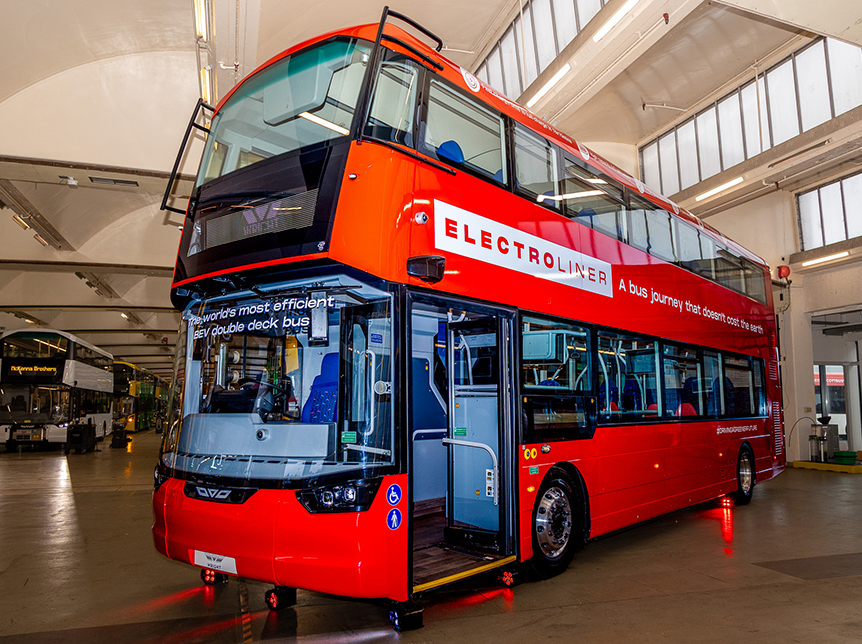
Modern Electric Vehicle Types and Next-Generation Double-Decker Buses
Read on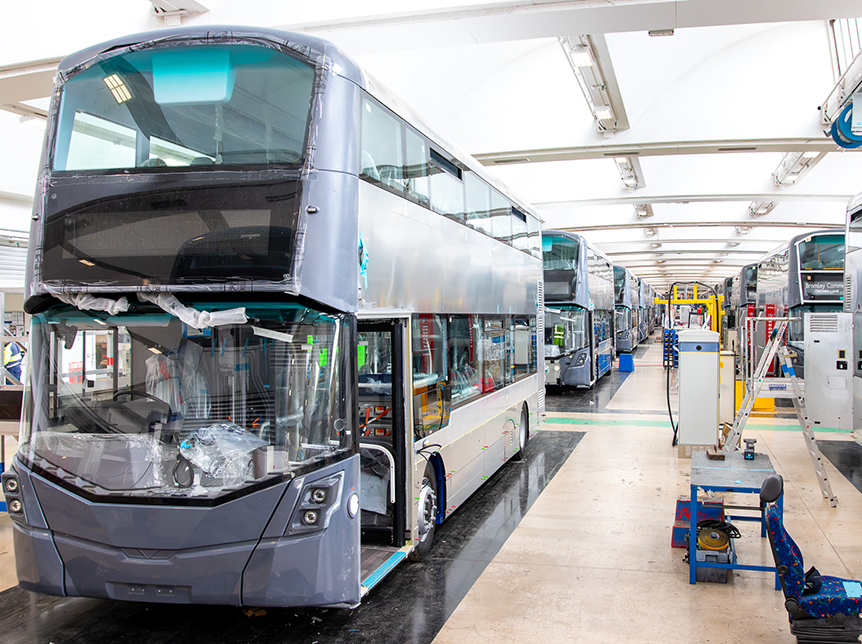
Bus Manufacturing Companies and the Rise of Electric Double-Decker Buses
Read on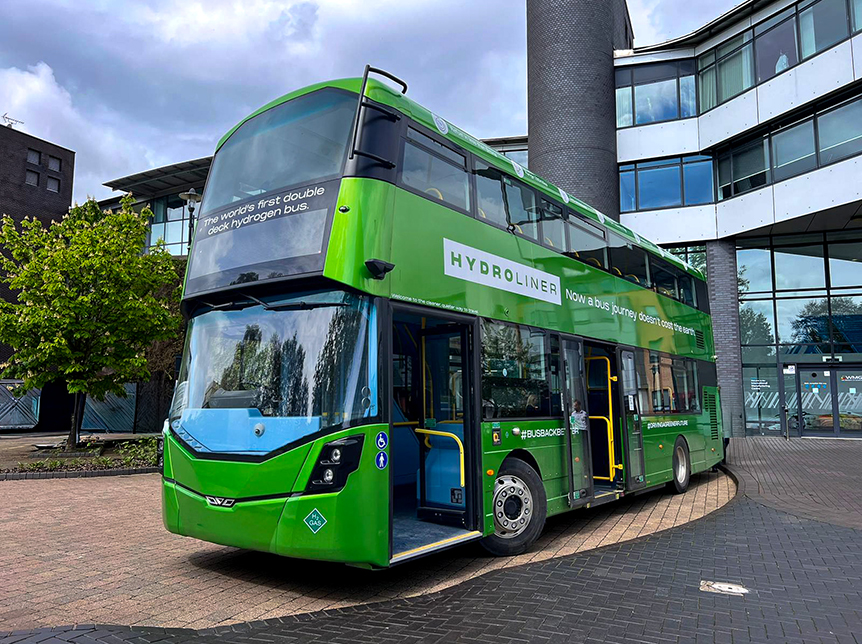
Hydrogen Fuel Cell Vehicles and Double-Decker Bus Innovation in Modern Transport
Read on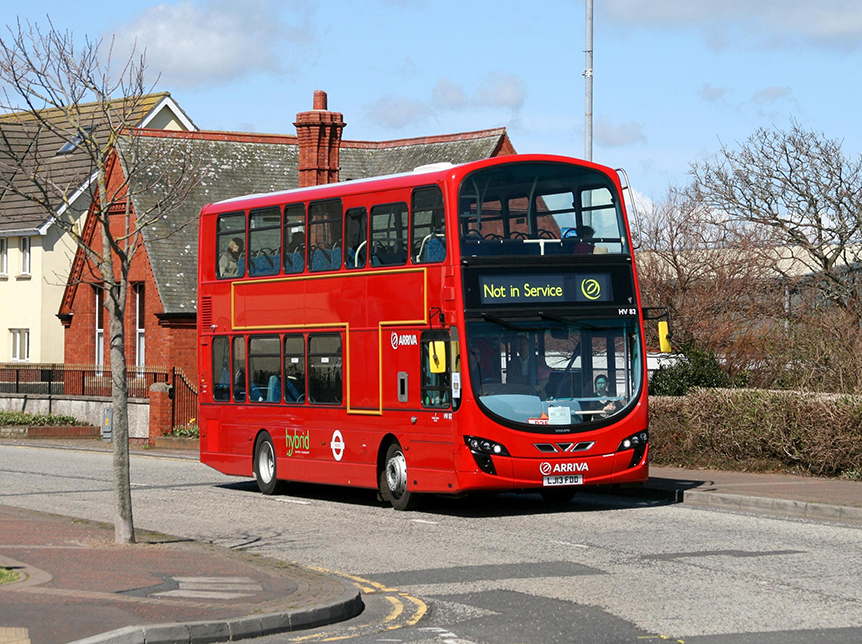
Hybrid Electric Vehicles and Fuel Cell Electric Vehicles: The Future of Clean Mobility
Read on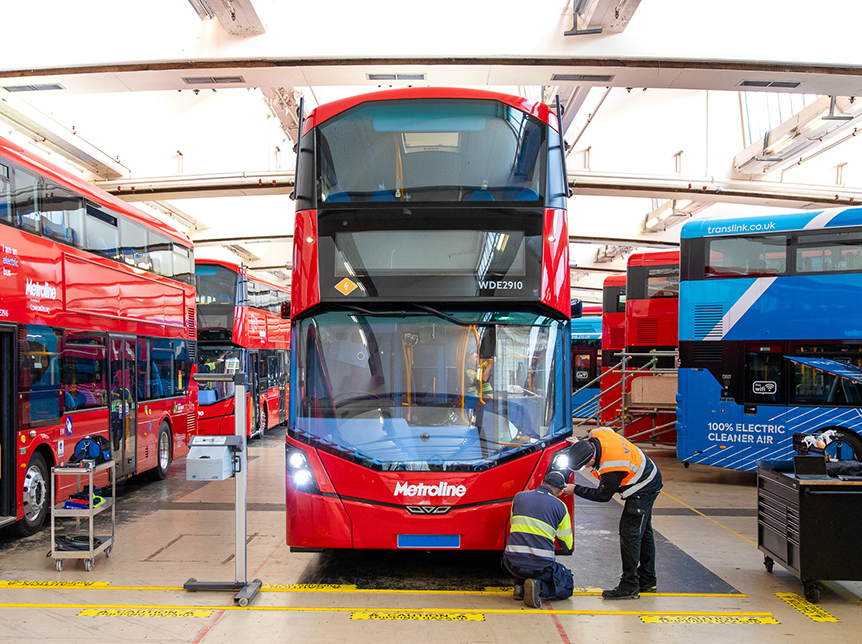
Electric Vehicle Manufacturers and the Rise of Zero-Emission Vehicles
Read on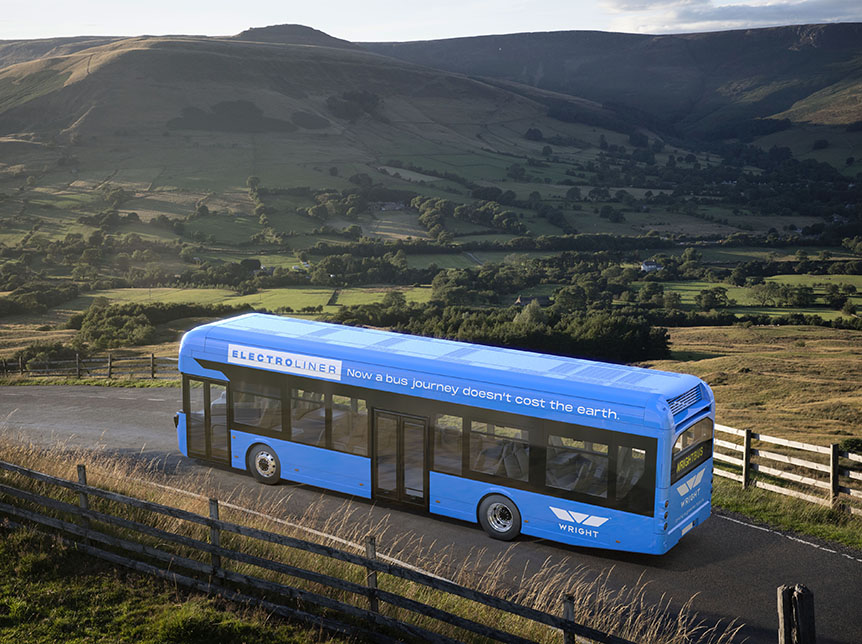
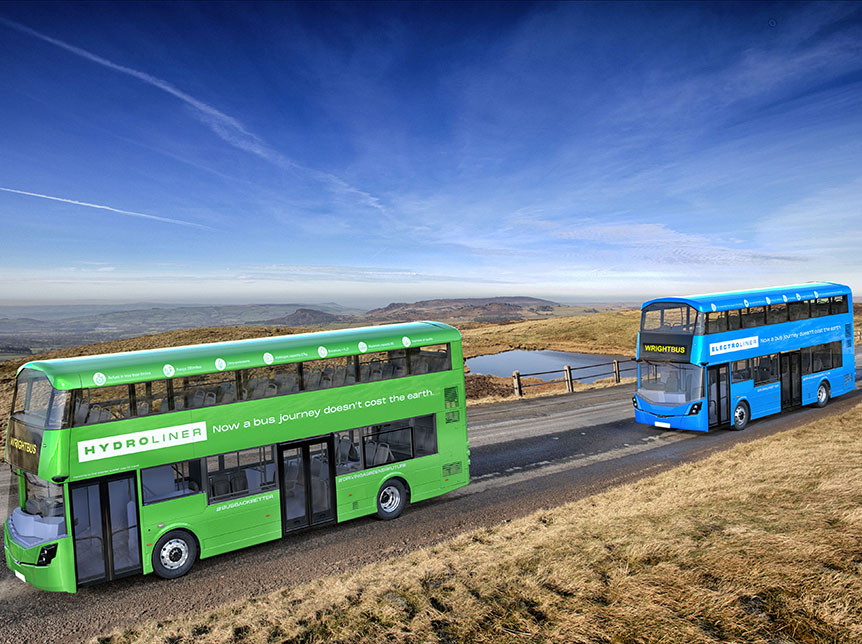
Driving Towards Sustainability: Electric Buses in the UK Leading the Way to Zero Emission Vehicles
Read on
Fueling the Future: Single Decker Hydrogen Vehicles Redefining Urban Transit
Read on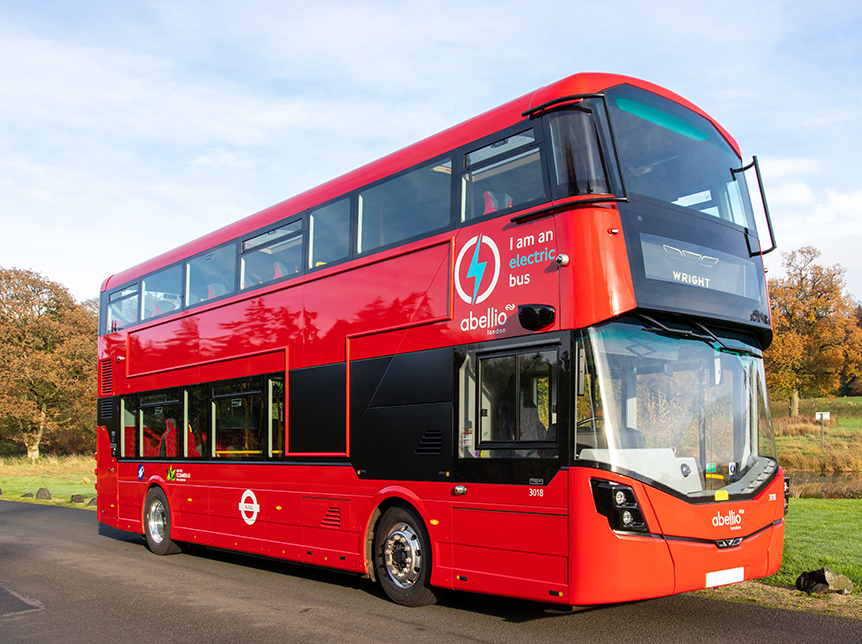
Navigating Green Urban Transit: London's Best Electric Vehicles and Electric Buses
Read on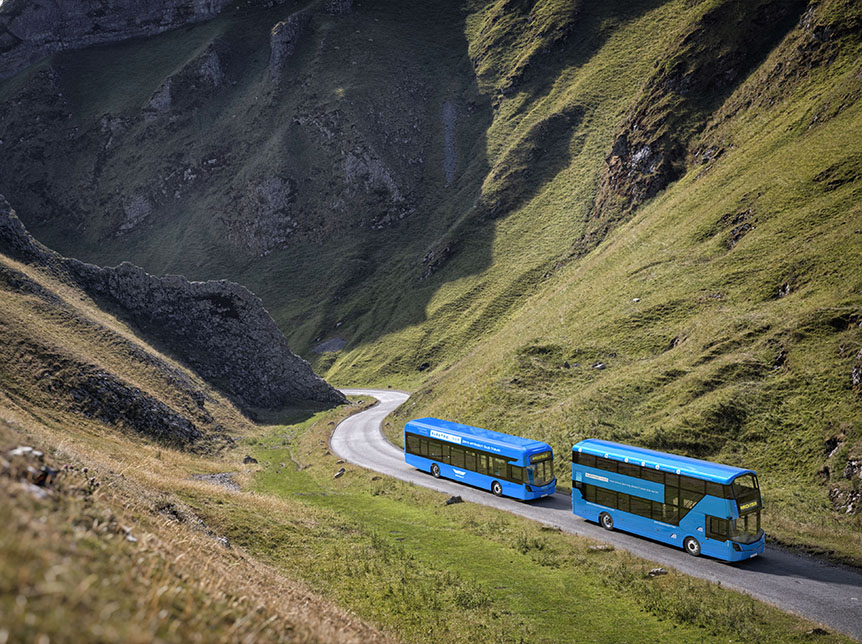
Embracing Tomorrow's Roads: Zero-Emission vs. Battery Electric Vehicles
Read on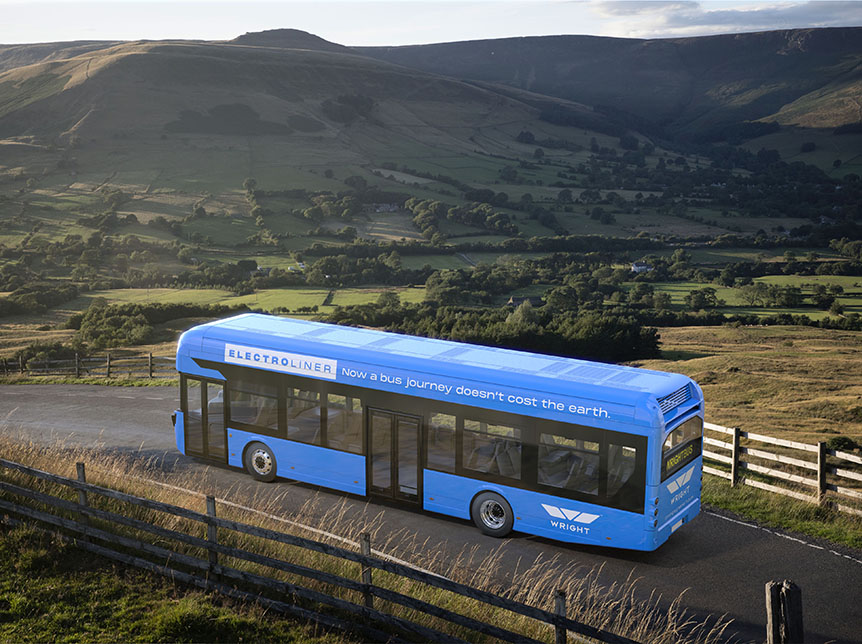
Electrifying Urban Transport: The Rise of Electric Vehicles and E-Buses
Read on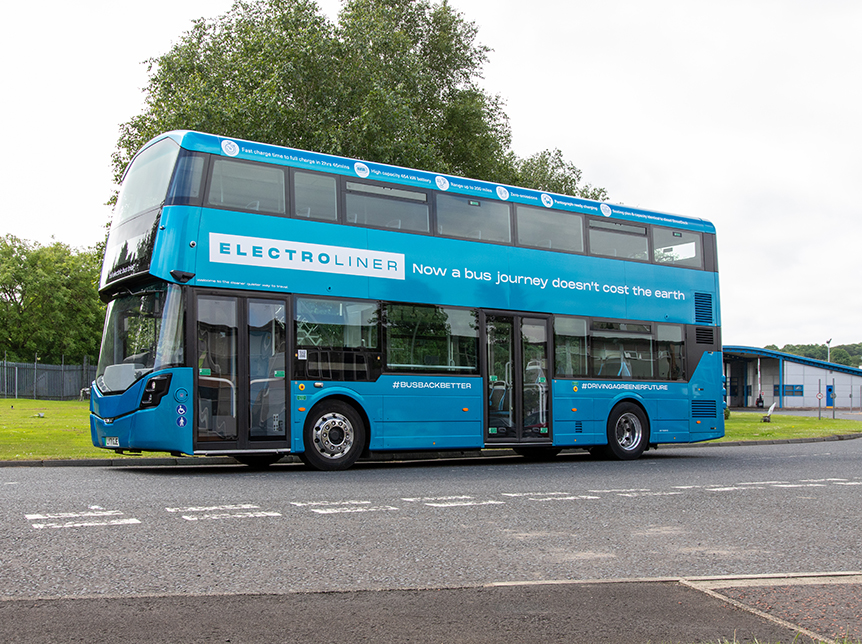
Driving Towards a Green Future: Hydrogen Fuel Cell Vehicles Leading the Way
Read on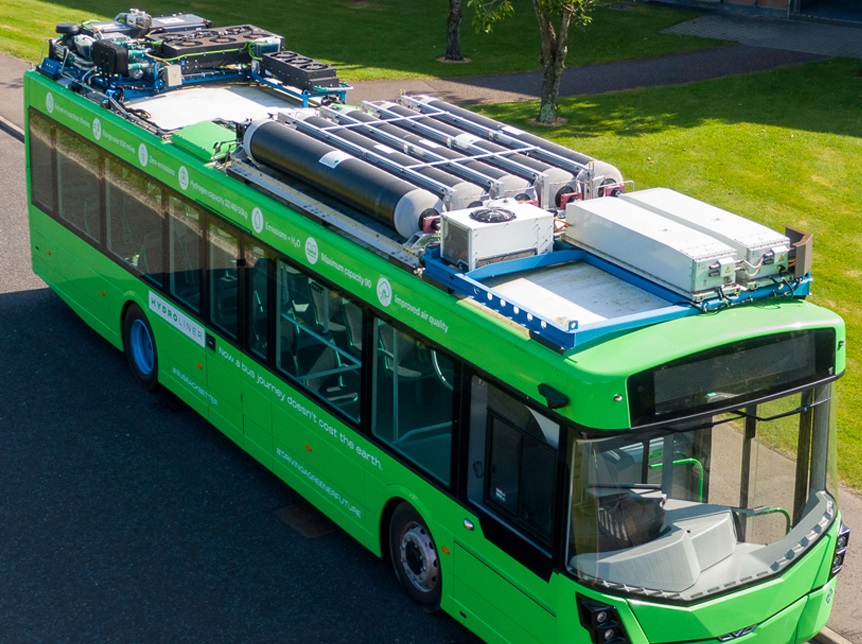
Hydrogen Fuel Cells Are The Future Of Zero-Emission Haulage: This Is How The UK Can Get There
Read on

Get in touch
Wrightbus has been at the forefront of transport innovation since 1946, relentlessly pushing the boundaries with its commitment to quality, style and safety.