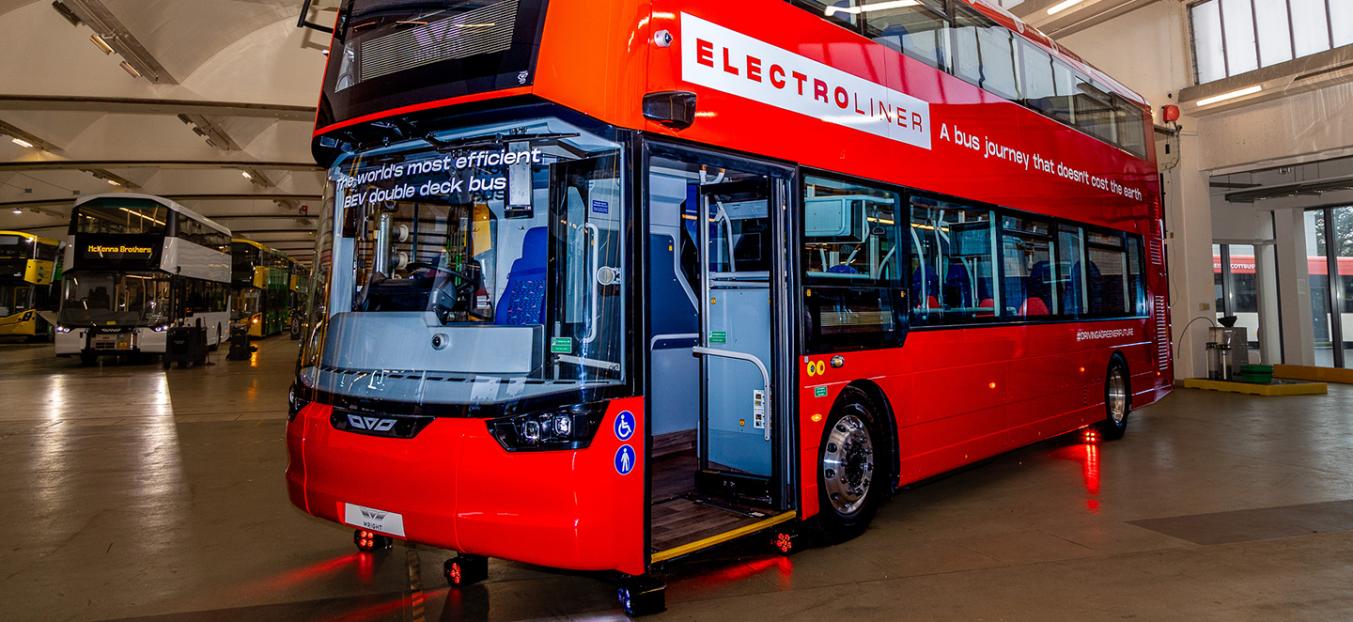
Electric mobility is transforming the global transport system, offering cleaner and more efficient alternatives to conventional internal-combustion vehicles. Alongside this shift, next-generation double-decker bus designs are redefining public transport with advanced battery-electric and hydrogen fuel cell technologies. Together, they are shaping the future of more sustainable mobility in cities and beyond.
Types of Electric Vehicles
Electric vehicles (EVs) are categorised based on how they generate and use power. Each type serves different transport needs and levels of electrification.
Battery-Electric Vehicles (BEVs)
Battery-Electric Vehicles run completely on electricity stored in rechargeable batteries. They produce zero tailpipe emissions and are charged through charging stations or home systems. BEVs are widely used in cars, buses, and commercial fleets.
Plug-in Hybrid Electric Vehicles (PHEVs)
Plug-in Hybrid Electric Vehicles combine an electric motor with an internal combustion engine. They can run on electric power for short distances and switch to fuel when needed. This makes them flexible and suitable for users transitioning to full electric mobility.
Hybrid Electric Vehicles (HEVs)
Hybrid Electric Vehicles use both an internal combustion engine and an electric motor. They do not require external charging as the battery is charged through regenerative braking and engine power. HEVs help improve fuel efficiency and reduce emissions.
Fuel Cell Electric Vehicles (FCEVs)
Fuel Cell Electric Vehicles generate electricity using hydrogen. The fuel cell converts hydrogen into electricity to power the motor, and the only emission is water vapour. These vehicles are considered a strong zero-tailpipe-emission solution for long-distance and heavy-duty transport.
Next-Generation Double-Decker Buses
Modern double-decker buses are evolving rapidly with electric and hydrogen power systems. These buses are designed for high passenger capacity while reducing environmental impact in urban transport systems.
Electric Double-Decker Buses
Electric double-deckers run on battery power and are widely used in city transport networks. They offer quieter operation, zero tailpipe emissions and potential maintenance savings, making them suitable for many short and medium urban routes.
Hydrogen Double-Decker Buses
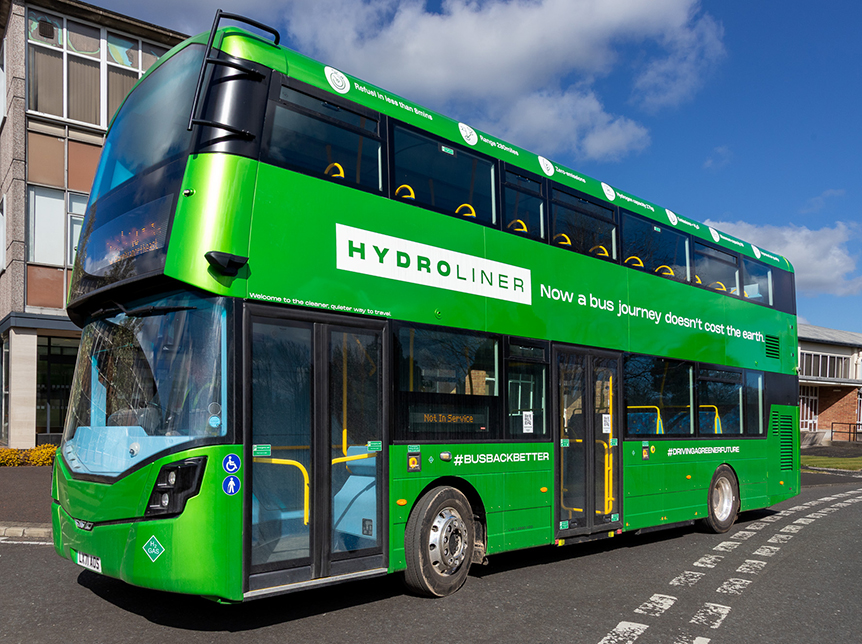
Hydrogen-powered double-decker buses use fuel cells to generate electricity. They can offer longer driving range and faster refuelling than many battery-electric buses, making them suitable for extended routes or high-utilisation duties.
Key Features
- High passenger capacity for urban demand
- Zero or low emissions depending on technology
- Advanced safety and stability systems
- Smart energy and charging systems
- Enhanced passenger comfort
Conclusion
The evolution of electric vehicle types and next-generation double-decker buses reflects a strong global shift towards sustainable transport. With advancements in battery and hydrogen technology, both personal and public transport systems are becoming cleaner, smarter, and more efficient.
- What are the main types of electric vehicles?
The main types are Battery-Electric Vehicles (BEVs), Plug-in Hybrid Electric Vehicles (PHEVs), Hybrid Electric Vehicles (HEVs), and Fuel Cell Electric Vehicles (FCEVs). - Which electric vehicle type is fully electric?
Battery-Electric Vehicles (BEVs) are fully electric and run only on battery power. - What is the difference between hybrid and plug-in hybrid vehicles?
Hybrid vehicles do not need external charging, while plug-in hybrids can be charged externally and run longer on electric power. - What is a fuel cell electric vehicle?
A fuel cell electric vehicle uses hydrogen to generate electricity, producing only water vapour as emissions. - What is a modern double-decker bus?
A modern double-decker bus is a high-capacity bus designed with electric or hydrogen technology for cleaner public transport. - Are electric double-decker buses widely used?
Yes, many cities are adopting electric double-decker buses to reduce pollution and improve urban mobility. - Which is better: electric or hydrogen double-decker buses?
The best option depends on the route, depot infrastructure, energy cost, range requirement and daily utilisation. Battery-electric buses are suitable for many city routes, while hydrogen buses can be better suited to longer duties where fast refuelling and extended range are important.
Read more
Low-Emission Vehicle Solutions and the Role of Modern Bus Companies
Read on
How Much Does a Bus Weigh and How Do Hydrogen-Powered Vehicles Work?
Read on
Double-Deck Coaches and Electric Bus Companies: Shaping Modern Bus Travel
Read on
Bus Manufacturing Companies and the Rise of Electric Double-Decker Buses
Read on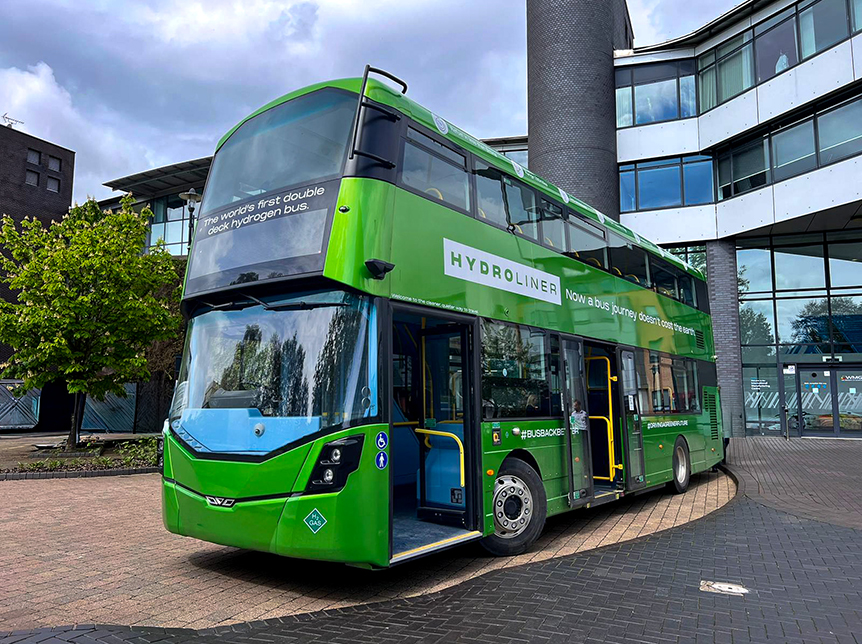
Hydrogen Fuel Cell Vehicles and Double-Decker Bus Innovation in Modern Transport
Read on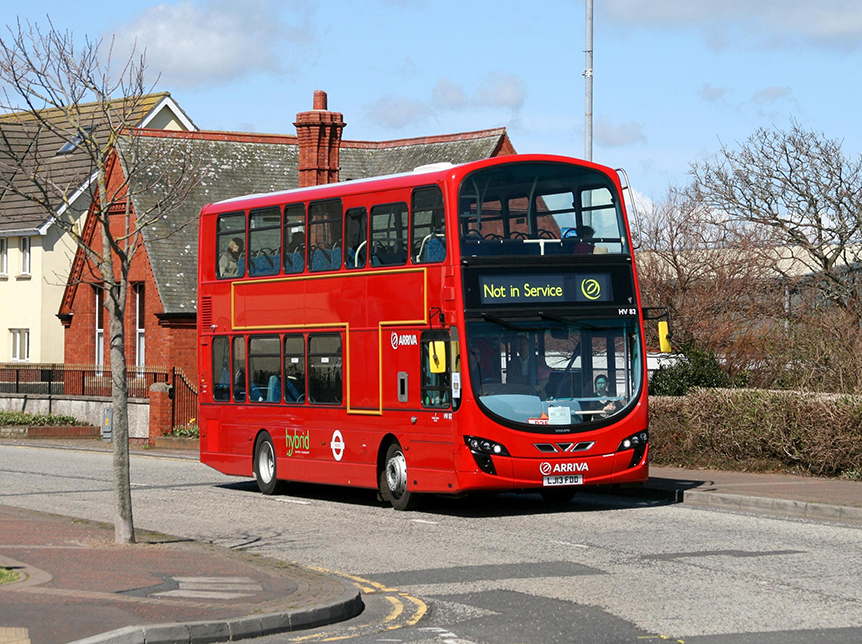
Hybrid Electric Vehicles and Fuel Cell Electric Vehicles: The Future of Clean Mobility
Read on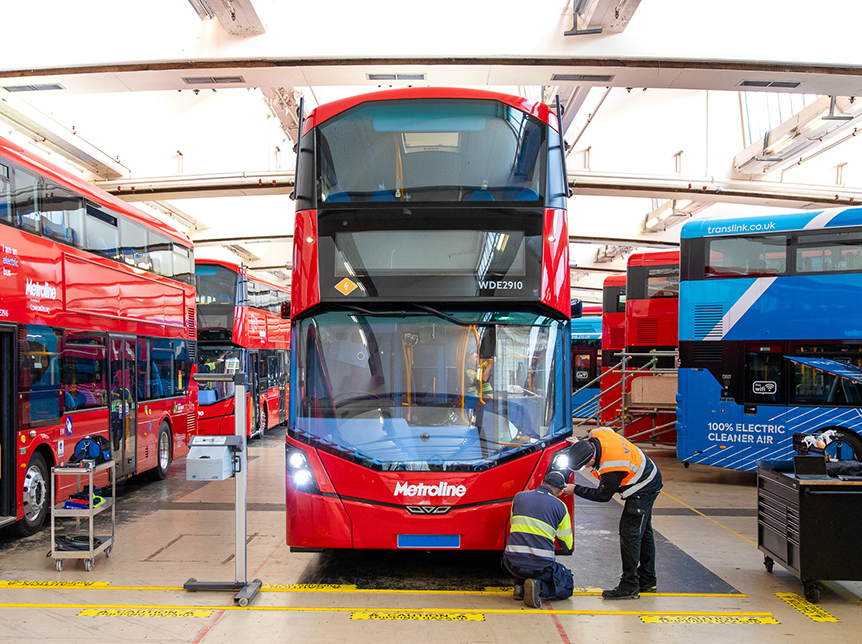
Electric Vehicle Manufacturers and the Rise of Zero-Emission Vehicles
Read on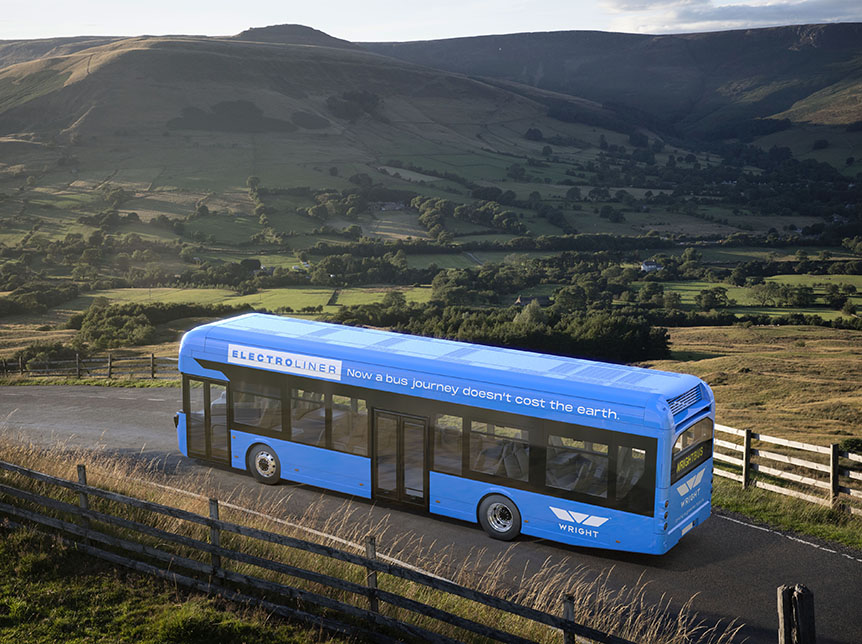
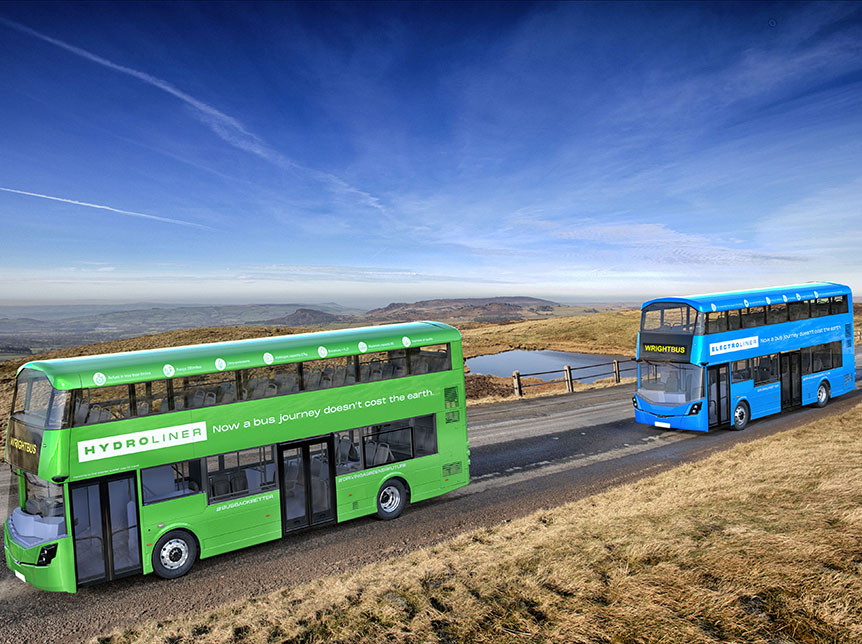
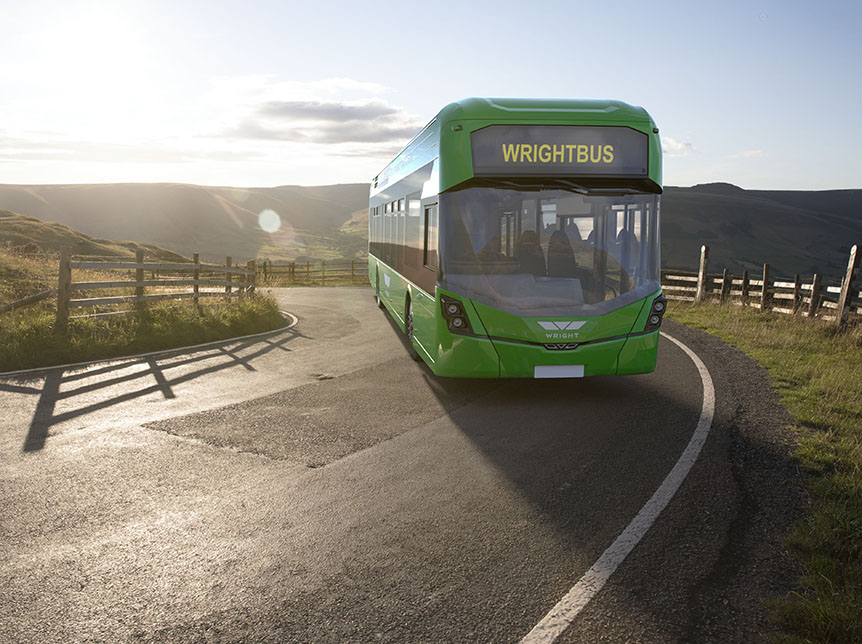
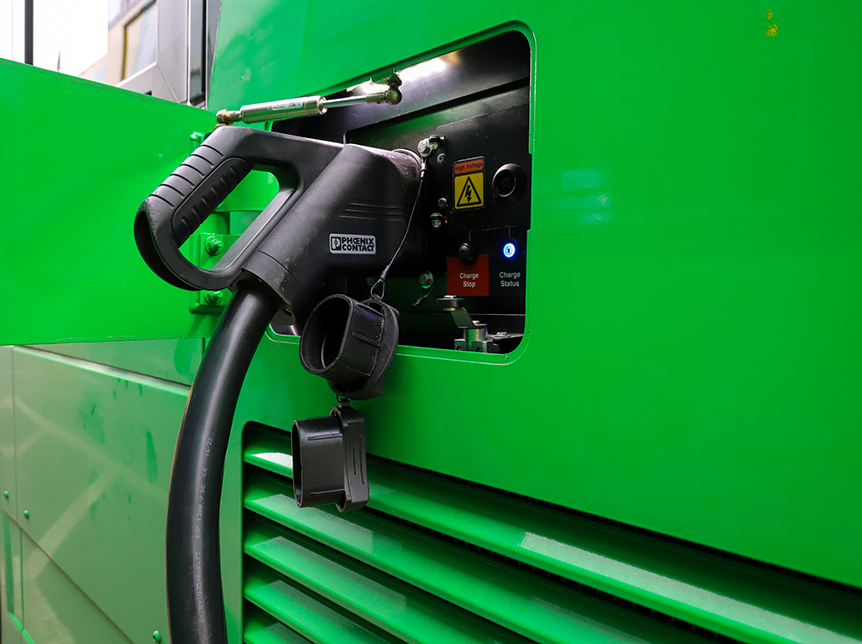
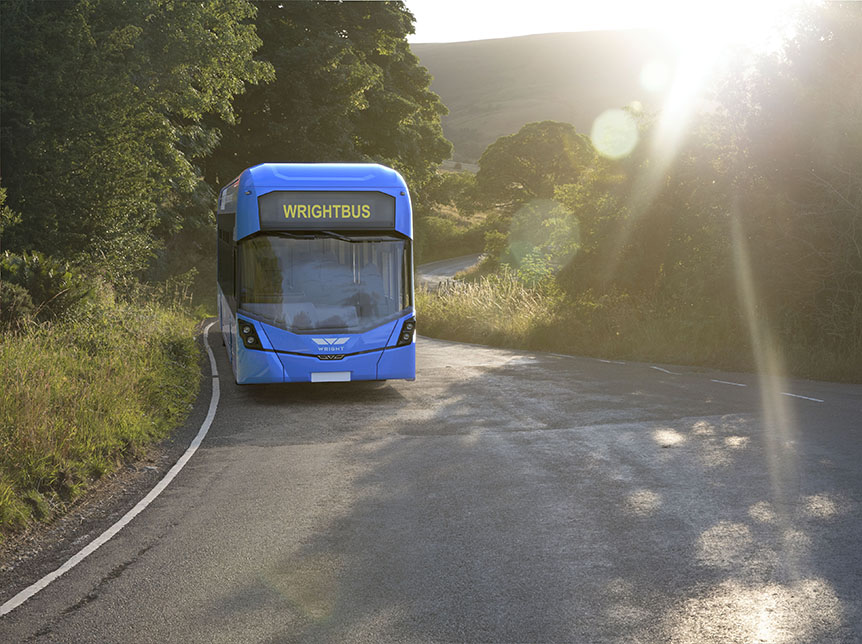
Driving Towards Sustainability: Electric Buses in the UK Leading the Way to Zero Emission Vehicles
Read on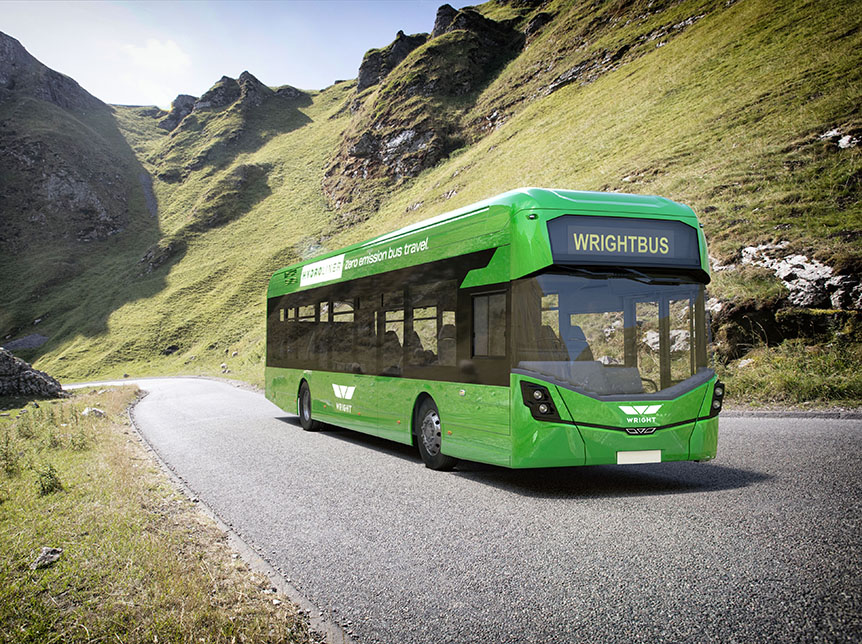
Fueling the Future: Single Decker Hydrogen Vehicles Redefining Urban Transit
Read on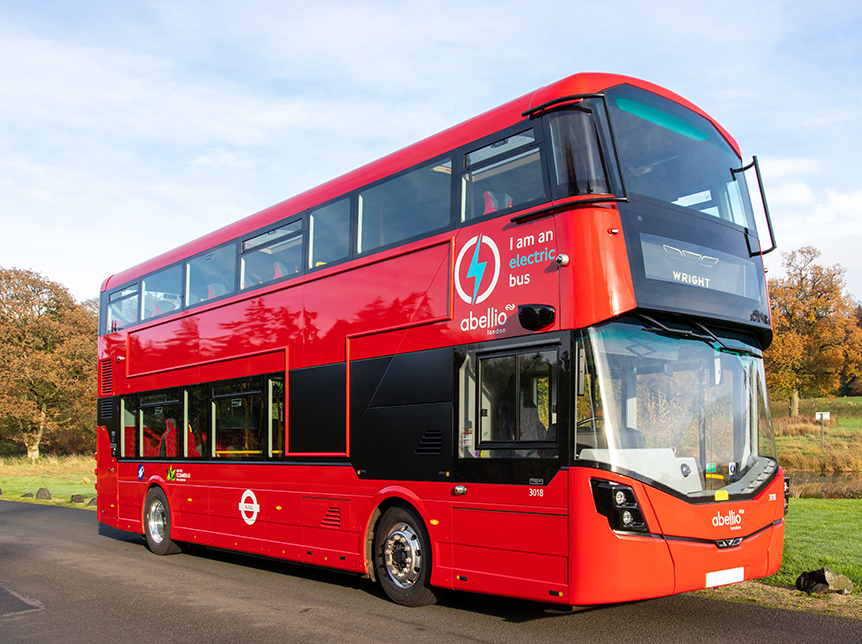
Navigating Green Urban Transit: London's Best Electric Vehicles and Electric Buses
Read on
Embracing Tomorrow's Roads: Zero-Emission vs. Battery Electric Vehicles
Read on
Electrifying Urban Transport: The Rise of Electric Vehicles and E-Buses
Read on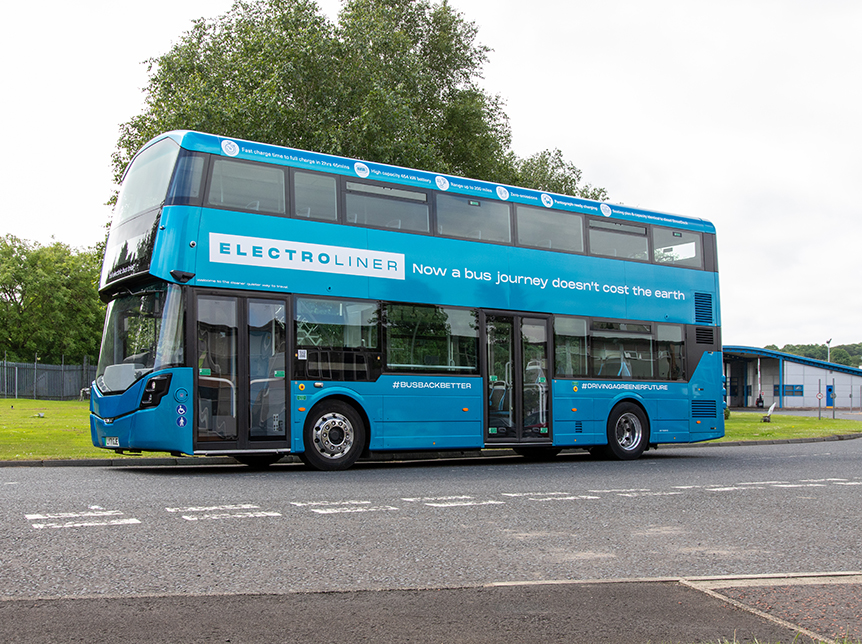
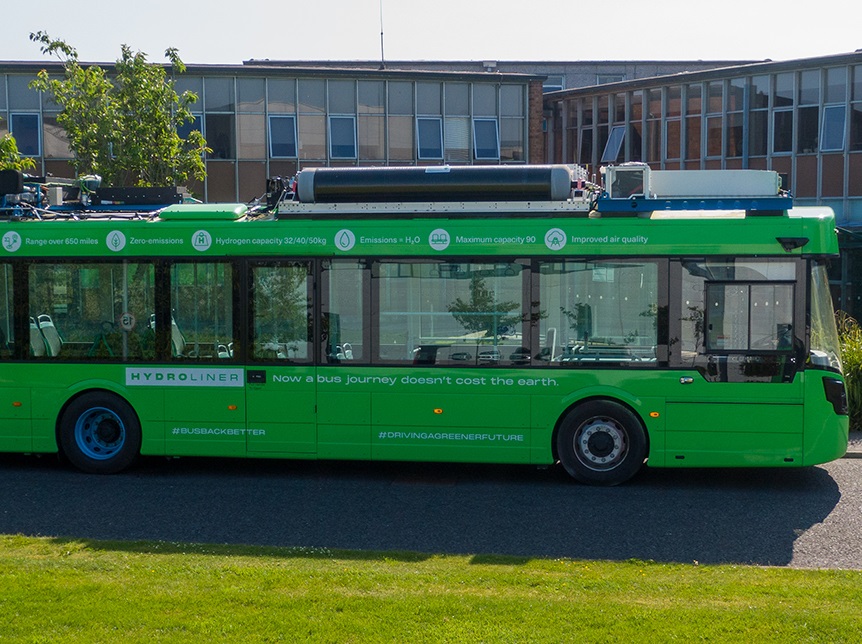
Driving Towards a Green Future: Hydrogen Fuel Cell Vehicles Leading the Way
Read on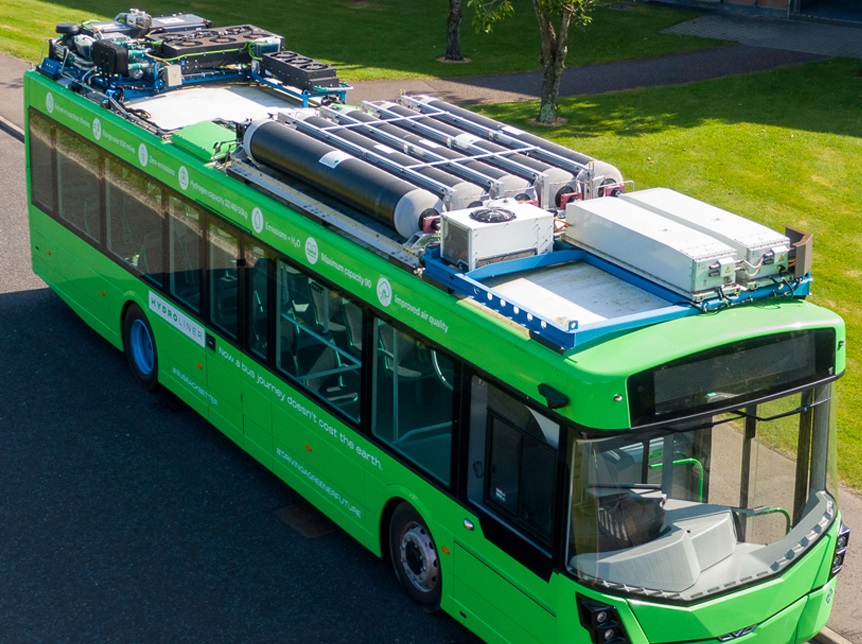
Hydrogen Fuel Cells Are The Future Of Zero-Emission Haulage: This Is How The UK Can Get There
Read on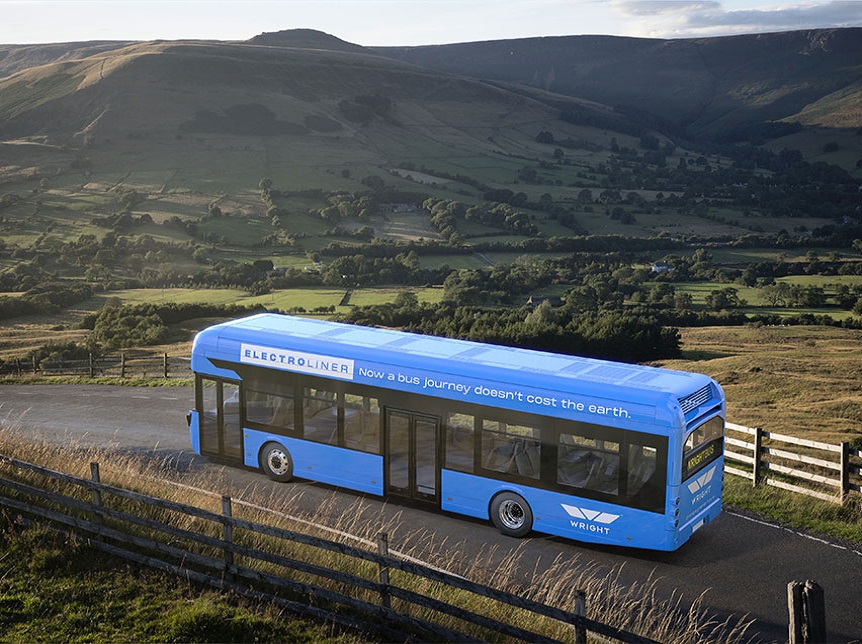

Get in touch
Wrightbus has been at the forefront of transport innovation since 1946, relentlessly pushing the boundaries with its commitment to quality, style and safety.