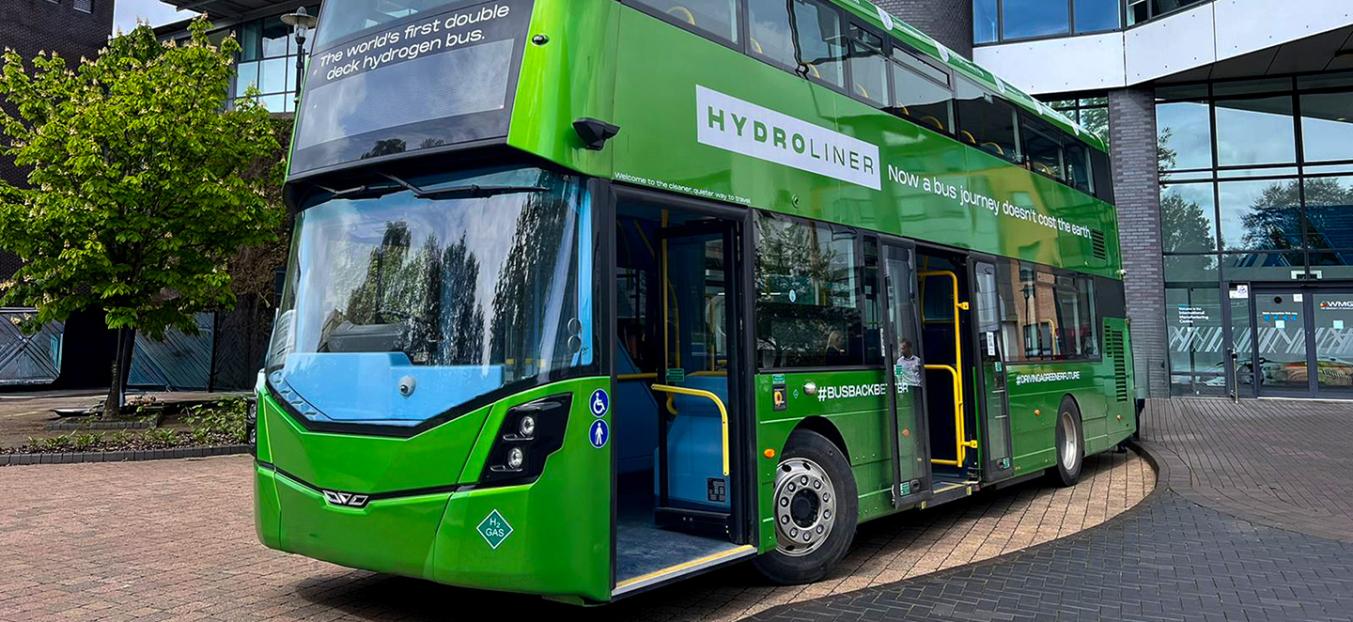
The global transport industry is moving towards cleaner and more efficient solutions, with hydrogen fuel cell vehicles and advanced double-decker bus designs playing an important role in reducing tailpipe emissions and improving urban mobility. These technologies are helping cities modernise public transport while supporting long-term sustainability goals.
Hydrogen Fuel Cell Vehicles Overview
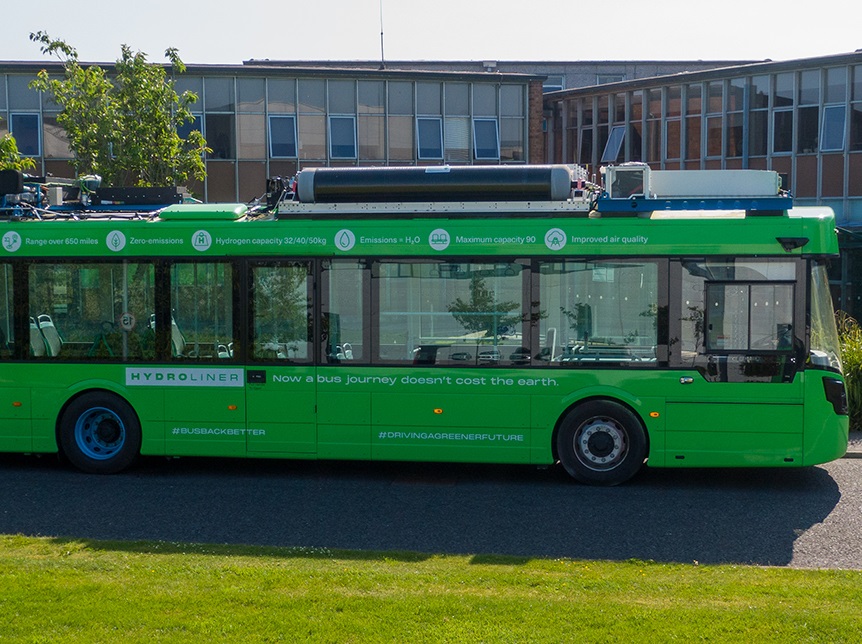
Hydrogen fuel cell vehicles use hydrogen gas to generate electricity through an electrochemical reaction inside a fuel cell stack. This electricity powers an electric motor, making the vehicle move without relying on traditional combustion engines. The only by-product of this process is water vapour, making it a zero-emission technology at the tailpipe.
One of the biggest advantages of hydrogen fuel cell vehicles is their fast refuelling time and long driving range. Unlike battery-electric vehicles that require long charging periods, hydrogen vehicles can be refuelled in a few minutes, making them highly suitable for commercial transport, logistics, and public transit systems.
These vehicles are particularly effective for heavy-duty applications where large batteries may be impractical. They are increasingly being explored for buses, trucks, and long-distance transport networks.
Bus Double-Decker in Modern Public Transport
The double-decker bus is an iconic part of urban transport, especially in cities with high passenger demand. Double-decker buses are designed to carry a large number of passengers while making efficient use of road space, making them suitable for densely populated cities.
Modern double-decker buses are now being developed with electric and hydrogen fuel cell technologies. This shift allows them to maintain high passenger capacity while significantly reducing environmental impact.
Key features of modern double-decker buses include:
- High passenger capacity for busy urban routes
- Advanced safety and stability systems
- Electric or hydrogen-powered drivetrains
- Improved comfort and accessibility features
- Low or zero tailpipe emissions
Hydrogen-Powered Double-Decker Buses
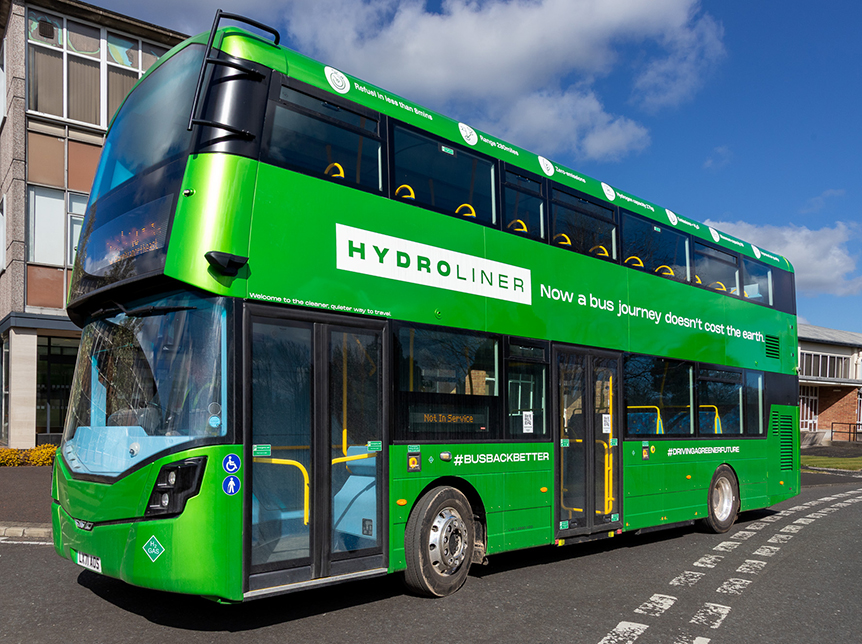
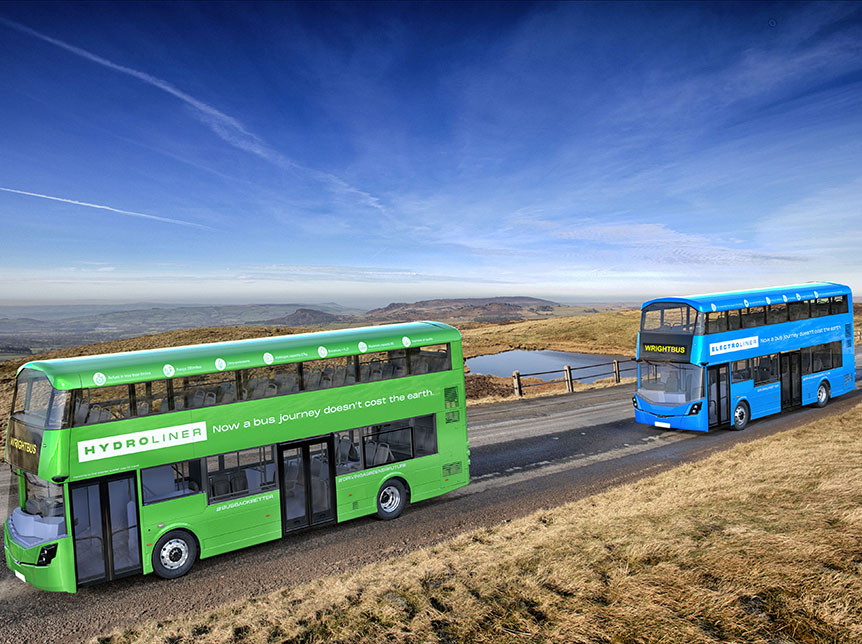
The combination of hydrogen fuel cell technology with double-decker bus design is transforming public transport. These buses are especially useful in cities with high ridership demand and strict environmental regulations.
Hydrogen-powered double-decker buses offer:
- Zero tailpipe emissions
- Long operational range suitable for full-day routes
- Quick refuelling compared to battery charging
- Reduced noise pollution in urban areas
They are increasingly being tested and deployed in major cities as part of clean mobility programmes. This includes public transport networks aiming to replace diesel fleets with zero-tailpipe-emission alternatives.
Role of Hydrogen in Public Transport
Hydrogen fuel cell technology is becoming an important solution for decarbonising public transport systems. While battery-electric buses are widely used for shorter routes, hydrogen buses are better suited for longer routes and high-utilization schedules.
This makes hydrogen fuel cell vehicles a strong complement to electric buses, especially in large metropolitan transport systems.
Future of Double-Decker Bus Technology
The future of the bus double-decker is closely linked to clean energy innovation. Manufacturers are investing in hydrogen fuel cell systems, battery-electric platforms, and lightweight materials to improve efficiency and reduce emissions.
Future developments are expected to include:
- Longer-range hydrogen fuel cell buses
- Faster and more efficient refuelling systems
- Advanced autonomous driving features
- Integration with smart city transport systems
Conclusion
The combination of hydrogen fuel cell vehicles and modern bus double-decker technology represents a major step forward in sustainable transport. As cities continue to prioritize clean mobility, these innovations will play a key role in reducing emissions, improving air quality, and shaping the future of public transport.
- What are hydrogen fuel cell vehicles?
Hydrogen fuel cell vehicles are vehicles that generate electricity from hydrogen through a fuel cell system, powering an electric motor with only water vapour as a by-product. - How do hydrogen fuel cell vehicles work?
They convert hydrogen into electricity inside a fuel cell stack, which then drives the electric motor, offering a clean and efficient mode of transport. - What is a bus double-decker?
A bus double-decker is a high-capacity public transport vehicle with two levels of seating, designed to carry more passengers while using road space efficiently. - Are double-decker buses available in hydrogen or electric versions?
Yes, modern double-decker buses are increasingly being developed with electric and hydrogen fuel cell technology for zero-tailpipe-emission transport. - What are the benefits of hydrogen buses?
Hydrogen buses offer fast refuelling, long driving range, low noise, and zero tailpipe emissions, making them ideal for urban transport systems. - Why are double-decker buses popular in cities?
They can carry a large number of passengers without requiring extra road space, making them ideal for crowded urban routes. - Are hydrogen fuel cell vehicles better than electric buses?
Both have advantages. Hydrogen buses are better for long routes and quick refuelling, while electric buses are ideal for shorter city routes.
Read more
Low-Emission Vehicle Solutions and the Role of Modern Bus Companies
Read on
How Much Does a Bus Weigh and How Do Hydrogen-Powered Vehicles Work?
Read on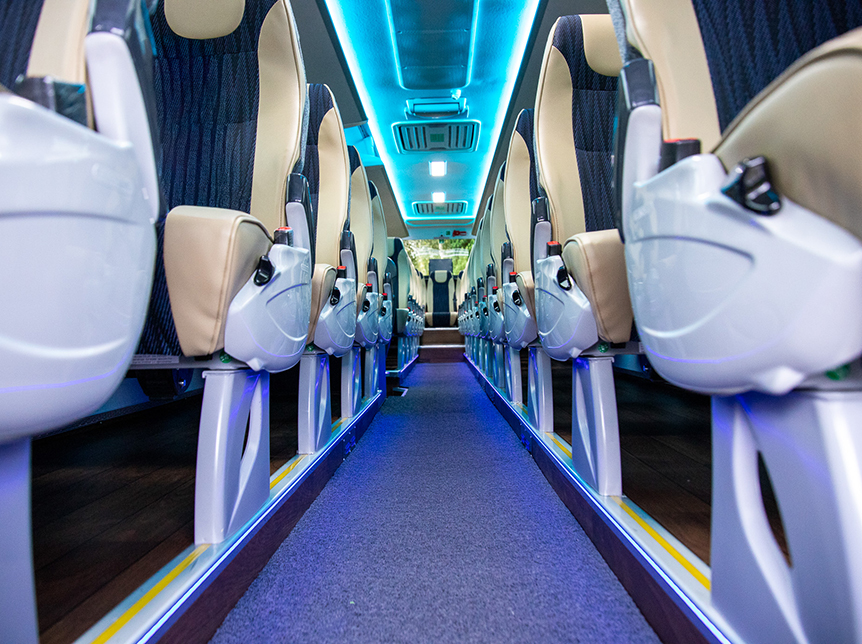
Double-Deck Coaches and Electric Bus Companies: Shaping Modern Bus Travel
Read on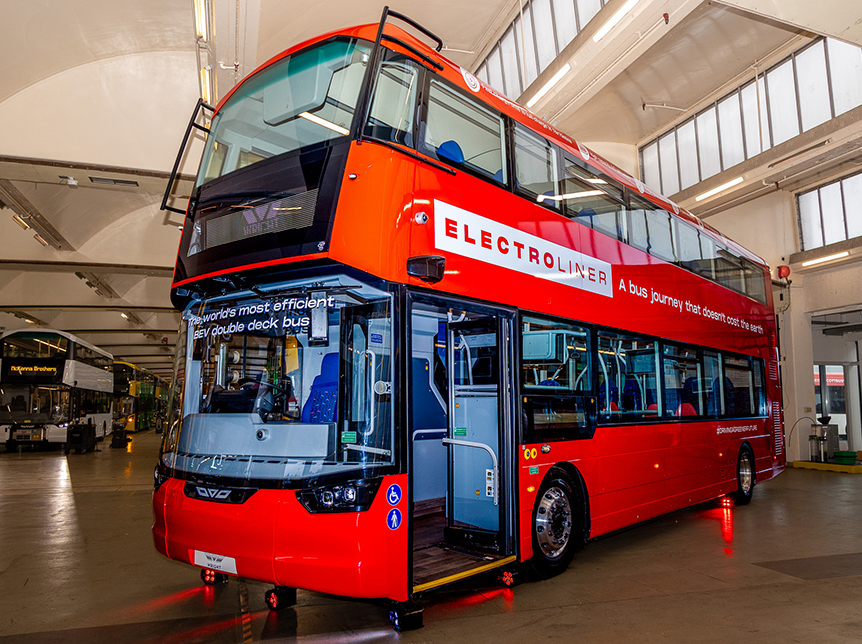
Modern Electric Vehicle Types and Next-Generation Double-Decker Buses
Read on
Bus Manufacturing Companies and the Rise of Electric Double-Decker Buses
Read on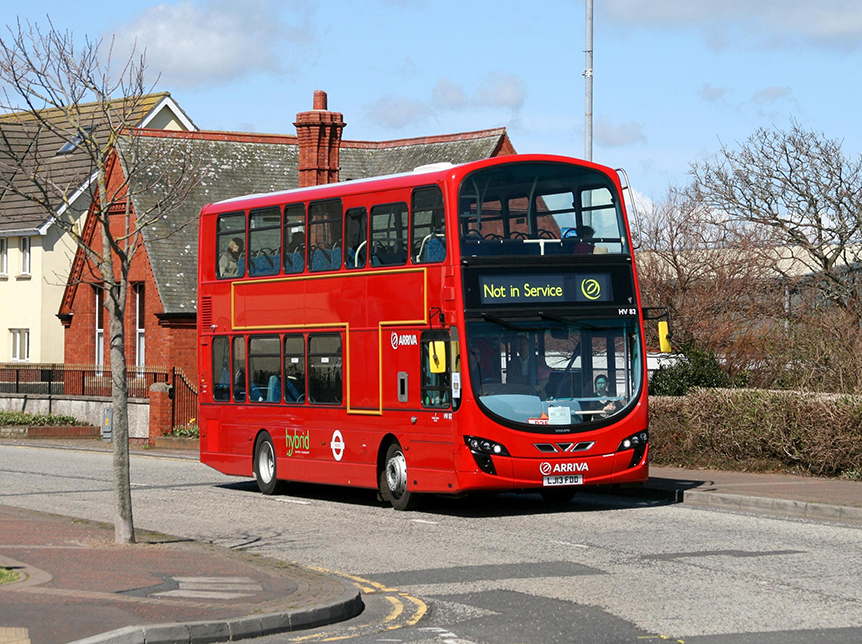
Hybrid Electric Vehicles and Fuel Cell Electric Vehicles: The Future of Clean Mobility
Read on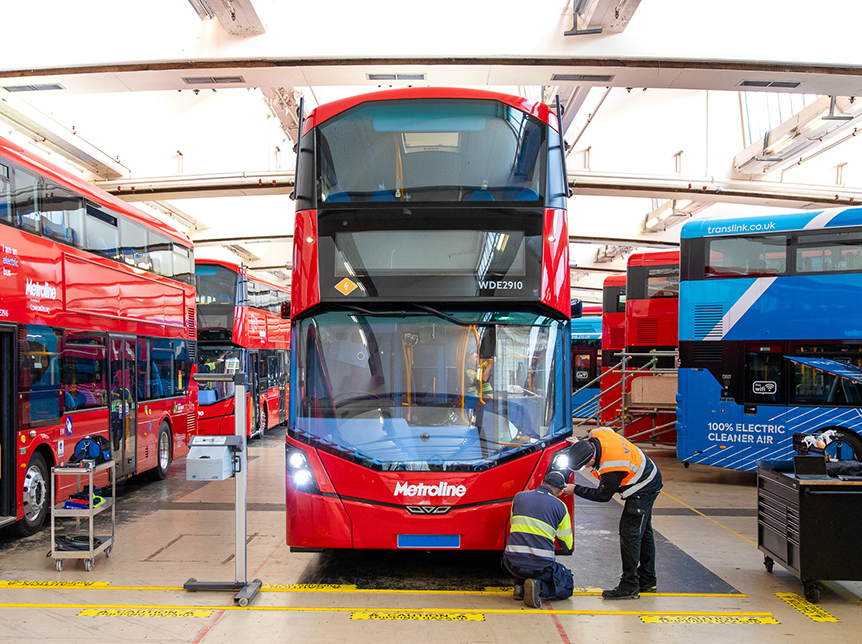
Electric Vehicle Manufacturers and the Rise of Zero-Emission Vehicles
Read on
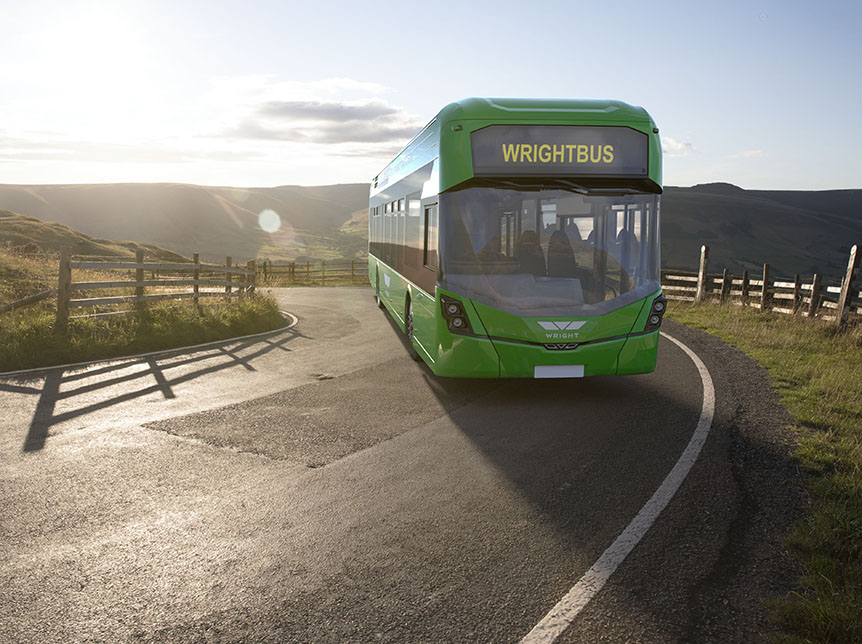
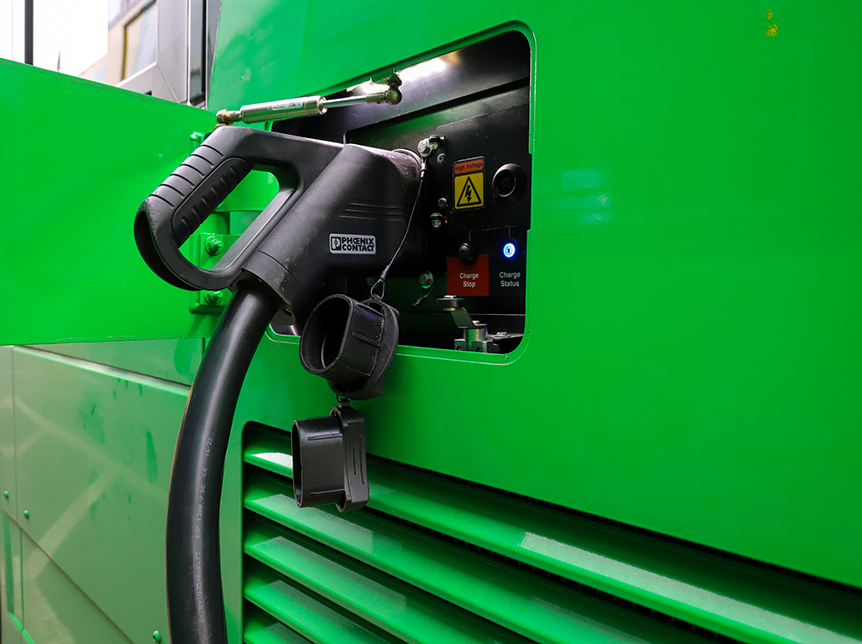
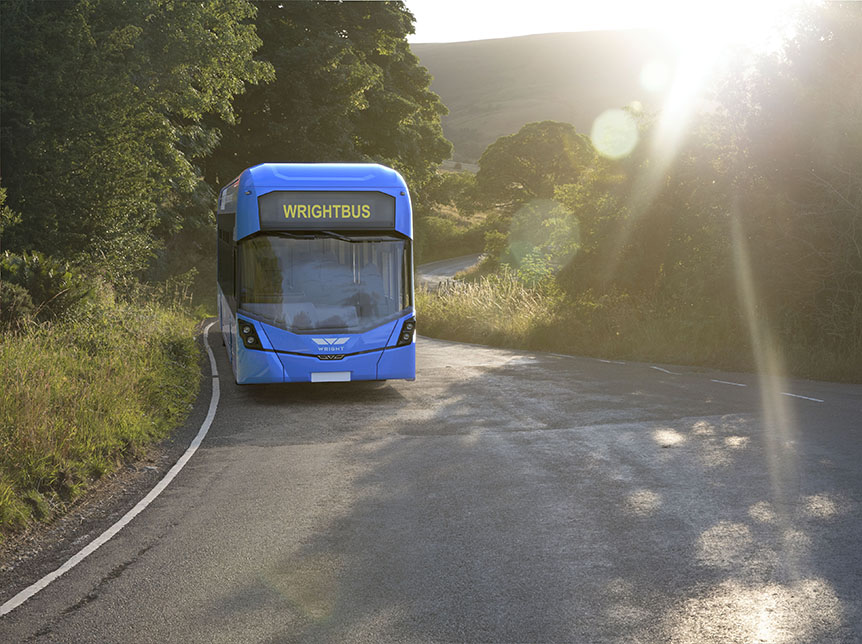
Driving Towards Sustainability: Electric Buses in the UK Leading the Way to Zero Emission Vehicles
Read on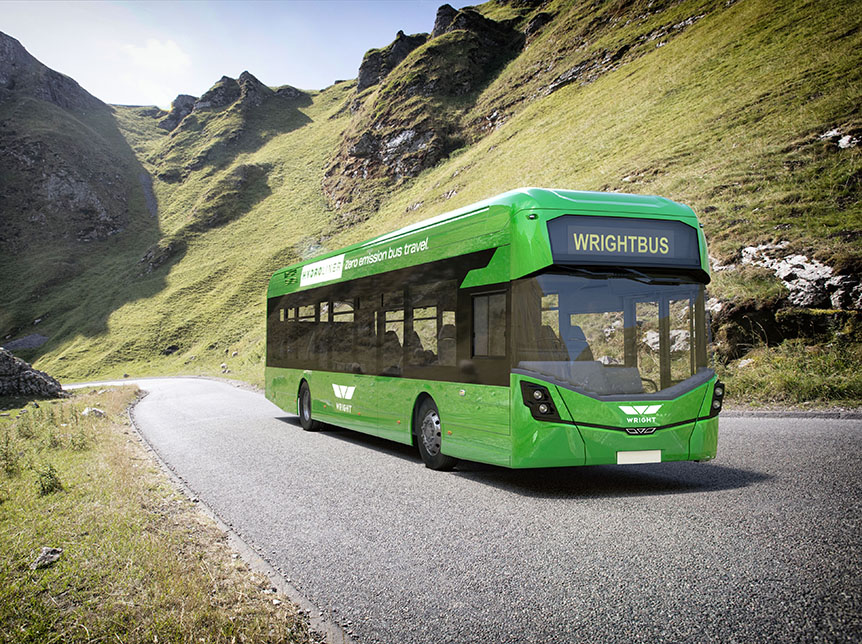
Fueling the Future: Single Decker Hydrogen Vehicles Redefining Urban Transit
Read on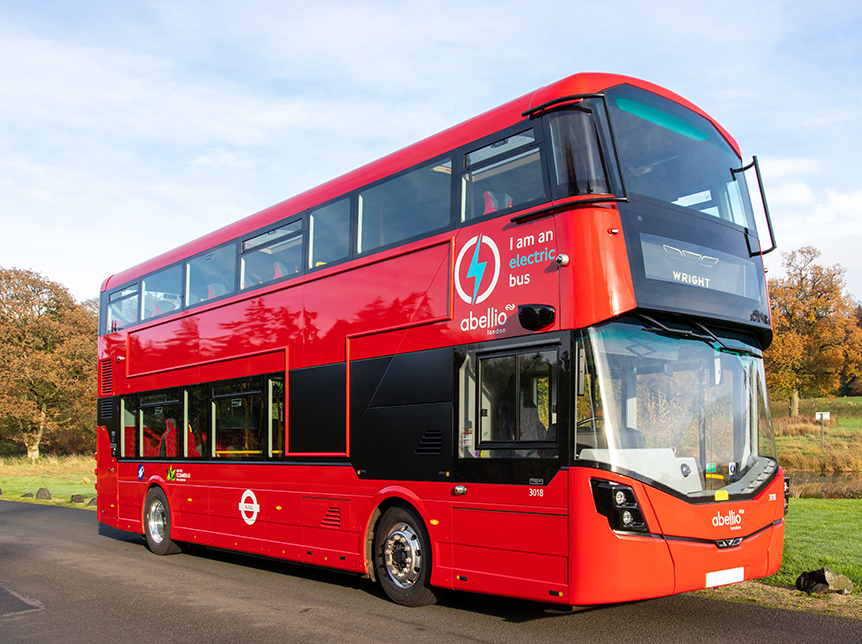
Navigating Green Urban Transit: London's Best Electric Vehicles and Electric Buses
Read on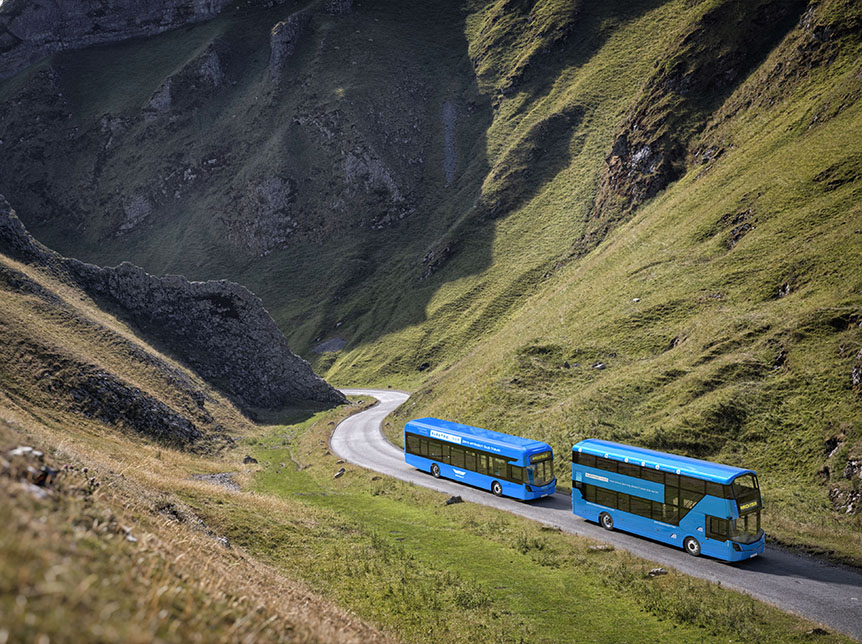
Embracing Tomorrow's Roads: Zero-Emission vs. Battery Electric Vehicles
Read on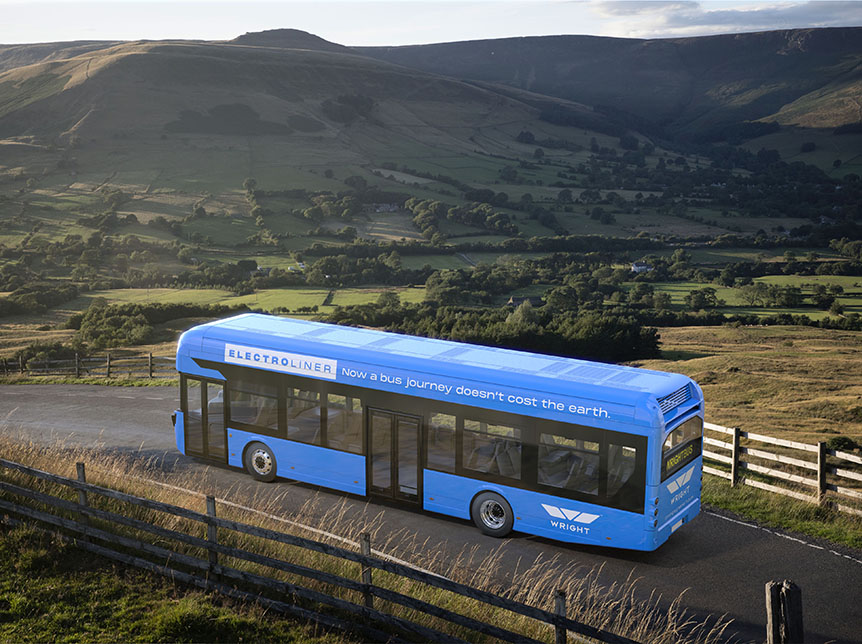
Electrifying Urban Transport: The Rise of Electric Vehicles and E-Buses
Read on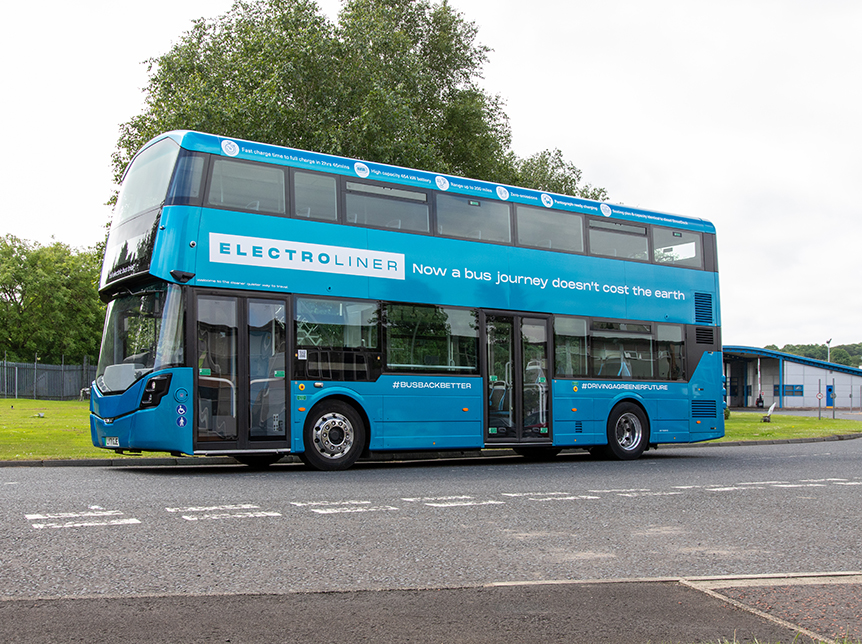
Driving Towards a Green Future: Hydrogen Fuel Cell Vehicles Leading the Way
Read on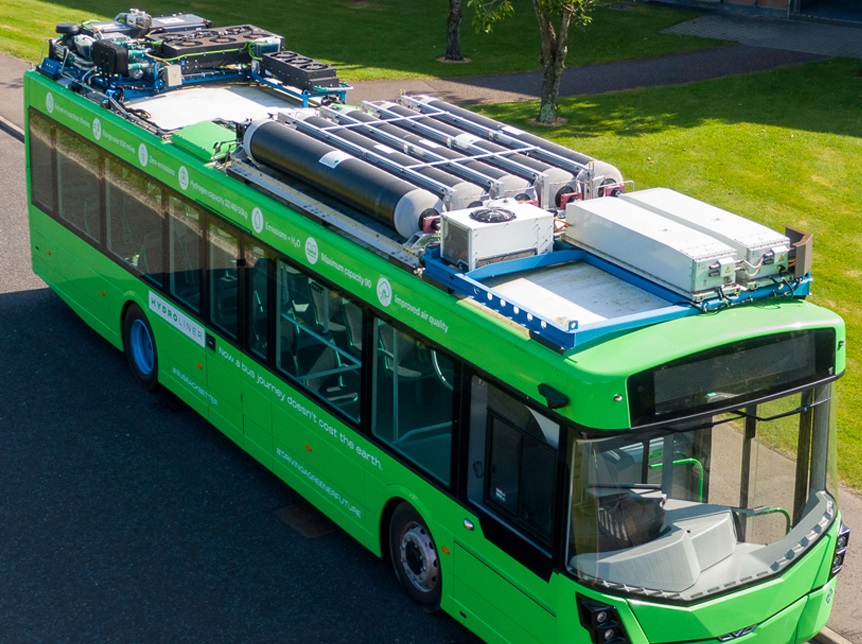
Hydrogen Fuel Cells Are The Future Of Zero-Emission Haulage: This Is How The UK Can Get There
Read on

Get in touch
Wrightbus has been at the forefront of transport innovation since 1946, relentlessly pushing the boundaries with its commitment to quality, style and safety.