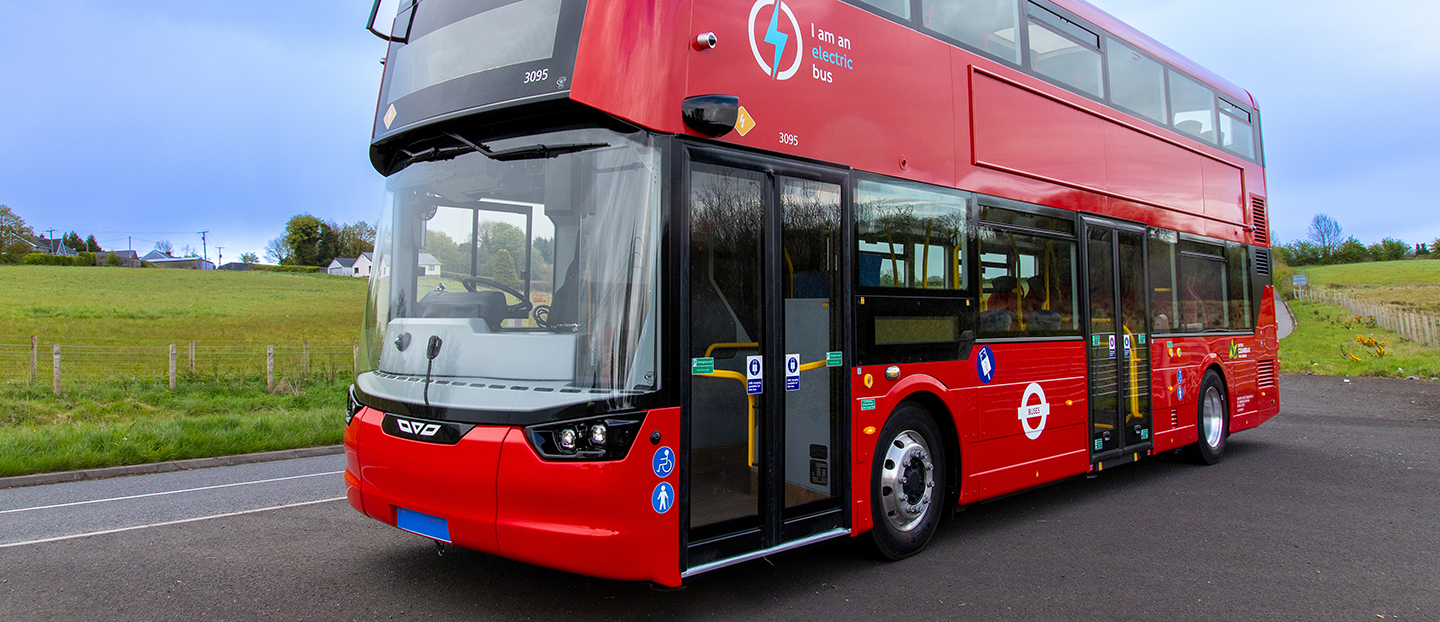
The transport industry is adopting battery-electric, hybrid and fuel cell technologies to improve energy efficiency, reduce fossil-fuel use and support lower-emission mobility. These are often grouped under the broader term electrified vehicles, although their powertrains and infrastructure requirements differ substantially.
What Are Electric Vehicles?
In strict engineering terms, an electric vehicle uses one or more electric motors for propulsion. Battery-electric vehicles rely entirely on stored electrical energy, while hybrid and fuel cell vehicles also use electric traction but obtain energy in different ways. For clarity, these categories are often described collectively as electrified vehicles.
Electrified vehicles can offer quiet operation, high drivetrain efficiency and reduced tailpipe emissions, depending on the technology. Charging or refuelling infrastructure, range, energy use, capital cost and operational suitability vary significantly between vehicle types.
Types of Electrified Vehicles
There are several common electrified powertrain types, each with a different energy source and degree of electrification.
Battery Electric Vehicles
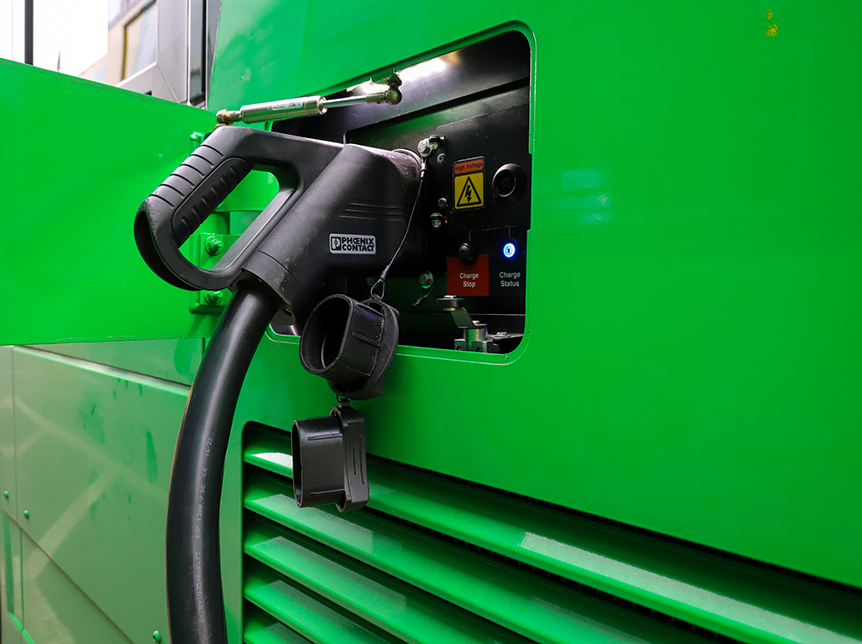
Battery-electric vehicles, commonly known as BEVs, operate entirely using electricity stored in a rechargeable traction battery. They do not use a conventional combustion engine for propulsion and require external charging.
Hybrid Electric Vehicles
Hybrid electric vehicles combine an internal combustion engine with an electric motor and battery. The electric system can assist the engine and recover energy through regenerative braking, helping improve fuel efficiency in suitable duty cycles.
Plug-In Hybrid Electric Vehicles
Plug-in hybrid electric vehicles have a larger battery that can be charged from an external power source. They can normally travel a greater distance using electric power alone than a non-plug-in hybrid before the combustion engine is required.
Fuel Cell Electric Vehicles
Fuel cell electric vehicles use hydrogen in a fuel cell stack to generate electricity for an electric drivetrain. A traction battery is normally used alongside the fuel cell for transient power demand and regenerative braking. Water and heat are the main by-products of the fuel cell reaction at the vehicle level.
Hybrid Vehicles: Pros and Cons
Understanding the pros and cons of hybrid vehicles is important when comparing hybrid technology with conventional, battery-electric and fuel cell vehicles.
Advantages of Hybrid Vehicles
Hybridisation can improve fuel efficiency by allowing the electric motor to assist the combustion engine, optimise engine operation and recover braking energy. The benefit depends on vehicle design and duty cycle.
Hybrid vehicles can recover part of the vehicle's kinetic energy through regenerative braking and store it in the battery for later use.
Another benefit is operational flexibility. Conventional hybrids do not require external charging and can use established fuel-refuelling infrastructure; plug-in hybrids can also use externally supplied electricity.
Disadvantages of Hybrid Vehicles
Hybrid powertrains combine combustion and electric systems, so maintenance and diagnostic requirements differ from both conventional and battery-electric vehicles. Reliability and whole-life maintenance cost depend on the specific design, duty cycle and manufacturer support.
Hybrids can also have a higher purchase price than comparable conventional vehicles. Whether this is offset over the vehicle life depends on fuel savings, maintenance, residual value, duty cycle and energy prices.
Because conventional hybrids retain an internal combustion engine, they continue to produce tailpipe emissions and do not meet the same zero-tailpipe-emission definition as BEVs or FCEVs.
Choosing the Right Technology
The appropriate technology depends on the duty cycle, budget, infrastructure, range requirement, emissions objective and total cost of ownership. For buses in particular, route-level energy modelling and infrastructure planning are essential before selecting a powertrain.
As technology develops, battery-electric, hybrid and fuel cell systems will continue to serve different parts of passenger and commercial transport. Understanding their engineering and operational differences helps buyers and operators select the most suitable solution.
Read more
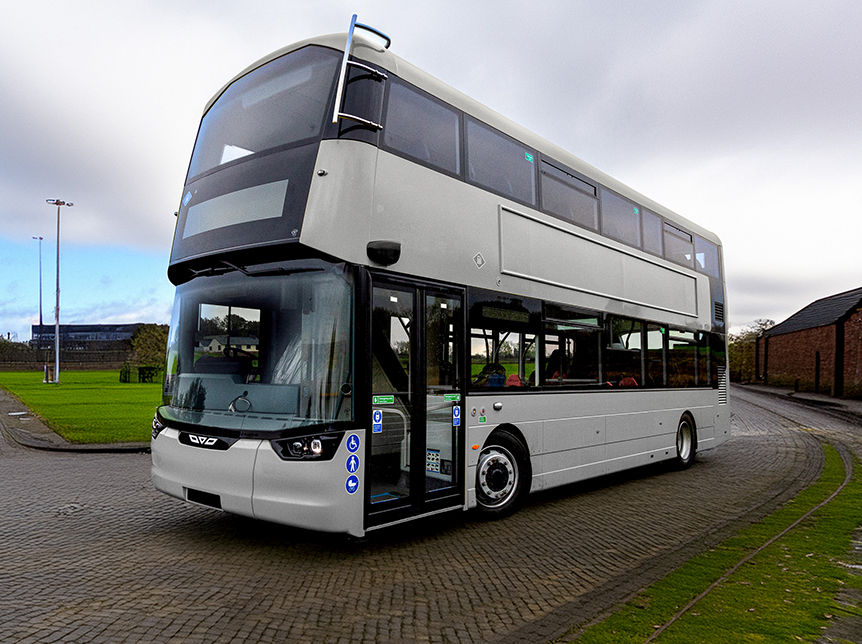
Low-Emission Vehicle Solutions and the Role of Modern Bus Companies
Read on
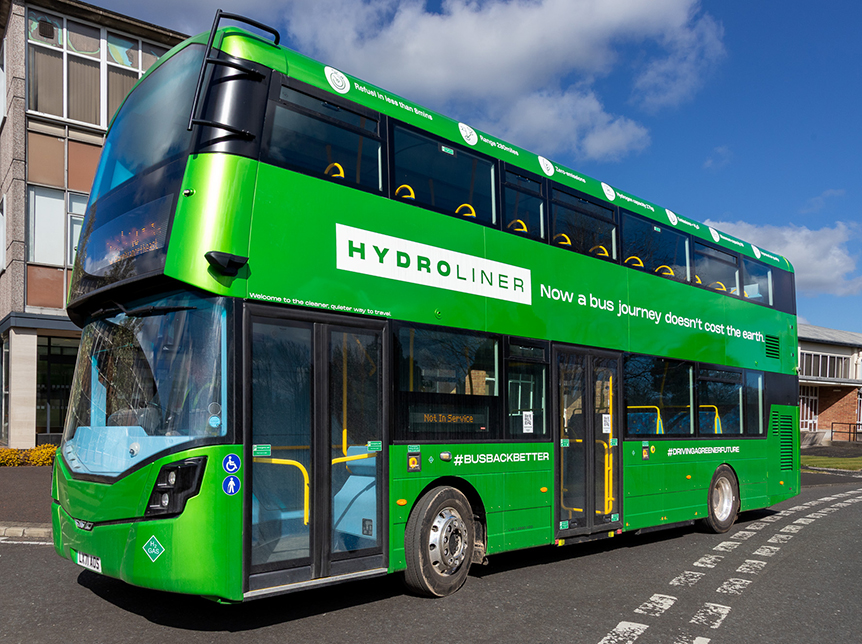
How Much Does a Bus Weigh and How Do Hydrogen-Powered Vehicles Work?
Read on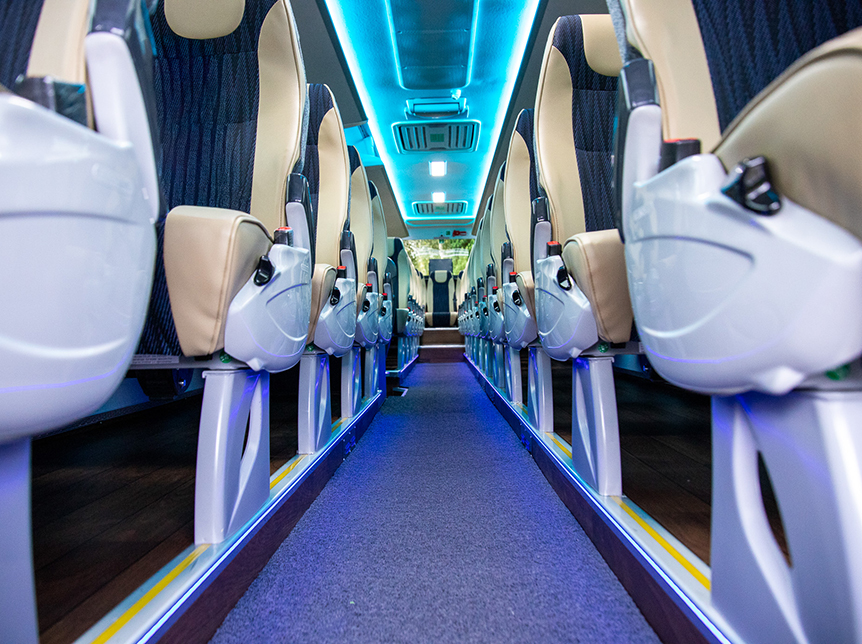
Double-Deck Coaches and Electric Bus Companies: Shaping Modern Bus Travel
Read on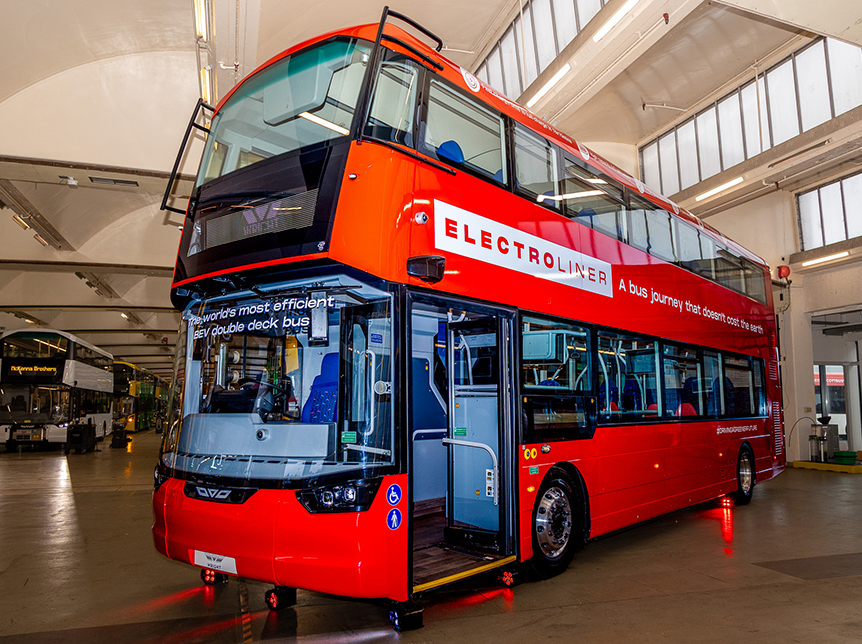
Modern Electric Vehicle Types and Next-Generation Double-Decker Buses
Read on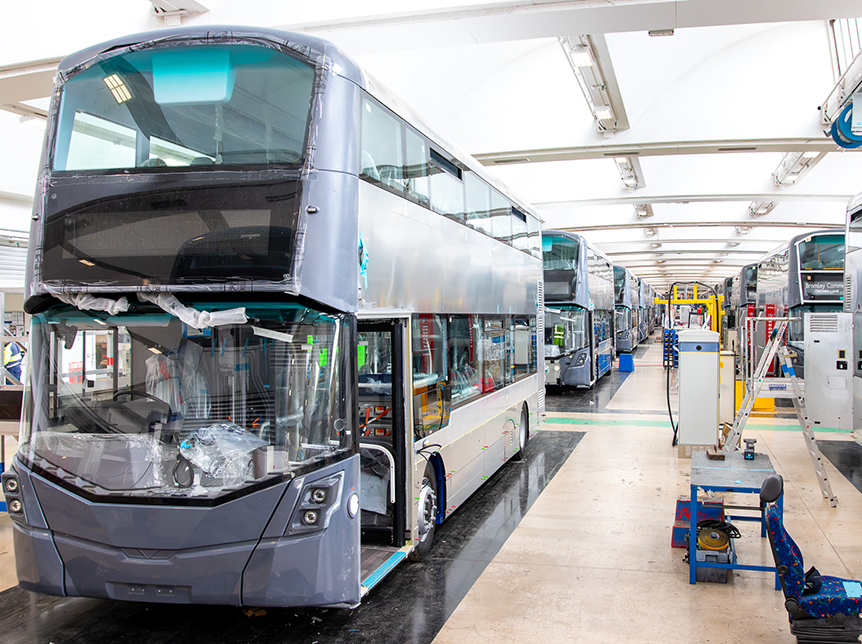
Bus Manufacturing Companies and the Rise of Electric Double-Decker Buses
Read on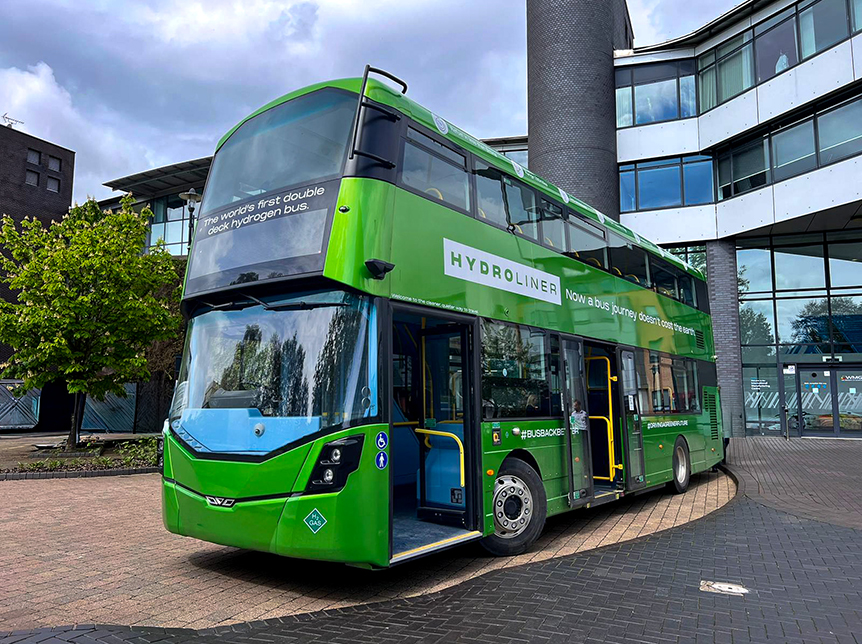
Hydrogen Fuel Cell Vehicles and Double-Decker Bus Innovation in Modern Transport
Read on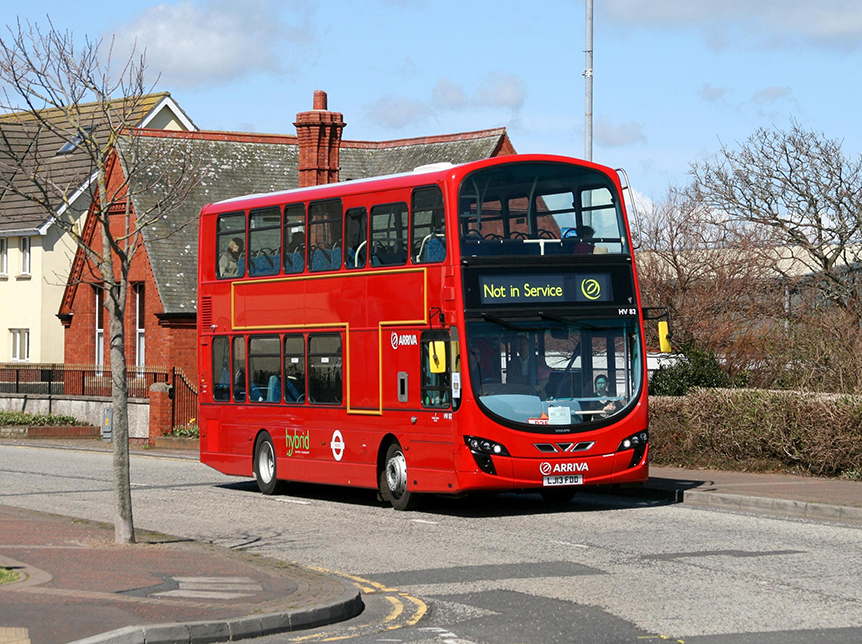
Hybrid Electric Vehicles and Fuel Cell Electric Vehicles: The Future of Clean Mobility
Read on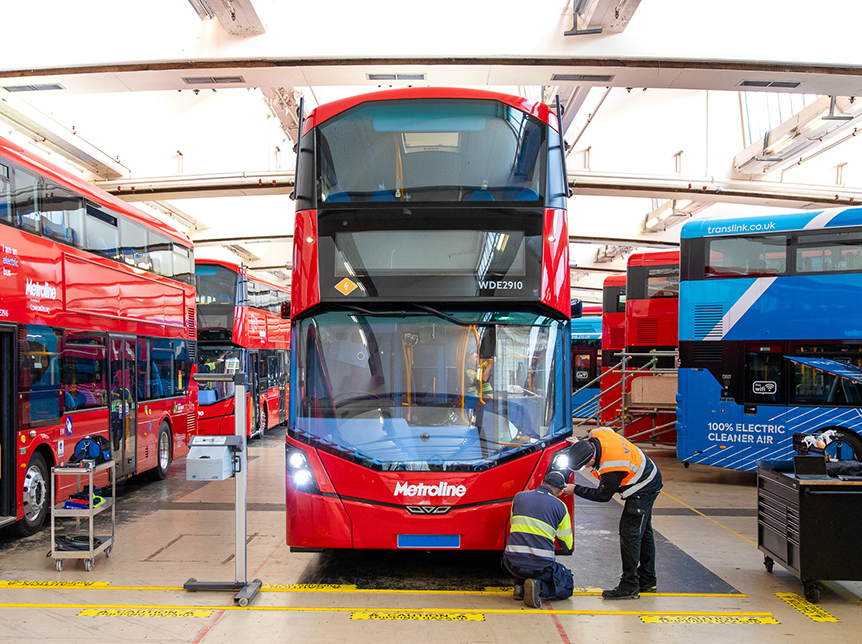
Electric Vehicle Manufacturers and the Rise of Zero-Emission Vehicles
Read on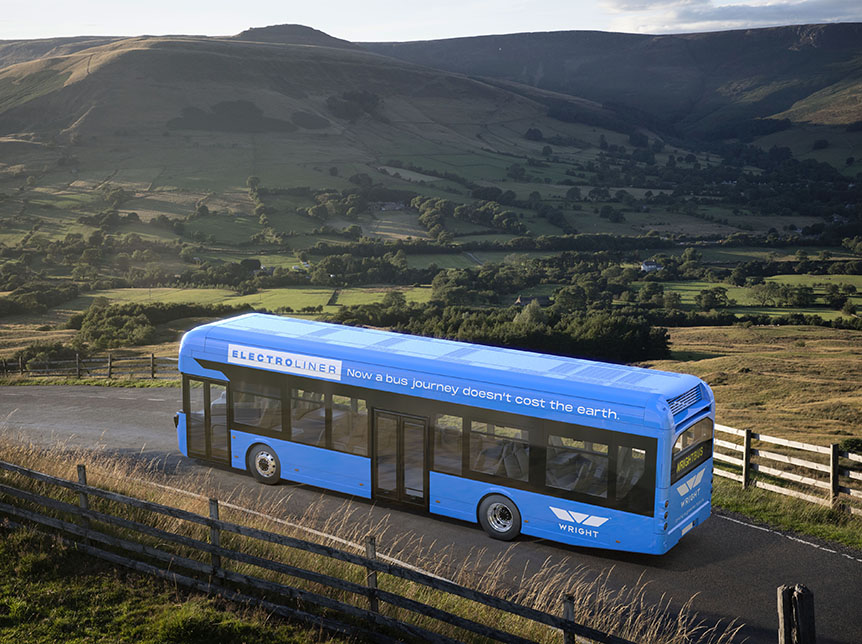
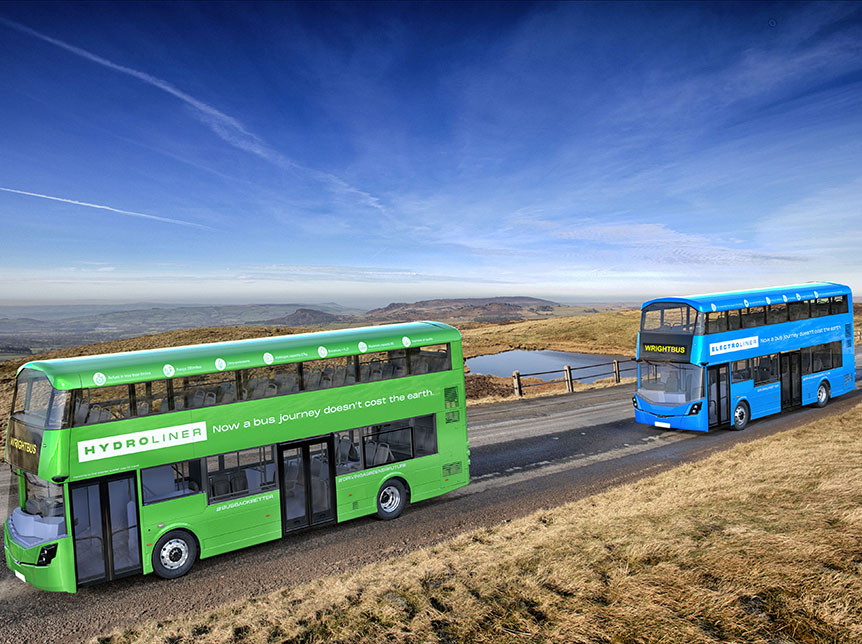
Driving Towards Sustainability: Electric Buses in the UK Leading the Way to Zero Emission Vehicles
Read on
Fueling the Future: Single Decker Hydrogen Vehicles Redefining Urban Transit
Read on
Navigating Green Urban Transit: London's Best Electric Vehicles and Electric Buses
Read on
Embracing Tomorrow's Roads: Zero-Emission vs. Battery Electric Vehicles
Read on
Electrifying Urban Transport: The Rise of Electric Vehicles and E-Buses
Read on
Driving Towards a Green Future: Hydrogen Fuel Cell Vehicles Leading the Way
Read on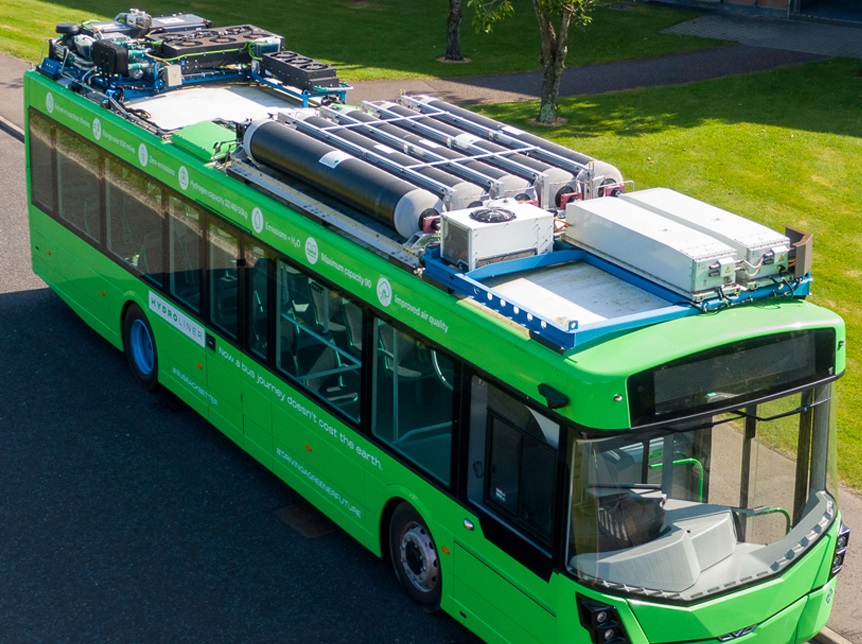
Hydrogen Fuel Cells Are The Future Of Zero-Emission Haulage: This Is How The UK Can Get There
Read on

Get in touch
Wrightbus has been at the forefront of transport innovation since 1946, relentlessly pushing the boundaries with its commitment to quality, style and safety.