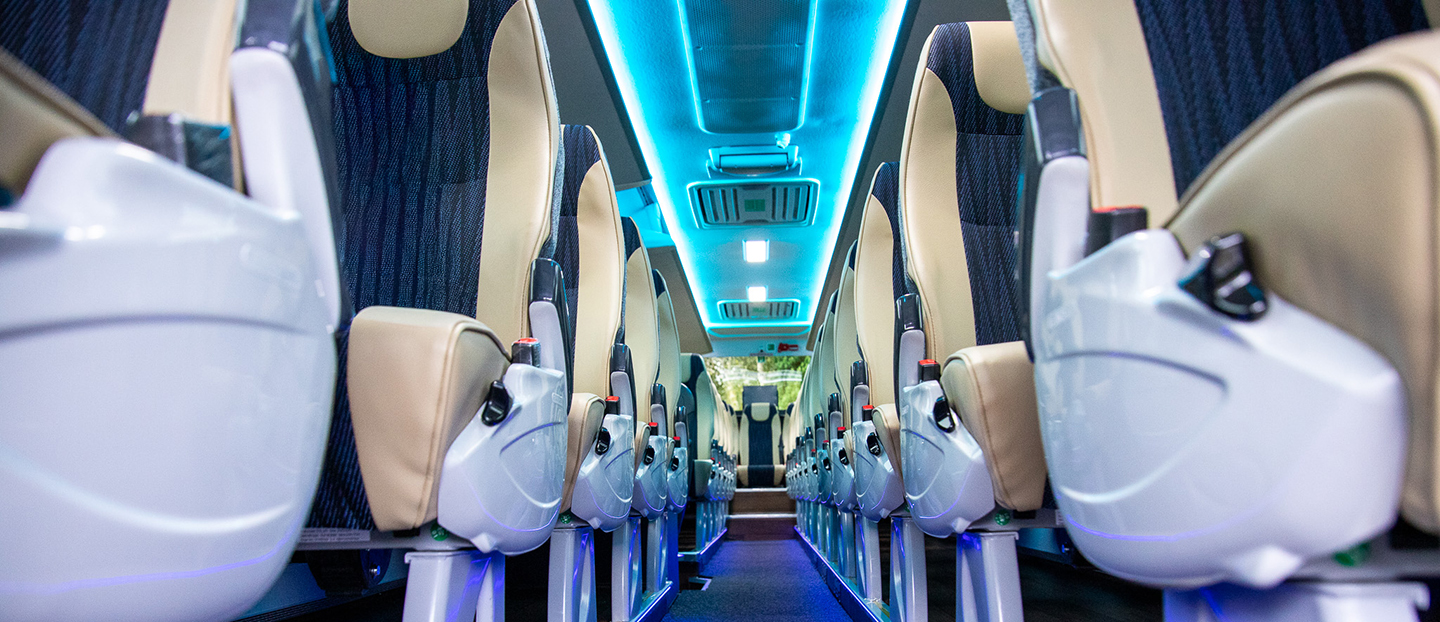
The bus industry is evolving as passenger demand, sustainability goals and advances in vehicle technology influence the future of public and long-distance transport. Two important developments are the continued use of double-deck coaches for high-capacity travel and the growing role of electric bus companies in delivering cleaner transport solutions.
What Is a Double-Deck Coach?
A double-deck coach is a passenger vehicle with two passenger decks. Compared with a single-deck coach of similar length, this configuration can provide greater passenger capacity while making efficient use of road space.
Double-deck coaches can be suitable for long-distance travel, tourism, intercity services and routes with high passenger demand. Their higher passenger capacity can help operators carry more people per journey without necessarily increasing vehicle length.
Modern double-deck coaches can also include features designed to improve passenger comfort. Depending on the vehicle and service, these may include reclining seats, climate control, luggage compartments, on-board entertainment, accessibility features, and connectivity.
Operating a double-deck coach requires careful consideration of vehicle height, gross vehicle weight, axle loads, route suitability, bridge and overhead clearances, turning requirements, accessibility and applicable road regulations.
What Are Electric Bus Companies?
The term electric bus companies can refer to manufacturers, suppliers or operators involved in battery-electric buses and supporting systems. For manufacturers, this includes vehicle design, powertrain and battery integration, charging compatibility, safety, durability and whole-vehicle validation.
Battery-electric buses store electrical energy in traction batteries and use electric motors for propulsion. They produce no tailpipe emissions during operation and are generally quieter at low speeds than comparable combustion-engine buses.
Electric bus technology is particularly well suited to many scheduled bus operations because routes and depot return times are predictable. This allows operators to plan depot charging or, where appropriate, opportunity charging around the duty cycle.
Benefits of Electric Buses
A major benefit of battery-electric buses is the elimination of tailpipe emissions during operation, which can help improve local air quality on busy urban routes. Their overall greenhouse-gas impact, however, also depends on factors such as electricity generation and vehicle manufacture.
Electric motors can also provide efficient power delivery and smooth acceleration. Regenerative braking can recover some energy during deceleration and return it to the vehicle's battery, helping improve overall energy efficiency.
Electric powertrains generally have fewer moving parts than conventional internal combustion powertrains, which changes maintenance requirements. High-voltage batteries, charging systems, cooling circuits, power electronics and electrical safety systems still require specialist inspection, diagnostics and maintenance.
Challenges for Electric Bus Companies
Electric buses also involve practical engineering and operational considerations. Battery capacity and usable energy must be matched to the duty cycle, including route distance, passenger load, gradients, traffic, auxiliary loads and seasonal heating or cooling demand. Charging infrastructure must be sized and scheduled accordingly.
Initial investment can include the vehicles themselves, charging equipment, grid or depot upgrades, civil works, software and staff training. Energy consumption and achievable range can vary with traffic, gradients, ambient temperature, passenger load, HVAC demand and driving style.
The Future of Bus Transport
High-capacity vehicle designs and electric propulsion can both contribute to more efficient passenger transport. Double-deck coaches address capacity requirements, while battery-electric buses offer a route to zero tailpipe emissions where the duty cycle and charging infrastructure are suitable.
As battery technology and charging infrastructure continue to develop, battery-electric buses can serve an increasing range of duties. Vehicle selection should nevertheless be based on route characteristics, passenger demand, infrastructure, energy consumption, operational resilience, whole-life cost and fleet strategy.
Together, high-capacity vehicle design and lower-emission propulsion technologies can support more efficient, comfortable and sustainable bus transport.
Read more
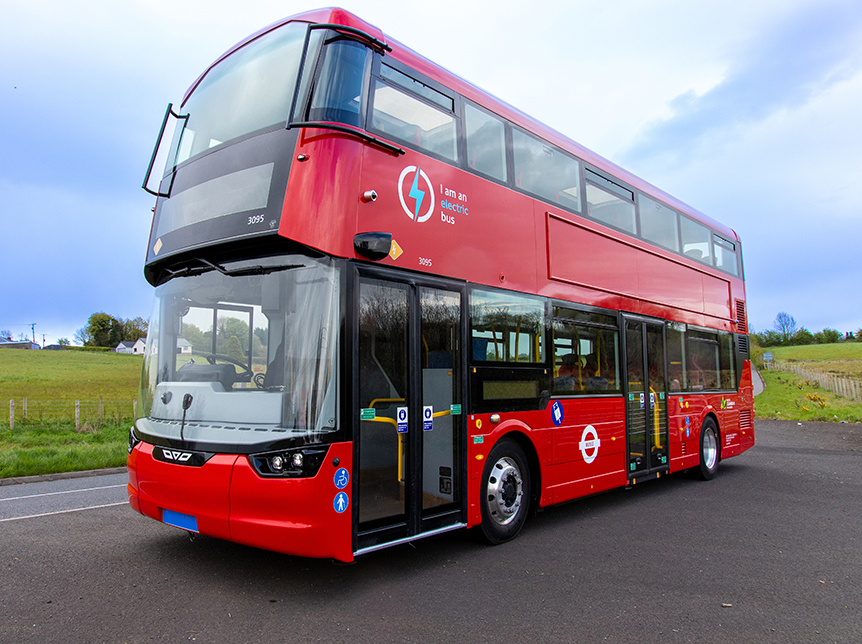
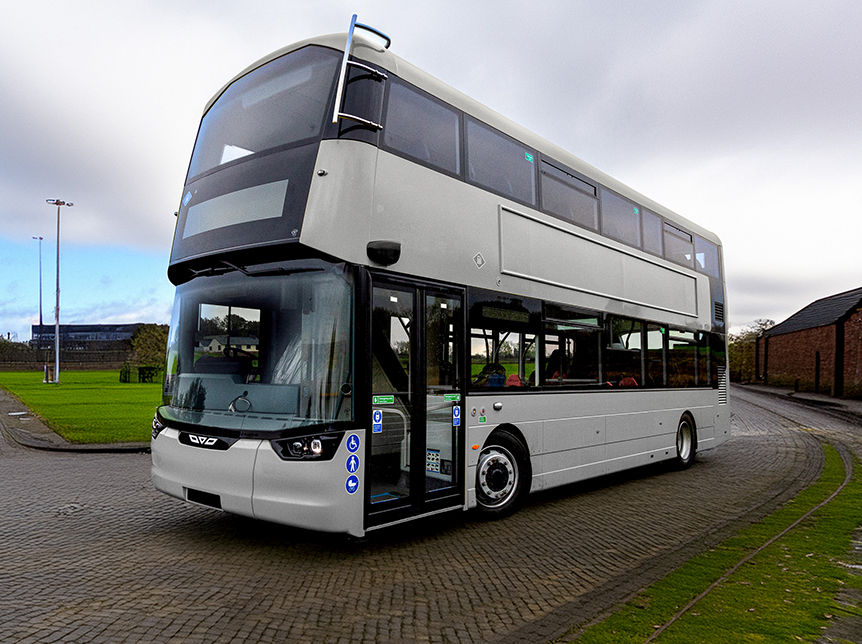
Low-Emission Vehicle Solutions and the Role of Modern Bus Companies
Read on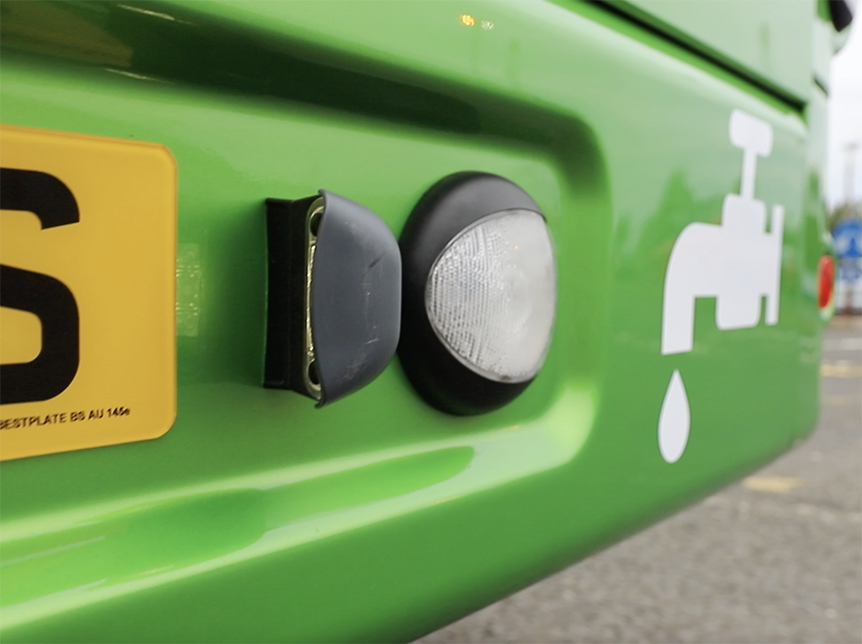
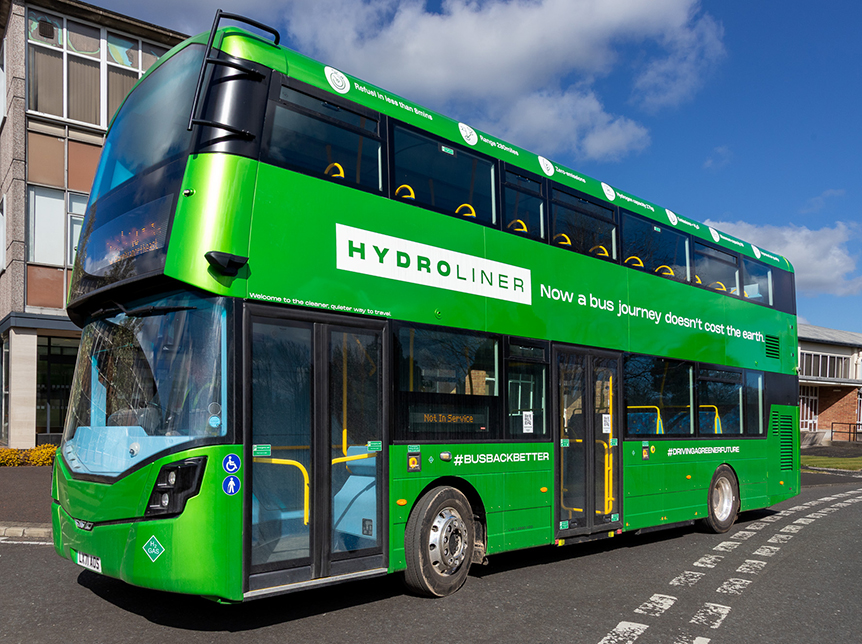
How Much Does a Bus Weigh and How Do Hydrogen-Powered Vehicles Work?
Read on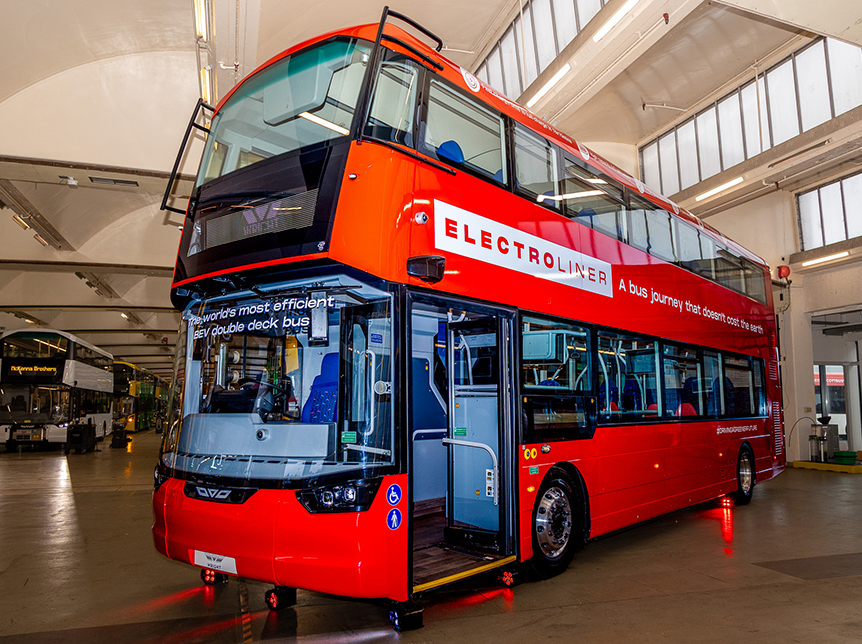
Modern Electric Vehicle Types and Next-Generation Double-Decker Buses
Read on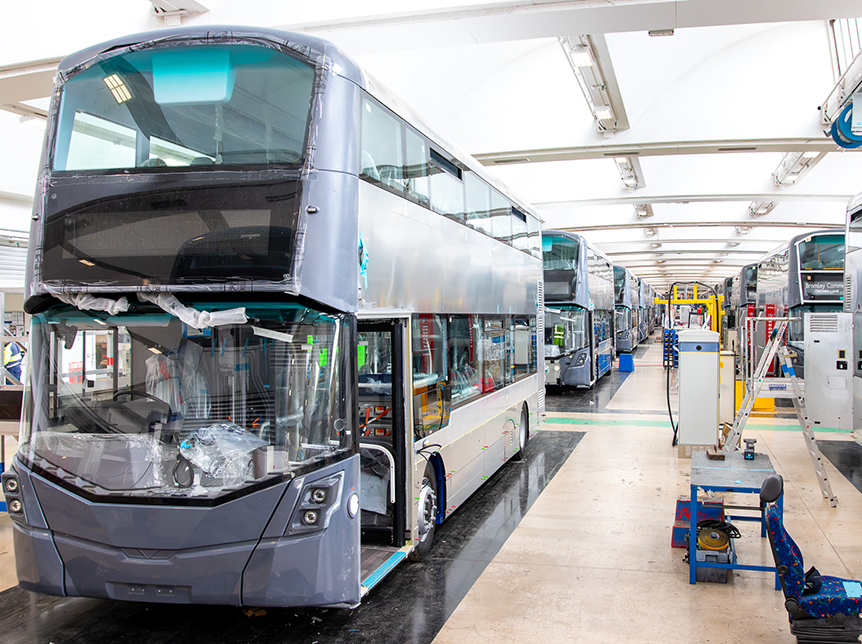
Bus Manufacturing Companies and the Rise of Electric Double-Decker Buses
Read on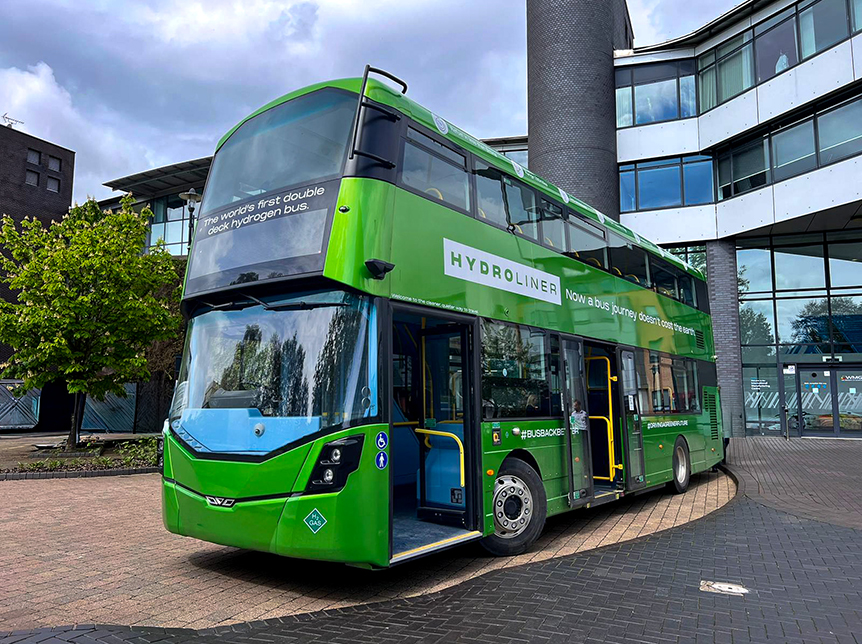
Hydrogen Fuel Cell Vehicles and Double-Decker Bus Innovation in Modern Transport
Read on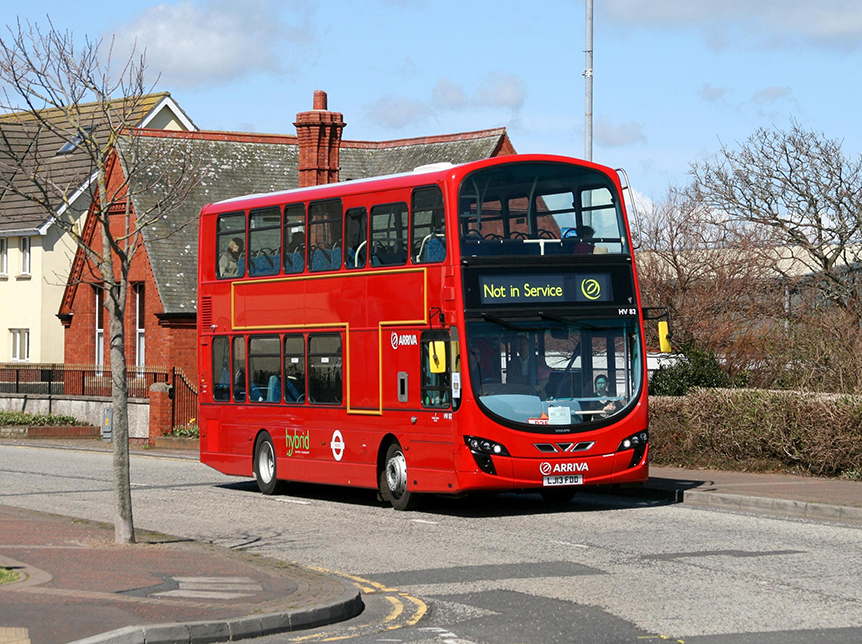
Hybrid Electric Vehicles and Fuel Cell Electric Vehicles: The Future of Clean Mobility
Read on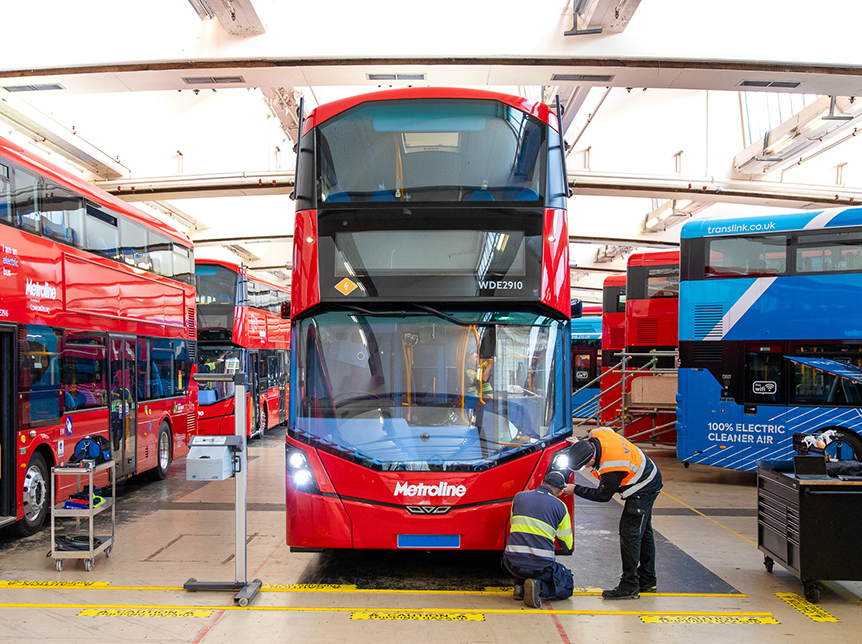
Electric Vehicle Manufacturers and the Rise of Zero-Emission Vehicles
Read on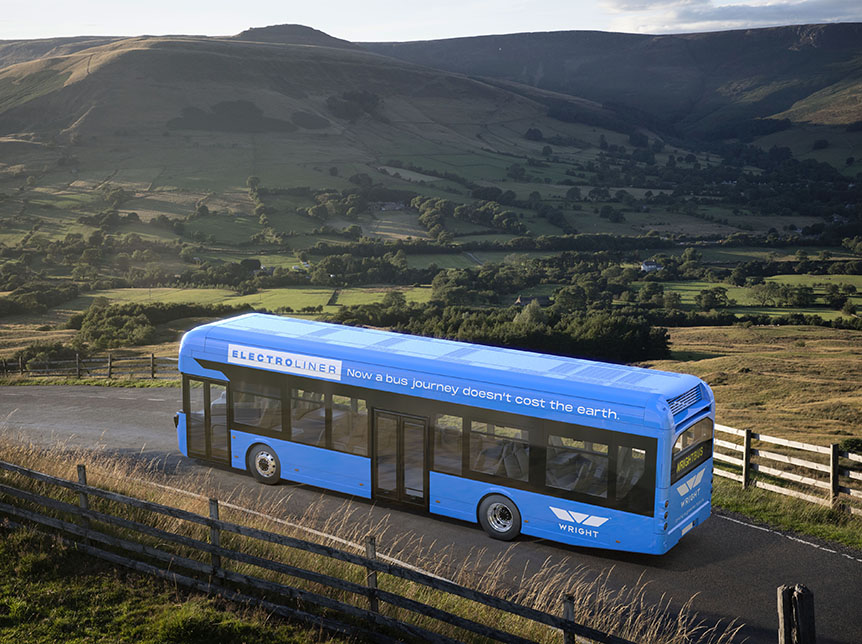
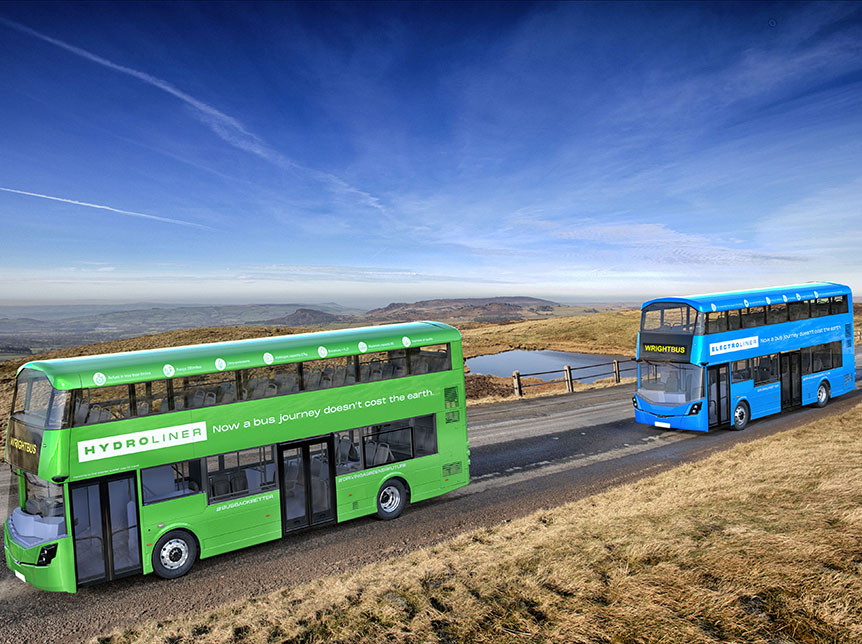
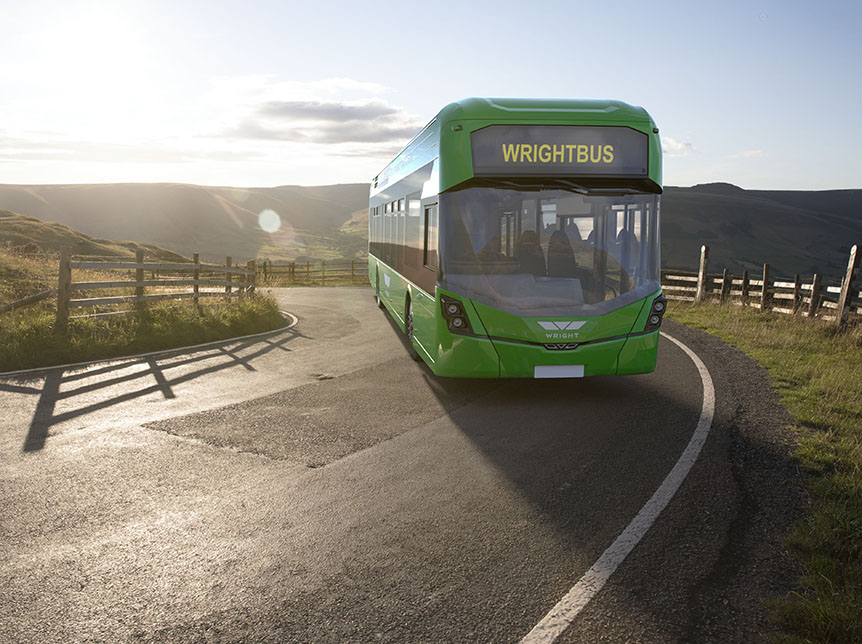
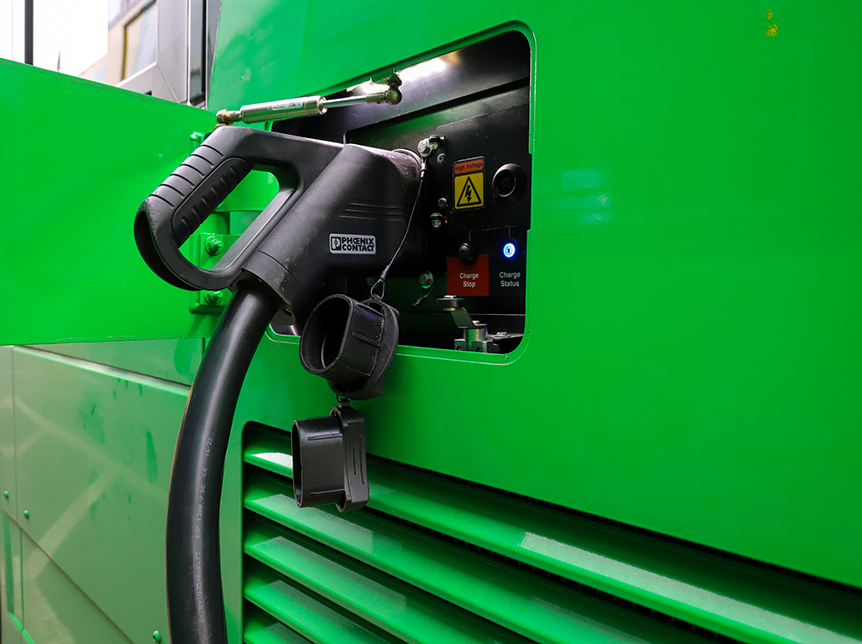
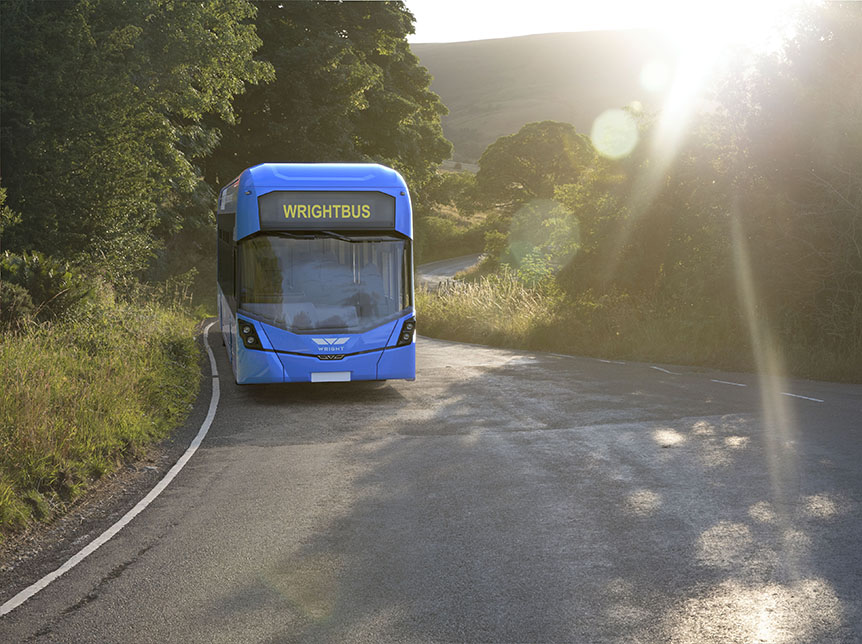
Driving Towards Sustainability: Electric Buses in the UK Leading the Way to Zero Emission Vehicles
Read on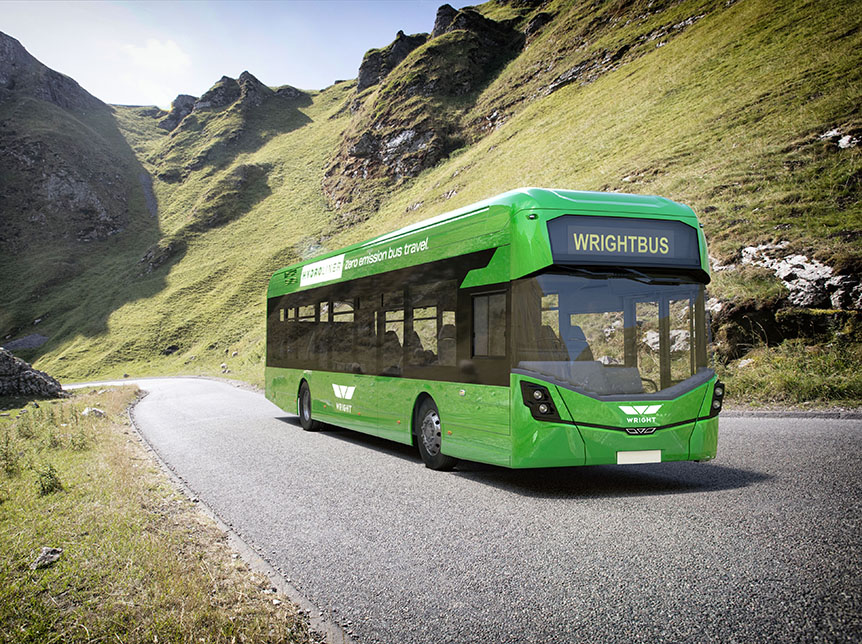
Fueling the Future: Single Decker Hydrogen Vehicles Redefining Urban Transit
Read on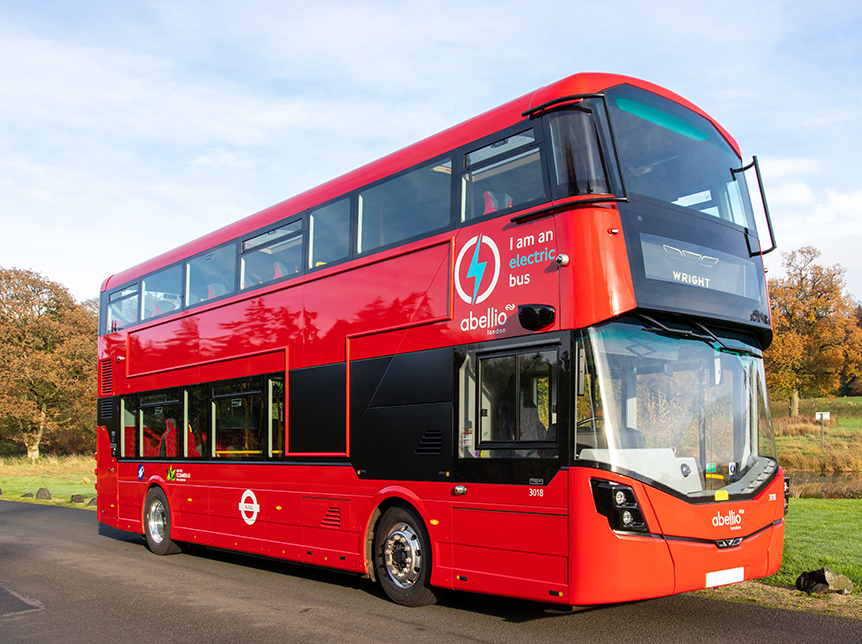
Navigating Green Urban Transit: London's Best Electric Vehicles and Electric Buses
Read on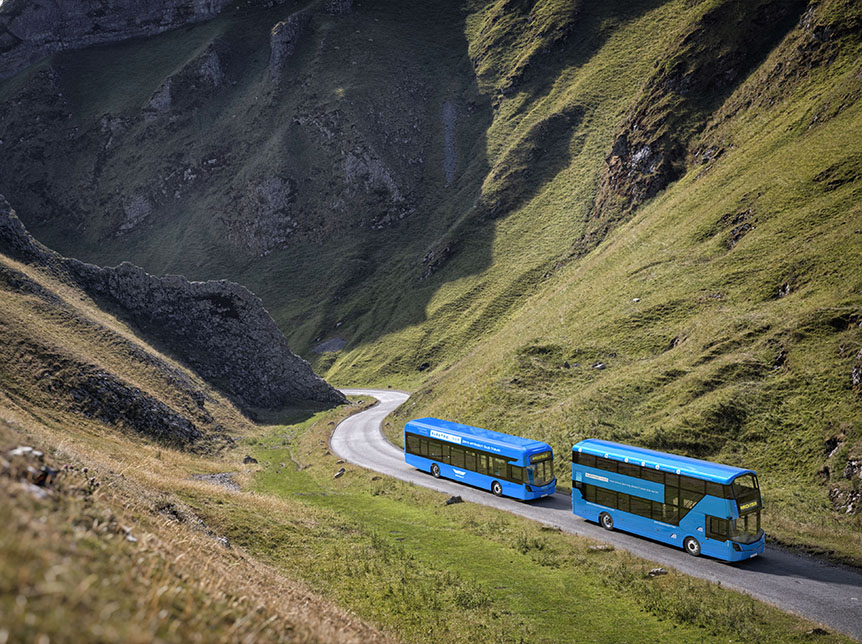
Embracing Tomorrow's Roads: Zero-Emission vs. Battery Electric Vehicles
Read on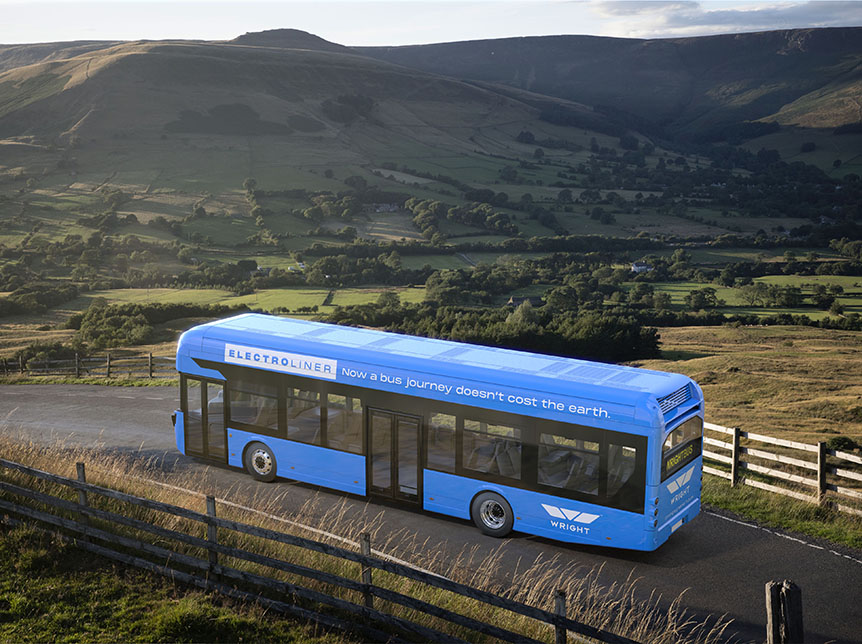
Electrifying Urban Transport: The Rise of Electric Vehicles and E-Buses
Read on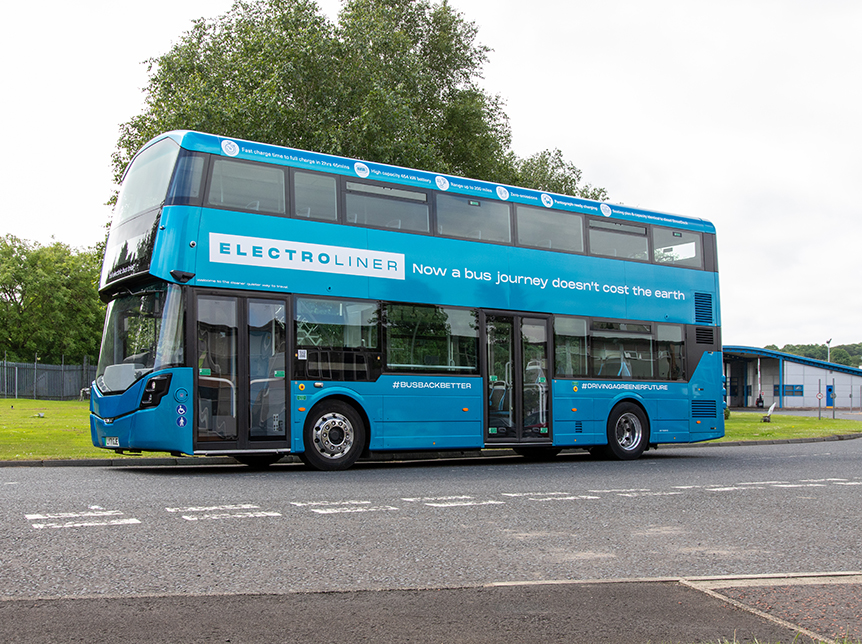
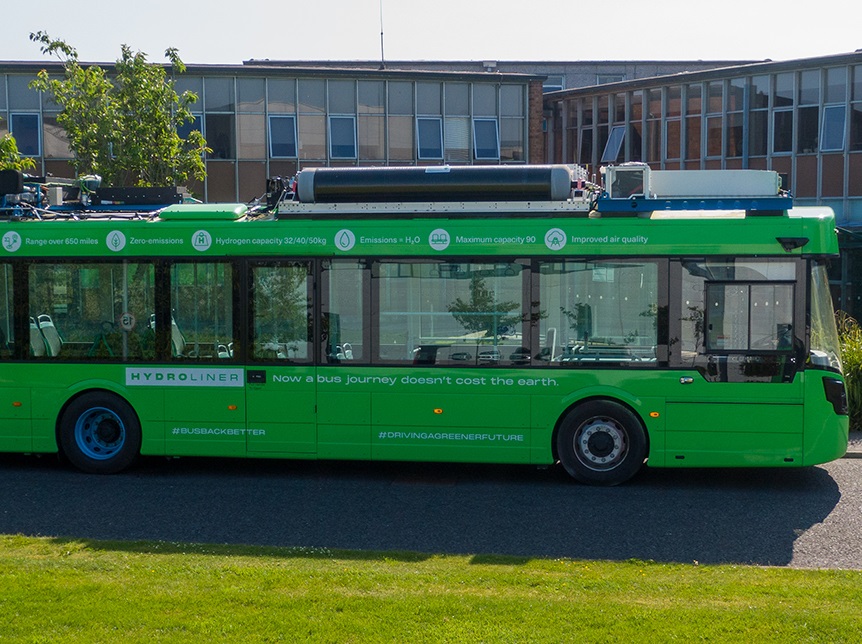
Driving Towards a Green Future: Hydrogen Fuel Cell Vehicles Leading the Way
Read on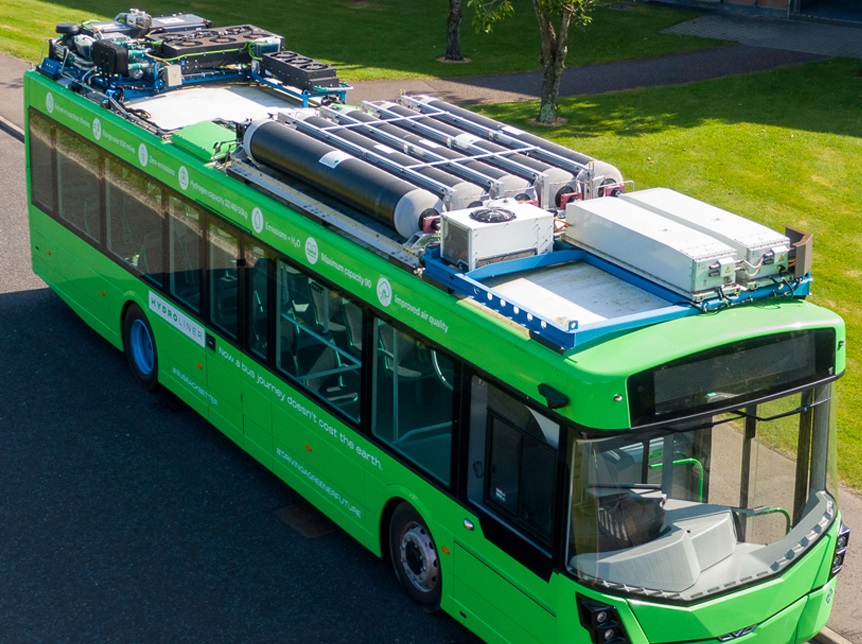
Hydrogen Fuel Cells Are The Future Of Zero-Emission Haulage: This Is How The UK Can Get There
Read on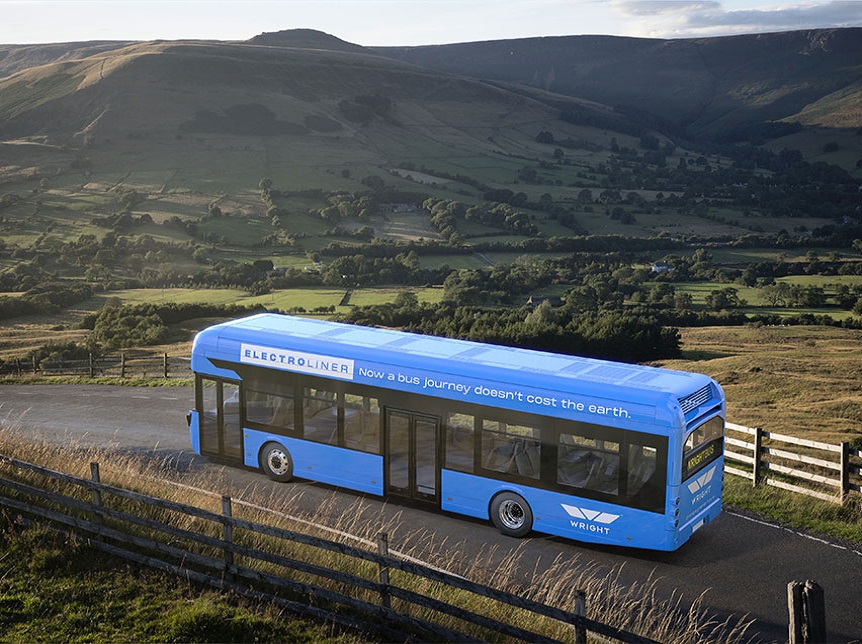
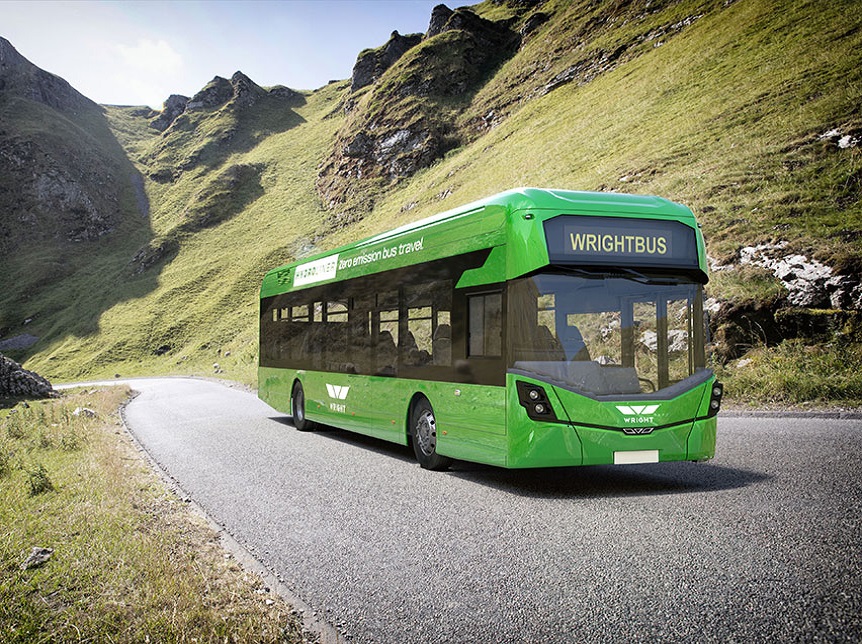

Get in touch
Wrightbus has been at the forefront of transport innovation since 1946, relentlessly pushing the boundaries with its commitment to quality, style and safety.