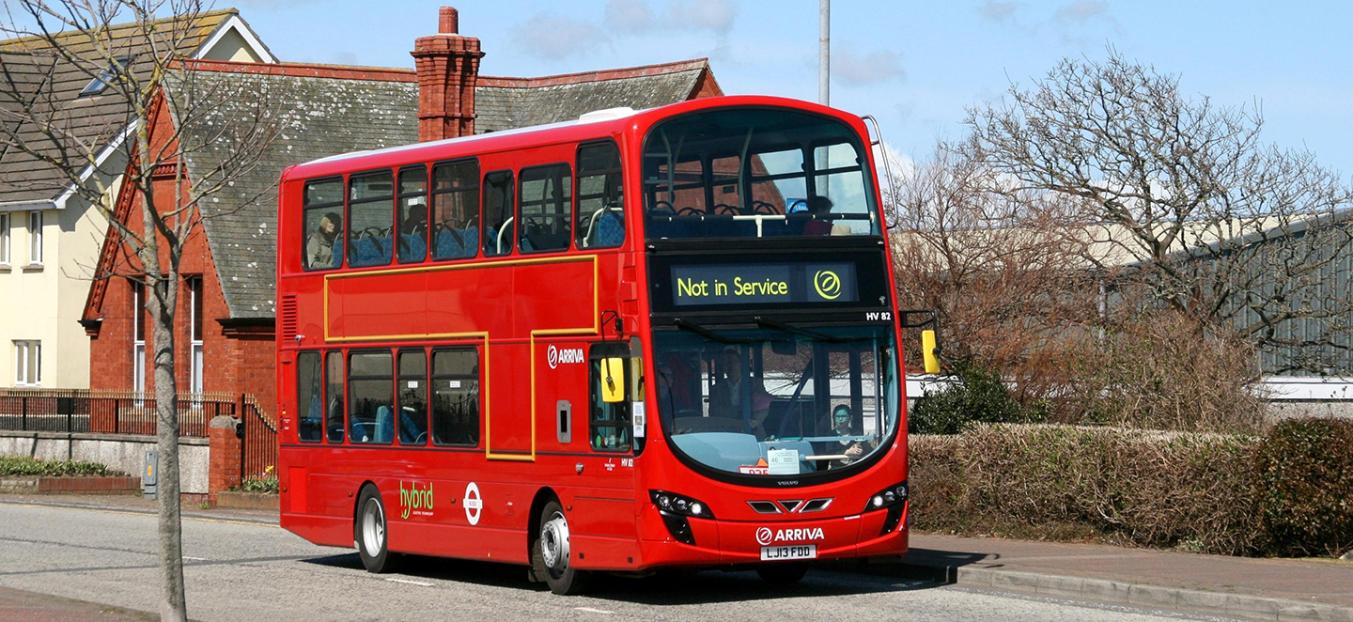
The automotive industry is rapidly shifting towards cleaner technologies such as hybrid electric vehicle systems and fuel cell electric vehicle technology. These innovations are helping reduce dependence on fossil fuels while improving fuel efficiency and lowering emissions. As countries push towards net-zero goals, both hybrid and fuel cell technologies are becoming key pillars of sustainable transport.
Hybrid Electric Vehicle Overview
A hybrid electric vehicle combines a traditional internal combustion engine with an electric motor. This dual system allows the vehicle to switch between power sources or use both simultaneously depending on driving conditions. The result is improved fuel efficiency and reduced emissions compared to conventional petrol or diesel vehicles.
Hybrid vehicles are especially useful in city driving where frequent stopping and starting allows regenerative braking systems to recharge the battery. This energy recovery process helps improve overall efficiency and reduces fuel consumption significantly.
There are different types of hybrid systems including mild hybrids, full hybrids, and plug-in hybrids. Each type offers varying levels of electric assistance and fuel savings, making hybrids a flexible solution for transitional mobility needs.
Fuel Cell Electric Vehicle Technology
A fuel cell electric vehicle uses hydrogen gas to generate electricity through an electrochemical reaction in a fuel cell stack. This electricity then powers an electric motor, with water vapour as the main tailpipe by-product. Unlike battery-electric vehicles, fuel cell vehicles can be refuelled quickly; however, they still typically use a battery for power buffering, regenerative braking and transient load support.
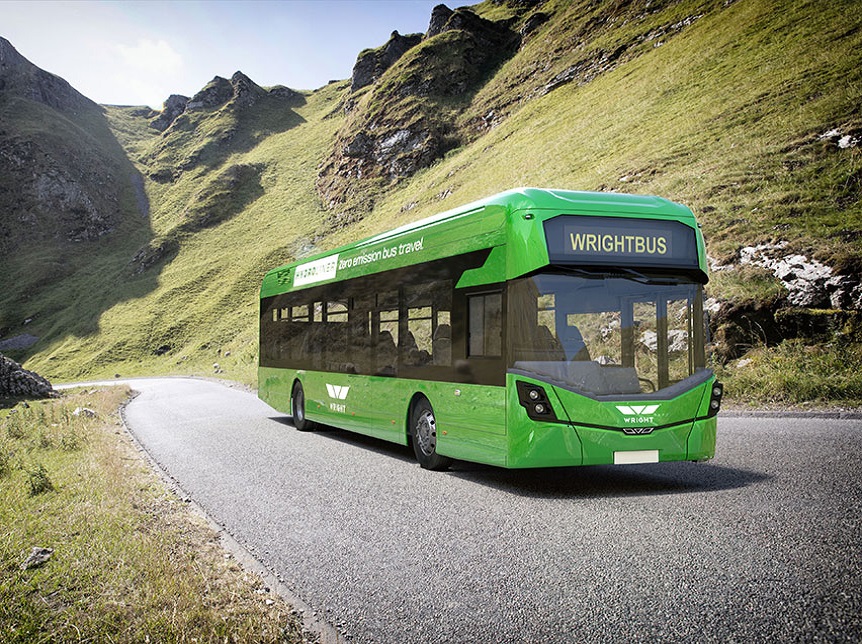
Fuel cell electric vehicles are particularly suitable for long-distance travel and heavy-duty applications such as buses and trucks. They offer fast refuelling times and long driving ranges, making them a strong alternative where battery charging infrastructure may be limited.
Hydrogen fuel cell technology is still developing, but it is gaining attention as a scalable solution for zero-tailpipe-emission transport, especially in commercial fleets and public transport systems.
Key Differences Between Hybrid and Fuel Cell Vehicles
Hybrid electric vehicles rely on a combination of an internal combustion engine and electricity stored in batteries, while fuel cell electric vehicles generate electricity from hydrogen on demand. Hybrids are more widely available and can serve as a transition technology, whereas fuel cell electric vehicles are a zero-tailpipe-emission option, particularly for high-utilisation and heavy-duty applications.
Hybrids are easier to adopt due to existing infrastructure, while fuel cell vehicles require hydrogen production and refuelling stations. However, both technologies play important roles in reducing emissions and supporting sustainable mobility goals.
Benefits of Clean Vehicle Technologies
Hybrid electric vehicle and fuel cell electric vehicle systems can offer environmental and operational benefits when matched to the correct duty cycle. Hybrids can improve fuel efficiency and reduce emissions compared with conventional diesel or petrol vehicles, while FCEVs offer zero tailpipe emissions. Total cost of ownership depends on vehicle price, energy cost, infrastructure, maintenance and utilisation.
In urban areas, hybrid vehicles can help reduce fuel use and tailpipe emissions, while fuel cell vehicles offer a zero-tailpipe-emission solution for long-distance and heavy transport applications. Together, they contribute to a cleaner and more efficient transport ecosystem.
Future of Hybrid and Fuel Cell Mobility
The future of transport will likely involve a mix of hybrid, battery-electric, and hydrogen fuel cell technologies. As infrastructure improves and technology advances, fuel cell vehicles are expected to become more common in commercial transport, while hybrid vehicles will continue to serve as an important transition solution.
Governments and manufacturers are investing heavily in research and development to improve efficiency, reduce costs, and expand clean energy infrastructure. This combined effort is expected to accelerate the shift towards a low-carbon transport system.
- What is a hybrid electric vehicle?
A hybrid electric vehicle is a car that uses both an internal combustion engine and an electric motor to improve fuel efficiency and reduce emissions. - How does a fuel cell electric vehicle work?
A fuel cell electric vehicle generates electricity from hydrogen through a chemical reaction, which powers an electric motor. - What are the main benefits of hybrid vehicles?
They offer better fuel efficiency, lower tailpipe emissions, and reduced fuel costs compared to traditional vehicles. - Are fuel cell electric vehicles zero-emission?
Yes, they produce zero tailpipe emissions during operation, with water vapour as the main by-product. Lifecycle emissions depend on how the hydrogen is produced and distributed. - Which is better: hybrid or fuel cell vehicles?
It depends on the duty cycle, infrastructure and operating requirements. Hybrids are more common today, while fuel cell vehicles are better suited to high-utilisation, heavy-duty or long-distance applications where fast refuelling is important. - Do fuel cell vehicles need charging?
No, they are refuelled with hydrogen instead of being charged like battery-electric vehicles. - What is the future of these technologies?
Both technologies will coexist, supporting the transition towards more sustainable and low-emission transport systems.
Read more
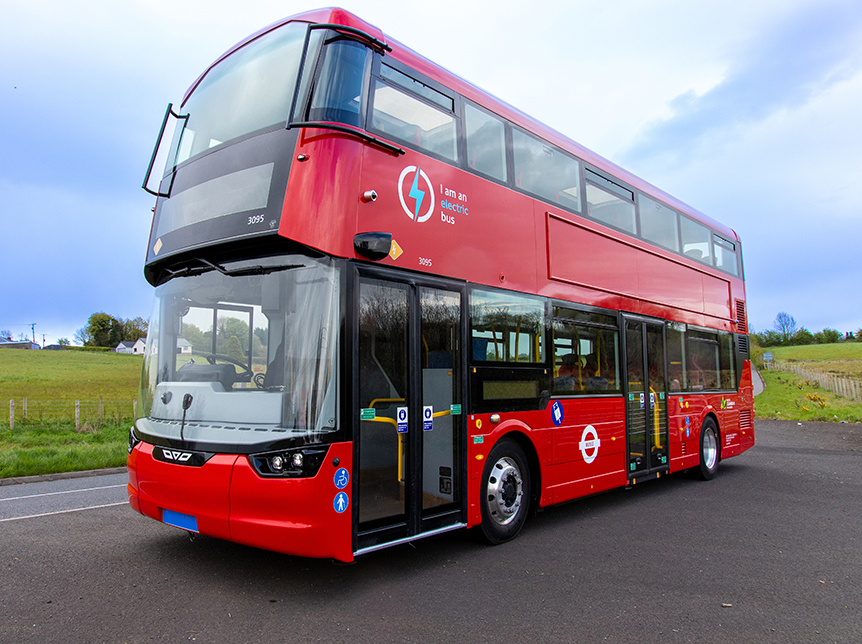
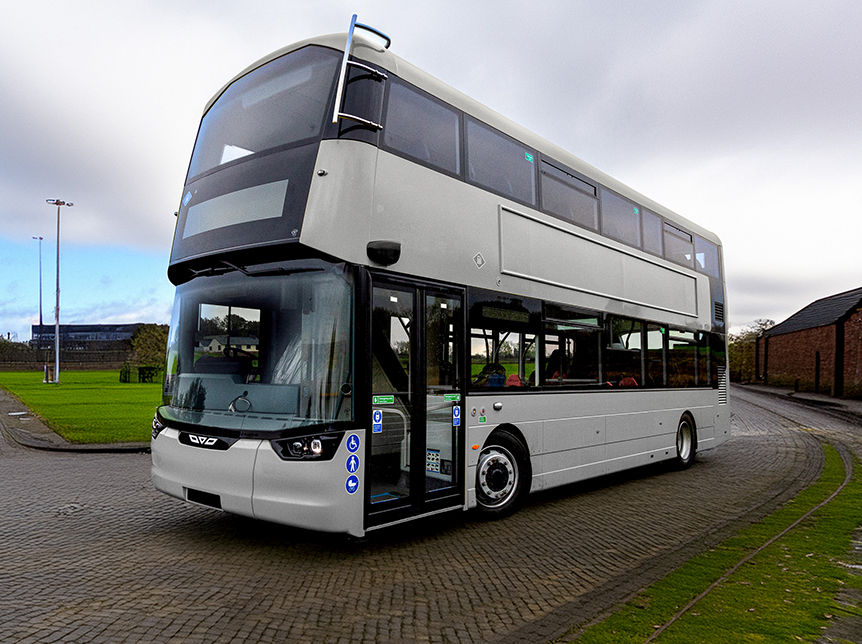
Low-Emission Vehicle Solutions and the Role of Modern Bus Companies
Read on
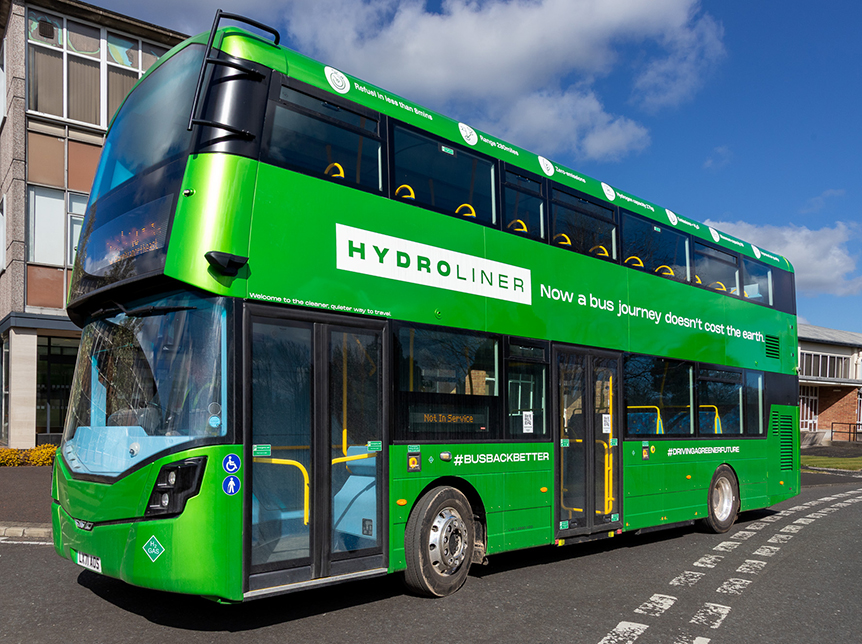
How Much Does a Bus Weigh and How Do Hydrogen-Powered Vehicles Work?
Read on
Double-Deck Coaches and Electric Bus Companies: Shaping Modern Bus Travel
Read on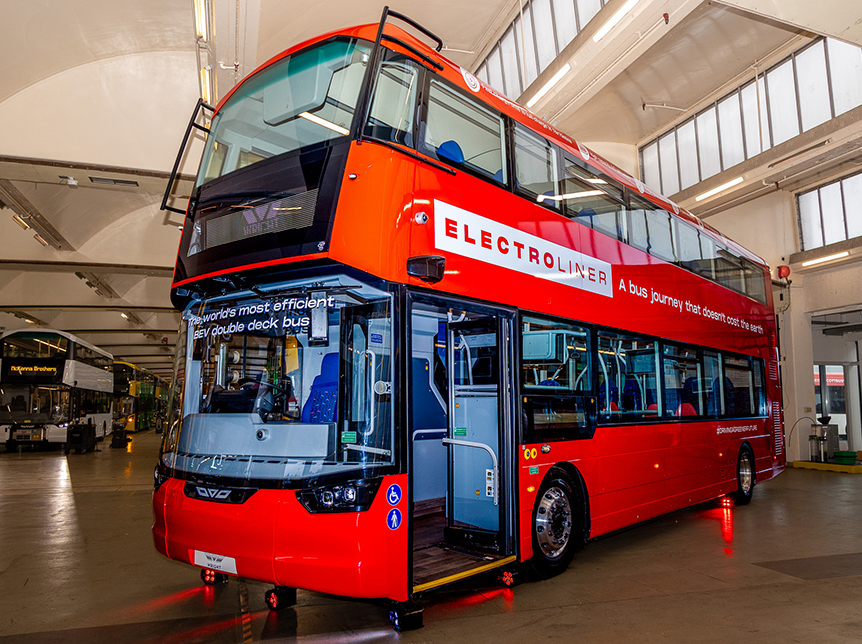
Modern Electric Vehicle Types and Next-Generation Double-Decker Buses
Read on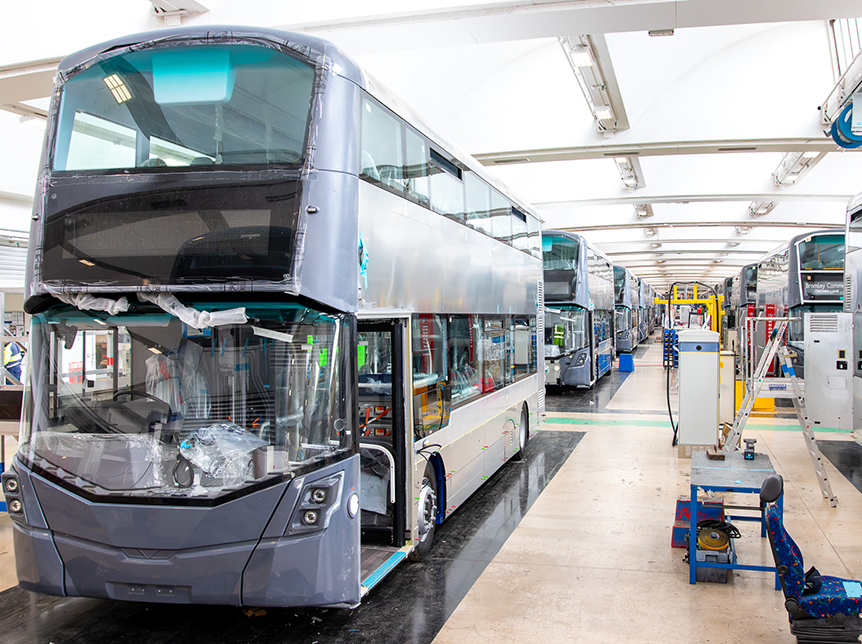
Bus Manufacturing Companies and the Rise of Electric Double-Decker Buses
Read on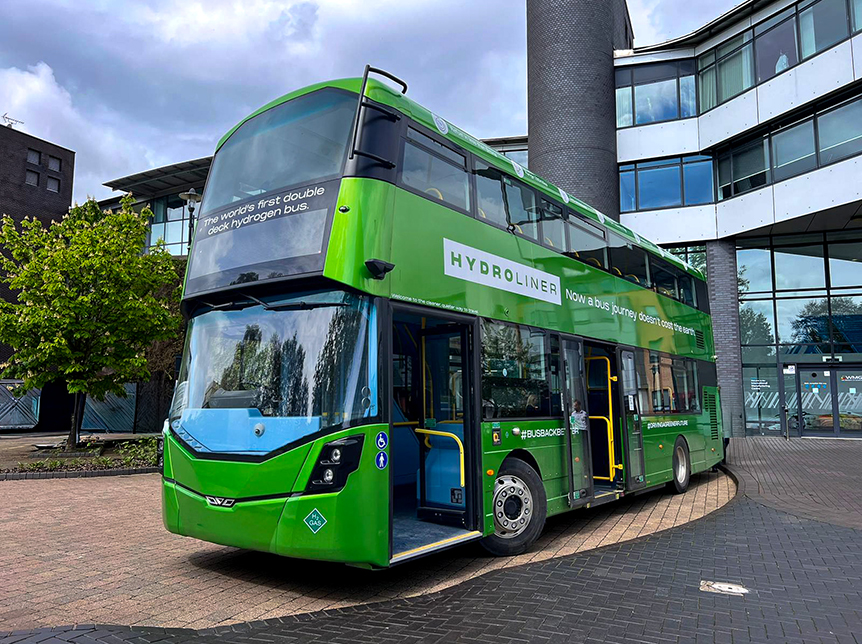
Hydrogen Fuel Cell Vehicles and Double-Decker Bus Innovation in Modern Transport
Read on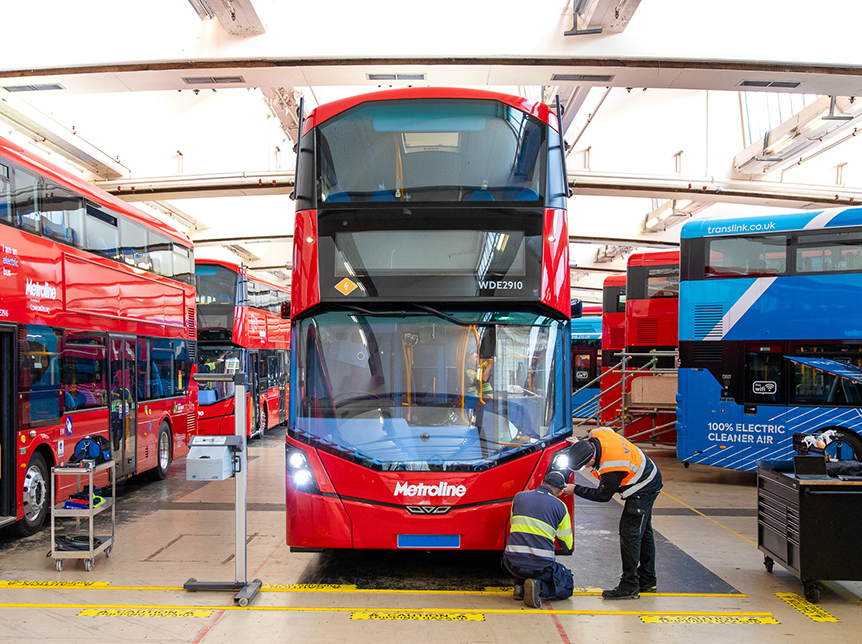
Electric Vehicle Manufacturers and the Rise of Zero-Emission Vehicles
Read on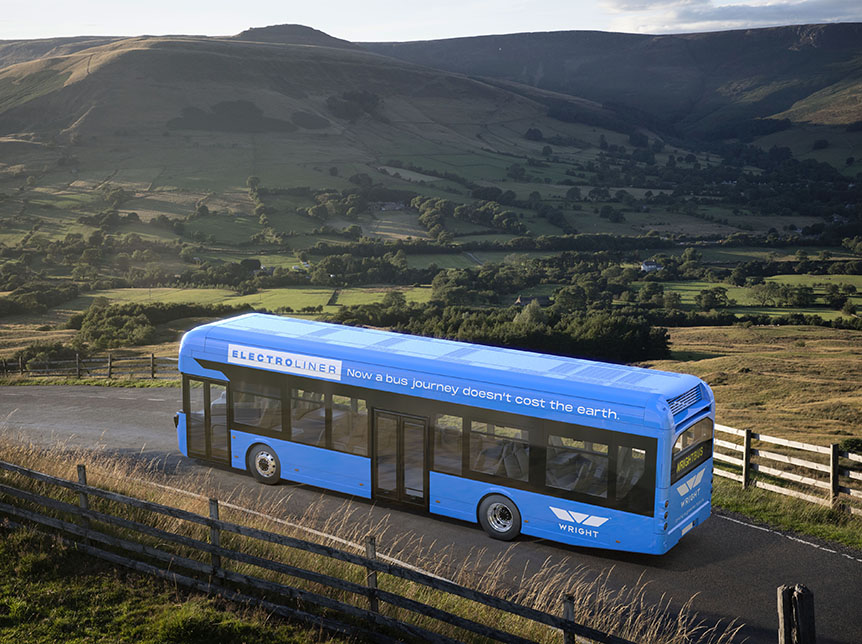

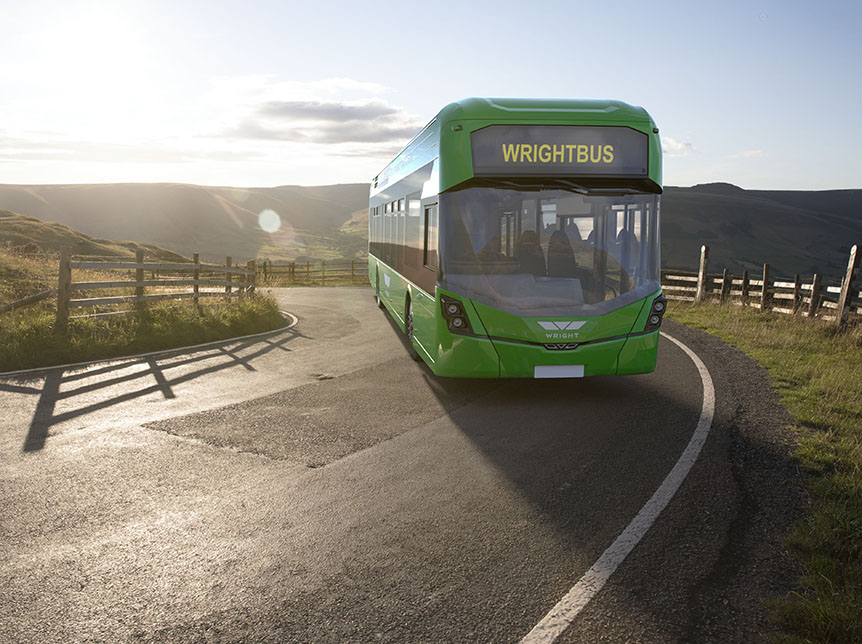
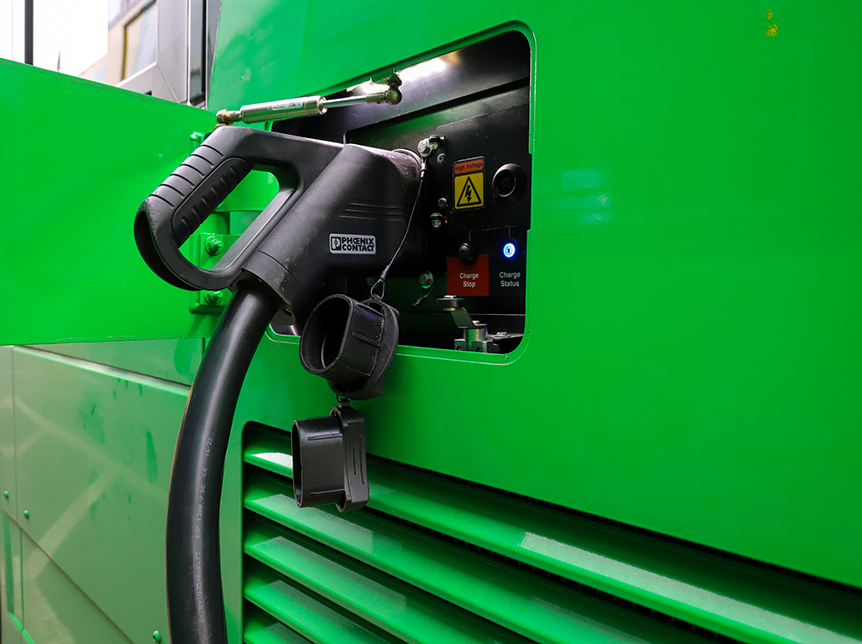
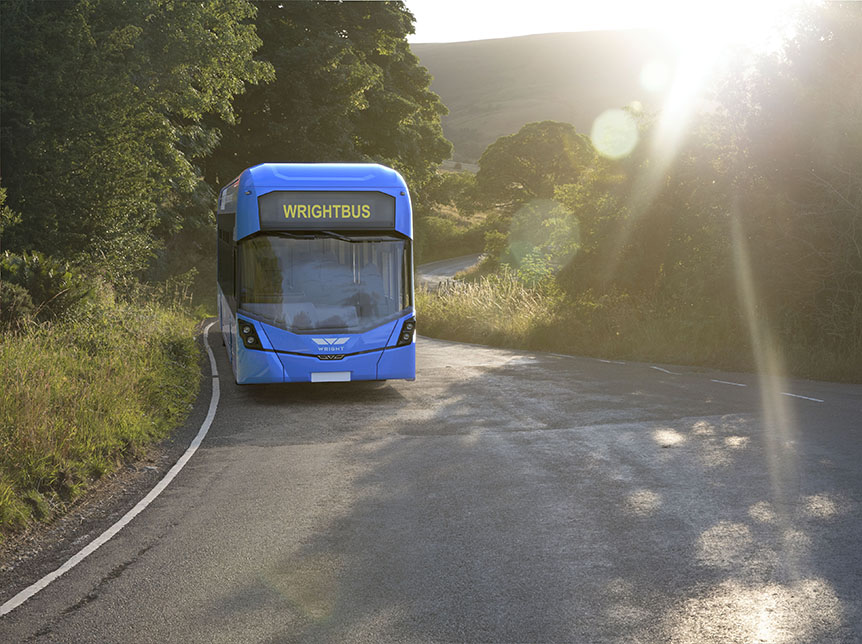
Driving Towards Sustainability: Electric Buses in the UK Leading the Way to Zero Emission Vehicles
Read on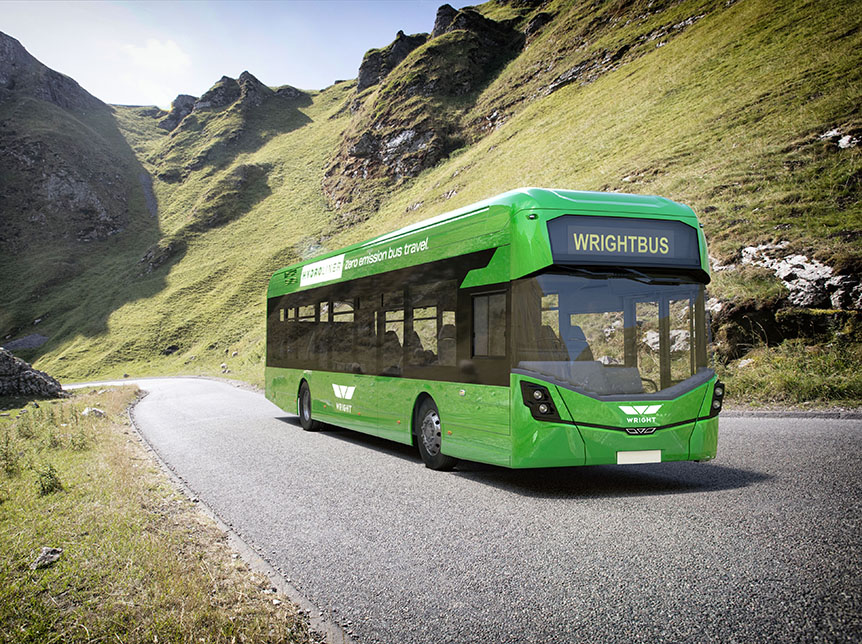
Fueling the Future: Single Decker Hydrogen Vehicles Redefining Urban Transit
Read on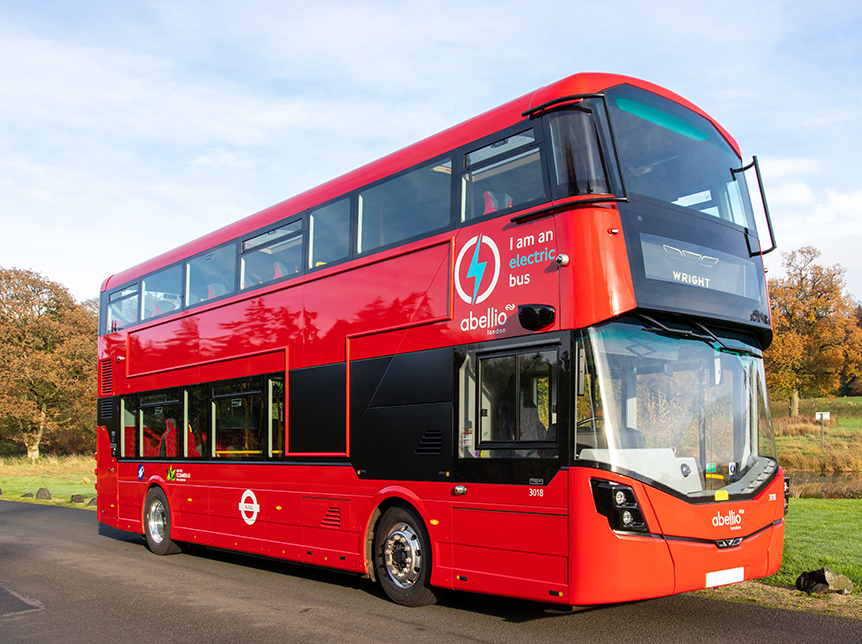
Navigating Green Urban Transit: London's Best Electric Vehicles and Electric Buses
Read on
Embracing Tomorrow's Roads: Zero-Emission vs. Battery Electric Vehicles
Read on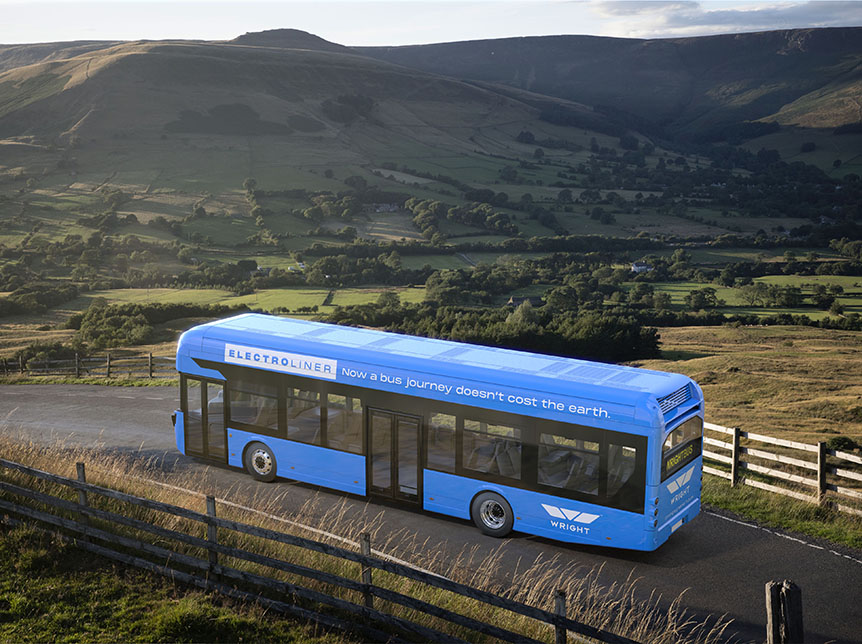
Electrifying Urban Transport: The Rise of Electric Vehicles and E-Buses
Read on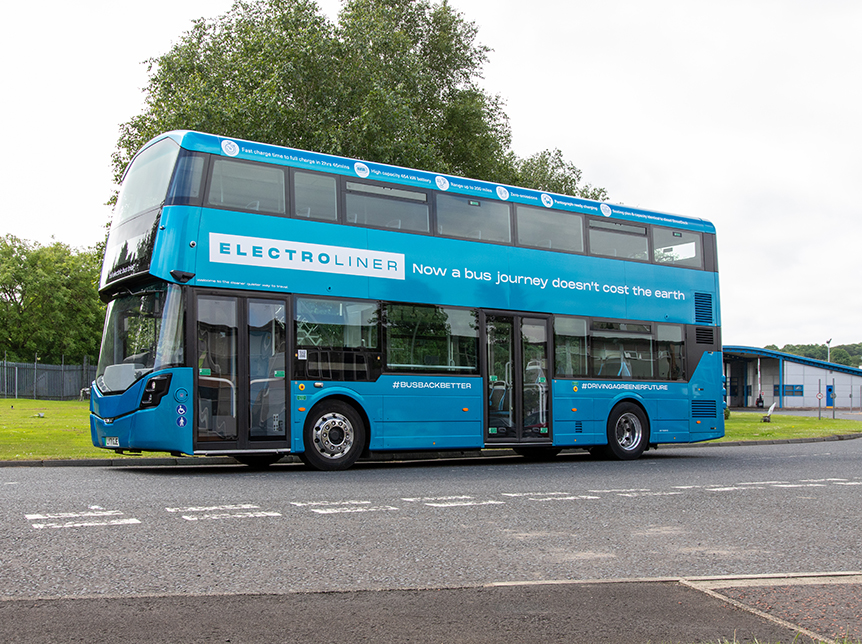
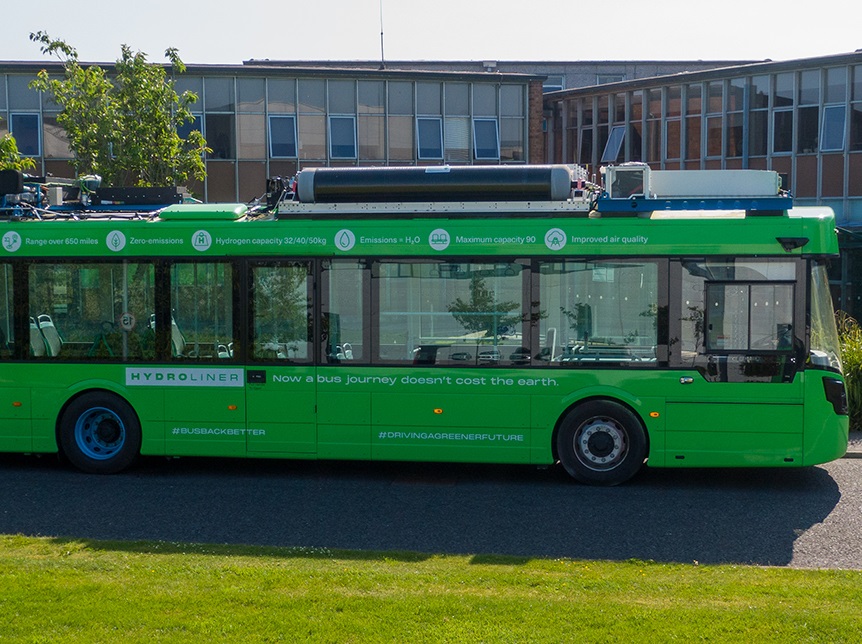
Driving Towards a Green Future: Hydrogen Fuel Cell Vehicles Leading the Way
Read on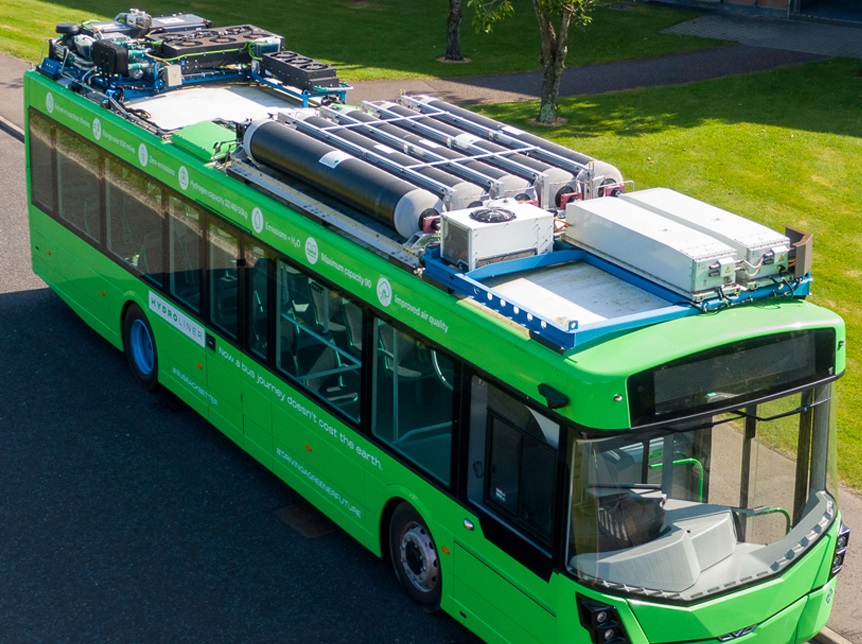
Hydrogen Fuel Cells Are The Future Of Zero-Emission Haulage: This Is How The UK Can Get There
Read on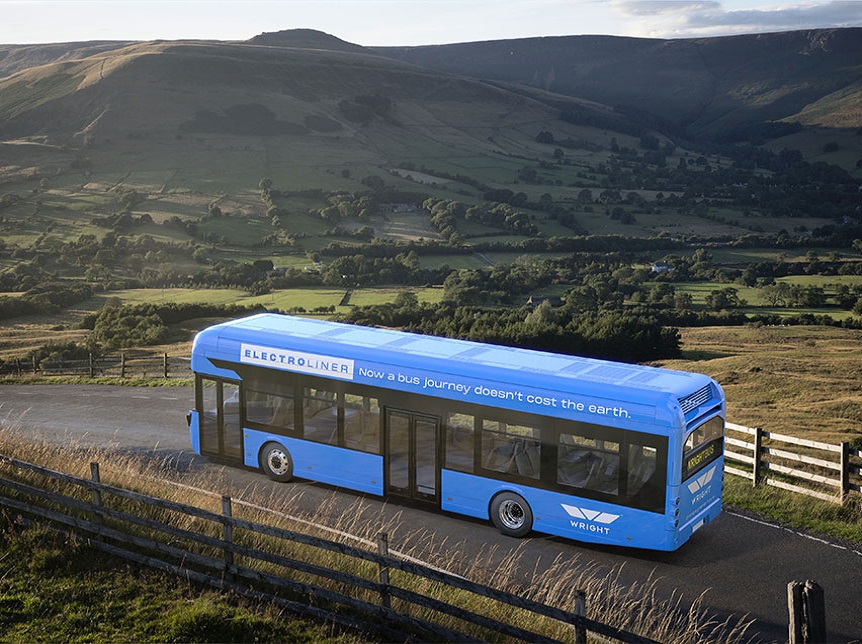

Get in touch
Wrightbus has been at the forefront of transport innovation since 1946, relentlessly pushing the boundaries with its commitment to quality, style and safety.